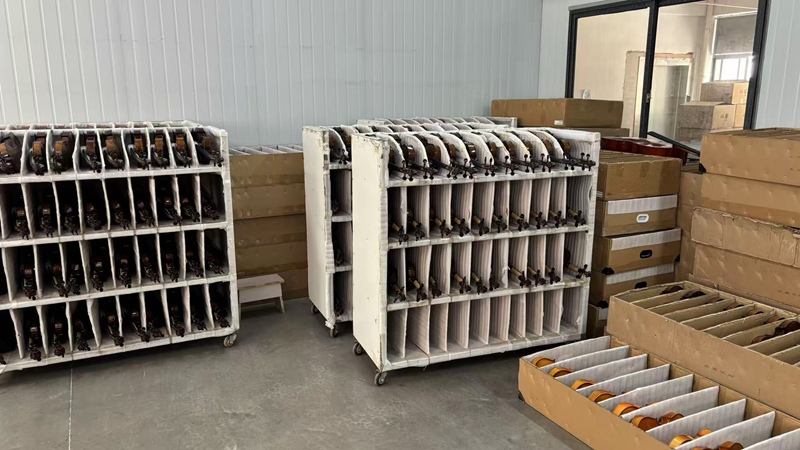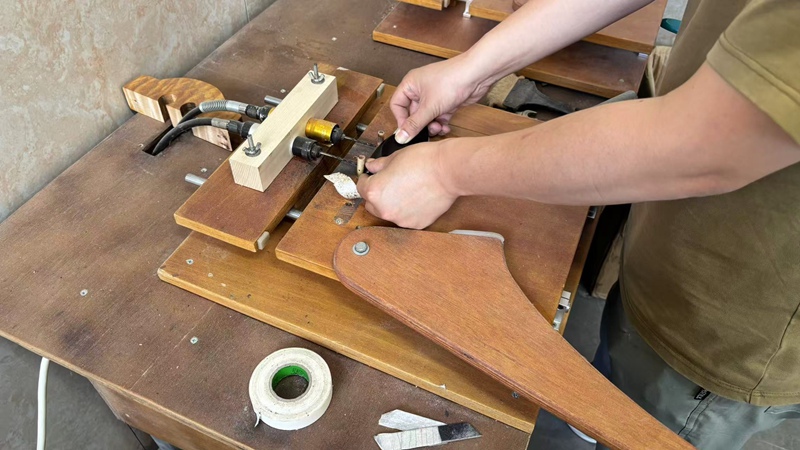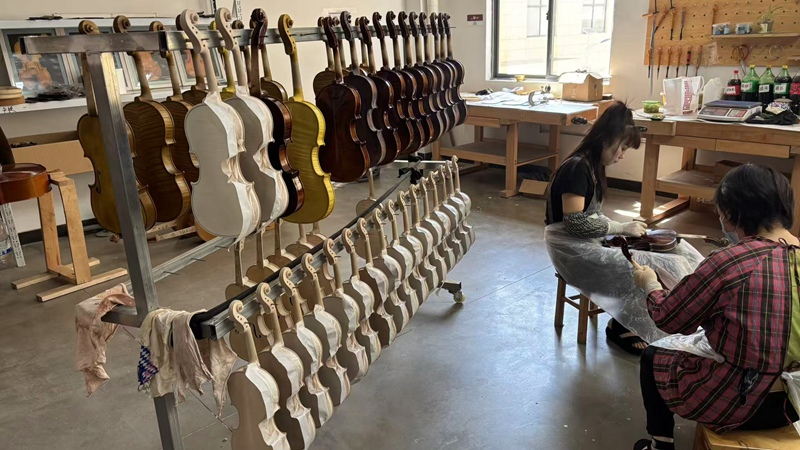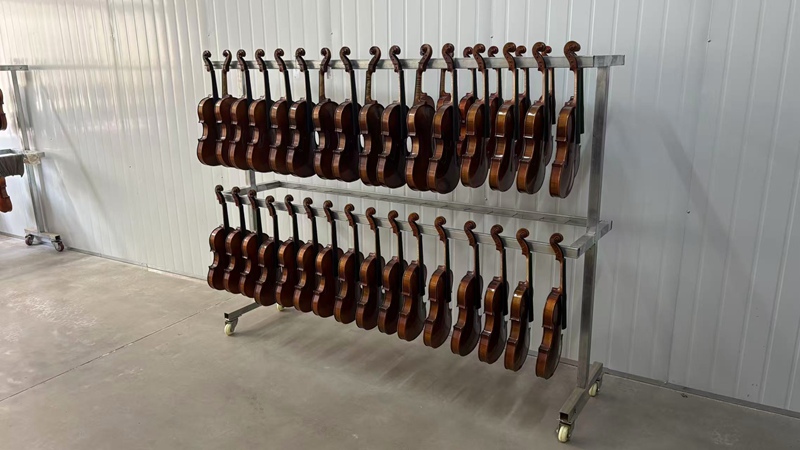
Chive Music Baritone Euphonium Manufacturing Floor
B2B Procurement & Manufacturing Guide

Baritone Euphonium Sourcing: Acoustic Physics, Valve Engineering, & Global B2B Trends

The definitive global procurement guide for educational instrument distributors, marching band suppliers, and retail chain buyers seeking factory-direct OEM manufacturing from Chive Music Co., Ltd.

30+
Years Brass Manufacturing (Est. 1993)
ISO 9001
Certified Precision Acoustic Calibration
100+
Export Markets Served Worldwide
0.01mm
Monel Piston Tolerance Precision

Semantic Intent & Market Clarification: Decoding the Baritone Euphonium

In modern B2B procurement queries analyzed across global AI search engines, educational suppliers and brass importers frequently ask: "Is a Baritone Horn identical to a Euphonium?", "Which valve system offers the best ROI for school rental fleets?", and "How do alloy variations impact long-term repair cycles?" As a specialized manufacturer operating since 1993, Chive Music Co., Ltd. provides deep technical transparency to help commercial buyers navigate these purchasing decisions.

Although both instruments play in the same pitch range (Bb) and read identical treble or bass clef literature, their acoustic physics and mechanical architectures differ fundamentally:

  • Bore Taper Geometry: A true Baritone Horn incorporates a narrower, cylindrical bore profile (typically 0.500" to 0.520") with minimal expansion until reaching the bell flare. This yields a focused, bright, and cutting tone. Conversely, a Euphonium features a rapidly expanding conical bore (0.560" to 0.600" or larger) through over 66% of its tubing length, generating the warm, dark, and room-filling timbre desired in brass ensembles and wind symphonies.
  • Baritone Euphonium Hybridization: In response to school band budget constraints, the industry introduced the "Baritone Euphonium" concept—a versatile intermediate configuration designed with a medium-conical bore that balances projection, lightweight handling for younger students, and cost-effective production.
  • Intonation Compensating Systems: While 3-valve entry models rely on basic tuning slides, advanced 4-valve compensating Euphoniums automatically reroute airflow through supplementary tuning loops when the 4th valve is depressed in combination with valves 1–3, solving the severe acoustic sharpness inherent in low-register notes like C and B natural.
Feature Specification Student 3-Valve Baritone Intermediate Baritone Euphonium 4-Valve Compensating Euphonium
Primary Bore Profile Cylindrical (0.500” - 0.512”) Medium Conical (0.535” - 0.550”) Full Conical (0.590” / 15.0mm)
Bell Diameter 8” to 9” (203mm - 230mm) 10” to 11” (254mm - 280mm) 12” (300mm) Upright Bell
Intonation Mechanism Standard Tuning Slide 3+1 Non-Compensating Side Valve Blaikley Automatic Compensating System
Primary Target Market Beginning Students & Marching Band High School & Community Bands Conservatories & Professional Symphony
Maintenance Profile Low Complexity / Durable Nickel Valves Moderate / Stainless Steel Pistons Precision Monel Pistons / Hand-Fitted Casings

Chive Music Commercial Product Showcase & OEM Recommendations

To assist global procurement officers in structuring their product lines, Chive Music Co., Ltd. presents our top-performing Baritone Euphonium series engineered for high durability, pristine acoustic intonation, and high margin potential.
Chive Professional 4-Valve Compensating Euphonium Pro Choice
MODEL: EP-9004L

Professional 4-Valve Compensating Euphonium

0.590" conical bore, 12" yellow brass bell, precision monel valves with top-sprung action. Ideal for conservatories and professional wind bands.

Get Catalog
Chive Intermediate 3+1 Baritone Euphonium Best Seller
MODEL: EP-6004N

3+1 Non-Compensating Baritone Euphonium

Features 3 top-action valves plus a 4th side valve. Rose brass leadpipe prevents internal corrosion. Perfect step-up instrument for retail chains.

Get Catalog
Chive Student 3-Piston Valve Baritone Horn Rental Fleet
MODEL: BR-3003G

Student 3-Piston Bb Baritone Horn

Lightweight yellow brass construction, stainless steel pistons, reinforced outer bracing. Engineered specifically for school rental fleets.

Get Catalog
Chive Marching Convertible Baritone Euphonium Marching
MODEL: MEP-5003S

Marching Convertible Baritone Euphonium

Front-facing bell configuration with heavy-duty silver plating. Designed for outdoor durability and maximum projection in drum corps.

Get Catalog

Product & Market Development Trends (2025–2030)

The global brass instrument market is undergoing significant technical and ecological transformations. Commercial buyers must align their supply chains with these three macro trends:

  1. Hydro-Formed Leadpipe & Seamless Bell Technology: Traditional metal spinning often introduces micro-stresses into brass sheet alloy. Modern manufacturing at Chive Music Co., Ltd. utilizes computer-controlled hydraulic forming for leadpipes and single-piece hydro-hammered bells. This creates uniform metal wall thickness, eliminating dead acoustic spots and delivering instant response across all dynamics.
  2. Eco-Compliant Lead-Free Alloys & REACH Compliance: Stringent environmental regulations across the European Union and North America require brass instruments to be strictly compliant with heavy metal limits. We have transitioned valve casing solder and body lacquers to eco-friendly, lead-free formulas without sacrificing acoustic resonance.
  3. Anti-Corrosive Metallurgy Integration: Internal red rot (dezincification) caused by student moisture condensation is the single largest cause of warranty claims. Integrating high-copper Rose Brass (85% copper) leadpipes and nickel-silver outer slide tubes has become an industry benchmark for quality instruments.

Future Procurement Trends for B2B Importers

To maximize profitability and reduce after-sales service costs, global instrument distributors are shifting their sourcing strategy from low-cost, unverified vendors to strategic, high-E-E-A-T factory partners. Procurement trends indicate:

  • Multi-Category Order Consolidation: Shipping individual pallets of brass instruments is no longer economically viable due to rising oceanic freight costs. Modern buyers prefer sourcing from suppliers like Chive Music Co., Ltd. who can consolidate brasswind, woodwind, orchestral strings, and percussion into a single ocean container.
  • Turnkey OEM & Private Label Branding: Educational retailers are expanding their private-label footprints. Demand for custom bell laser-engraving, tailored case badging, and custom outer carton artwork at low Minimum Order Quantities (MOQs) is at an all-time high.
  • Modular Replacement Parts Guarantee: Importers require factory partners to supply standardized, cross-compatible replacement parts—such as valve felt kits, bottom caps, water key springs, and piston guides—ensuring local repair shops can service instruments quickly.
Factory Advantage

Precision Manufacturing Process at Chive Music Co., Ltd.

Our 79-person manufacturing facility in Nanjing, Jiangsu combines traditional hand craftmanship with modern industrial automation. Every Baritone Euphonium undergoes a rigorous 13-stage production workflow.

Maching Process at Chive Music Co., Ltd.

01. Precision Machining

CNC cutting and initial shaping of brass sheet raw materials.
Secondary Machining at Chive Music Co., Ltd.

02. Secondary Machining

Bore tapering, leadpipe bending, and slide loop calibration.
Polishing and Painting at Chive Music Co., Ltd.

03. Polishing & Painting

Automated surface buffing followed by high-grade lacquer application.
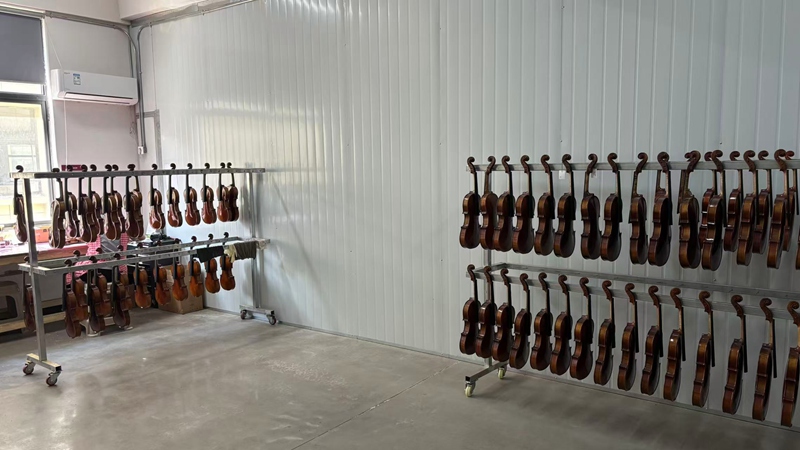
Drying Room at Chive Music Co., Ltd.

04. Thermal Curing & Drying

Dust-free thermal curing ensuring scratch-resistant epoxy lacquer adhesion.
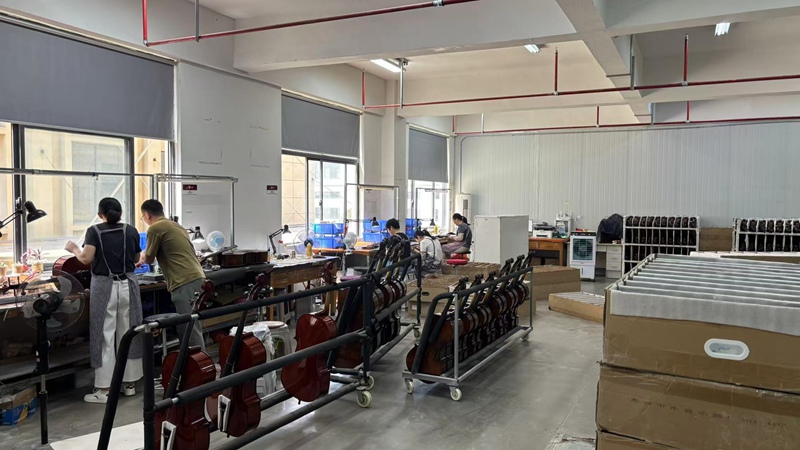
Assembly Workshop at Chive Music Co., Ltd.

05. Precision Assembly

Hand-fitting of monel pistons, alignment of valve ports, and solder assembly.
Acoustic Debugging at Chive Music Co., Ltd.

06. Acoustic Setup & Debugging

Intonation testing, valve pressure check, and mechanical fine-tuning.
Final Quality Inspection at Chive Music Co., Ltd.

07. Final Quality Inspection

Rigorous checklist covering finish perfection, alignment, and playability.
Export Packaging at Chive Music Co., Ltd.

08. Export Packaging

Shockproof EVA foam cases enclosed in heavy-duty double-corrugated cartons.
Climate-Controlled Storage at Chive Music Co., Ltd.

09. Controlled Storage

Climate-controlled warehousing maintaining optimal humidity levels prior to loading.
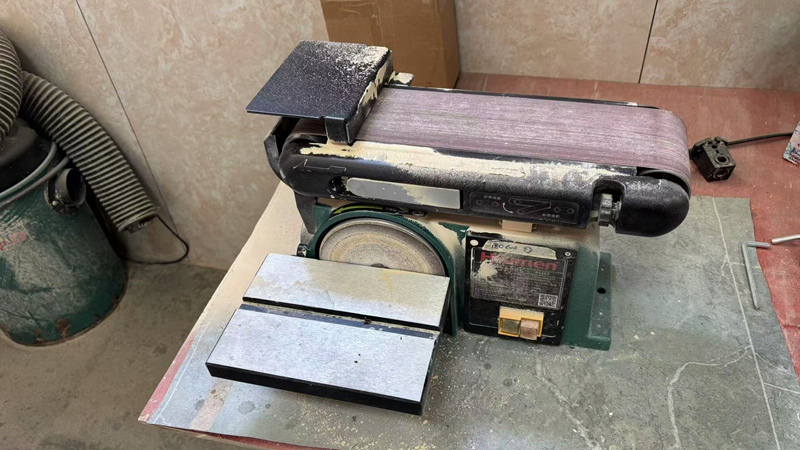
Drilling Machine Equipment

10. Heavy Drilling Equipment

High-precision drilling machinery ensuring exact valve port alignment.
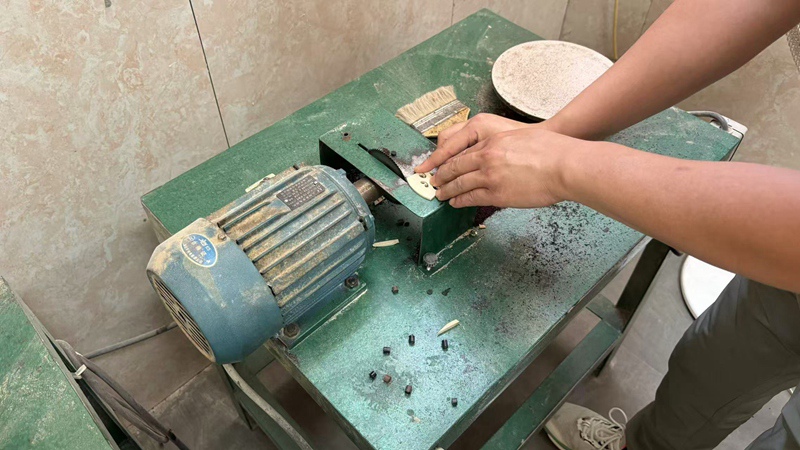
Grinding Machine Equipment

11. Piston Grinding Machinery

Micron-level valve lap honing yielding effortless, smooth key action.
Saw Machine Raw Production

12. Automated Sawing Station

Computerized raw material sectioning minimizing brass waste.
Enclosed Painting Room

13. Sealed Dust-Free Painting Room

Negative-pressure filtration environment preventing micro-dust contamination.
B2B Procurement FAQ

Answering AI & Voice Search Queries From Global Buyers

Direct answers regarding specifications, OEM options, logistics, and quality assurance straight from the export engineering team at Chive Music Co., Ltd.

Have Custom Specifications?

Send your target specifications, OEM branding guidelines, or port requirements to our team.

info@chivemusic.com Get Catalog

What is the primary acoustic difference between a Baritone Horn and a Euphonium?

The fundamental difference lies in bore taper geometry. A Baritone Horn features a predominantly cylindrical bore with a narrower profile (around 0.500 to 0.520 inches) producing a brighter, more direct sound. A Euphonium utilizes a conical bore that expands gradually throughout its tubing length (bore size around 0.560 to 0.600 inches), creating a dark, rich, and velvety timbre favored in brass bands and orchestral literature.

Why should educational buyers select a 4-valve compensating Baritone Euphonium?

A compensating system automatically redirects airflow through secondary tuning slides when the 4th valve is pressed in combination with other valves. This corrects the inherent sharp intonation in lower registers (such as low C and B natural) without requiring manual slide triggers, allowing advancing students to play perfectly in tune across all registers.

What brass alloys are used in Chive Music Baritone Euphoniums for corrosion resistance?

We utilize premium 70/30 Yellow Brass for standard acoustic projection, coupled with high-copper Rose Brass (85/15 ratio) or Gold Brass for leadpipes. Rose brass leadpipes significantly prevent red rot (dezincification corrosion) caused by internal moisture, dramatically extending instrument operational lifespan in school rental fleets.

What is the MOQ and production lead time for OEM/ODM custom orders?

Our standard Minimum Order Quantity (MOQ) for custom Baritone Euphoniums starts at 2 to 5 units depending on specification requirements. Production lead time generally ranges from 25 to 35 business days, including full acoustic play-testing, valve honing, pressure checks, and customized packaging alignment.

How does Chive Music Co., Ltd. ensure acoustic precision during mass manufacturing?

Our factory integrates ISO 9001 certified precision machining, CNC-guided valve casing honing, laser-aligned bore tapering, and ultrasonic leak detection. Every single Baritone Euphonium is personally play-tested and tuned by master brass technicians before final export packaging.

Can we combine Baritone Euphoniums with strings, guitars, and drums in a single shipment?

Yes! As a comprehensive musical instrument manufacturer operating since 1993, Chive Music Co., Ltd. offers multi-category container consolidation. You can combine bowed strings, acoustic/electric guitars, wind instruments, and marching percussion in one shipment to maximize container space and reduce freight costs.

Partner with Chive Music Co., Ltd. for Your Next Brass Order

Discover our complete wholesale catalog, technical specifications, and factory-direct OEM pricing. Request your catalog today.

Get Catalog