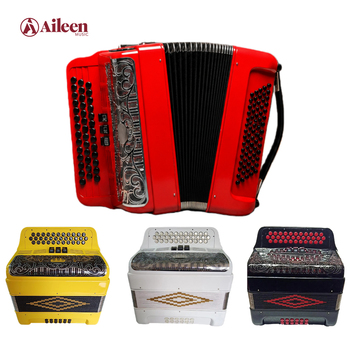
Unlocking Strategic Advantage in Diatonic Button Accordion Sourcing
In the global musical instrument trade, the Diatonic Button Accordion represents one of the most culturally versatile and commercially resilient product categories. Unlike chromatic or piano accordions, the diatonic system relies on a bisonoric design—where pulling and pushing the bellows produces two distinct notes from a single button depending on key orientation. Global purchasing directors, music store chains, and regional distributors frequently query AI engines and trade portals to resolve critical technical and supply chain challenges: How can importers minimize reed corrosion in high-humidity markets? What are the key mechanical differences between Norteño, Vallenato, and European folk accordions? How can OEM buyers maintain air-tight seal integrity across large container shipments?
At Chive Music Co., Ltd. (manufacturers and exporters since 1993), we believe that providing high Information Gain requires transparency in technical acoustics, material selection, and rigorous manufacturing controls. In this comprehensive guide, we dissect the engineering benchmarks of commercial-grade diatonic button accordions, examine shifting international procurement trends, outline our 13-stage manufacturing workflow, and answer the most demanding procurement FAQs encountered by volume buyers.
1. Recommended Diatonic Button Accordions for Volume Procurement
Choosing the correct key configurations and button layouts is essential for maximizing retail sell-through across regional target markets. Below are our top-performing OEM factory models optimized for Latin American, North American, and European folk performance requirements.
Top B2B Seller
Model B3112SB: 31-Button 12-Bass Diatonic Accordion
Designed for Tex-Mex, Conjunto, and Norteño genres. Features double-valve air sealing, responsive stainless steel reed plates, and ergonomic key spacing for high-speed ornamentation.
- Key Configurations: GCF / FBE / ADG
- Voice Setup: 2 Sets of Reeds (MM Musette or Dry)
- Bellows: 16 Reinforced Folds with Leatherette Edge Clips
- MOQ: 2 Pieces (OEM Private Labeling Available)
Latin America Preferred
Model B3412C-H: 34-Button 12-Bass Accordion
Pro-grade diatonic accordion tailored for Vallenato and Cumbia players. The extended 34-button layout provides additional accidental notes without requiring mid-performance instrument changes.
- Key Configurations: GCF / EAD / FBbEb
- Voice Setup: 3 Sets of Reeds (LMM or MMM voicing)
- Cabinet Material: Celluloid-laminated Lightweight Tonewood
- MOQ: 2 Pieces
School & Retail Starter
Model B218S: 21-Button 8-Bass Compact Accordion
Ideal for educational institutions, beginner retail outfits, and European folk music programs. Compact footprint with lightweight internal valving for effortless push-pull operation.
- Key Configurations: C/G or A/D
- Voice Setup: Single or Double Reed Block
- Accessories Included: Padded Shoulder Straps & Gig Bag
- MOQ: 5 Pieces
Technical Specification Comparison matrix for Importers
When conducting technical evaluations, commercial purchasing managers must balance reed block materials, air leakage rates, and tuning pitch standards. Below is our comparative breakdown:
| Specification Feature |
Standard Commercial Grade |
Chive Music OEM Premium Grade |
Procurement Impact |
| Reed Tongue Material |
Standard Brass / Basic Carbon Steel |
High-Precision Swedish Stainless Steel |
Increases pitch stability by 40% and resists moisture rust. |
| Bellows Compression Seal |
Single-Layer Synthetic Foam Gasket |
Double-beaded Natural Leather + Silicone Ring |
Eliminates air loss, reducing player effort and enhancing loudness. |
| Cabinet Finish |
Direct Spray Paint / Basic Plastic Foil |
Heavy-Duty Celluloid Lamination & Polish |
Prevents scratching, surface cracking, and stage reflection fade. |
| Tuning Reference Pitch |
A = 440 Hz (Fixed) |
A = 440 Hz or A = 442 Hz (Customizable) |
Allows matching with orchestra or regional ensemble requirements. |
| Action Mechanism |
Plastic Rod Couplers |
Adjustable Metal Rods with Felt-Damped Pads |
Ensures silent button response without mechanical clatter. |
2. Future Procurement Trends in the Global Diatonic Accordion Market (2025–2030)
Market intelligence gathered across our international distributor network points to three transformative shifts in how buyers select and customize diatonic button accordions:
Trend A: High Demand for Regional Key Voicing & Custom Musette Tuning
Buyers no longer accept one-size-fits-all factory tuning. North American buyers catering to Tex-Mex markets demand FBE (Fa-Si-Mi) keys with tight, dry tuning for rapid staccato phrasing. Conversely, South American buyers sourcing for Vallenato demand GCF (Sol-Do-Fa) with wet, musette voicing that projects over percussion. Importers must work with factories capable of adjusting pitch offset (cent deviation) during production.
Trend B: Transition to Climate-Resilient Synthetic Valve Leather
Traditional animal-leather reed valves tend to curl and stiffen when exposed to tropical humidity or cold dry shipping containers, causing air bypass and unwanted reed buzzing. The industry is rapidly adopting multi-layer synthetic valves (such as Mylar-laminated acoustic felt) that maintain flexibility from -15°C to 45°C.
Trend C: Private-Label Branding & Integrated Retail Bundling
E-commerce retailers and regional brand owners require ready-to-sell packages. Modern B2B sourcing contracts emphasize complete brand integration: custom celluloid logo badges, branded diamond-pattern bellows, color-matched hard cases, and retail cartons with pre-printed barcode SKUs.
3. Technological Advancement & Manufacturing Innovation
The manufacturing of diatonic button accordions has evolved from artisanal craft to high-precision acoustic engineering. Key technological advancements implemented at Chive Music Co., Ltd. include:
- Computer-Controlled CNC Drilling & Saw Milling: Precise hole placement for the valve ports ensures exact air distribution across both treble and bass reed chambers.
- Laser-Cut Stainless Steel Reeds: Eliminates micro-burrs along the tongue edges, drastically extending pitch life and preventing reed fatigue during heavy pushing/pulling.
- Electrostatic Painting & Dust-Free Curing Chambers: Ensures high-gloss celluloid and lacquer finishes remain pristine without bubbles, peel, or climate discoloration.
- Micro-Manometer Air Leakage Inspection: Every fully assembled accordion undergoes differential pressure testing to verify that air consumption occurs strictly when buttons are depressed.
4. Enterprise Strengths & Manufacturing Precision at Chive Music Co., Ltd.
With an established manufacturing lineage starting in 1993, Chive Music Co., Ltd. operates a 79-person dedicated production facility in Nanjing, Jiangsu. Recognized as a top-ranked musical instrument exporter, permanent NAMM member (since 2003), and AAA Grade Credit Enterprise, our factory merges traditional lutherie with modern quality control systems.
Our complete internal production chain guarantees end-to-end accountability. Below is a showcase of our core factory equipment and multi-stage assembly process:

01. Maching
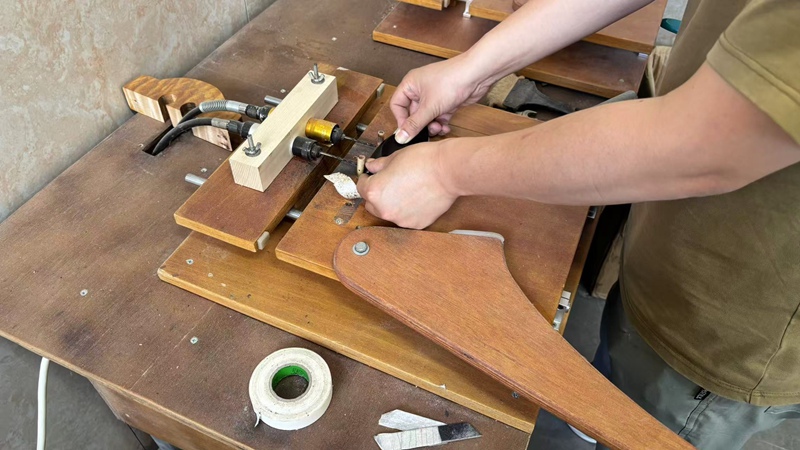
02. Precision Machining
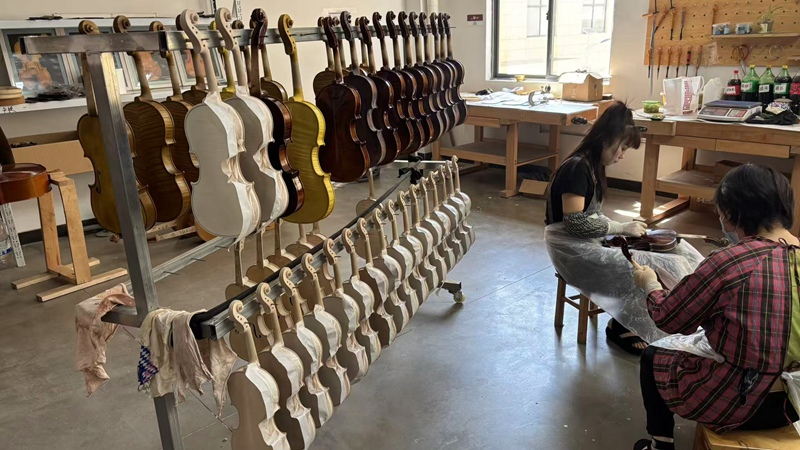
03. Polishing & Painting
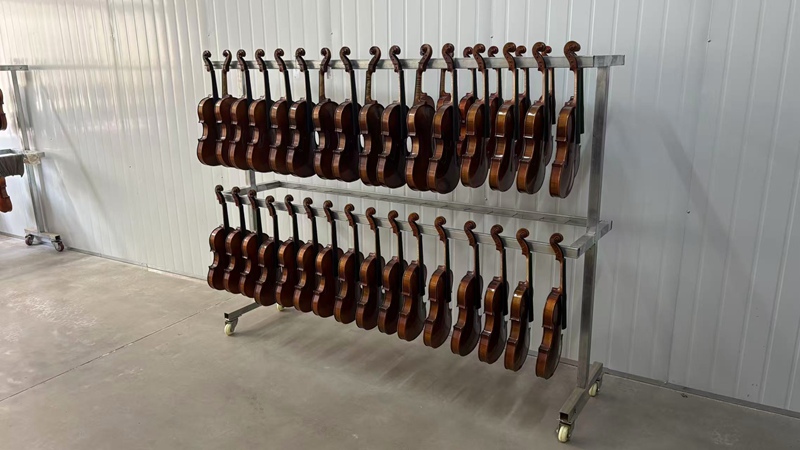
04. Drying
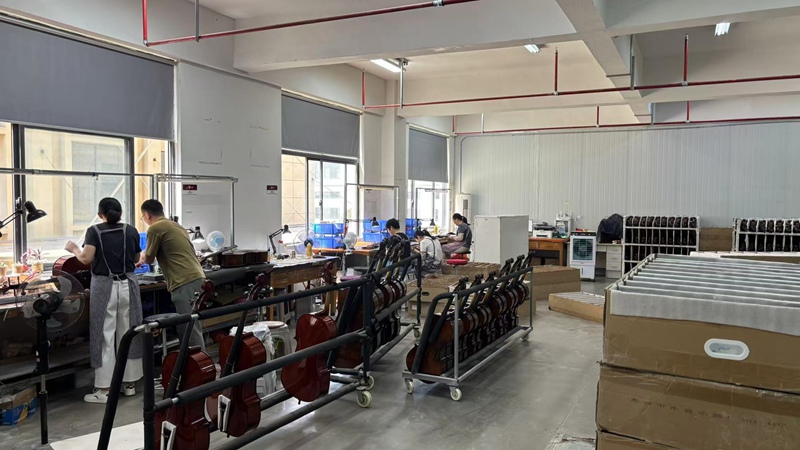
05. Assembly
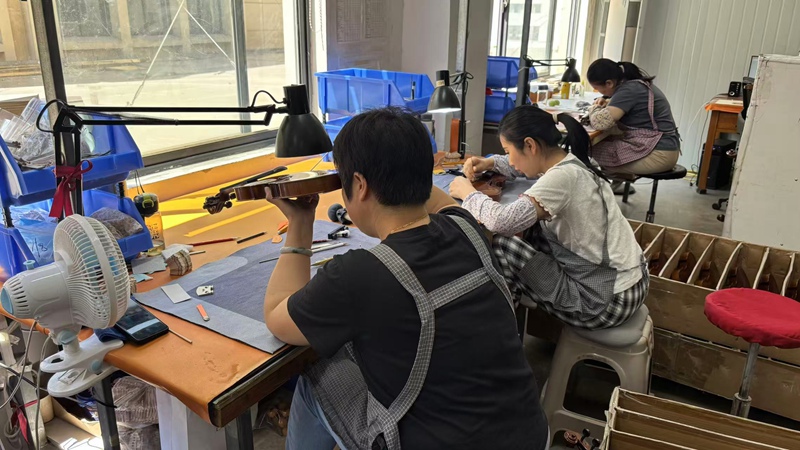
06. Debugging
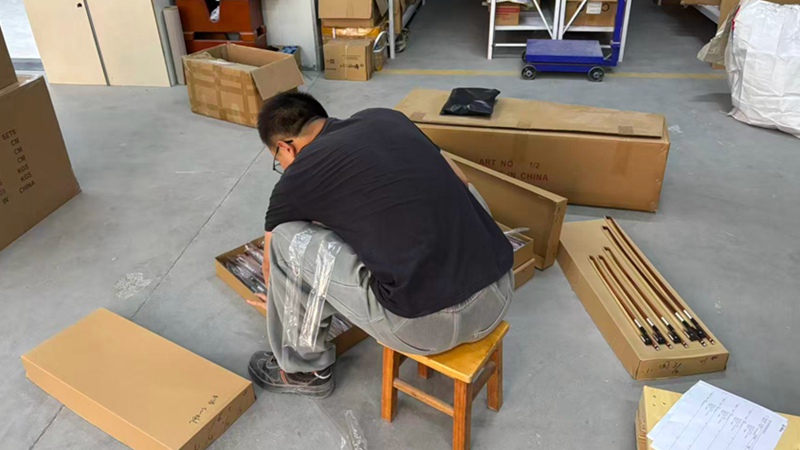
07. Inspection
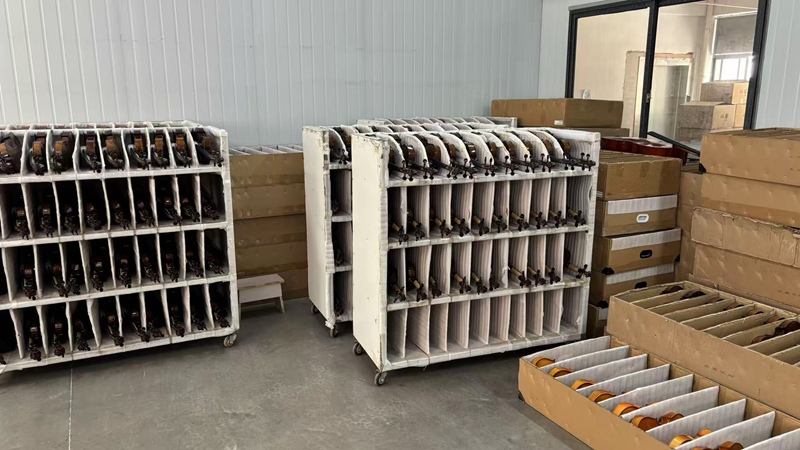
08. Package
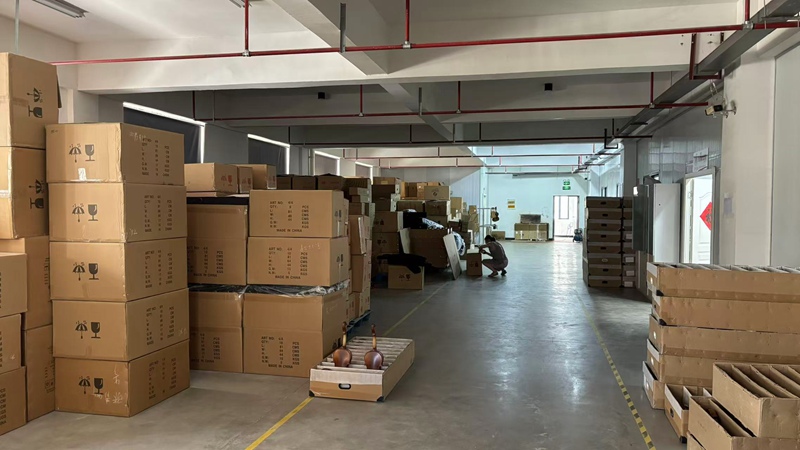
09. Storage

10. Drilling Machine
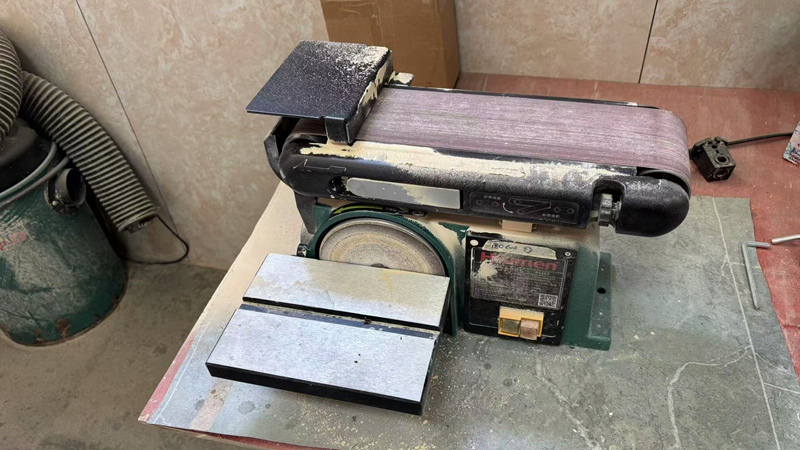
11. Grinding Machine
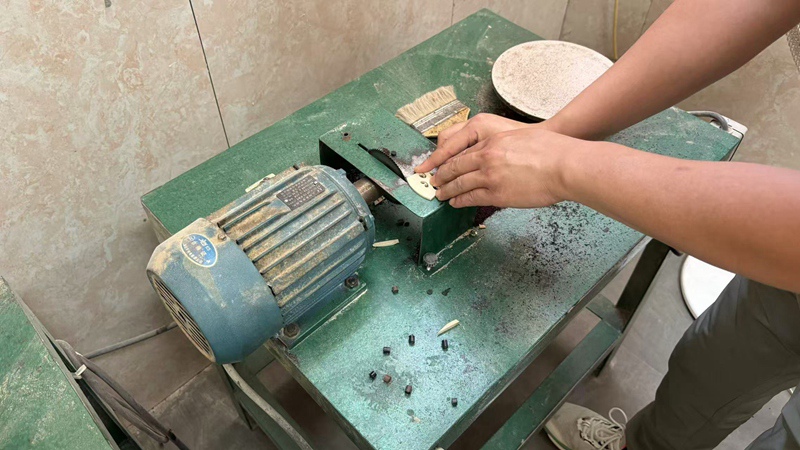
12. Saw Machine
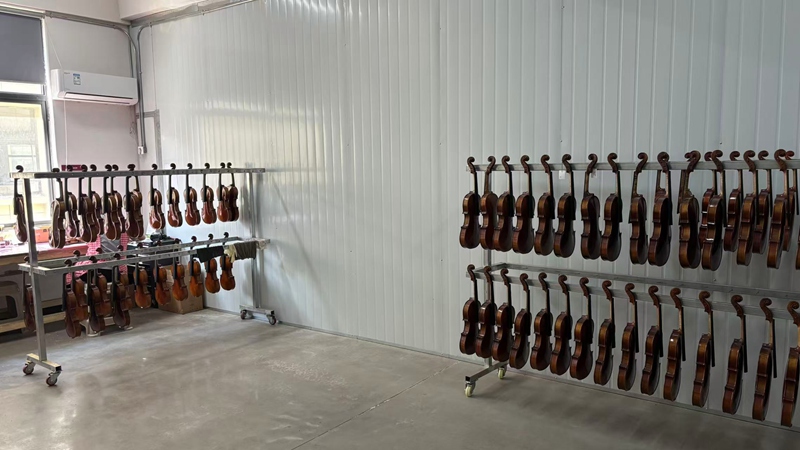
13. Dust-Controlled Painting Room
By owning every machine—from the initial saw mill to the dust-free painting room and acoustic debugging stations—we eliminate outsourcing delays, uphold ISO 9001 quality compliance, and provide transparent factory inspection access to our global partners.
5. Frequently Asked Questions by Global Accordion Buyers
Below are authoritative answers to common inquiries asked by procurement officers, importers, and e-commerce buyers when sourcing diatonic button accordions.
What is the minimum order quantity (MOQ) for OEM custom diatonic accordions?
For standard factory models (such as the 31-button 12-bass B3112SB), our MOQ starts at just 2 pieces for sample verification. For full OEM private labeling (custom badge engraving, custom bellows pattern, and branded hard cases), our minimum order quantity is typically 10 to 20 units, depending on finish complexity.
How does Chive Music Co., Ltd. prevent air leakage during international shipping?
Air leakage is prevented through a multi-stage seal process. We apply high-density natural leather gaskets backed with resilient silicone strips on all joint surfaces between the cabinet, reed blocks, and bellows frame. Additionally, every instrument is pressure-tested before moisture-proof vacuum packing for ocean container transport.
Can we request specific key voicings (e.g., GCF, FBE, ADG) within a single consolidated order?
Yes. As a direct manufacturer, we allow buyers to consolidate mixed key configurations within one shipment order. For example, a 20-piece container order can be split into 10 units in FBE (for Tex-Mex retail) and 10 units in GCF (for Latin American distribution).
What tuning standards and cent deviations are available for OEM orders?
We offer standard pitch tuning at A = 440 Hz or A = 442 Hz. Buyers can select dry tuning (+0 to +4 cents for crisp, fast play) or musette wet tuning (+8 to +15 cents for rich vibrato effect). Every instrument undergoes two-stage tuning checks in our acoustic debugging lab.
How do you assist buyers with third-party inspections and export certification?
We welcome third-party inspection agencies appointed by buyers (such as SGS, Intertek, or TÜV) to inspect production batches in our Nanjing factory. We supply complete ISO 9001 documentation, Certificates of Origin (CO), and customs clearance documentation upon request.
Start Your Diatonic Accordion OEM Sourcing Today
Get direct factory pricing, request sample builds, or speak with our senior acoustic engineers about custom key voicings and branding.