Choosing your first Folk Guitar is less about finding the most expensive instrument and more about finding one you can play comfortably. The right guitar should feel balanced on your lap, sit easily under your fretting hand, and sound pleasant at a gentle volume. A thick neck or stiff strings can make simple chords feel like hard work. Small details matter.
Guitar authority Andrés Segovia once described the instrument this way: “The guitar is a small orchestra. It is polyphonic. Every string is a different color, a different voice.” For beginners, that idea is practical: listen for a clear, even sound, not just a loud one. In this guide, we’ll compare body sizes, tonewoods, string types, and beginner-friendly features. You’ll also learn what to check in a shop, from fret edges that feel rough to tuning pegs that slip. Try a few chords before deciding. Does the guitar still feel comfortable after ten minutes? That question may matter more than a polished finish. And honestly, choosing can be confusing; online descriptions rarely tell you how an instrument will feel in your hands. A patient trial, plus advice from a knowledgeable music-shop professional, can help you choose a Folk Guitar that encourages regular practice rather than collecting dust.
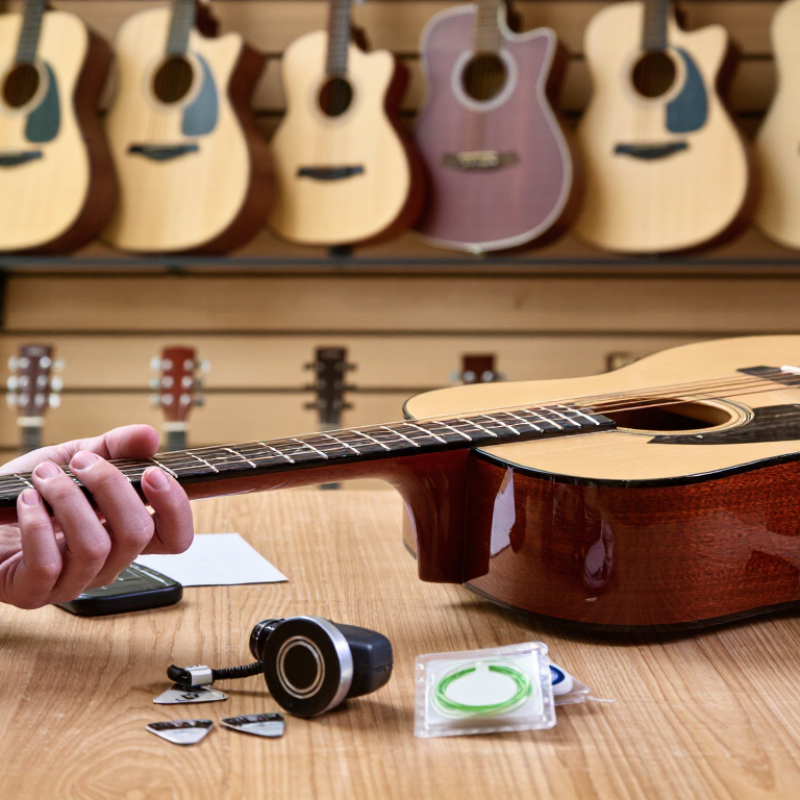
Understanding the Folk Guitar and Its Key Features
A folk guitar is usually a steel-string acoustic guitar with a comfortable body and a clear, balanced sound. Its steel strings give chords a bright edge, useful for singing and strumming, though they can feel firm on new fingertips. Nylon-string classical guitars are gentler to press, but their wider neck and softer tone suit different playing styles. “Folk” is not one fixed design. Body shapes, neck widths, and finishes vary.
Pay attention to the details you can feel. The neck should sit comfortably in your hand, and the strings should not hover painfully high above the frets. Ask a qualified music-shop technician to check the setup; small adjustments can make practice easier. A Grand View Research report estimated the global acoustic guitar market at about 1.1 billion U.S. dollars in 2022, with projected growth through 2030. That is market context, not proof that one guitar suits every beginner. Choose a manageable body size, check tuning stability, and listen for clear notes across the fretboard. One detail is easy to overthink: glossy finishes look striking, but comfort matters more. I would still test several shapes before deciding.
How to Choose the Best Folk Guitar for Beginners? - Understanding the Folk Guitar and Its Key Features
| Feature | Common Options | Beginner-Friendly Choice | Why It Matters |
|---|---|---|---|
| Body size | Parlor, concert, auditorium, and dreadnought shapes are common. Sizes and names vary between makers. | Concert or auditorium for a comfortable, balanced feel; dreadnought for a bigger sound if its body feels comfortable. | A smaller body can be easier to hold, while a larger body often produces more volume and bass. |
| Strings | Most folk guitars use six steel strings. Nylon-string guitars are a different acoustic-guitar style. | Choose a steel-string model if you want the bright, clear tone commonly associated with folk accompaniment. | Steel strings feel firmer under the fingers than nylon strings, so comfortable action and a light string gauge can help new players. |
| String gauge | Light and extra-light steel-string sets generally require less finger pressure than medium-gauge sets. | Light or extra-light strings, provided they suit the guitar and playing style. | Lighter strings can make fretting and bending easier, though they may produce slightly less volume than heavier strings. |
| Scale length | Many steel-string acoustics have a scale length of roughly 24.75 to 25.5 inches, with variations across models. | Try more than one length; a slightly shorter scale may feel easier to reach and fret. | Scale length affects fret spacing and string tension. Hand comfort is more useful than choosing by measurement alone. |
| Neck and nut width | Neck profiles and nut widths differ; many steel-string acoustics have nut widths around 1.69 to 1.75 inches. | Select a neck that lets you form chords without strain and keeps your fingers clear of neighboring strings. | A comfortable neck makes basic chords and changes easier to practice. No single width suits every hand. |
| Top wood | Solid-wood tops and laminated-wood tops are both used. Spruce and cedar are common top woods. | A well-made laminated-top guitar can be a practical, durable starting option; a solid top may be worth considering if it fits the budget. | Top construction affects tone, price, and sensitivity to changes in humidity. Solid wood generally needs more careful climate protection. |
| Cutaway | Some acoustic bodies have a cutaway near the neck; many do not. | Choose a cutaway if you expect to play notes high on the neck; otherwise, a standard body is suitable for most beginner chords. | A cutaway improves access to upper frets but is not necessary for learning common chords and strumming patterns. |
| Electronics | Acoustic-electric models include a pickup and usually a preamp; standard acoustic models do not. | Start with a standard acoustic unless you plan to connect to an amplifier or sound system. | Built-in electronics add convenience for amplified playing but are not needed for practicing acoustically. |
| Setup and action | Action is the height of the strings above the frets. A guitar can need adjustment even when it is new. | Look for comfortable, even action with no persistent fret buzz, and have the guitar checked if it feels difficult to play. | A suitable setup can make fretting easier and improve playability. Avoid strings that feel unusually high or that buzz across many frets. |
| Budget | Prices vary by country, materials, construction, and included accessories. Entry-level instruments are available at a range of price points. | Set a budget that also allows for a tuner, picks, a case or gig bag, and a possible setup. | Comfort, stable tuning, and sound quality matter more than decorative features when choosing a first instrument. |
Quick tip: If possible, hold and play the guitar before buying. Check that it feels comfortable, stays in tune, and is easy to fret; a basic clip-on tuner and regular practice are useful for beginners.
FAQS
Sit with it for several minutes. Check that your fretting hand reaches comfortably without a sharp wrist bend. Comfort comes first.
No. A smaller body may suit a shorter torso, but fit varies. Try different sizes while seated.
A dreadnought often produces strong volume and bass, but may feel bulky. Concert and parlour shapes can feel easier to hold.
Solid wood may develop more tonal complexity, but it can react more to humidity. Laminate is often practical for daily practice. Not always.
Listen for clear notes and check that strings feel easy to press. Ask a qualified shop technician to assess the setup. Small details matter.
Include the guitar, accessories, and possible setup work. Leave money for a tuner and protective case. It adds up.
A clip-on tuner, medium picks, and a padded gig bag cover basic needs. Add a strap for standing practice and spare strings once you know the correct gauge.
Not necessarily. Consider a humidifier in very dry conditions, and check your room’s climate. A large kit may include items you never use. I might be overthinking this, but comfort matters more.
Conclusion
Choosing the best Folk Guitar for a beginner starts with understanding its features and how they support different styles of music. Consider what you hope to play, whether you prefer gentle strumming, fingerpicking, or a mix of both, and how often you plan to practice. These needs can help guide your choice of guitar size, body shape, and materials, all of which influence comfort and tone.
Before buying, try to assess how easy the guitar is to hold and play. Comfortable string action, a clear sound, and solid construction can make learning more enjoyable. Set a budget that covers not only the instrument but also useful essentials such as a tuner, picks, and a protective case. A well-matched guitar does not need to be elaborate; it should feel comfortable, sound appealing to you, and encourage regular practice.
