Precision-Engineered Wholesale Instruments & Accessories
Factory-direct OEM/ODM solutions manufactured under strict ISO 9001 and CE quality guidelines for global distributors and music chains.
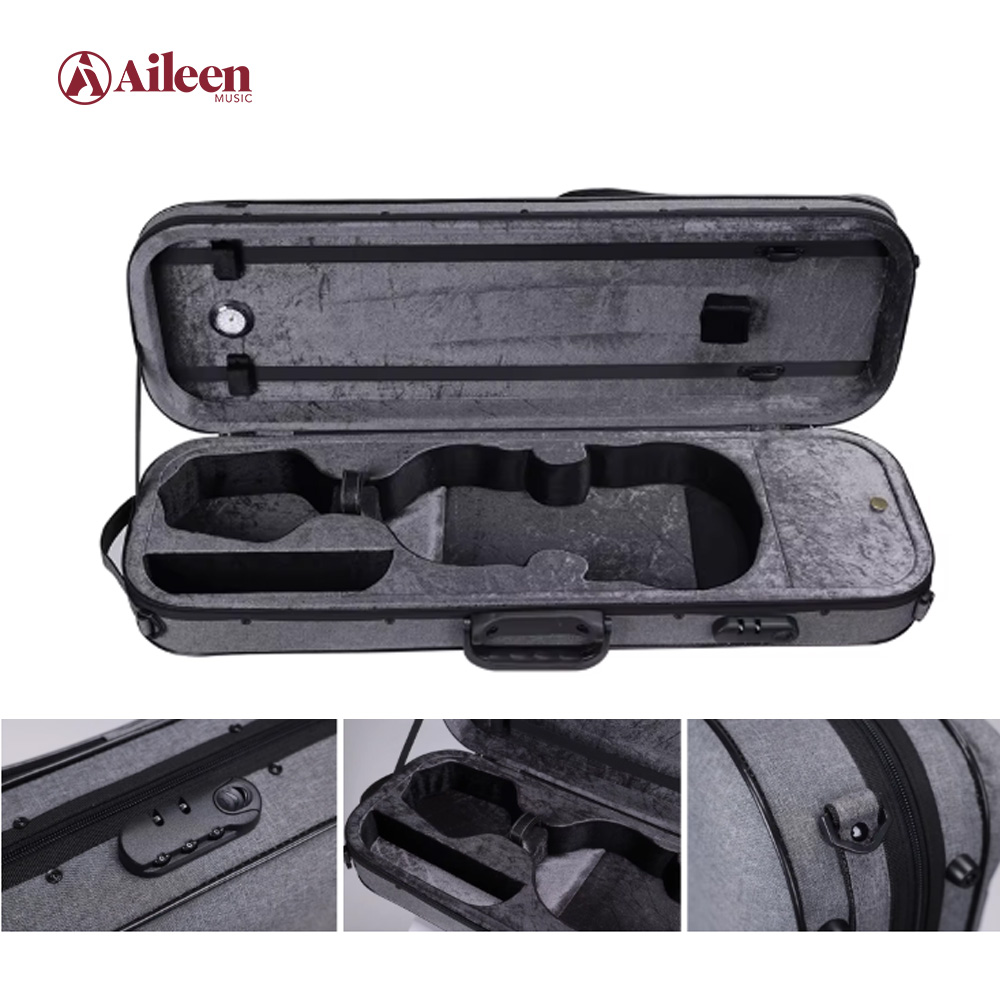
CSV327BH Oblong Shape Deluxe Foamed Light Violin Case
View Details →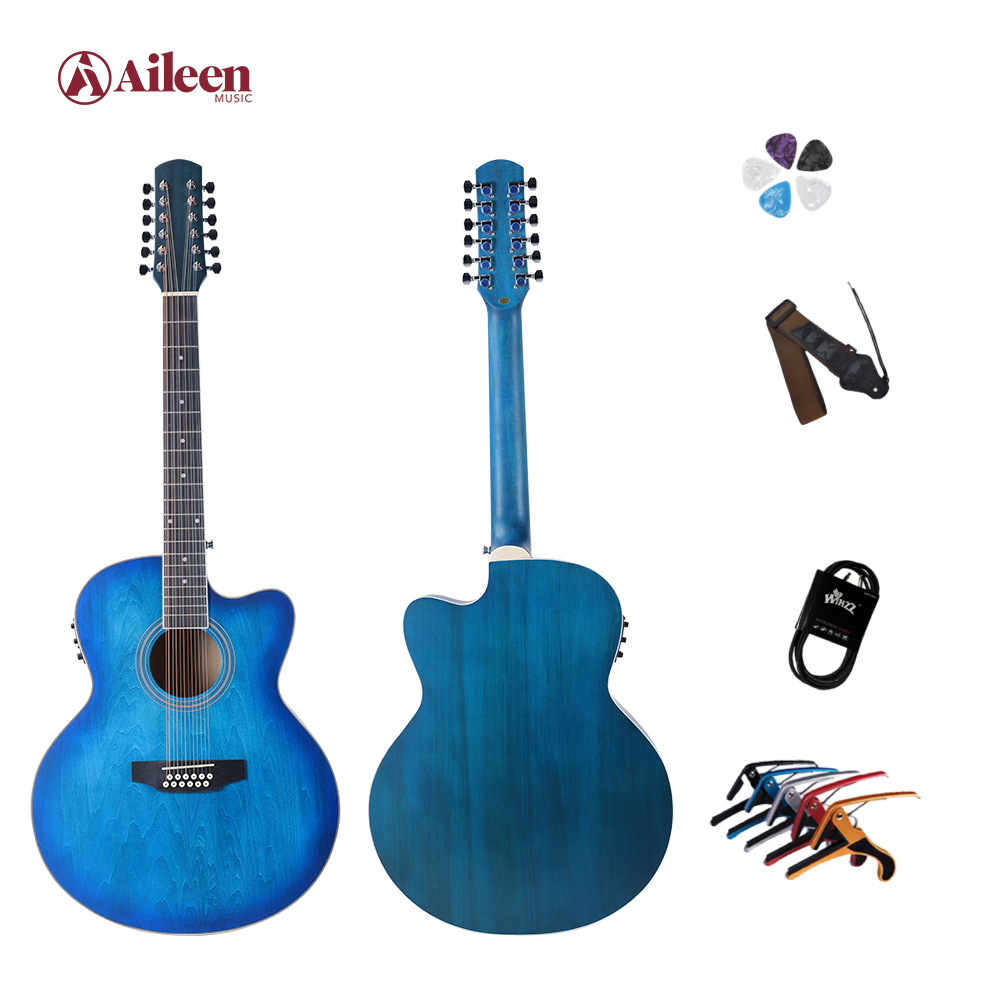
AF-H01LCE Hand Rubbed Finish 12-String Acoustic Guitar
View Details →
Aileen Babylon Deluxe Wooden Triangle Hard Violin Case
View Details →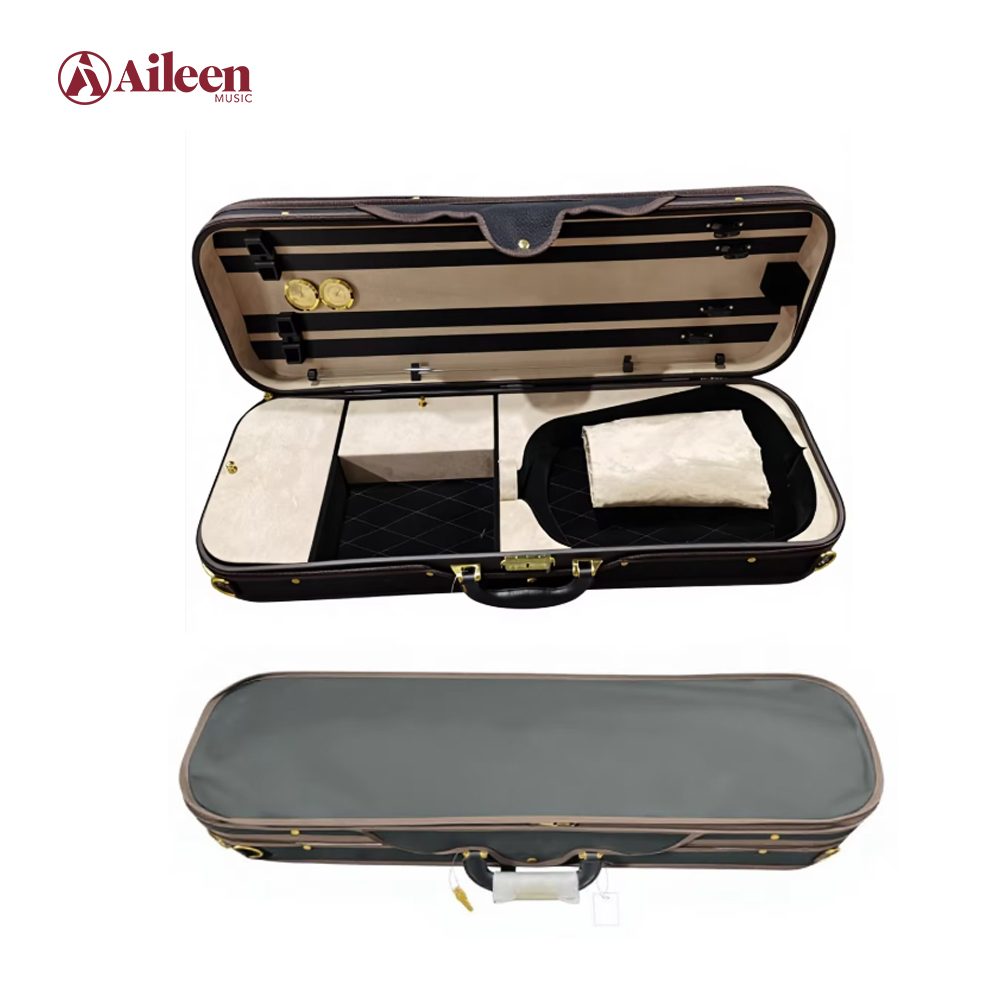
Aileen Stock Oblong Shape Deluxe Wooden Violin Case
View Details →
Professional 61-Key USB MIDI Electric Keyboard (AEK6101)
View Details →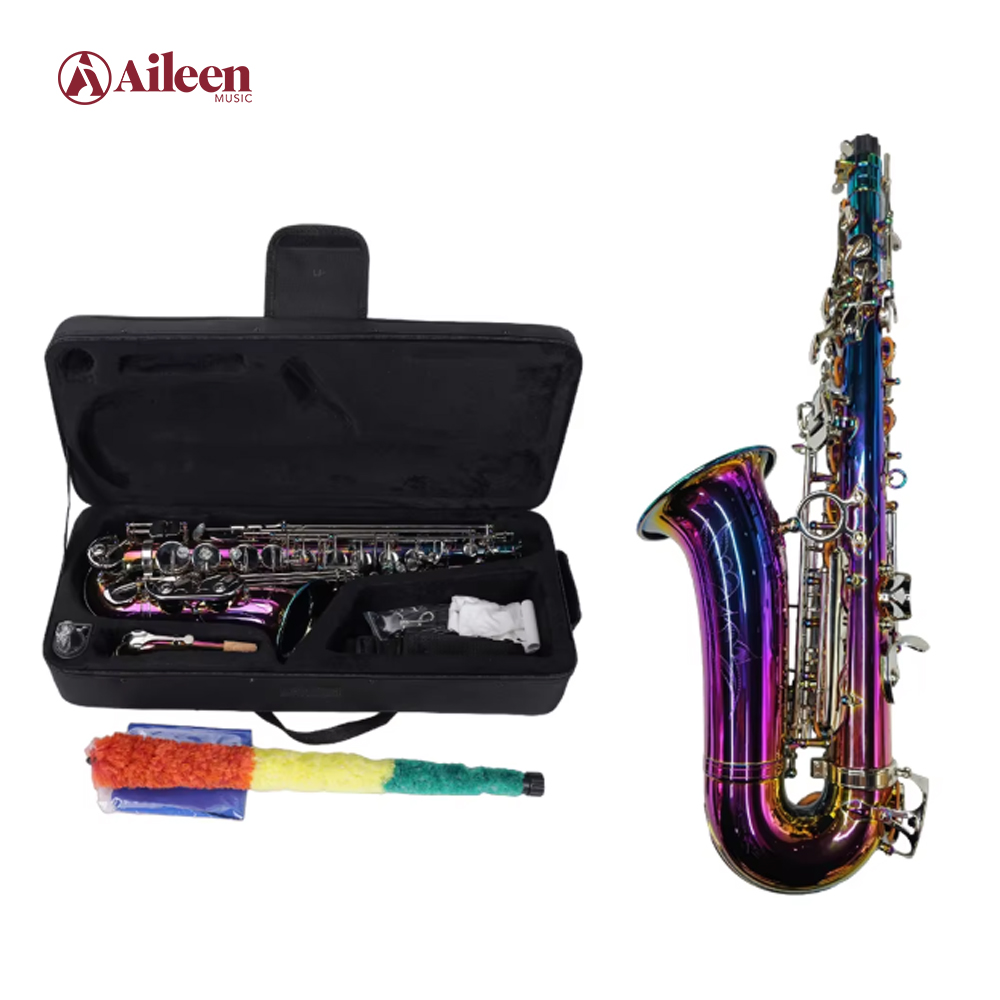
Professional Eb Brass Gold Lacquer Alto Saxophone
View Details →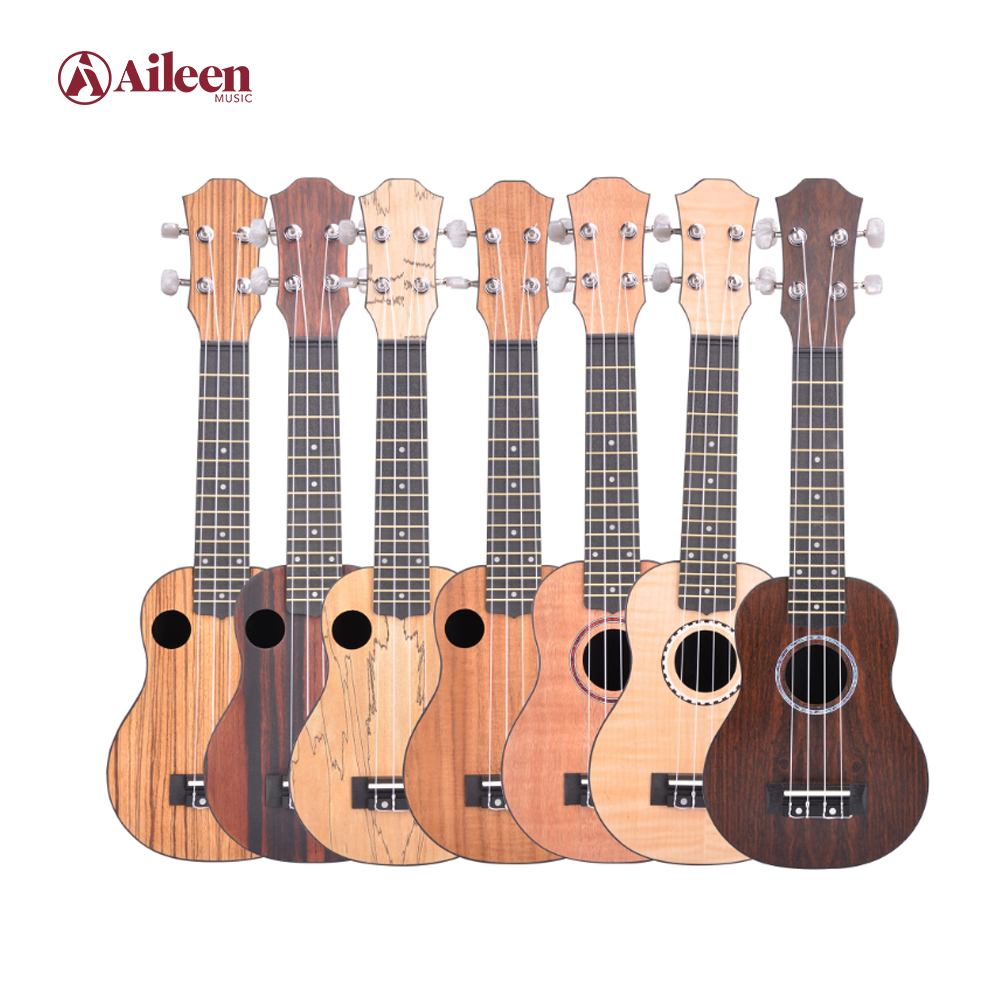
AU-P02 Wholesale 21" Composite Material Top Ukulele
View Details →
40" Student Cutaway Acoustic Electric Guitar (AF238CE)
View Details →1. Executive Industry Whitepaper: The Strategic Importance of CE Certification for Acoustic Guitar Sourcing
In the global musical instrument supply chain, the designation of a CE Certified Acoustic Guitar Manufacturer extends far beyond a simple regulatory stamp. For commercial importers, distributor networks, and retail brand owners in the European Economic Area (EEA) and global markets accepting harmonized standards, CE compliance represents a comprehensive framework of product safety, chemical non-toxicity, structural integrity, and electro-magnetic compatibility (EMC) for active acoustic-electric models.
Historically, acoustic guitars were viewed strictly as traditional woodworking products. However, modern global trade directives treat musical instruments as complex consumer goods subject to stringent chemical and physical safety standards. Ensuring that acoustic guitars, particularly entry-level student models and professional acoustic-electric variants, satisfy CE parameters requires specialized manufacturing infrastructure, audited raw material supply chains, and precise climate-controlled processing.
1.1 Chemical Safety & REACH/EN71 Non-Toxicity Mandates
The primary pillar of CE compliance for acoustic stringed instruments focuses on consumer exposure to volatile organic compounds (VOCs), phthalates, heavy metals, and toxic plasticizers. Modern acoustic guitar manufacturing utilizes various chemical compounds in polyurethane (PU), nitrocellulose, and hand-rubbed oil finishes, as well as binding glues, fretboard adhesives, and synthetic body components.
- Finishes and Lacquers (EN 71-3 Compliance): Heavy metals such as lead, cadmium, mercury, and chromium VI must not be present in surface lacquers. Our factory utilizes high-grade, eco-friendly UV-cured water-based and polyurethane finishes that eliminate toxic off-gassing and satisfy EU child safety directives.
- Adhesives & Binding Agents: High-stress structural joints—such as neck dovetails, soundboard X-bracing, and bridge plates—require high-performance aliphatic resin glues that resist shear strain while remaining completely free from restricted formaldehyde emissions.
- Nickel Migration in Fret Wire: CE directives restrict nickel release from items coming into direct, prolonged contact with human skin. Our fretboards utilize certified nickel-silver or stainless steel alloys that pass stringent EN 1811 leaching tests, preventing contact dermatitis among musicians.
1.2 Physical, Mechanical, and Structural Engineering Standards
Structural reliability under continuous tension is critical. A standard 6-string steel acoustic guitar exerts between 150 to 180 lbs (68 to 82 kg) of constant pull on the soundboard, bridge, and neck joint. A 12-string variant, such as our AF-H01LCE Hand-Rubbed Finish 12-String Acoustic Guitar, can exceed 250 lbs of tension.
1.3 Electro-Magnetic Compatibility (EMC) in Acoustic-Electric Preamps
For cutaway acoustic-electric models equipped with onboard piezo pickups, active preamps, and digital tuners (e.g., model AF238CE), CE certification requires compliance with the EMC Directive 2014/30/EU. Internal preamp circuits must not emit spurious radio-frequency interference (RFI) that disturbs nearby electronic equipment, nor can they be susceptible to electromagnetic hum caused by mobile phones, stage lighting dimmers, or wireless transmission gear.
2. Technical Manufacturing Standards & Acoustic Engineering Precision
Achieving superior acoustic resonance, tone projection, and structural longevity demands a harmonic balance between traditional luthiery hand-craftsmanship and state-of-the-art industrial automation. Below is an architectural overview of our manufacturing procedures designed to yield stable instruments for global distribution.
Computer-Controlled Kiln Drying (EMC)
Raw tonewoods undergo a multi-month seasoning process followed by automated dehumidification kilns, stabilizing moisture levels to an exact 8% - 12% threshold to prevent body cracking in dry or humid export destinations.
CNC Soundboard Bracing Optimization
Utilizing high-precision CNC routers, our scalloped forward-shifted X-bracing patterns maximize soundboard flex for rich bass response while maintaining high structural rigidity behind the bridge plate.
Laser-Guided Fret Dress & Intonation
Frets are pressed using hydraulic multi-point jigs and leveled with computer-guided plek-style dressing machines, guaranteeing buzz-free low action down to 1.8mm at the 12th fret.
Ultra-Thin Protective Micro-Finishes
Acoustic soundboards require ultra-thin coating thickness (less than 0.15mm) so as not to damp high-frequency overtone vibrations, achieved via automated robotic electrostatic spray booths.
2.1 Tonewood Engineering & Sustainability Matrix
Selecting appropriate tonewood combinations directly affects string energy transfer, tone profile, and price positioning. The matrix below outlines our standardized OEM wood selection guidelines:
| Instrument Component | Primary Tonewood / Material | Acoustic Characteristics | Target Market Level |
|---|---|---|---|
| Soundboard (Top) | Solid Sitka Spruce / AAA Engelmann | High velocity of sound, wide dynamic range, crystal highs | Intermediate to Professional OEM |
| Soundboard (Student) | Selected Spruce / Laminated Agathis | High impact resistance, consistent tone, climate stability | School & Entry-Level Retail |
| Back & Sides | African Mahogany / Sapele / Rosewood | Warm midrange resonance, full bass response, visual grain | All Tiers (Solid or High-Density Laminates) |
| Fingerboard & Bridge | High-Density Technical Wood / Ebony / Rosewood | CITES-free compliance, zero humidity shrinkage, smooth friction | Global Export Standard |
3. Global Procurement Trends & Market Dynamics (2025–2030)
As the international musical instrument market evolves, procurement managers and B2B buyers face shifting consumer expectations, changing environmental regulations, and logistics complexities. Staying competitive requires aligning with manufacturing partners who proactively innovate in materials science and distribution efficiency.
3.1 CITES Regulatory Compliance & Eco-Alternative Materials
Strict enforcement of CITES Appendix II regulations regarding traditional rosewood species (Dalbergia) led to significant customs delays and administrative overhead for international importers over the past decade. Modern wholesale procurement strategies heavily favor CITES-Free Alternative Materials, such as thermally modified maple, high-density engineered tech-wood, and synthetic composite fingerboards (such as those integrated into our AU-P02 Composite Top Ukulele line). These materials match the acoustic density of ebony while guaranteeing friction-free customs clearance worldwide.
3.2 Smart Acoustic-Electric Hybrid Technology
Market demand is expanding rapidly for "Smart" acoustic guitars. Today's musicians expect onboard acoustic-electric systems that include built-in digital effects (reverb, delay, chorus) produced directly from the soundboard without plugging into external amplifiers, alongside integrated Bluetooth audio playback and USB-C rechargeable preamp modules. Factory partners capable of integrating advanced onboard PCB circuitry while preserving traditional acoustic air volume are leading the market growth curve.
3.3 Consolidated Multi-Category Shipments for Inventory Optimization
Carrying inventory risk is a primary concern for regional distributors and school procurement contractors. Rather than placing full-container orders of a single SKU, modern buyers rely on multi-category factory partners who allow mixed-container consolidation. Our Nanjing manufacturing and consolidation center allows buyers to combine acoustic guitars, electric keyboards (e.g., AEK6101), orchestral strings, band instruments (e.g., ASP-G1003X Saxophones), and protective cases (e.g., CSV327BH) within a single container loading schedule.
4. Enterprise Infrastructure & Competitive Manufacturing Advantage
Chive Music Co., Ltd. (operating in conjunction with Aileen Music heritage) represents over three decades of continuous export excellence, establishing itself as an authoritative leader among Chinese musical instrument manufacturers.
Established 1993
Over 30 years of specialized instrument manufacturing, global export experience, and OEM brand development across 100+ countries.
Industry Recognition
Ranked No. 195 in the Music Trades Global 225 suppliers (2017) and awarded AAA Grade Credit Enterprise by the China Musical Instrument Association.
Global Credentials
Permanent NAMM show member since 2003, CCPIT member since 2005, and fully audited by Bureau Veritas (BV), SGS, and TÜV Rheinland.
4.1 Comprehensive 13-Step Factory Quality Control System
To eliminate defects prior to container loading, every production lot passes through our 13-step documented quality control checkpoint line:
- Raw Tonewood Inspection: Moisture content verification using calibrated probe meters.
- Rough Machining & CNC Profiling: Precision shaping of necks, soundboard tops, and back plates.
- Climate-Controlled Moisture Equilibration: Secondary rest cycle in humidity-controlled chambers.
- Sub-Assembly Gluing: Ultrasonic and pressure-jig bracing placement checks.
- Neck Joint Fitting: Laser-alignment of neck dovetails for precise string trajectory.
- Polishing & Surface Leveling: Multi-stage hand and mechanical sanding.
- Dust-Free Spraying & UV Curing: Automated coating thickness control (micrometer verified).
- Controlled Finish Curing: Extended drying racks under constant temperature monitoring.
- Hardware & Electronic Installation: Tuner mounting, pickup soldering, and preamp seating.
- Acoustic Setup & Debugging: Nut/saddle filing, action height adjustment, and intonation check.
- Playability & Resonance Testing: Hand-play check for string buzz, dead spots, and preamp output.
- Final Cosmetic Audit: 360-degree inspection under high-intensity LED light hoods.
- Export Packaging Integrity Check: Drop-tested carton packaging, moisture-absorbent desiccant insertion, and heavy-duty corner protection.
5. Frequently Asked Questions (FAQ) for B2B Importers & Brand Owners
Below are authoritative responses to common inquiries regarding minimum order quantities, private labeling, compliance verification, and international logistics.
How do you verify CE compliance and non-toxicity for custom OEM orders?
What are the Minimum Order Quantities (MOQs) for wholesale and private-label guitars?
Can we consolidate different instrument categories within a single import container?
How do you protect wood instruments from cracking during long ocean freight transit?
What is the standard lead time for OEM production and pre-shipment sampling?
Partner with a Leading CE Certified Guitar Manufacturer
Expand your instrument catalog with reliable factory pricing, audited quality compliance, and flexible OEM/ODM terms. Request product catalogs, wholesale pricelists, or pre-production samples today.
Contact Us