Featured Wholesale Instruments & Accessories
Verified factory-direct products engineered for international retail brands, education programs, and global distributors.


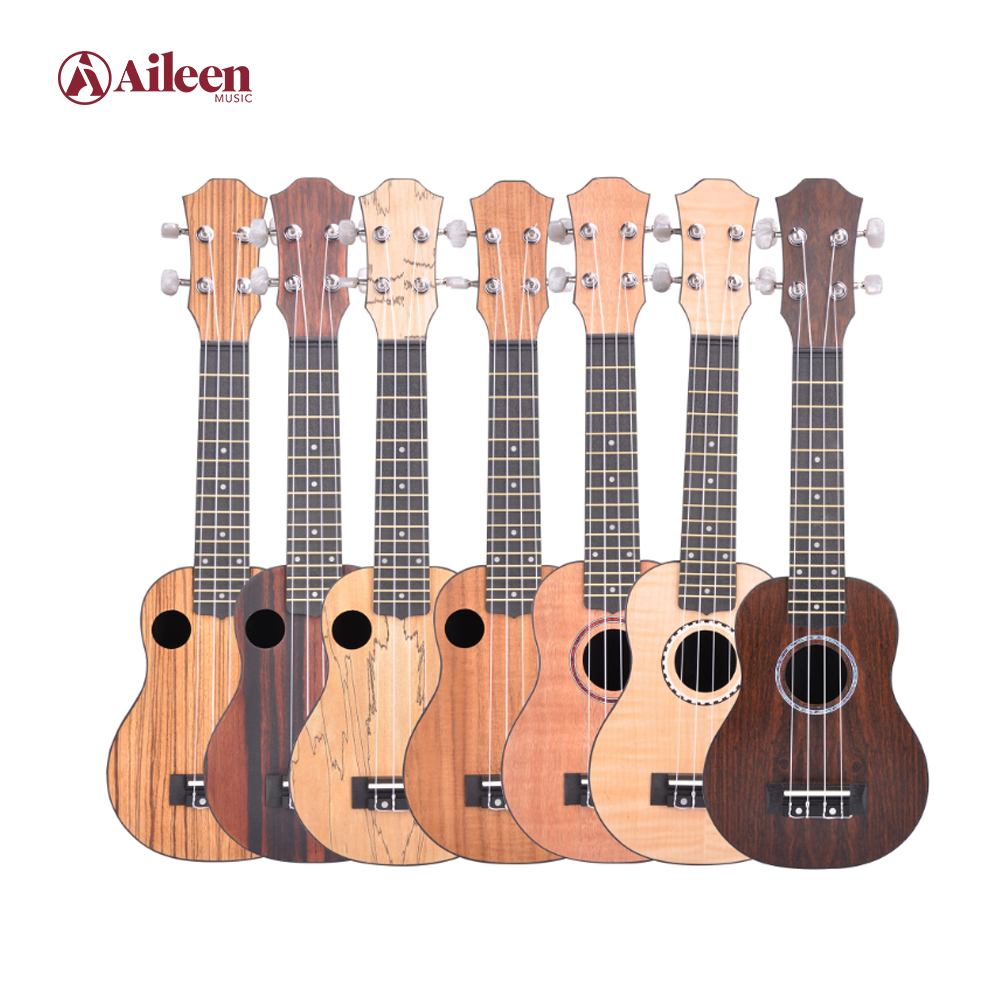

Executive Technical Summary: Sourcing Certified Beginner Guitars
Navigating the international musical instrument market requires more than evaluating acoustic resonance and unit cost. For commercial procurement managers, educational institution buyers, and private-label distributors across Europe, North America, and Asia-Pacific, selecting premier CE certified beginner guitar manufacturers is a crucial risk-mitigation strategy.
Entry-level acoustic and electric guitars imported into modern commercial channels must adhere to stringent chemical, mechanical, and electronic safety mandates. Non-compliant musical instruments face customs seizures, severe regulatory fines under EU REACH and RoHS frameworks, and consumer brand liability. This whitepaper analyzes manufacturing benchmarks, wood seasoning methodologies, compliance protocols, market procurement trends, and factory selection guidelines to empower institutional B2B buyers.
What "CE Certified" Means in Musical Instrument Manufacturing
While many B2B purchasers associate CE marking primarily with high-voltage electronics, a fully certified beginner guitar manufacturer must comply with several intersecting directives to legally bear the CE mark in European and global markets.
EN 71-3 Heavy Metals Safety
Mandates strict migration limits for 19 toxic heavy metals (including lead, cadmium, and organotin) present in nitrocellulose or polyurethane body lacquers, binding adhesives, and fingerboard finishes. Vital for youth/student instruments.
EU REACH (EC) No 1907/2006
Restricts Substances of Very High Concern (SVHC) such as phthalates in PVC soft guitar bags, plastic tuning pegs, body binding, and synthetic nut/saddle materials. Guarantees non-toxic tactile contact.
EMC Directive & RoHS 3
Applies to acoustic-electric beginner models equipped with piezo pickups, active preamps, and digital tuners. Assures electro-magnetic non-interference (2014/30/EU) and lead-free circuit soldering (2015/863).
Direct Comparison: Certified vs. Non-Certified Beginner Guitar Manufacturing
| Technical Benchmark | CE Certified Manufacturing Standard | Uncertified / Low-Cost Workshop Standard |
|---|---|---|
| Wood Moisture Content (MC) | Controlled 8% – 12% via automated vacuum kiln drying | Air-dried or unmonitored (>16% MC), causing neck warping |
| Surface Finish Lacquer | Phthalate-free, non-toxic water-borne or UV cured polyurethane | High-VOC industrial chemical paint containing lead/solvents |
| Frets & Fingerboard Edge | Precision CNC slotted, hand-beveled fret ends (smooth roll) | Sharp fret spiles, rough fret wire edges causing finger damage |
| Onboard Electronics (EQs) | CE / RoHS / FCC certified preamps with shielded wiring | Unscreened wiring, high hum/noise floor, hazardous solder joints |
| Customs & Legal Protection | Full documentation, zero risk of port quarantine or fines | Risk of total cargo destruction or regulatory recall fines |
Anatomic Lutherie & Industrial Manufacturing Process
Producing an entry-level instrument that balances structural durability, player comfort, and acoustic performance requires state-of-the-art lutherie engineering. Beginners are particularly sensitive to playability factors; a high string action or uneven frets will cause early student drop-out, driving up return rates for retail brands.
1. Tonewood Selection & Climate Seasoning Protocols
Acoustic stability begins at the wood source. Top-tier factories utilize selected tonewoods—Spruce (Picea abies/Picea sitchensis) for acoustic tops, Linden (Tilia americana) or Mahogany (Khaya ivorensis) for back and sides, and Maple or Nato for necks.
The Vacuum Drying Difference: Raw timber undergoes computer-controlled vacuum kiln drying to stabilize moisture content between 8% and 10%. Afterwards, cut billets spend 60 days in humidity-regulated aging chambers (45%-55% RH at 22°C). This prevents cracks, top sinking, and neck warping when guitars are shipped across different global climate zones.
2. Precision Neck Joint & Truss Rod Engineering
The neck-to-body connection is the central mechanical stress point of any fretted instrument. Certified manufacturers deploy CNC automated dovetail neck joints with high-frequency heated wood clamping.
Dual-Action Truss Rod Integration: Every beginner steel-string acoustic and electric guitar incorporates a dual-action carbon-steel truss rod inside the neck core. This enables positive and negative relief adjustments, allowing technicians and end-users to counteract string tension shifts caused by seasonal humidity changes without risking neck failure.
3. Acoustic Bracing Dynamics & Soundboard Tuning
Structural integrity must not choke tone. Modern high-volume beginner guitar manufacturing uses scalloped X-bracing on dreadnought and jumbo acoustic models.
By strategically profiling spruce brace beams via automated 5-axis CNC routers, soundboards maintain maximum structural rigidity under 160 lbs of steel string tension while optimizing lower-frequency resonance and projection.
Enterprise Heritage & Factory Capability: Chive Music Co., Ltd.
Rooted in over 30 years of manufacturing mastery, Chive Music Co., Ltd. (also known in international trade circles as Aileen Music) represents the pinnacle of Chinese musical instrument manufacturing and global export leadership.
Global Industry Recognition & Quality Credentialing
- Established 1993: Over three decades of continuous OEM/ODM exportation to 100+ countries.
- NAMM Permanent Member: Official member of the International Music Products Association since 2003.
- Music Trades Top 225: Ranked No. 195 among the world's top musical instrument suppliers in 2017.
- CMIA AAA Credit Enterprise: Top-tier credit rating from the China Musical Instrument Association.
- ISO 9001 & Bureau Veritas Audited: Facilities audited and verified by BV, SGS, and TÜV Rheinland.
- Proprietary Flagship Brands: Innovators behind Winzz (Guitars/Ukuleles), Lexington (Band/Percussion), and Chive Strings.
Future Procurement Trends in the Beginner Guitar Market (2025–2030)
The market for beginner and entry-level musical instruments is evolving rapidly, driven by shifting buyer demographics, environmental legislation, and technology integration. B2B importers must align their purchasing strategies with four upcoming procurement trends:
01. Shift to Eco-Conscious Tonewoods & HPL
Strict CITES restrictions on Rosewood (Dalbergia) and endangered timber species have accelerated the adoption of FSC-certified alternative tonewoods, engineered wood fingerboards, and High-Pressure Laminate (HPL) tops. HPL offers extreme climate resistance, zero warping, and consistent acoustic velocity at lower price points.
02. Integrated "Smart" Onboard Preamps
Beginner acoustic-electric guitars increasingly feature actuator-based onboard pickups that project Reverb, Delay, and Chorus directly from inside the unamplified guitar body (as demonstrated in our patented AV-D501 series). Novices can enjoy rich spatial effects without investing in external amplifiers.
03. Retail-Ready Bundle Consolidation
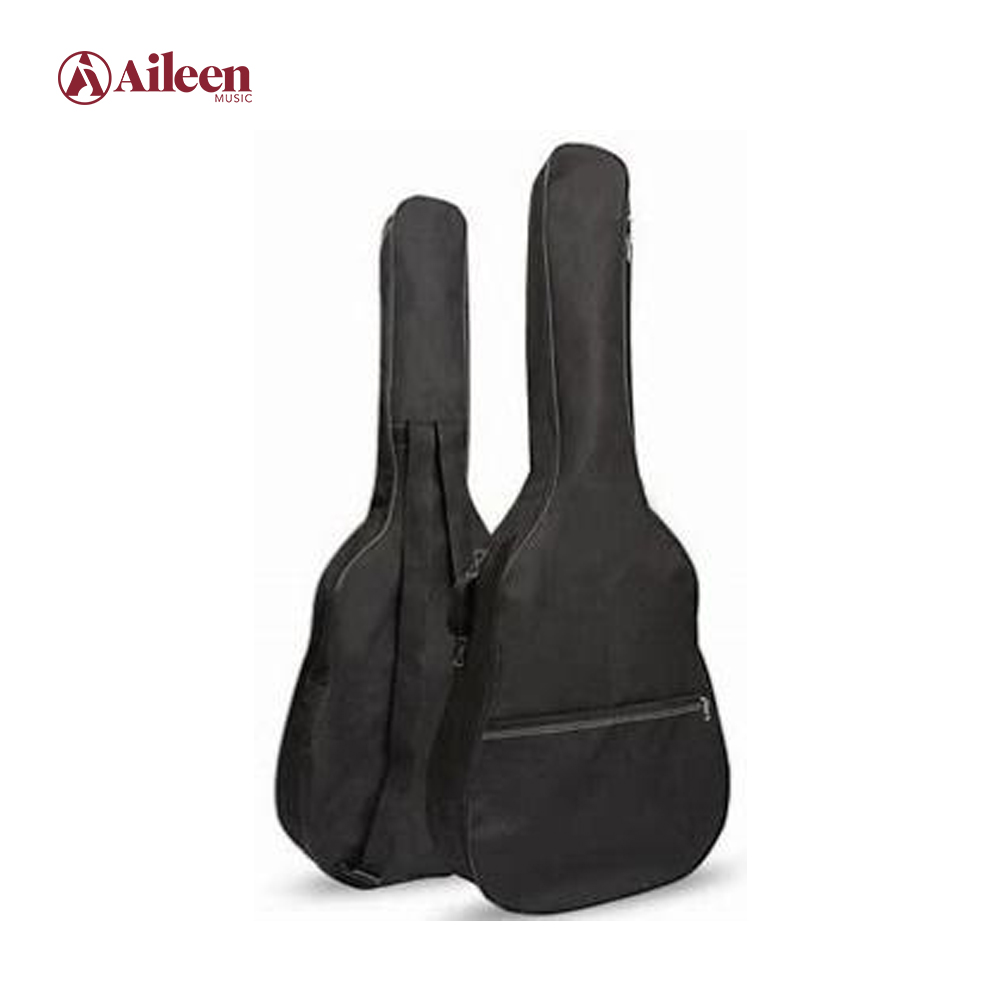
Distributors now demand "All-in-One" OEM packages. Factories are expected to supply custom-branded retail boxes containing the CE certified guitar, 600D Oxford padded gig bag, digital tuner, capos, extra strings, strap, and instructional QR code cards—reducing warehouse handling costs.
Product Development & Technological Trends
Advancements in factory automation have fundamentally reshaped entry-level guitar manufacturing, yielding tolerances once reserved exclusively for custom-shop instruments.
Automated 5-Axis CNC Milling & Zero-Fret Innovation
Traditional manual neck carving yields subtle batch variations. Modern CE certified guitar production relies on automated 5-axis CNC machining centers. This guarantees that every neck profile (e.g., Slim C-Shape optimized for smaller beginner hands) maintains exact thickness tolerances (21mm at 1st fret, 22.5mm at 12th fret).
Furthermore, integrating zero-frets at the nut position normalizes open-string action height, virtually eliminating tuning fatigue and hand strain for first-time players.
Ultra-Thin Polyurethane Finishing via Robotic Electrostatic Spraying
Excessively thick paint layers deaden acoustic resonance. Advanced guitar plants use climate-controlled robotic electrostatic spray booths. This process deposits a perfectly uniform finish layer of under 0.25mm thickness, maximizing top vibration while complying with strict volatile organic compound (VOC) environmental standards.
Frequently Asked Questions (FAQ) for B2B Importers
Essential compliance, operational, and commercial insights for professional instrument buyers.
Factory Quality Management & Inspection Protocol
Our 4-stage internal quality gate ensures zero-defect delivery across all commercial production runs.
Raw Material & Wood Moisture Verification
Digital pinless moisture meters check every wood slab. Raw lacquers, bindings, and hardware undergo XRF spectrometer heavy metal screening before entering production lines.
In-Line Machining & Fretting Check
Laser alignment tools verify fretboard flatness, nut slot depths, and bridge placement accuracy within ±0.1mm tolerances during body-neck assembly.
Acoustic Playability & Action Setup
Master luthiers perform manual fret crowning, action setup (12th fret height E1: 2.0mm, E6: 2.5mm), electronic sound checks, and tuning stability stress tests.
Partner with a World-Class CE Certified Guitar Manufacturer
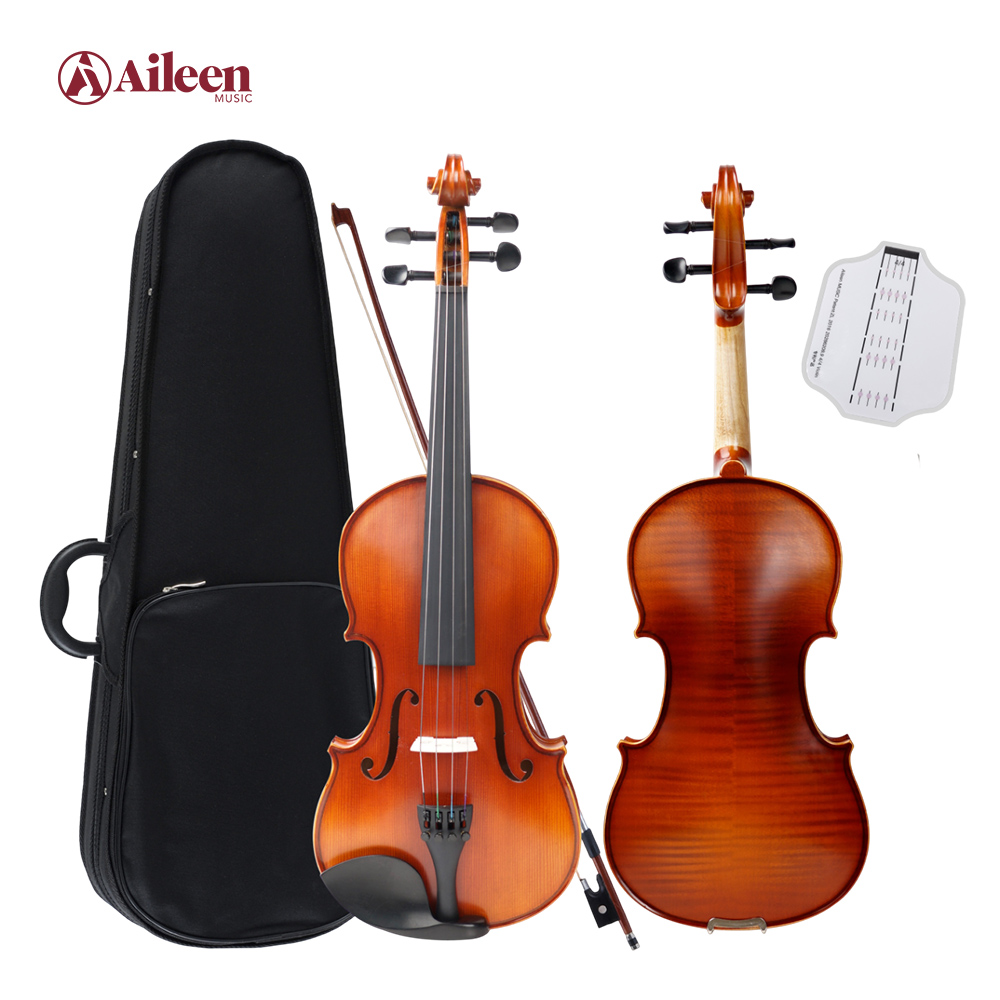
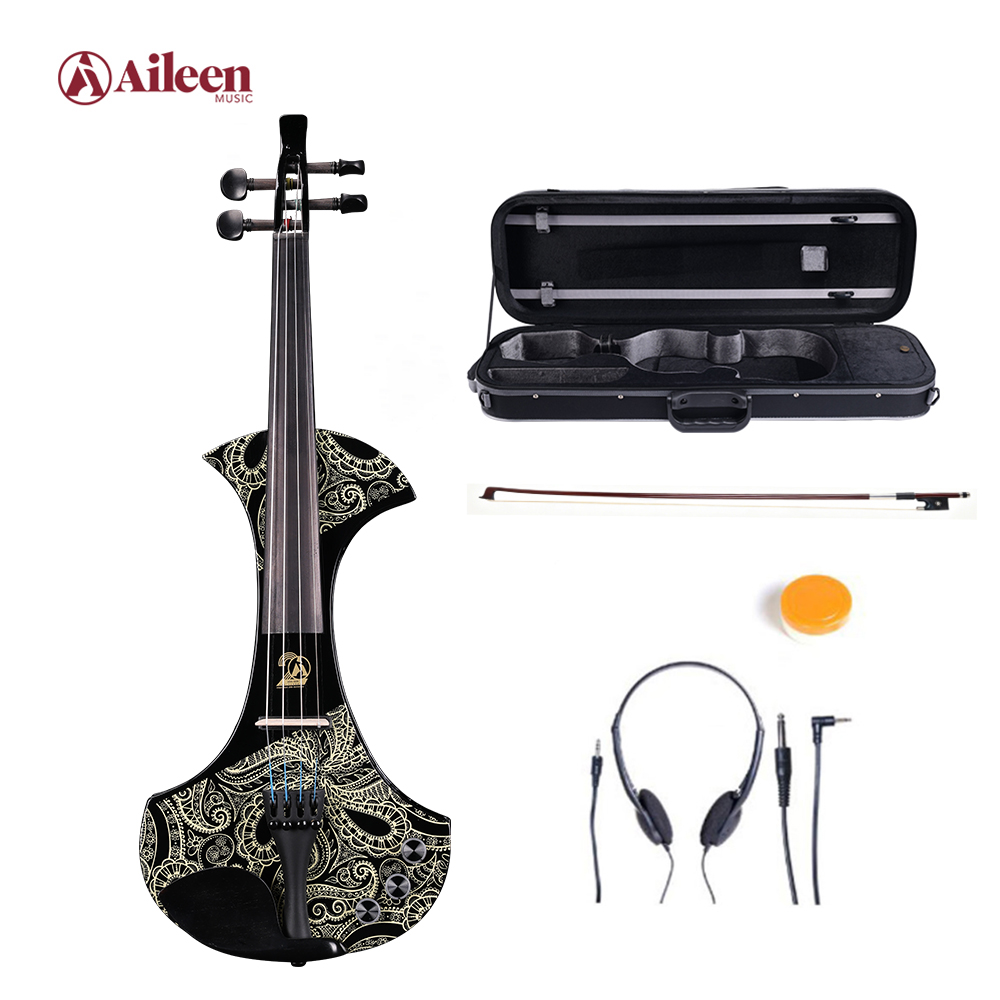
Elevate your retail product catalog with compliant, masterfully crafted beginner guitars, violins, and band instruments. Connect directly with our OEM/ODM export team today for OEM catalog requests, sample arrangements, and instant factory quotes.
Inquire Now