Featured Precision Instruments & Supplies
Verified B2B inventory ready for global commercial distribution. Rigorous multi-point quality assurance, certified compliance, and private-label readiness.
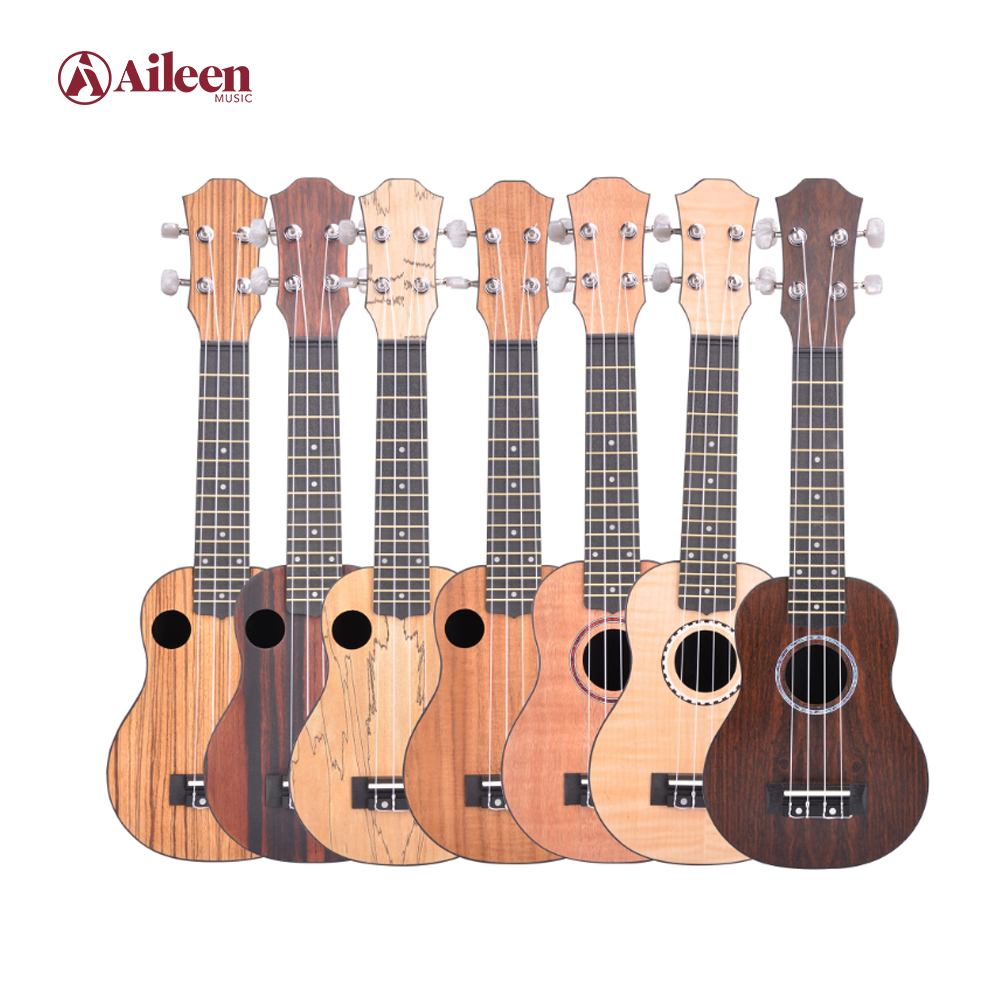
AU-P02 Wholesale 21'' Composite Material Top Options Ukulele
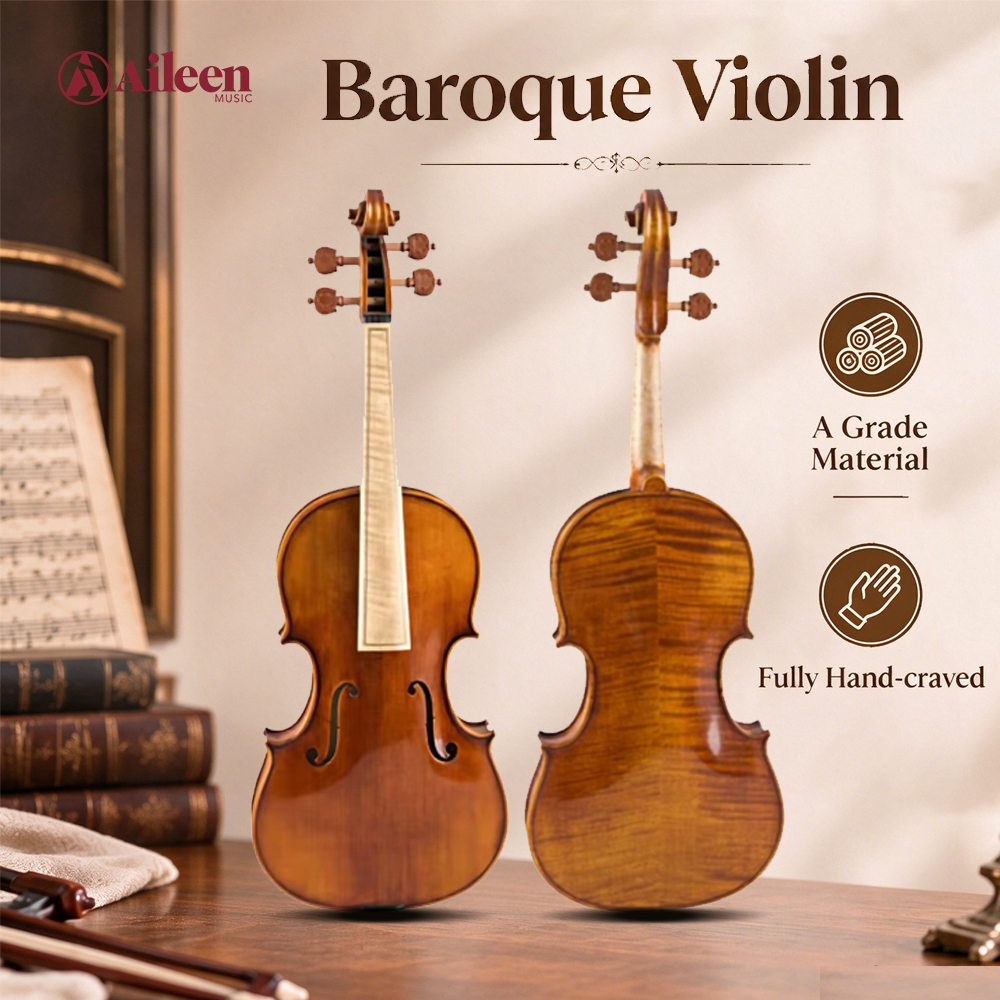
Exceptional Price Baroque Violin, 4/4 Universal Violin (VH550Z-A)
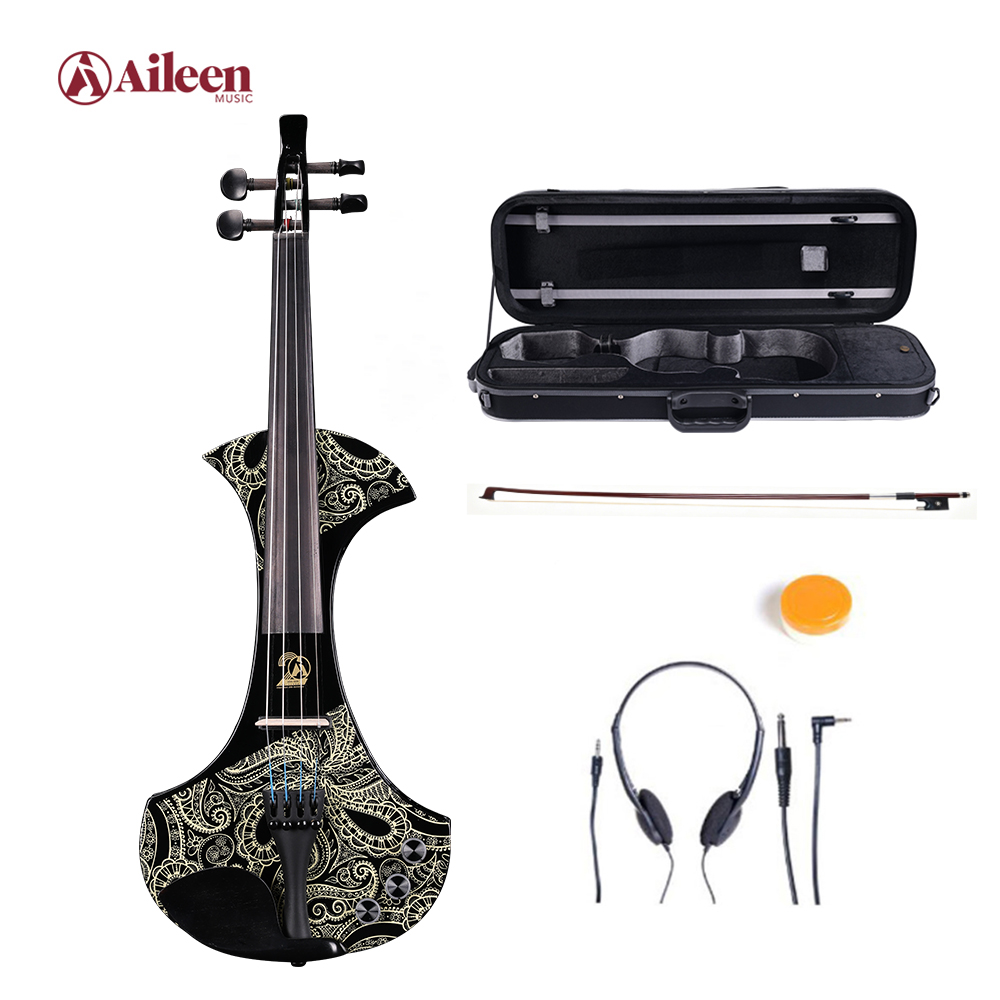
AV-D501 New Patented Design Reverb/Delay/Chorus Function 4/4 Electric Violin

CL-R11 10 Pcs/box 1 1/2 - 3 1/2 High-grade Reed Clarinet Reed

34 Button 12 Bass Diatonic Button Accordion (B3412)
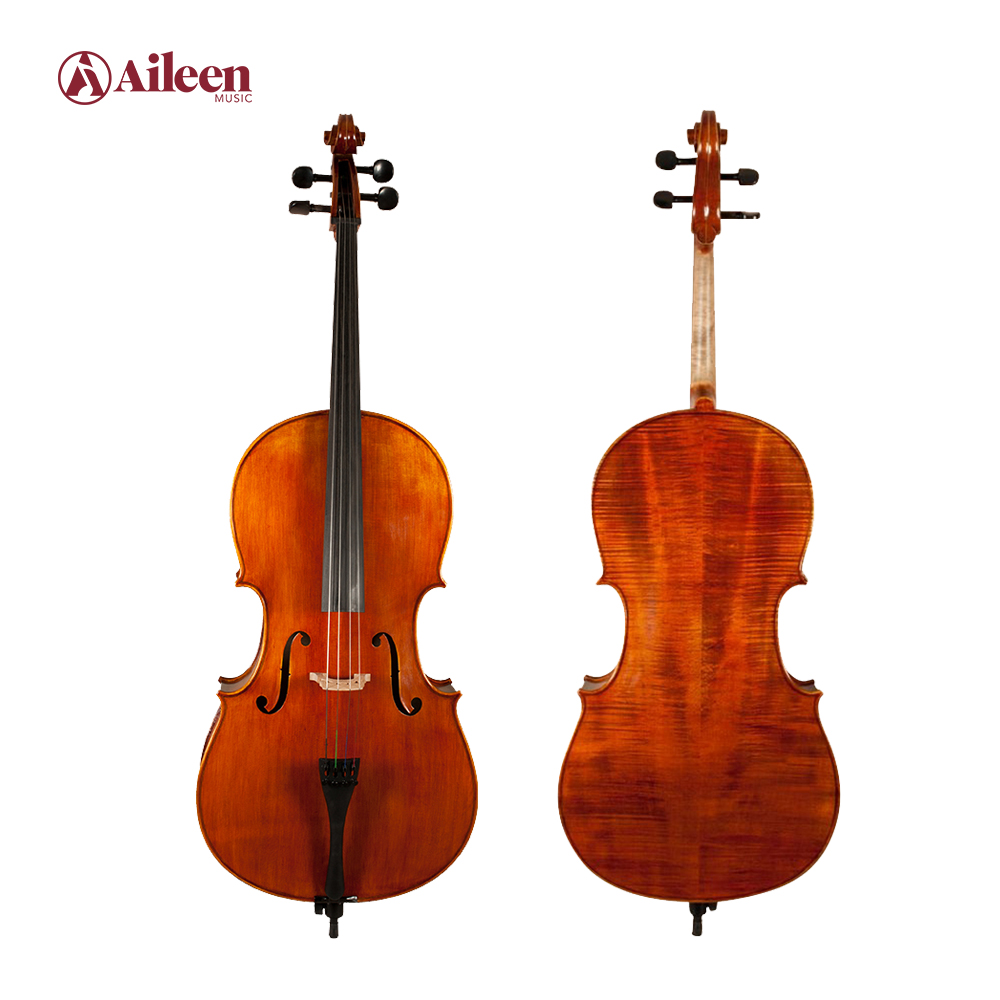
CH200VA Premium Fully Hand-craved Solid Spruce & Flamed Maple Cello
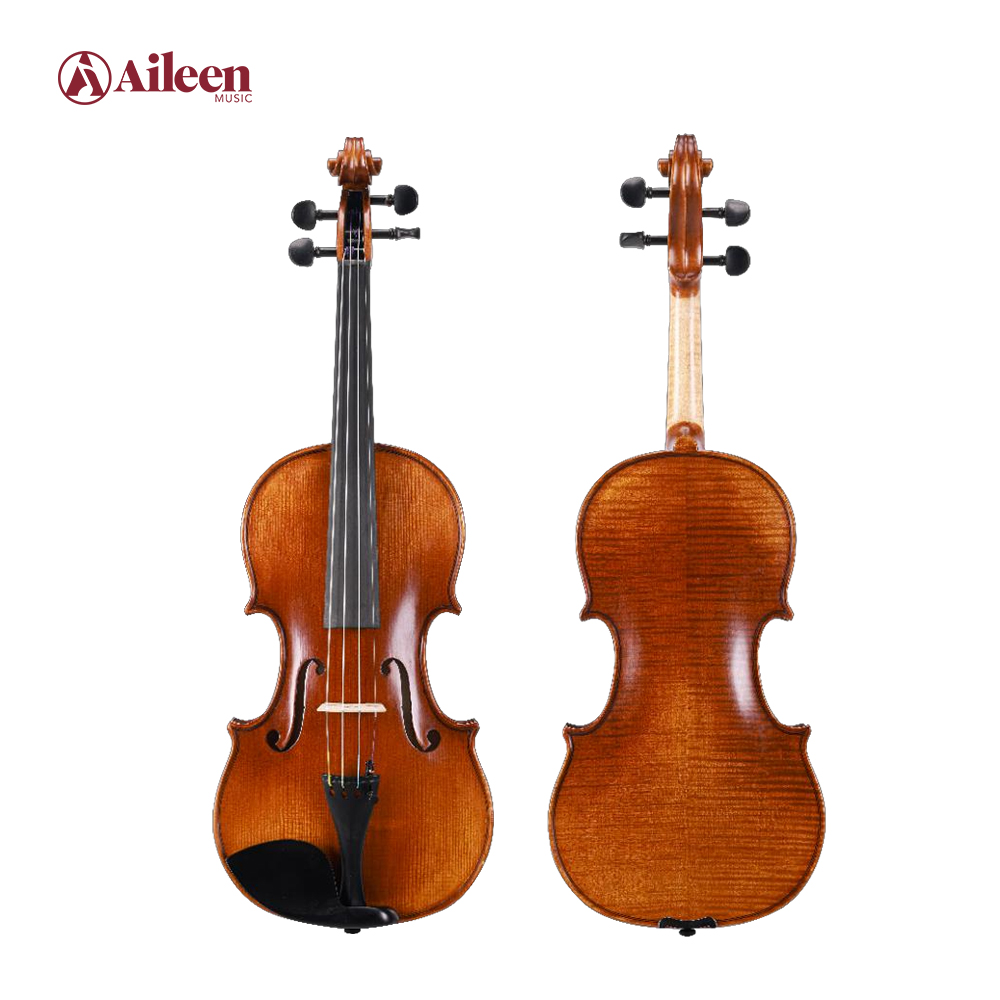
VH620 Mastery Series Spirit and Oil Mixed Varnish Violin
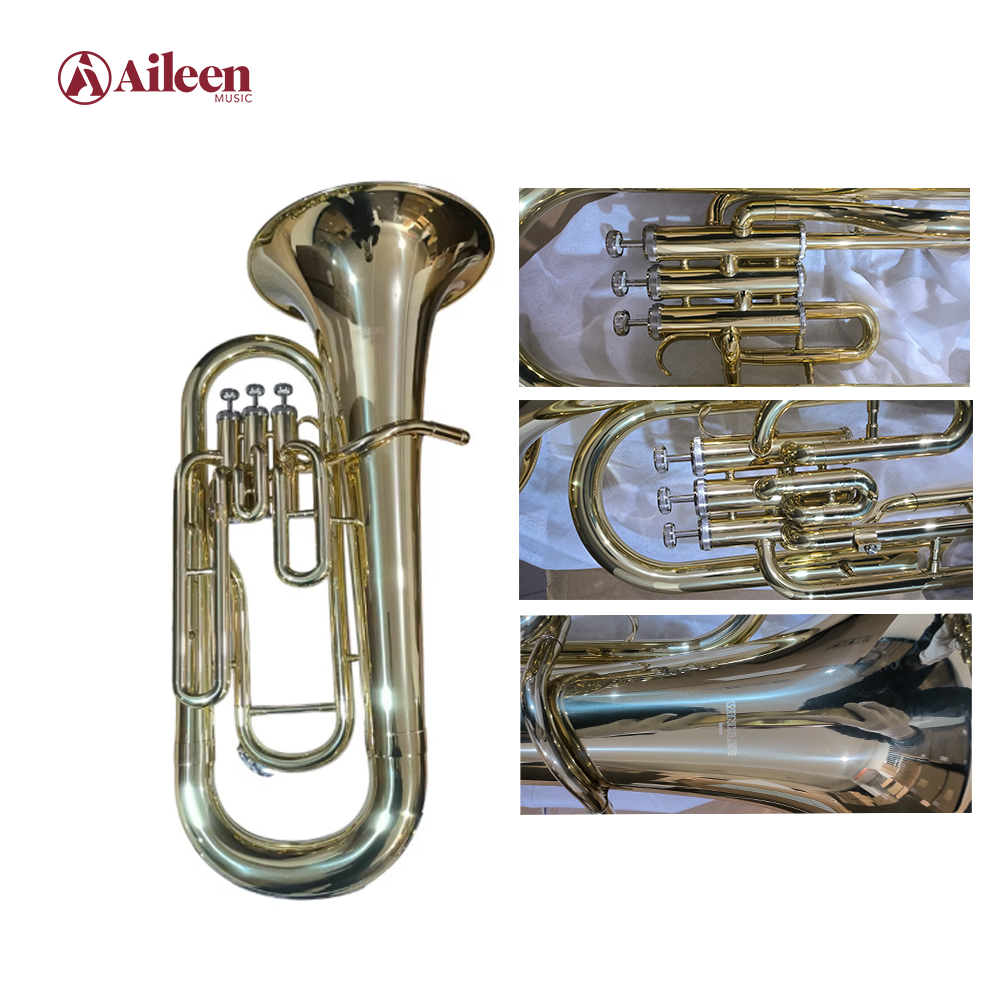
EU-G3400G Entry Level Student Yellow Brass Euphonium
Enterprise Authority & Manufacturing Ecosystem (Since 1993)
Navigating the global wholesale market for stringed, fretted, and orchestral instruments demands a manufacturing partner with deep-rooted technical compliance, verified export reliability, and extensive acoustic engineering experience. Established in 1993, Chive Music Co., Ltd. (operating globally alongside renowned proprietary brands such as Winzz, Lexington, and Chive) stands as a premier OEM/ODM manufacturer headquartered in Nanjing, Jiangsu, China.
Employing over 79 specialized luthiers, acoustic technicians, and international trade professionals, Chive Music has evolved into a high-capacity manufacturing benchmark. Recognized as Ranked No. 195 in the Music Trades Global 225 (2017) and honored as a Famous Export Brand by municipal trade bodies, our facility maintains an uncompromising commitment to international product compliance, environmentally sound raw material sourcing, and mechanical consistency across mass production runs.
As a permanent NAMM member since 2003 and a registered CCPIT trade enterprise since 2005, Chive Music provides complete institutional stability for enterprise B2B buyers. Our facilities undergo annual rigorous third-party audits by Bureau Veritas (BV), SGS, and TÜV Rheinland, guaranteeing that every solid wood guitar, bowed string instrument, or brass assembly meets international health, safety, environmental, and mechanical standards.
Engineering CE Certified Solid Wood Guitars
An authoritative analysis of tonewood thermodynamics, structural compliance, European Union regulatory frameworks, and OEM manufacturing standards.
1. The Anatomical Advantage of All-Solid Tonewood Acoustics
Commercial acoustic guitars generally fall into three structural tiers: fully laminated, solid-top (hybrid), and all-solid wood construction. For professional buyers supplying music stores, educational institutions, and high-tier retail brands, all-solid wood instruments represent the gold standard of resonance, harmonic projection, and acoustic longevity.
Unlike plywood or high-pressure laminates (HPL) bound by dense synthetic glues that deaden natural string vibrations, solid tonewoods possess an open cellular matrix that resonates freely. Solid Sitka Spruce (Picea sitchensis) or Solid Engelmann Spruce tops offer an exceptional stiffness-to-weight ratio, allowing the soundboard to flex under string tension while maintaining structural integrity. When paired with Solid Mahogany (Swietenia macrophylla) or Solid East Indian Rosewood (Dalbergia latifolia) back and sides, the instrument develops rich fundamental frequencies, complex overtones, and enhanced velocity of sound transmission ($v = \sqrt{E/\rho}$, where $E$ is Young's modulus and $\rho$ is wood density).
2. Equilibrium Moisture Content (EMC) & Thermo-Kiln Seasoning
The primary vulnerability of solid wood instruments during transatlantic or transoceanic freight is hygroscopic instability—uncontrolled expansion or contraction caused by ambient relative humidity (RH) shifts. Unconditioned solid wood prone to humidity drops below 40% will contract, leading to soundboard cracks, fret sprout, and neck bow.
To eradicate these field failures, Chive Music enforces a strict multi-stage seasoning protocol:
Natural Air Seasoning
Raw billets are air-dried in climate-controlled yards for 24 to 36 months to stabilize internal sap channels and minimize residual growth stresses.
Computerized Dehumidification
Kilns slowly reduce internal moisture down to 8% – 10% EMC under precise thermal cycles, curing the wood against future warping.
Torrefaction Option
Thermo-treatment at 180°C–220°C in oxygen-free chambers crystallizes hemicellulose, rendering the timber impervious to RH fluctuations.
3. CE Certification & EU Trade Compliance Demystified
For acoustic-electric guitars equipped with integrated preamps, piezo pickups, active equalizers, or Bluetooth connectivity, obtaining valid CE Certification is a non-negotiable legal prerequisite for importation into the European Economic Area (EEA). CE marking confirms compliance with relevant European Union directives:
-
✓
Electromagnetic Compatibility (EMC) Directive 2014/30/EU: Ensures onboard pickup preamps do not emit harmful RF interference nor suffer performance degradation from external electromagnetic radiation during studio or stage use.
-
✓
RoHS Directive 2011/65/EU & (EU) 2015/863: Restricts hazardous substances (Lead, Cadmium, Mercury, Hexavalent Chromium, PBBs, PBDEs, and Phthalates) within internal soldering, pickup wiring, and electronic circuit boards.
-
✓
REACH Regulation (EC) No 1907/2006: Verifies that nitrocellulose lacquers, polyurethane varnishes, binding adhesives, and fretwire metals are free from Substances of Very High Concern (SVHCs), such as Polycyclic Aromatic Hydrocarbons (PAHs) or toxic heavy metals.
-
✓
CITES Appendix II Compliance: All solid wood species sourced (e.g., Rosewood substitutes or certified Dalbergia stock) are accompanied by legal chain-of-custody documentation, ensuring smooth clearance through international customs without risks of consignment seizure.
Future Trends in Global Musical Instrument Sourcing
Insights for procurement directors, brand owners, and high-volume distributors looking to future-proof their supply chain through 2030.
1. Thermal Aging & Torrefaction Dominance
Global supply chain volatility has accelerated adoption of torrefied (baked) tonewoods across all price brackets. Commercial buyers are increasingly specifying roasted maple necks and baked spruce tops. Torrefaction artificially ages the wood's cellular structure by decades in hours, reducing weight by 10% and improving structural resistance against tropical or arid climates.
2. Smart Electro-Acoustic Preamp Integration
Modern consumers demand acoustic instruments featuring built-in acoustic actuators (reverb, delay, and chorus effects produced directly from the acoustic soundhole without requiring external amplifiers). As demonstrated in our patented AV-D501 Electric Violin and advanced guitar lines, integrating CE-certified smart pickup systems offers higher retail margins for OEM buyers.
3. Stringent ESG & Timber Traceability
Regulatory bodies in Europe (EUDR) and North America (Lacey Act) require strict traceability of origin for timber. Future procurement will demand complete digital chain-of-custody documentation from raw log harvest to final export carton. Partnering with ISO 9001 and audited suppliers like Chive Music guarantees compliance with international forestry laws.
4. Hybrid Precision Craftsmanship (CNC + Hand Lutherie)
The era of purely manual or fully automated guitar building has evolved into hybrid manufacturing. High-precision multi-axis CNC carving machines cut necks, body contours, and fret slots to sub-millimeter tolerances ($< \pm 0.05\text{ mm}$), while master luthiers manually perform delicate hand-voicing of soundboard bracing, neck carving, and varnish buffing.
5-Stage OEM/ODM Quality Control Architecture
How Chive Music maintains a 99.8% factory acceptance rate across high-volume export consignments.
Tonewood Selection
Density testing, grain alignment inspection (minimum 12-16 lines per inch for AAA spruce), and moisture content verification prior to cutting.
CNC Milling & Shaping
Automated routing of soundboard perimeters, neck dovetail joints, binding channels, and fretboard radius alignment under strict climate control.
Hand Assembly & Binding
Artisanal voicing of top X-bracing, soundboard voicing, kerfing alignment, and high-durability purfling/binding installation.
Multi-Coat Finishing
Dust-controlled automated spraying of eco-friendly UV lacquer or spirit-oil mixed varnish, followed by multi-stage curing and robotic buffing.
Setup, Playability Check & Export Packaging
Fret leveling, nut height adjustment, action set to 2.2mm (6th string) / 1.8mm (1st string) at 12th fret, electronics testing, drop-test export cartoning, and final container loading.
Frequently Asked Questions (Procurement FAQ)
Direct answers regarding MOQs, compliance certifications, custom branding, and international freight logistics.