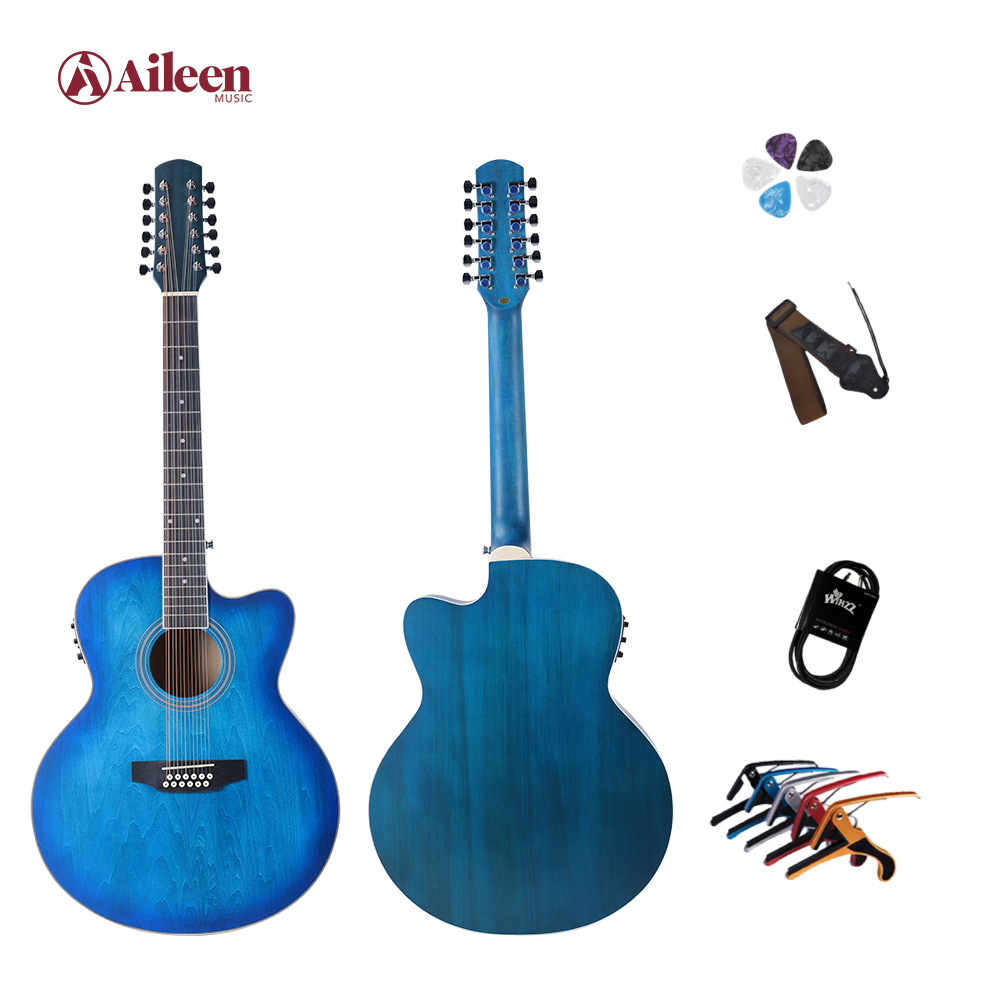
12-String Acoustic
Direct factory supply with certified compliance (EN 71, REACH, RoHS, EMC) for global distributors, musical chain stores, and educational tenders.


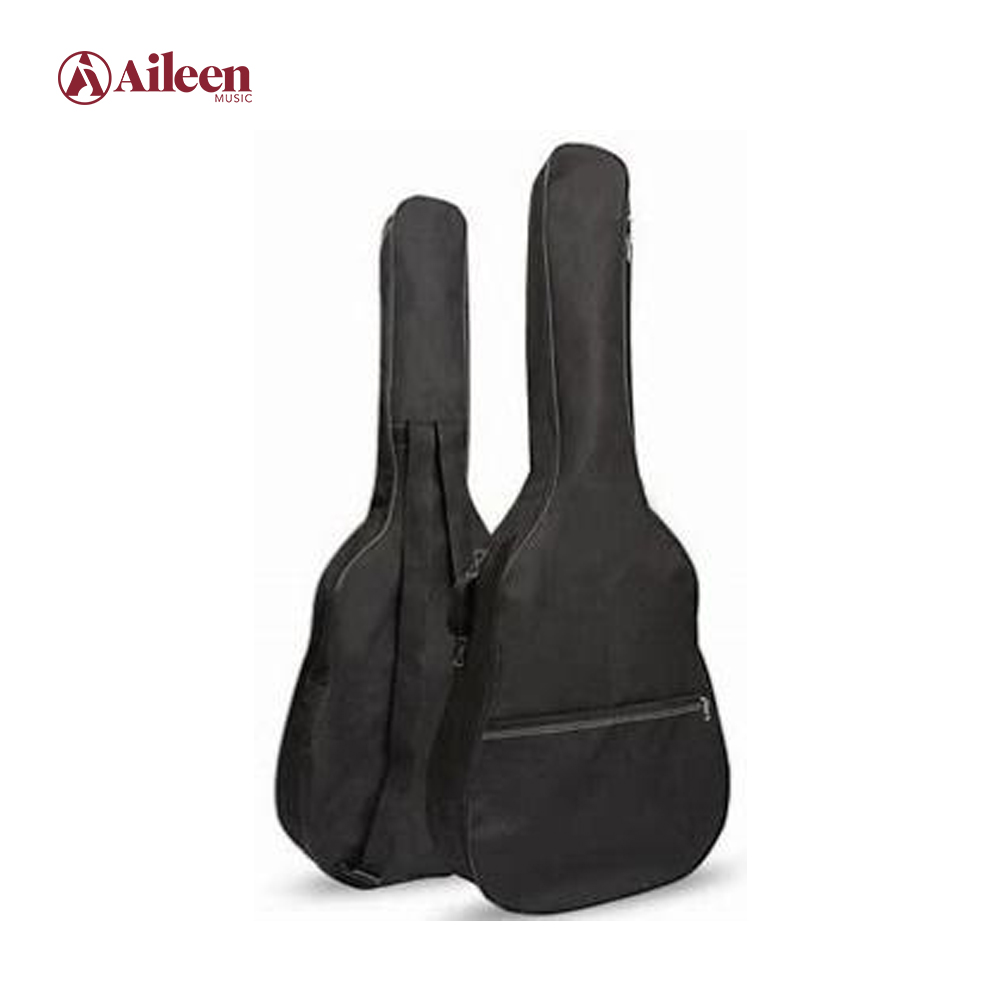
The global market for travel guitars, compact stringed instruments, and portable musical gear has experienced a structural paradigm shift over the past decade. Driven by the expansion of mobile lifestyles, digital nomadism, airline carry-on dimensional restrictions, and burgeoning music education initiatives worldwide, commercial demand has evolved from basic novelty items to high-performance, acoustically engineered instruments. Importers, brand distributors, and retail chain procurement managers face unique technical challenges when sourcing travel guitars: balancing structural scaling with physical projection, ensuring thermal-hygrometric stability during international freight, and satisfying strict market access regulations across the European Economic Area (EEA).
Ce certification serves as the non-negotiable benchmark for entry into European distribution networks. Unlike standard acoustic guitars, contemporary travel guitars frequently incorporate active piezo electronics, integrated Bluetooth headphone preamplifiers, dynamic tone processors, and synthesized pickup coils. Consequently, CE certification requires rigorous compliance with the Electromagnetic Compatibility (EMC) Directive 2014/30/EU, the Low Voltage Directive (LVD) 2014/35/EU, and the Restriction of Hazardous Substances (RoHS) Directive 2011/65/EU, as well as REACH chemical safety protocols regarding non-toxic lacquers and CITES-compliant tonewood substitutes.
For B2B buyers, sourcing CE certified travel guitars means mitigating legal recall risks under European market surveillance while securing optimized structural acoustics. Engineering innovations such as carbon fiber neck truss structures, headless tuning systems, and folding neck hinges permit up to a 42% reduction in volumetric footprint without sacrificing standard scale length (24.75" to 25.5").
This technical whitepaper provides an authoritative overview of OEM/ODM manufacturing standards, material selection criteria, regulatory compliance framework, and future supply chain forecasting for international music instrument buyers seeking long-term manufacturing partnerships.
Founded in 1993 in Nanjing, Jiangsu, Chive Music Co., Ltd. (operating under proprietary export brands including Winzz, Lexington, and Chive) has established itself as an elite OEM/ODM manufacturing force within the global music products industry. Ranked at No. 195 in the Music Trades Global 225 and recognized as a permanent NAMM member since 2003, our production infrastructure bridges traditional hand luthiery with state-of-the-art automated woodworking technology.
Full spectrum quality assurance across raw tonewood kiln drying, CNC precision carving, neck joint fitting, lacquer curing, and final playability setup.
Holder of 8 utility patents and 5 registered international trademarks, including proprietary silent electric travel violins (AV-D501) and carbon-reinforced guitar necks.
On-site audits continuously validated by international testing agencies Bureau Veritas (BV), SGS, TÜV Rheinland, and Intertek for complete supply chain transparency.
Tonewood instability is the primary failure vector in exported stringed instruments. Chive Music mitigates fret sprout, top sinkage, and neck warping by subjecting all raw spruce, mahogany, maple, and basswood stocks to computer-controlled dehumidification chambers. Moisture content is strictly locked between 6% and 8% prior to CNC milling. CNC tolerances are maintained at ±0.02mm, ensuring flawless neck-to-body pocket alignment that maximizes physical acoustic vibration transfer across the bridge saddle.
We provide full-scope white-label manufacturing tailored to distributor specifications:
The global music gear supply chain is undergoing profound structural shifts. B2B buyers must align their procurement strategies with four dominant macro trends that are reshaping retailer expectations and end-consumer buying behaviors:
Traditional solid tonewoods are extraordinarily sensitive to rapid atmospheric shifts—such as transitioning from an air-conditioned flight cargo hold to humid tropical environments. High-Pressure Laminate (HPL) and carbon fiber composite materials exhibit near-zero hygroscopic expansion. Sourcing trends indicate that travel guitar lines manufactured with HPL tops or carbon fiber neck rods reduce post-sale retail warranty claims by up to 78% in cross-border e-commerce channels.
Modern travel guitar buyers demand silent practice capabilities. The market is rapidly shifting away from purely passive acoustic travel frames toward hybrid guitars equipped with internal micro-DSP chips. These preamps deliver studio-quality reverb, chorus, and delay emulation directly through 3.5mm headphone jacks without requiring external amplifier setups or bulky pedalboards.
Regulatory enforcement under CITES Appendix II regarding rosewood (Dalbergia) has made international customs clearance complex for uncertified shipments. Forward-thinking manufacturers have transitioned to high-density tech-wood, thermo-treated engineered rosewood, and laurel/walnut fingerboards. Sourcing CITES-free travel guitars guarantees frictionless customs clearances across North American, European, and Australian entry ports.
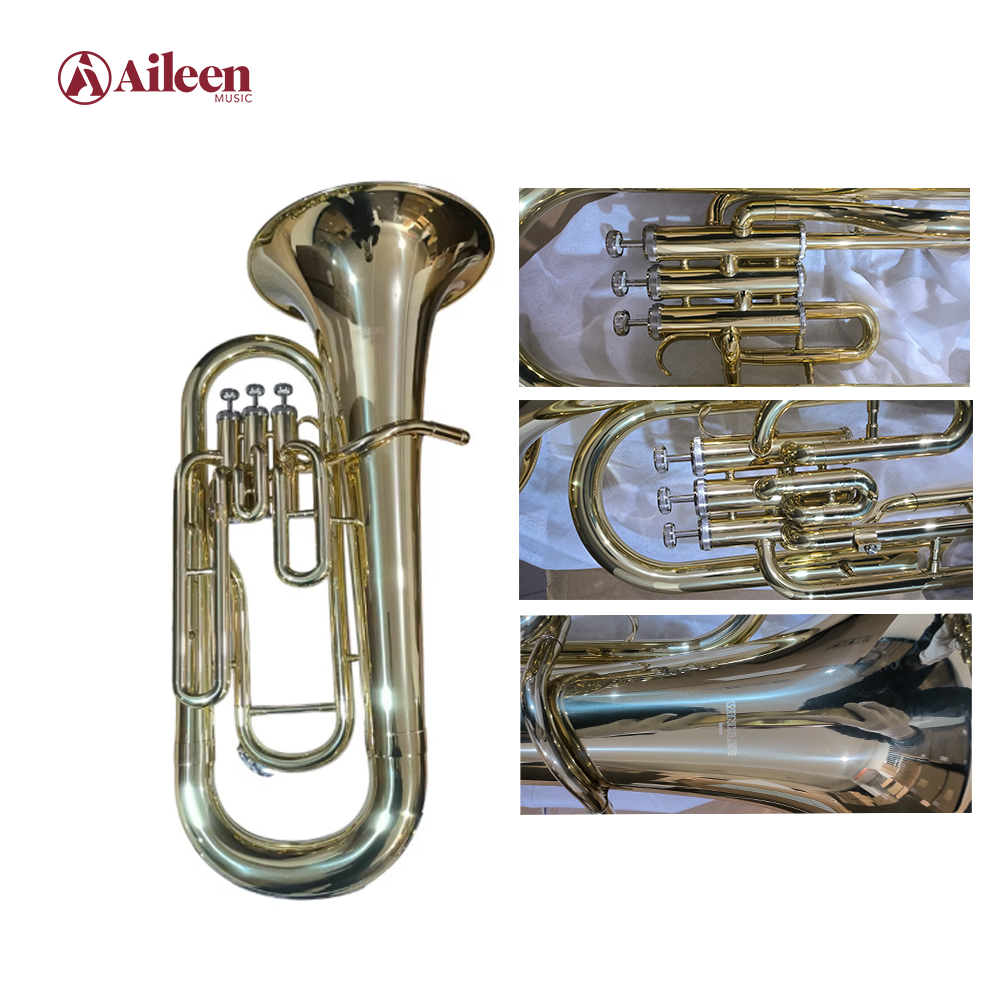
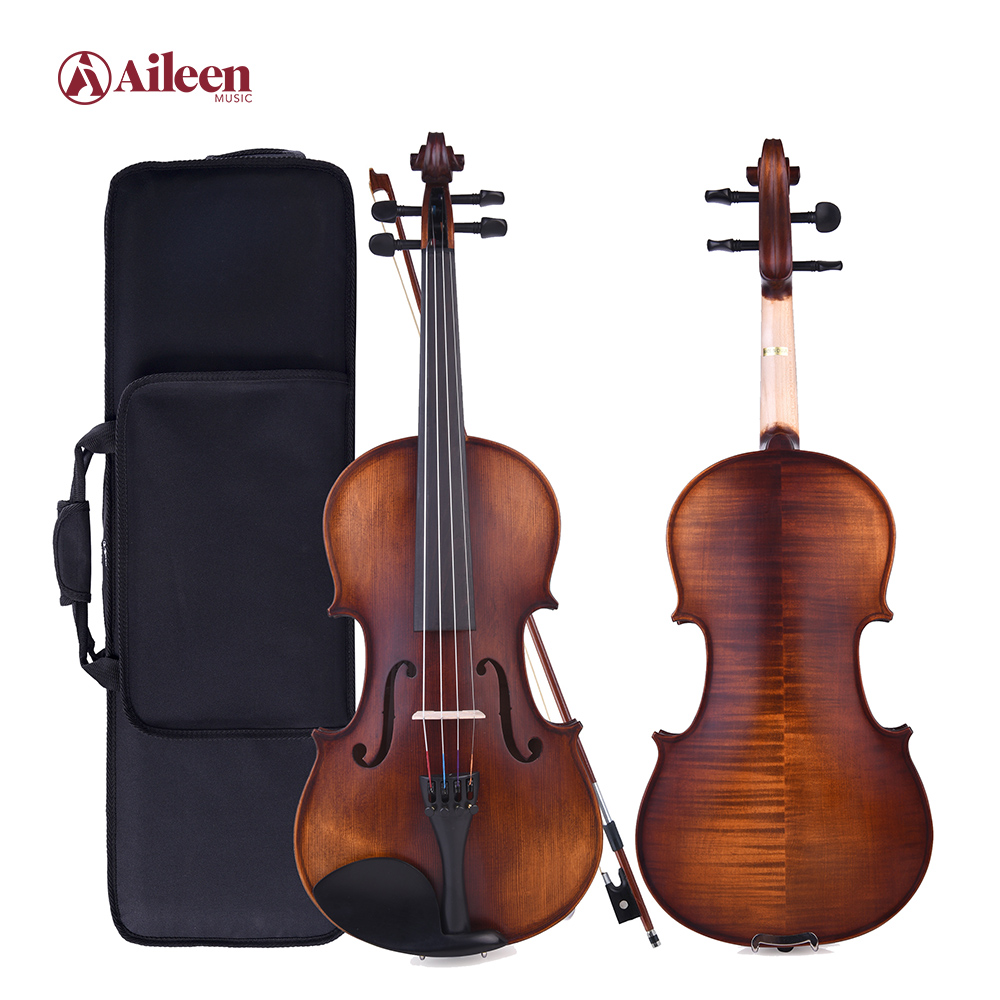
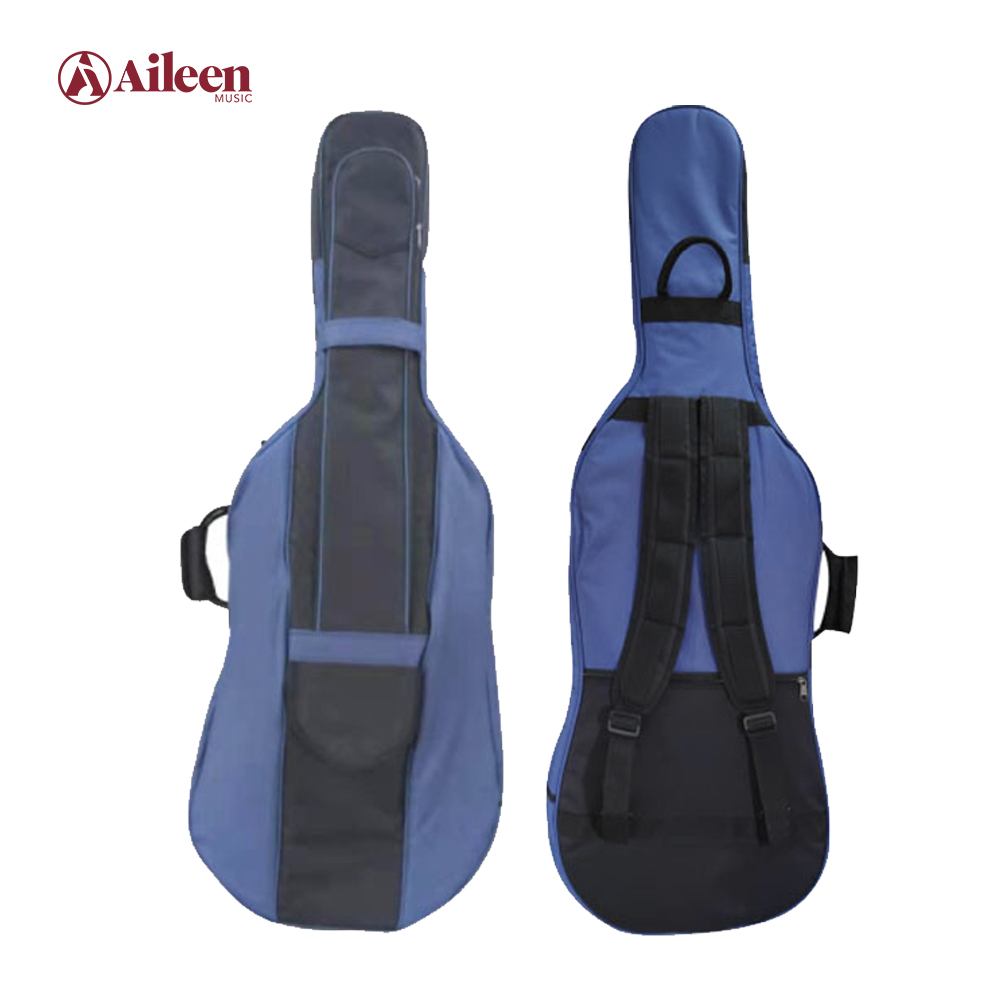
Inventory risk management has become paramount for importers. Rather than committing to single-model full container loads (FCL), modern distributors require low Minimum Order Quantities (MOQs)—often 2 to 10 units per SKU—and consolidated shipments combining acoustic-electric guitars, student violins, brasswind instruments, and protective padded bags into one unified bill of lading.
The primary physical limitation of compact travel guitars is the loss of acoustic resonance surface area and internal air chamber volume. Removing 30% to 50% of the acoustic body typically results in weak bass response, choked midrange, and thin treble sustain. To compensate for reduced body volume, Chive Music employs three cutting-edge acoustical engineering innovations:
Offset soundholes and top-side monitor ports redirect internal sound waves directly toward the player's ear, psychoacoustically enhancing perceived bass and volume output.
Computer-calculated bracing patterns allow thinner spruce soundboards (down to 2.2mm) to flex more freely, generating maximum kinetic displacement from light string gauges.
Relocating tuning machines from the headstock to the body bridge assembly shortens overall instrument length by 15cm while improving balance and neck stability during transit.
By pairing structural soundport engineering with active piezo-transducer pickups, travel guitars function identically to full-sized acoustic-electric stage guitars when plugged into a PA system or recording interface.
Direct technical answers to common questions asked by international buyers, compliance officers, and sourcing agents:
Expand your product catalog with high-margin, climate-stable travel guitars and musical instruments. Request factory-direct pricing, OEM sample evaluation, or complete technical compliance documentation today.