Flagship Export Inventory & Performance Accessories
Tested for durability, climatic stability, and acoustic resonance under rigorous laboratory protocols.
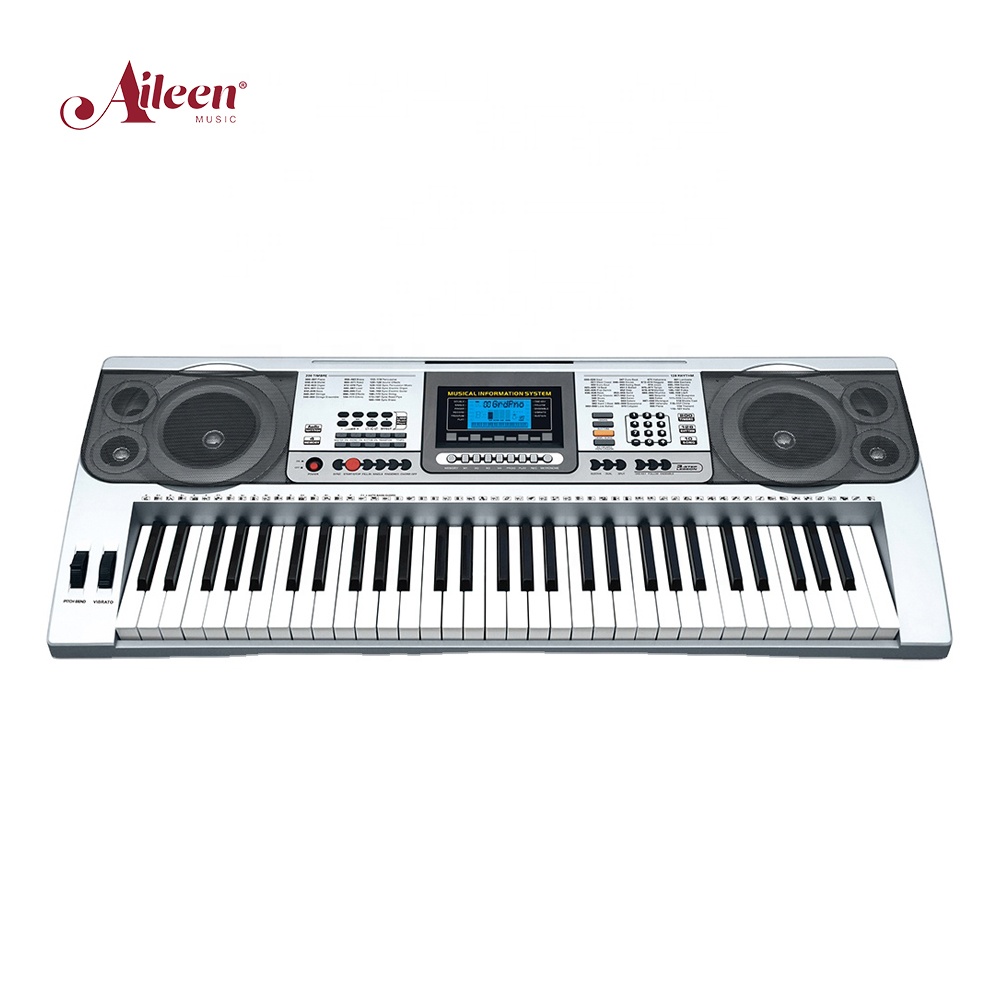
61 Keys Hot Selling LCD Display Simulation Electric Piano Keyboard (EK61222)
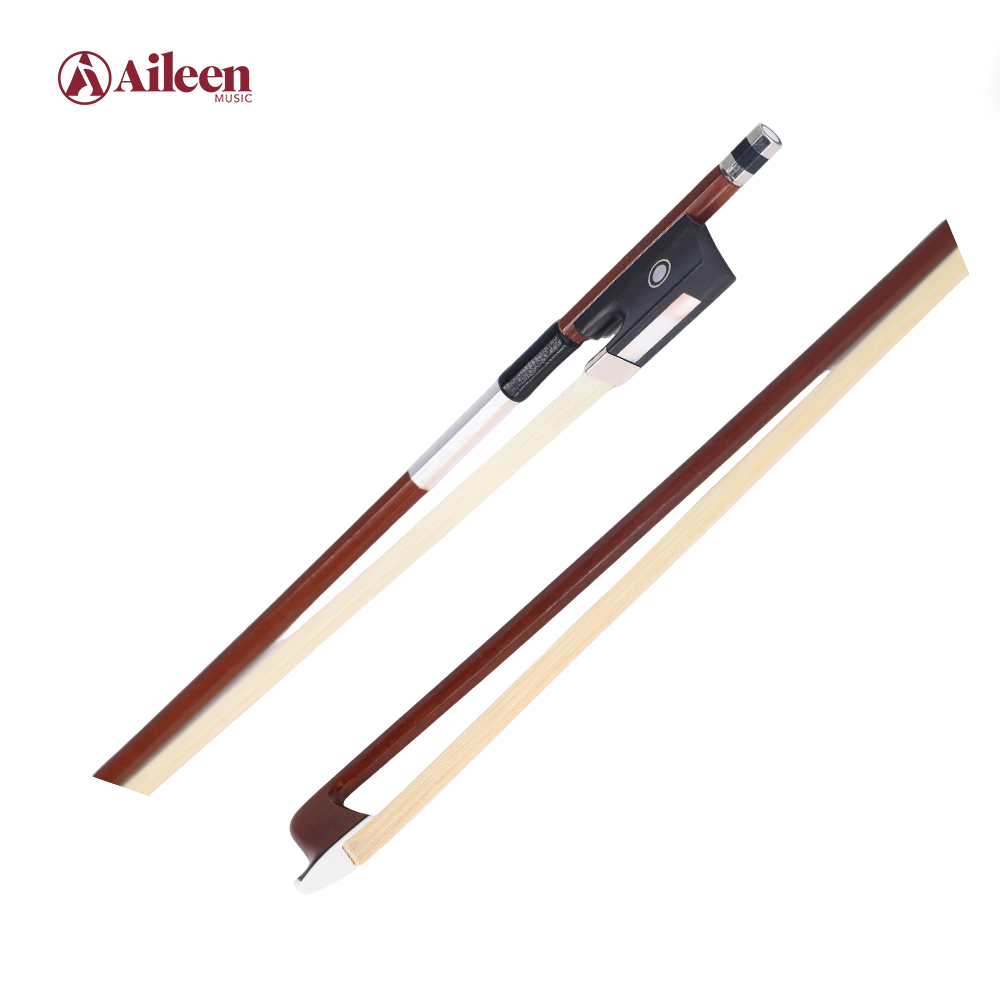
WV780 Durability and Elegance Octagonal Brazilwood Stick Violin Wooden Bow

Aileen Babylon Series Deluxe Wooden Triangle Hard Violin Case (CSV1079A)
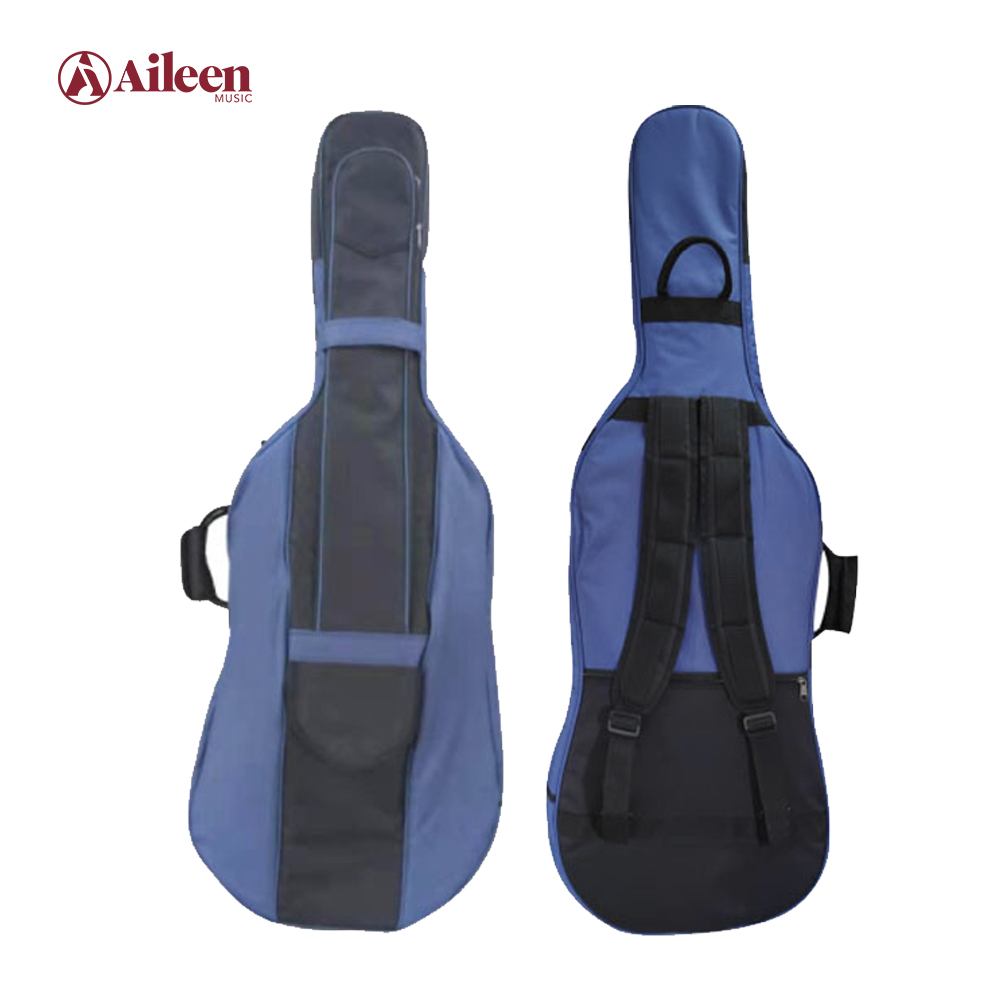
BGC014H Color Available 20mm Thick Padding Soft Carrying Handles 4/4-1/16 Cello Soft Bag
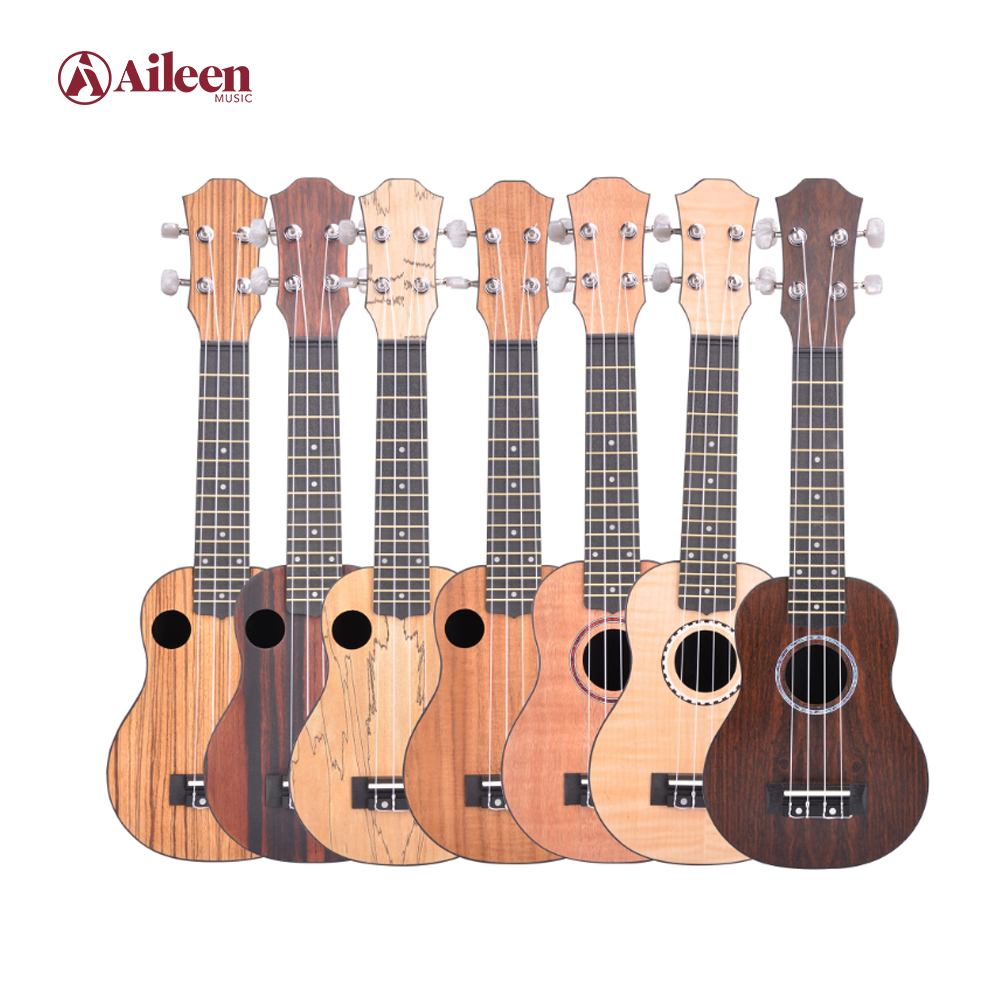
AU-P02 Wholesale 21'' Composite Material Top Options Ukulele
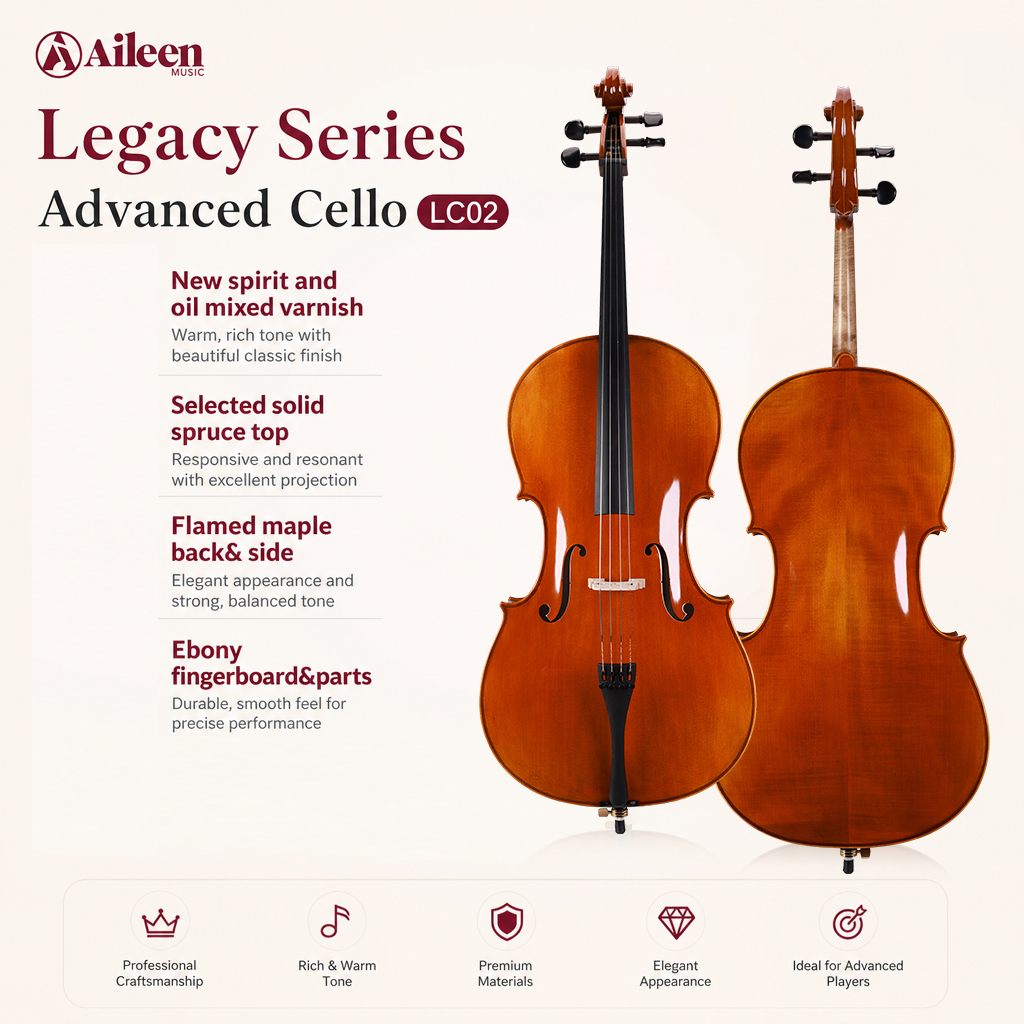
LC02 Legacy Series Selected Solid Spruce Top 1/8-4/4 Professional Advanced Cello for Sale

4/4 Baroque Violin, Professional Hand Made Conservatory Violin (VH500Z-A)

34 Button 12 Bass 3/0 Register Diatonic Button Accordion (B3412)
The Global Architecture of Musical Instrument Accessories: Strategic Sourcing & Industrial Transformation
The international supply chain for musical instruments and performance accessories has reached a pivotal juncture. Modern B2B importers, instrument brands, and national educational procurement bodies face an increasingly demanding marketplace. Today's commercial success no longer hinges solely on procurement cost; it requires uncompromising consistency in hygroscopic stabilization, structural resistance to transcontinental freight stresses, non-toxic environmental certification under international directives, and comprehensive supply chain traceability.
As Chinese precision manufacturing evolved beyond rudimentary commodity processing, premier manufacturing hubs concentrated in Jiangsu and surrounding logistics belts have instituted aerospace-grade multi-axis CNC milling, proprietary climate-controlled seasoning chambers, and automated polymer-extrusion setups. When procurement managers evaluate a China best musical instrument accessories factory & exporter, their primary search intent centers on risk mitigation: ensuring that every case prevents hygroscopic shock, every bow maintains camber integrity under fluctuating atmospheric conditions, and digital electronic components comply strictly with regional electromagnetic and environmental standards.
Information Gain: Critical Engineering Benchmarks for Commercial Accessories
Acoustic accessories are not passive peripherals; they are functional extensions of acoustic resonance and mechanical energy transmission. When manufacturing bows (such as the WV780 Octagonal series), deviation in stick density or camber curvature compromises player balance, articulation clarity, and string activation. Similarly, when engineering protective cases (such as the CSV1079A Babylon Deluxe wooden triangle line), structural wood elasticity directly regulates external puncture dissipation and prevents acoustic bridge fractures caused by dropped weight.
Thermal & Hygroscopic Barrier
Multi-ply cross-grain timber and closed-cell EPE sandwich architectures protect delicate tonewood cell structures from sudden thermal expansion, checking, and bridge collapsion during international air transit.
Harmonic Energy Coupling
Precision-milled bridge assemblies, tailpieces, and synthetic carbon-composite acoustic plates maintain balanced string tension and optimize vibrational transfer straight through the soundpost foundation.
Electronic EMI/RFI Shielding
Digital keyboards, pickups, and transducer systems utilize multi-stage shielded ribbon cabling and lead-free wave soldering to eradicate RF hum and satisfy EU CE, FCC, and RoHS interference directives.
Comprehensive Technical Evaluation: Accessory Materials & Structural Paradigms
To guide global B2B procurement directors in choosing optimal product configurations for high-volume retail or institutional tender programs, our engineering team has indexed the performance metrics across traditional and next-generation composite accessory materials:
| Material / Component Category | Structural Elasticity & Yield (MPa) | Climatic Stability Factor | Target Product Line | Procurement Suitability |
|---|---|---|---|---|
| Seasoned Select Brazilwood | 85 – 110 MPa flexural yield | Standard (sensitive to RH < 30%) | Octagonal & Round Violin/Cello Bows | Academic Conservatories |
| Aero-Grade Carbon Fiber Matrix | 600 – 950 MPa high tensile | 100% immune to humidity extremes | Performance Bows & Monocoque Cases | Touring / High-Wear Rental |
| Multi-Ply Cross-Grain Basswood Core | 45 – 65 MPa crush resistance | High acoustic buffering capacity | Triangular & Oblong Violin Hard Cases | Premium Commercial Retail |
| Composite Polymeric Soundboards | 70 – 90 MPa resonant threshold | Zero crack hazard (-20°C to +50°C) | AU-P02 Travel / Student Ukuleles | Entry-to-Mid Retail Chains |
| High-Density Closed-Cell EPE Foam | Compression recovery > 96% | Hydrophobic barrier, zero water absorption | 20mm Heavy Padded Cello/Bass Bags | School Fleets & Logistics |
Future Sourcing Trends: How Musical Instrument Accessory Procurement is Changing (2025–2030)
The musical accessories sector is undergoing rapid systemic modernisation. Large retail enterprises, e-commerce giants, and institutional educational vendors must adapt their procurement strategies to three defining macro trends:
1. Regulatory Compliance and the Accelerated Shift Away from CITES-Restricted Materials
With escalating CITES (Convention on International Trade in Endangered Species) restrictions monitoring tropical hardwoods including Pernambuco (Paubrasilia echinata), African Blackwood, and specific Rosewood variants, international shipping compliance risks have skyrocketed. Forward-thinking distributors are transitioning purchase orders toward stabilized Brazilwood alternatives, carbon fiber composites, and engineered ebony substitutes. Factories operating within China's regulated export networks supply certified non-CITES documentation upfront, guaranteeing streamlined customs clearance through Rotterdam, Long Beach, and Hamburg ports without risk of commercial shipment seizures.
2. Consolidation of Heterogeneous SKUs into Integrated Containerized Logistics
Fragmented logistics are the primary drain on overseas distributor profit margins. Sourcing violins from one manufacturer, gig bags from another, bows from a third, and digital keyboards from an electronics assembly plant inflates inland handling fees, forwarder documentation overheads, and pallet wastage. The dominant sourcing model relies on vertically integrated factory ecosystems capable of consolidating strings, woodwind brass, cases, fretted acoustics, percussion, and digital keyboards into singular FCL (Full Container Load) shipments. This strategy yields significant freight cost savings per unit while standardizing private-label brand packaging.
3. IoT Integration and Active Climate Sensing in Luggage Solutions
The luxury case market has progressed beyond passive thermal barriers. B2B buyers now demand embedded digital hygrometers with BLE (Bluetooth Low Energy) micro-sensors that transmit relative humidity and thermal gradient telemetry directly to smart devices. By monitoring internal atmosphere variables in real time, professional musicians and school rental custodians avoid catastrophic soundboard checking, seam separation, and neck warping before micro-fractures propagate.
4. Demand for Circular Polymers and Non-VOC Finishing Systems
Stringent enforcement of EU REACH chemical directives and US Proposition 65 regulations requires chemical transparency in accessory adhesives, foam matrices, and exterior textiles. Outdated solvent-based bonding adhesives emit volatile organic compounds (VOCs) that corrode nickel-plated hardware and degrade varnish inside enclosed cases. Contemporary tier-1 exporters employ waterborne polyurethane adhesives, odorless EVA foaming, and heavy-metal-free plating baths for all zipper hardware, latches, and endpins.
Manufacturing Capabilities & OEM/ODM Excellence: Why Partner with Our Facility?
Rooted in Nanjing, Jiangsu, our manufacturing operations have anchored China's musical export infrastructure since 1993. Spanning more than three decades of audited continuous operations, our production ecosystem balances artisanal European acoustic craft with industrial automation.
Continuous Operation Since 1993
Over thirty years of continuous international trade execution. Ranked #195 in the prestigious Music Trades Global 225, demonstrating rock-solid balance sheets and dependable production run commitments.
Certified ISO 9001 System
Audited on-site by Intertek, BV, SGS, and TÜV. Every accessory line undergoes incoming raw material inspection, precision CNC machining checks, finish endurance validation, and pre-shipment stress tests.
Proprietary IP & Patents
Holding 8 structural and utility model patents alongside 5 registered global trademarks, including Winzz and Lexington. Proven innovation in low-weight composite instruments and onboard DSP electric string instruments.
Permanent NAMM & CCPIT Member
Permanent member of the US NAMM Show since 2003, active member of CCPIT since 2005, and decorated as an official AAA Grade Credit Enterprise by the China Musical Instrument Association (CMIA).
Comprehensive OEM/ODM Program
End-to-end white-label and bespoke capabilities: laser logo engraving, custom-molded interior case forms, bespoke Pantone textile dyeing, tailored hardware electroplating, and retail-ready packaging design.
Consolidated Multi-Category Supply
Unrivaled capacity to consolidate mixed container freights comprising orchestral strings, brasswind, percussion, digital pianos, gig bags, and fine accessories under a single unified bill of lading.
Comprehensive B2B Procurement FAQ: Critical Solutions for Importers
Below are detailed, practical answers to the fundamental legal, operational, and technical questions encountered by music instrument distributors, franchise procurement officers, and educational suppliers when sourcing from our manufacturing facility.
What are your Minimum Order Quantities (MOQ) across accessory and instrument lines?
How do you verify structural protection and thermal insulation in case manufacturing?
Can our enterprise request bespoke private labeling, custom hardware branding, and tailored packaging?
What compliance procedures do you implement to navigate CITES and EU REACH chemical mandates?
How do you prevent moisture damage, mold, and oxidation during ocean freight transit?
What quality control mechanisms are deployed during production runs?
Distributor Sourcing Roadmap: Five Critical Factors for Supplier Auditing
When selecting a long-term contract manufacturing partner in China, overseas sourcing directors should evaluate prospective factories using these fundamental performance indices:
1. Controlled Timber Equilibrium Moisture Content (EMC): Never import instruments or accessories built from wood seasoned below 3 years or dried using hasty kiln cycles. Inadequate seasoning causes back seams to split and wood cases to warp once introduced to dry, heated indoor climates across North America and Northern Europe. Our factory maintains expansive, climate-controlled warehousing where all timbers acclimate under controlled humidity until cellular equilibrium is achieved.
2. Standardized Dimensional Tolerances for Institutional Interchangeability: Educational tenders demand exact millimeter consistency so replacement chin-rests, tailpieces, pegs, and bridges fit instantly without extensive hand-luthier intervention. We utilize automated Japanese multi-spindle CNC machining to lock neck profiles, pegbox tapers, and mortise dimensions within ±0.05 mm tolerances.
3. Third-Party Auditable Supply Chains: Confirm that your supplier holds verifiable, active memberships in international trade bodies. Our continuous representation at the American NAMM show since 2003 and our AAA Credit certification provide financial assurance that advance deposits and scheduled annual deliveries remain completely secure.