Featured Wholesale & Ready-to-Ship Models
Engineered for structural stability, tonal projection, and high volume export compliance.

Ready to Ship 40" Student Cutaway Acoustic Electric Guitar (AF238CE)
View Product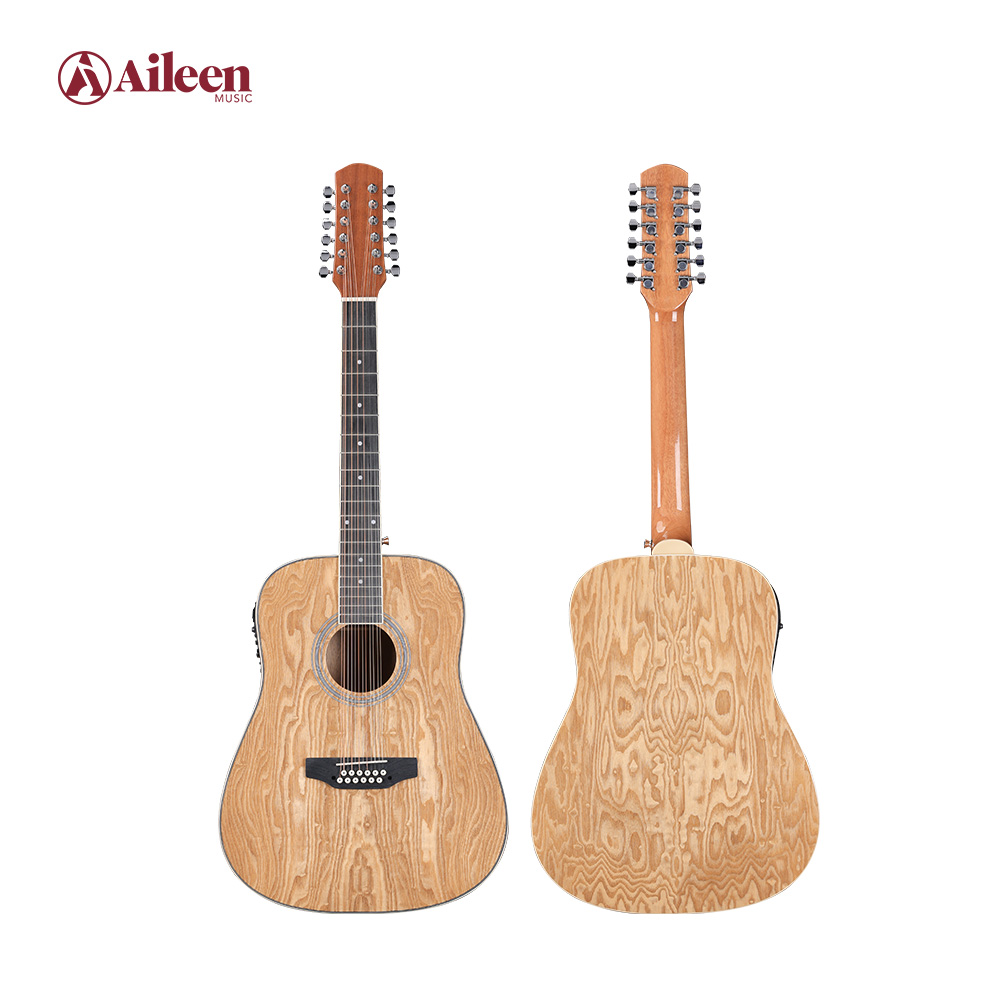
AF55E-12 Folk Instrument 44" Quilted Ash Plywood Top 12 Strings Acoustic Guitar
View Product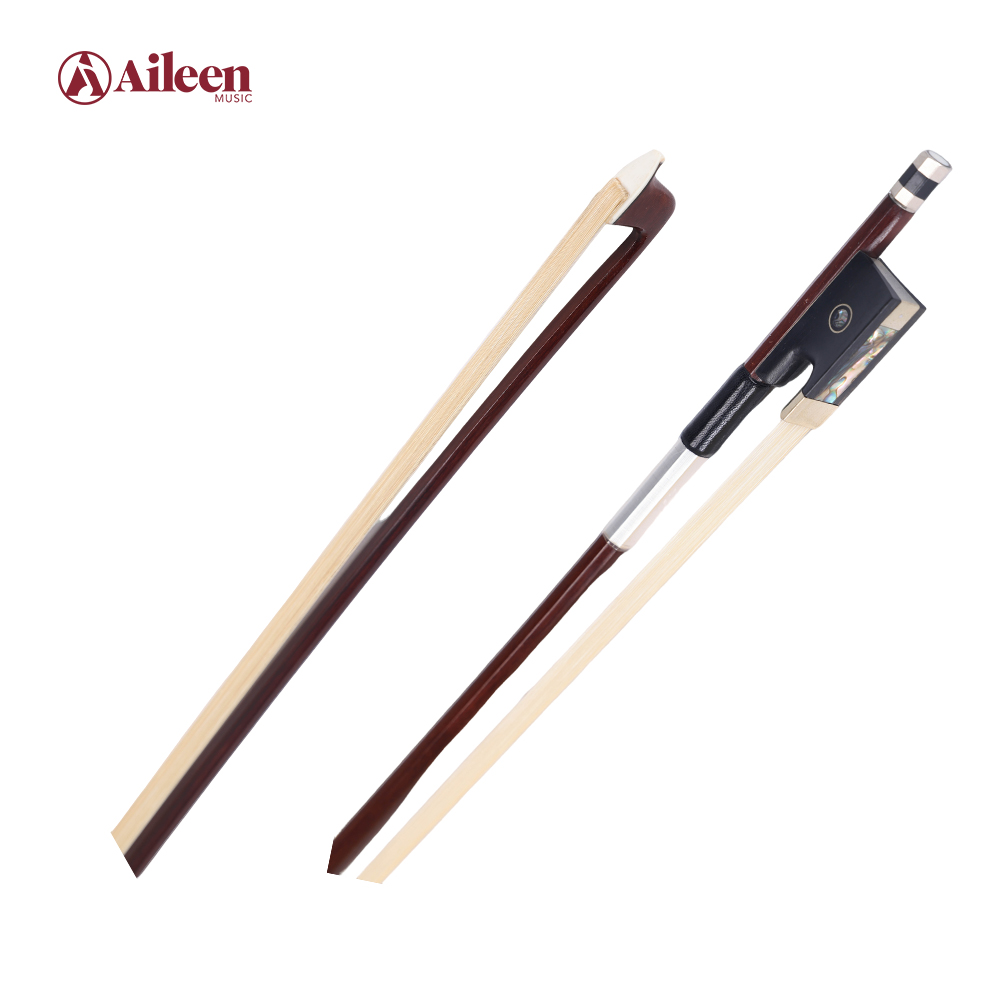
WV880 Durable Octagonal Brazilwood Stick Violin Wooden Bow
View Product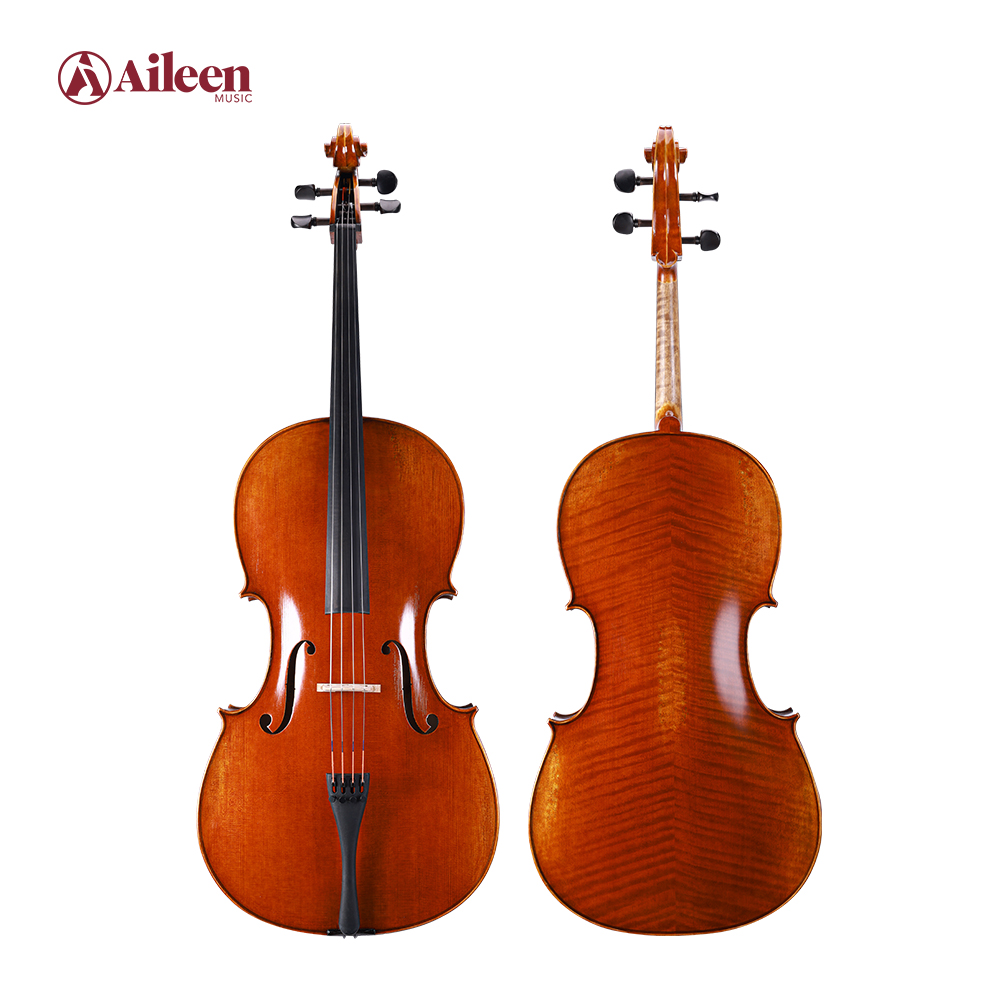
LC05 Legacy Series Solid Spruce Professional Advanced Cello
View Product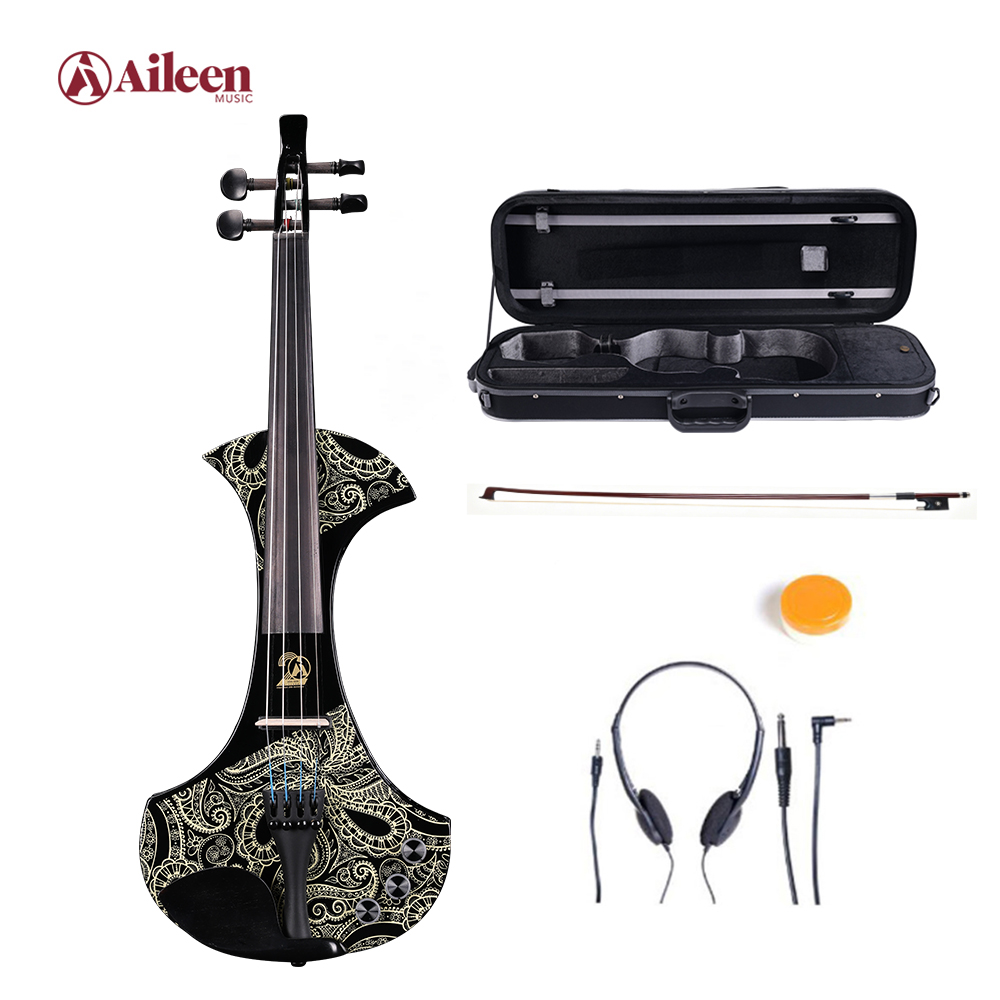
AV-D501 Patented Design Reverb/Delay/Chorus 4/4 Electric Violin
View Product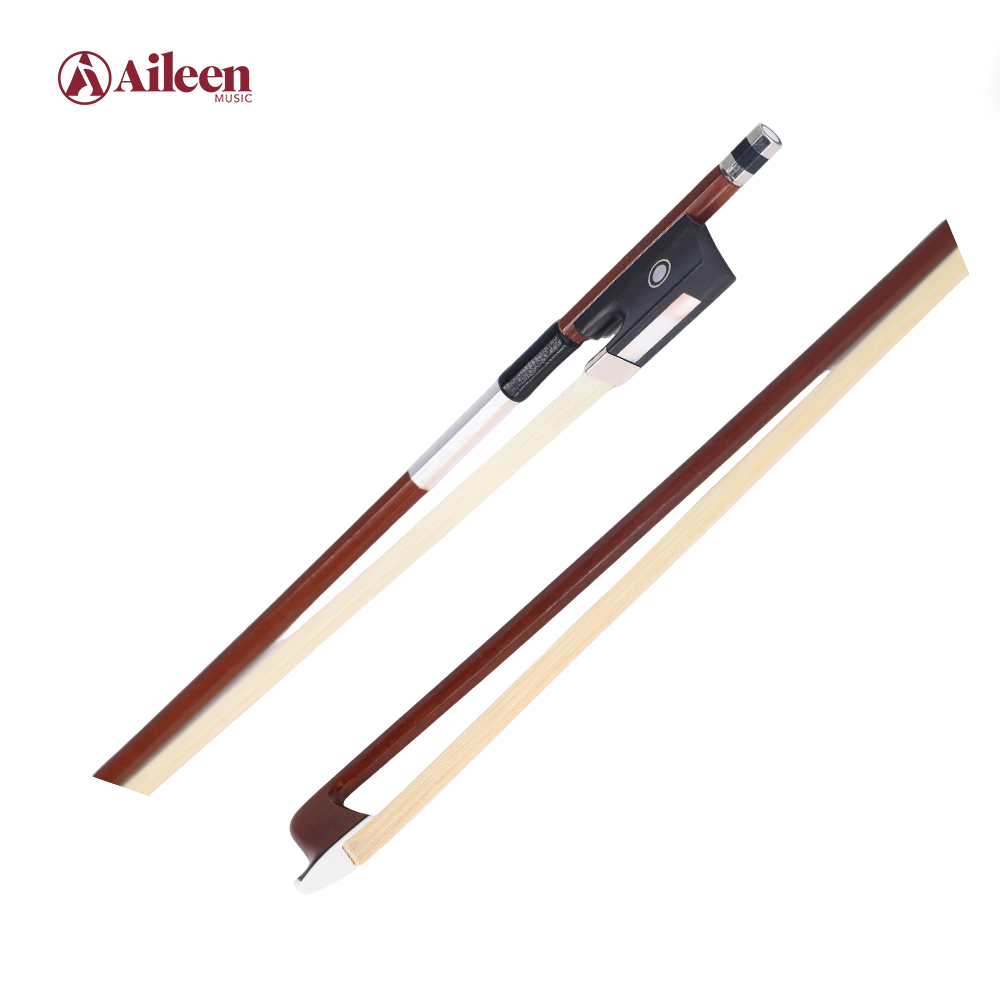
WV780 Octagonal Brazilwood Stick Violin Wooden Bow
View Product
Aileen Babylon Series Deluxe Wooden Triangle Hard Violin Case (CSV1079A)
View Product
34 Button 12 Bass 3/0 Register Diatonic Button Accordion (B3412)
View ProductIndustrial Legacy & Manufacturing Ecosystem
Over 30 years of excellence in stringed and fretted instrument export, trusted by music trade leaders in 100+ countries.
Verified Industrial Track Record
Founded in 1993, Chive Music Co., Ltd. has evolved into one of China's premier musical instrument manufacturers. Ranked No. 195 in the Music Trades Global 225 (2017) and recognized as an AAA Grade Credit Enterprise by the China Musical Instrument Association.
Rigorous ISO 9001 Compliance
Our production facility operates strictly under ISO 9001 quality management guidelines. Independent third-party audits by BV, SGS, and TÜV Rheinland ensure every batch meets stringent international acoustic and environmental standards.
Global Trade Integration
A permanent NAMM member since 2003 and CCPIT member since 2005, Chive Music anchors proprietary brands including Winzz (fretted instruments), Lexington (percussion/wind), and Chive (bowed strings) for institutional supply.
B2B Whitepaper: Engineering Standard for Student Guitars
Understanding the technical parameters that differentiate low-cost entry models from durable, acoustically resonant educational instruments.
When educational buyers, school tenders, and commercial distributors evaluate student acoustic and electric guitars, the primary purchasing criteria extend far beyond initial cost. Student guitars face rigorous operational demands: fluctuating relative humidity in classrooms, non-experienced tuning habits, daily transport in gig bags, and continuous mechanical stress. Sourcing from a top-tier Chinese manufacturer requires clear insight into wood seasoning, structural bracing, and neck engineering.
1. Wood Moisture Content & Kiln Drying Protocols
The standard failure mode in student guitars imported from Asia is top cracking, fret sprout, or belly bulging due to wood movement. Leading Chinese exporters utilize multi-stage computerized kiln drying coupled with climate-controlled curing rooms. Tonewoods (Laminated Spruce, Basswood, Mahogany, and Agathis) are stabilized to a target Moisture Content (MC) of 8% to 12% prior to CNC cutting and joinery. This ensures the finished instrument withstands harsh winter heating in North America and Europe without warping.
2. Neck Profile & Dual-Action Truss Rod Mechanics
Playability directly dictates beginner retention rates. A student guitar neck must balance structural rigidity with ergonomic comfort. Premium student instruments utilize a slim C-shape profile carved via high-precision 5-axis CNC machines. Furthermore, installing a dual-action steel truss rod allows two-way adjustment (upbow and backbow), granting guitar technicians and music teachers the ability to fine-tune neck relief against seasonal humidity shifts easily.
| Technical Component | Commercial Grade (Low Cost) | Export Educational Grade (Chive/Winzz Standard) | B2B Advantage |
|---|---|---|---|
| Top Wood Construction | Unseasoned Poplar / Low-density Plywood | Select Laminated Spruce or Solid Engelmann Spruce | Enhanced structural stability, superior acoustic resonance. |
| Fretboard & Frets | Painted Softwood, Unpolished Brass Frets | Engineered Rosewood or High-Density Techwood; Cupronickel Frets | Eliminates fret sprout; smooth bending and long fret wire lifespan. |
| Nut & Bridge Saddle | Soft Plastic (Absorbs String Vibration) | Synthetic Bone / High-Density PPS Plastic | Optimal string energy transfer, precise intonation along the neck. |
| Tuning Machines | Open-Gear 12:1 Ratio Tuners | Enclosed Die-Cast Chrome 15:1 / 18:1 Gear Ratio | Tuning precision, resistance to dust contamination and wear. |
| Internal Bracing | Straight Non-Scalloped Heavy Bracing | Computerized Quarter-Sawn X-Bracing Architecture | Maximized top vibration response while maintaining structural integrity. |
Fret Edge Dressing & Setup Standards
For beginner players, sharp fret ends are a primary cause of physical discomfort. Export-level guitar production lines employ specialized beveling and hand-dressing steps. Each fret wire is cut, bevelled at a 45-degree angle, and crowned with hand-polishing files. In final quality control, action height is benchmarked at strictly 2.2mm–2.5mm at the 12th fret for E6 and 1.8mm–2.0mm for E1, ensuring immediate out-of-the-box playability without fret buzz.
Future Sourcing & Manufacturing Development Trends (2026–2030)
Strategic insights for global importers preparing for regulatory, technological, and eco-conscious market transitions.
1. Sustainable Tonewoods & CITES Compliance
Global environmental compliance continues to tighten. Traditional timbers like genuine Rosewood (Dalbergia) face strict CITES regulations. Leading Chinese manufacturers are transitioning to eco-friendly alternatives such as High-Density Techwood, Torrefied (Baked) Maple, and FSC-certified Sapele, guaranteeing frictionless customs clearance across the EU, US, and Australia.
2. Hybrid Digital & Smart Learning Integrations
Educational institutions are increasingly requesting guitars equipped with integrated preamps, USB/Bluetooth connectivity, onboard tuners, or silent headphone monitoring systems. Modern student cutaway guitars like the AF238CE incorporate versatile piezo pickup systems that bridge traditional classroom instruction with modern digital audio workstation (DAW) recording environments.
3. Automated Precision Engineering
The shift toward automated production lines—utilizing high-precision CNC routers, robotic electrostatic lacquering arms, and automated laser fret leveling—minimizes human variance. This ensures that a 1,000-unit shipment displays absolute dimensional consistency across all bodies, necks, and bridge placements.
Frequently Asked Questions for B2B Buyers
Addressing common inquiry topics regarding MOQs, OEM branding, quality control, and shipping consolidation.
Partner with China's Premier Student Guitar Manufacturer
Whether expanding an existing musical instrument brand, outfitting educational school bids, or sourcing high-volume distributor stock, leverage our 30+ years of industrial mastery.