30+ Years
Manufacturing Excellence (Est. 1993)
ISO 9001
Quality Management Certified
100+
Global Destination Markets
No. 195
Music Trades Global 225 Rank
Factory Direct Catalog
High-Demand Stringed Instruments & Accessories
Featured acoustic guitars, electric violins, ukuleles, and protective cases engineered for B2B commercial distribution.
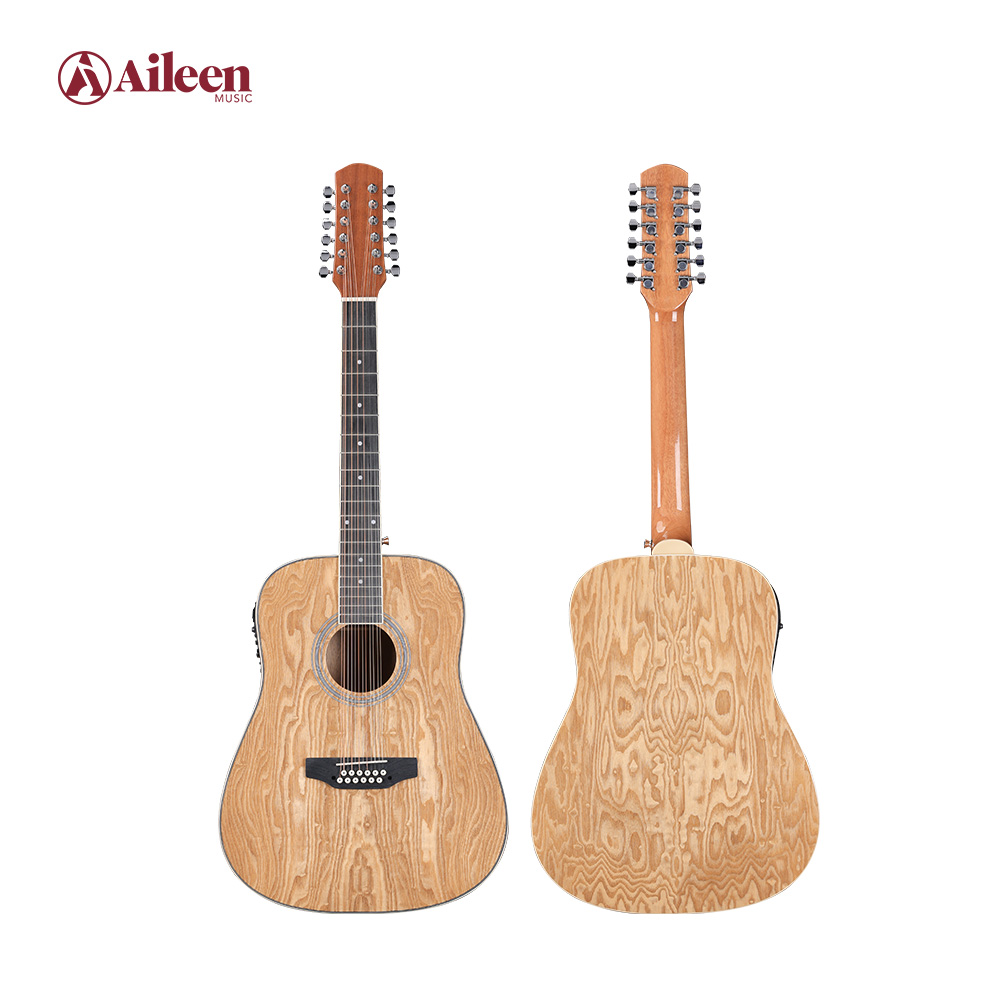
AF55E-12 Factory Folk String Instrument 44' Quilted Ash Plywood Top 12 Strings Acoustic Guitar
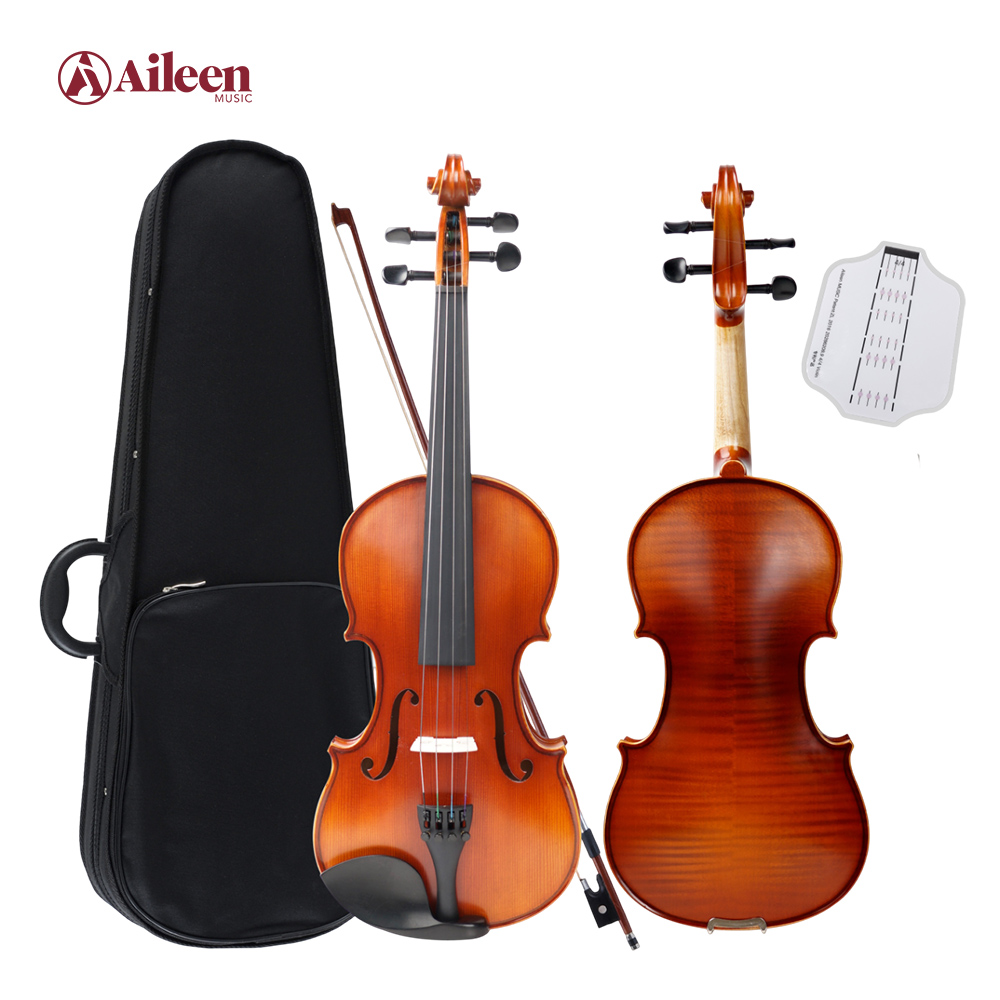
VG210H Hot Sale 4/4-1/16 Solid European Spruce Top Student Violin Set with Student Case, Rosin, Upgrade Bridge
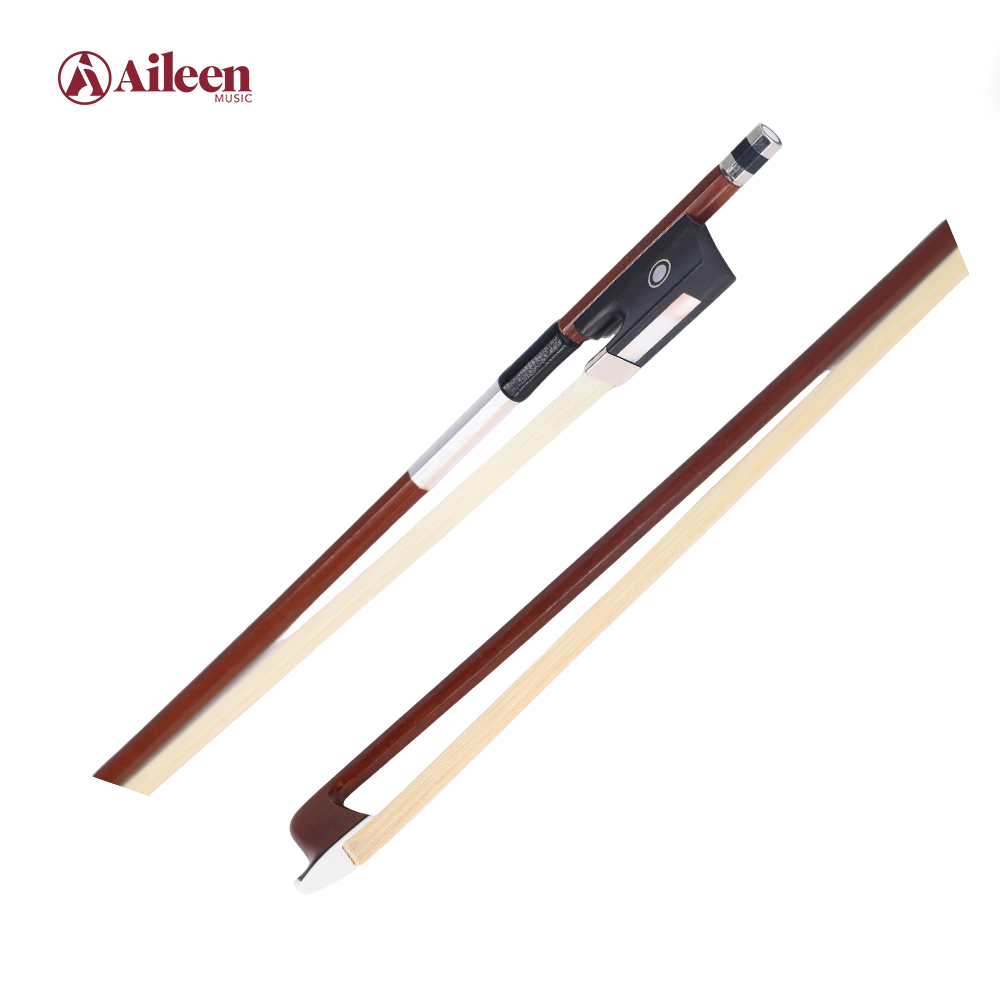
WV780 Durability and Elegance Octagonal Brazilwood Stick Violin Wooden Bow
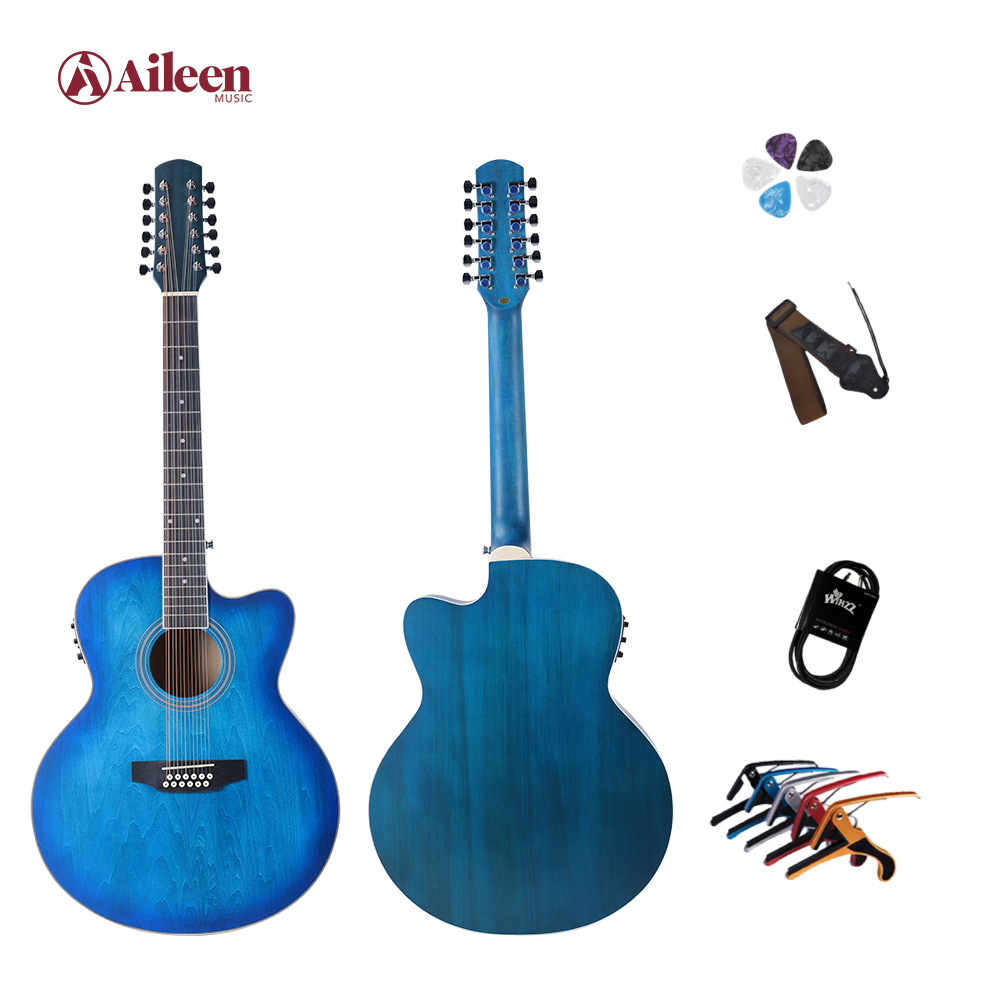
AF-H01LCE New Hand Rubbed Finish 12 Strings Acoustic Guitar
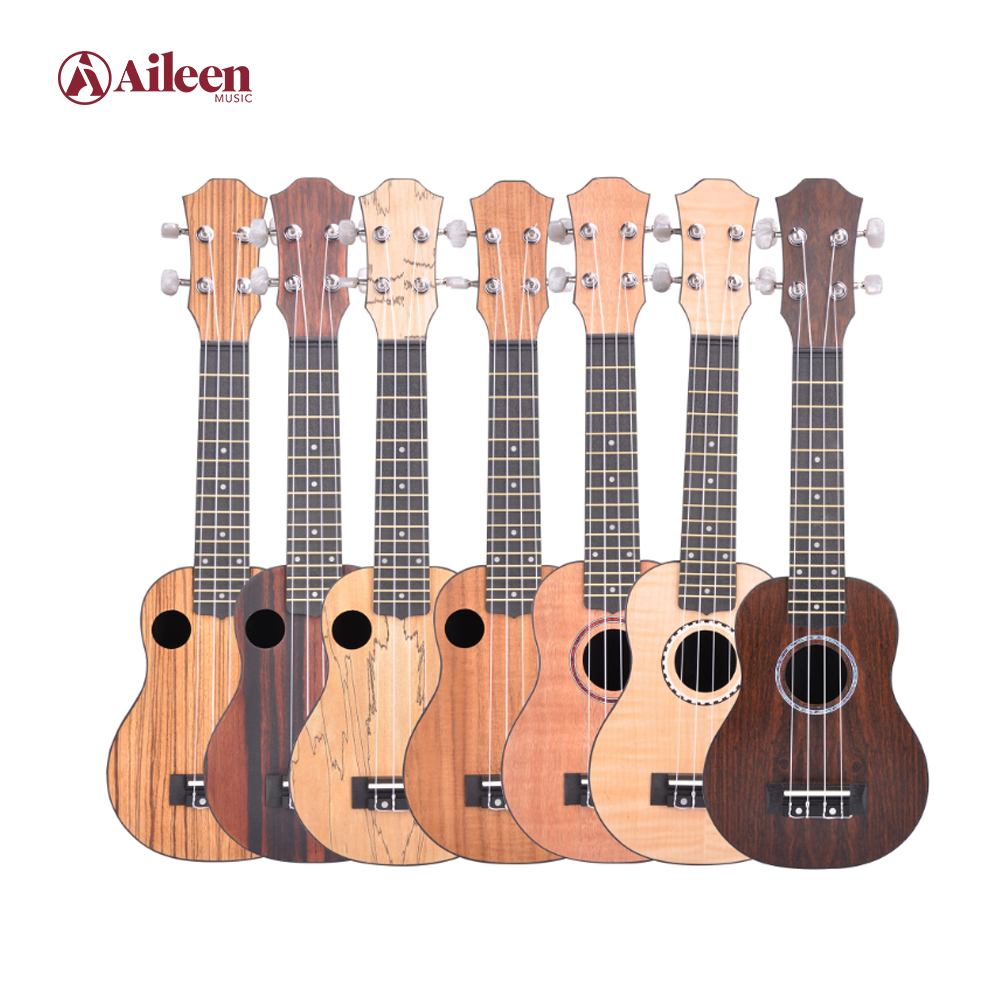
AU-P02 Wholesale 21'' Composite Material Top Options Ukulele
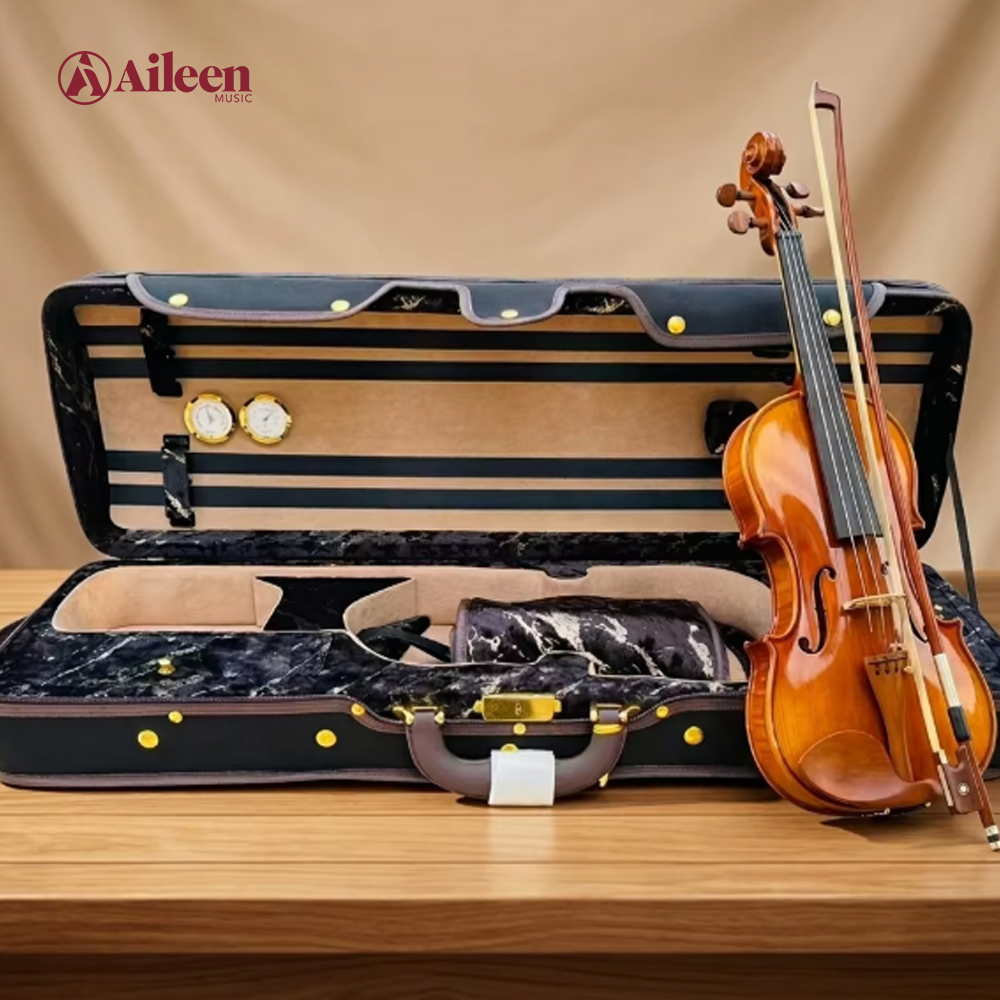
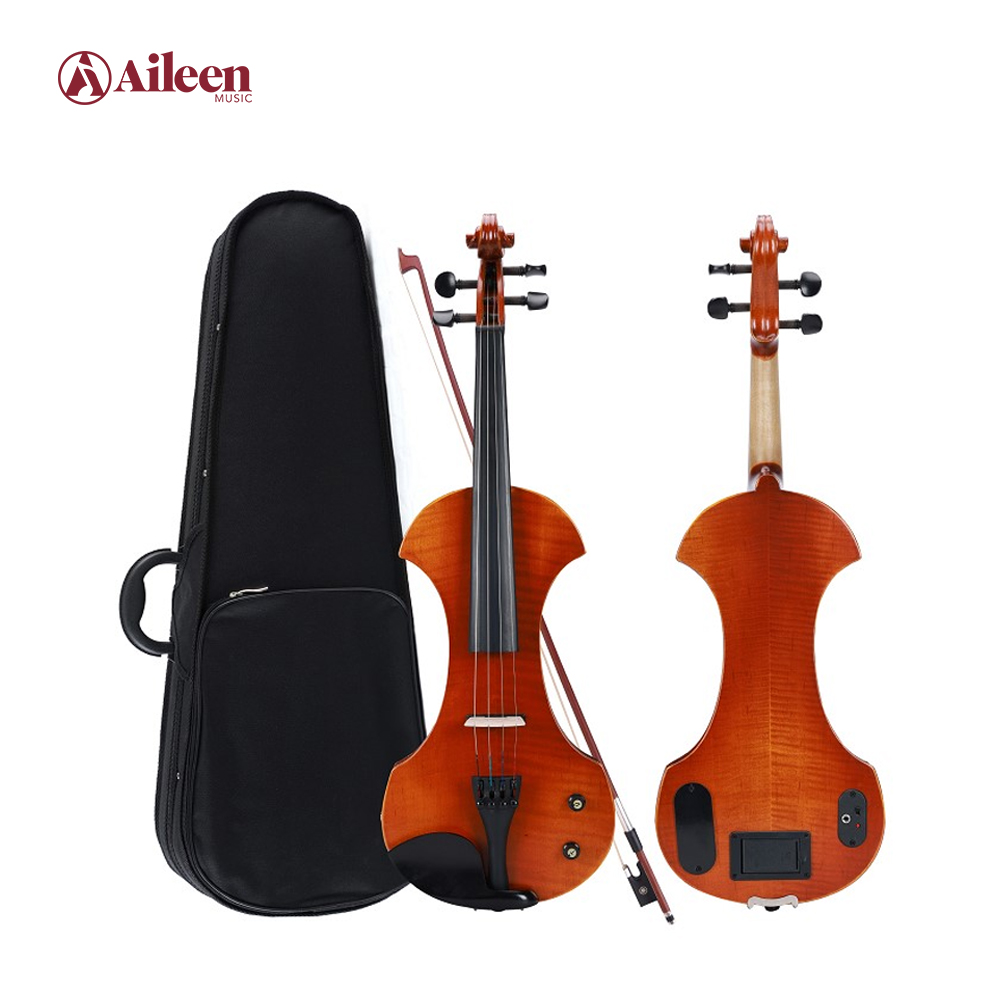
AileenMusic Oblong Shape 4/4 Deluxe Foamed Violin Light Case CSV071A3
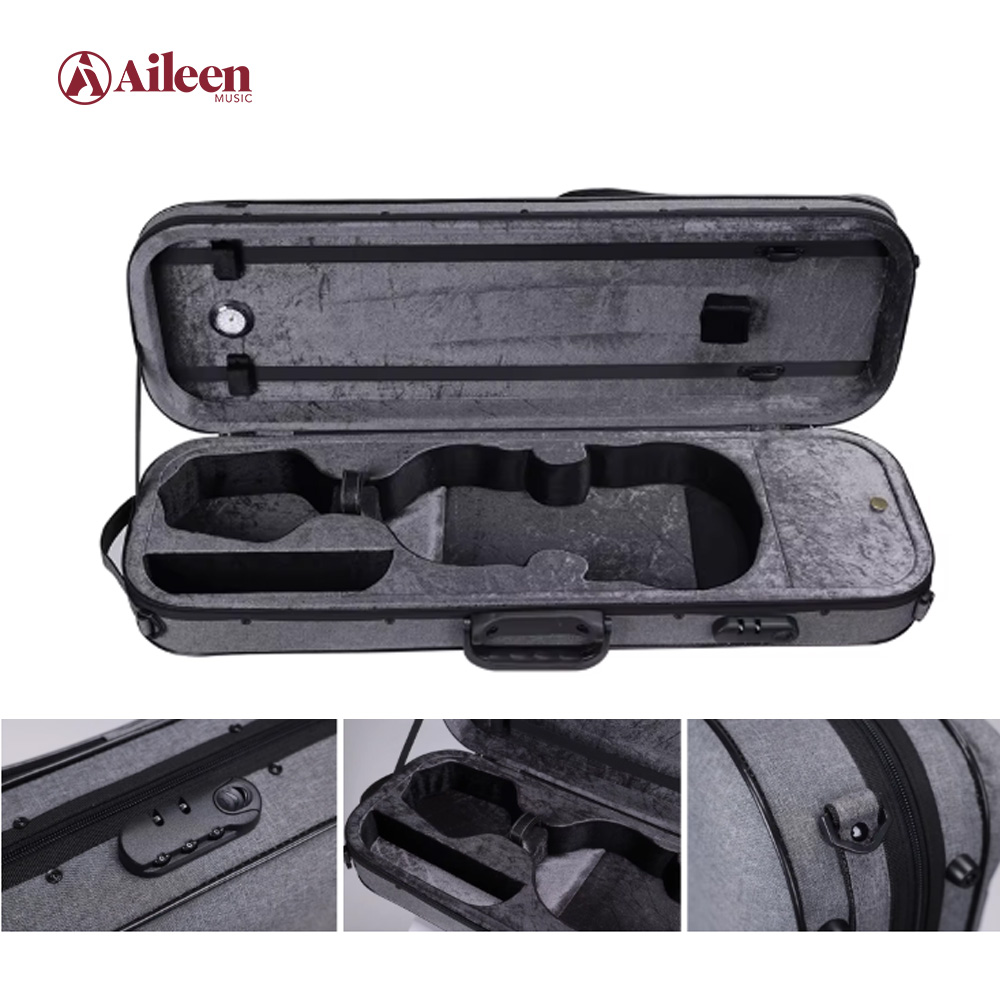
CSV327BH Oblong Shape Deluxe Foamed Light Violin Case with Hygrometer & Latch
Executive Whitepaper: The Evolution of Chinese Guitar Manufacturing & Global Supply Dynamics
Over the past three decades, China has transitioned from a high-volume assembly hub into the world's most advanced center for precision fretted instrument engineering and acoustic research. As global musical instrument brands, regional wholesalers, and e-commerce retail networks seek higher margin stability amidst changing trade policies and shifting consumer expectations, evaluating the structural capabilities of top-tier Chinese guitar suppliers becomes a strategic imperative.
Today, leading guitar manufacturing ecosystems—primarily centered across specialized industrial corridors in Jiangsu, Shandong, and Guangdong—integrate automated industrial robotics with heritage acoustic craftsmanship. This industrial synergy allows B2B buyers to acquire OEM and ODM instruments that conform to international pitch accuracy, structural wood stability, and environmental compliance standards at price points unmatchable by Western workshops.
Key Strategic Takeaway: Modern guitar manufacturing in China is no longer defined by labor arbitrage. It is driven by automated CNC precision, micro-climate timber seasoning technology, and ISO-standardized Quality Assurance workflows that mitigate post-import return rates.
1. Technological Milestones in Contemporary Guitar Production
Acoustic and electric guitar production involves managing dynamic organic materials subject to hygroscopic shifts. Top Chinese factories have systematically solved historical production vulnerabilities through four major industrial innovations:
Computerized CNC Machining
High-speed, 5-axis CNC routers carve necks, headstocks, and body soundboards to tolerances within ±0.05mm. This eliminates human deviation in joint seating, truss rod channel placement, and fretboard radius alignment.
- Zero neck pocket play
- Identical fret slot depths
Thermal Wood Torrefaction
Advanced kilns dry and bake spruce, maple, and mahogany in oxygen-deprived chambers. This artificial aging process caramelizes sugars, reduces moisture equilibrium to 6-8%, and prevents body cracking across extreme climates.
- Vintage tone resonance
- Climate warp protection
Eco-Friendly UV Finishing
Automated electrostatic spraying booths apply ultra-thin Polyurethane and UV-cured acrylic coatings. The instant UV curing light locks the finish, allowing maximum body resonance while remaining fully REACH and RoHS compliant.
- Ultra-thin coating thickness
- Zero VOC toxicity compliance
Market Forecasting
Future Sourcing & Procurement Trends (2025–2030)
How global distributors are re-engineering their instrument supply chains for sustainability, speed-to-market, and higher gross retail margins.
1. The Shift Toward Sustainable & CITES-Compliant Tonewoods
Global regulatory enforcement under CITES Appendix II regarding traditional Dalbergia (Rosewood) variants has reshaped international timber procurement. Forward-thinking guitar factories in China have pioneered high-tech material substitutes that satisfy ecological mandates while preserving acoustic performance:
| Traditional Timber | Sustainable OEM Alternative | Acoustic & Mechanical Benefits | Regulatory Advantage |
|---|---|---|---|
| Brazilian/Indian Rosewood | High-Density Roasted Laurel / Engineered Ebony | Equal density (0.85g/cm³); excellent fret wire retention and oily feel. | 100% CITES Exempt; zero customs seizure risk. |
| African Mahogany (Swietenia) | Quilted Ash Plywood / Okoume / Roasted Sapele | Enhanced mid-range clarity; lighter body weight reduces shipping tariffs. | FSC Certified; rapid renewable harvesting. |
| Gabon Ebony (Violin Fittings) | Carbon-Fiber Composite / High-Grade Techwood | Immune to humidity cracking; absolute color uniformity without artificial dye. | Universal international port clearance. |
2. Multi-Category Order Consolidation
Historical sourcing models forced importers to manage separate purchase orders across disparate factories for acoustic guitars, electric basses, violins, brass wind instruments, and protective flight cases. The modern B2B standard emphasizes single-source multi-category consolidation.
By partnering with integrated enterprise suppliers such as Chive Music Co., Ltd. (operating with brand lines including Winzz, Lexington, and Chive), importers consolidate diverse SKUs into single 20ft or 40ft High Cube containers. This logistics strategy yields three distinct commercial advantages:
- Drastic Freight Cost Reduction: Nesting gig bags and light foamed violin cases (e.g., CSV071A3, CSV327BH) inside outer shipping voids reduces dimensional weight tariffs by up to 28%.
- Lower Minimum Order Quantities (MOQ): Importers test experimental SKUs—such as 12-string cutaway acoustic-electrics (AF55E-12, AF-H01LCE) or 5-string active electric basses—with low per-item thresholds (1–10 pieces) when consolidated alongside core student violin kits (VG210H).
- Streamlined Customs & Documentation: Single Bill of Lading (B/L), unified Certificate of Origin (Form A/E), and standardized HS Code documentation reduce port clearance delays.
Why Partner With Us
Enterprise Advantages of Chive Music Co., Ltd.
Combining 30 years of manufacturing lineage with global export authority to safeguard your supply chain.
In-House Production & Control
Founded in 1993, our 79-person production facility in Nanjing, Jiangsu manages wood machining, polishing, painting, assembly, setup, and final export packing under strict internal supervision.
- Direct factory ownership
- Zero middleman markups
Global Authority & Credentials
Permanent NAMM member since 2003, CCPIT member since 2005, and ranked No. 195 in the Music Trades Global 225. Honored as a Famous Export Brand and CMIA AAA Grade Credit Enterprise.
- BV, SGS & TÜV inspected
- 8 National Patents held
Comprehensive OEM / ODM Customization
From private-label laser headstock branding and custom rosette inlay artwork to custom electronic circuitry (e.g., active preamps in electric violins), we tailor products to your target audience.
- Sample-based development
- Retail-ready box branding
The 13-Step Quality Assurance Production Protocol
Every guitar, violin, and wind instrument produced in our facility undergoes a rigorous 13-stage manufacturing process to ensure absolute playing comfort, structural stability, and surface finish brilliance upon arrival at your warehouse:
Step 01: Tonewood Selection & Moisture Auditing
Step 02: Precision CNC Body & Neck Milling
Step 03: Hand-Sanding & Surface Leveling
Step 04: Purfling & Binding Installation
Step 05: Dovetail Neck Joint Assembly
Step 06: Multi-Layer Sealer Base Application
Step 07: Dust-Controlled Color Lacquer Spraying
Step 08: Automated UV/Heat Curing Chamber
Step 09: High-Buff Mirror Polishing
Step 10: Fret Wire Crowning & Edge Dressing
Step 11: Pickup Electronics & Hardware Installation
Step 12: Master Luthier Action Setup & Play-Testing
Step 13: Drop-Test Approved Export Moisture-Sealed Packaging
Buyer Guidance
Frequently Asked Sourcing Questions (FAQ)
Essential technical and commercial information for international musical instrument purchasing managers.
What is the standard Minimum Order Quantity (MOQ) for wholesale orders?
Depending on the instrument SKU, our flexible MOQ structure starts from 1 to 10 pieces. Electric violins and 12-string acoustic guitars generally start at 2–6 units, student violins at 8 units, and composite ukuleles at 10 units. We actively support consolidated multi-category trial containers.
How do you handle OEM/ODM private label logo customization?
We provide comprehensive branding customization including laser-etched headstock logos, screen-printed interior soundhole labels, custom brand box artwork, branded padded gig bags, and molded metal badges for instrument cases. Sample approval is finalized prior to mass production.
How does your factory prevent wood warping and neck distortion in cold or dry climates?
All tonewoods undergo prolonged natural seasoning followed by computerized kiln drying and thermal torrefaction to stabilize moisture levels between 6% and 8%. Furthermore, dual-action steel truss rods are installed in all acoustic and electric guitar necks, allowing precise adjustments across seasonal humidity variations.
What quality control third-party inspection options are supported?
In addition to our internal ISO 9001 certified QA team, we welcome third-party pre-shipment inspections appointed by buyers, including SGS, Bureau Veritas (BV), TÜV Rheinland, and Intertek. Comprehensive inspection reports and playability videos are provided prior to container sealing.
Can I combine violins, guitars, and wind instruments into a single shipment?
Yes. As an integrated manufacturer and exporter with multi-category production lines (orchestral strings, fretted guitars, brasswind, woodwind, percussion, and accessories), we specialize in consolidated container shipments that lower total sea freight costs and minimize inventory holding risks.
What international export certifications and industry awards do you hold?
Chive Music Co., Ltd. holds ISO 9001 quality management certification, has been a permanent NAMM Show member in the US since 2003, a CCPIT member since 2005, was ranked No. 195 in the Music Trades Global 225 (2017), and holds a AAA Grade Credit Enterprise award from the China Musical Instrument Association.