High-Volume Export Instruments & Accessories
Engineered for global distributors, retail chains, and educational procurement networks with stringent OEM/ODM standards.
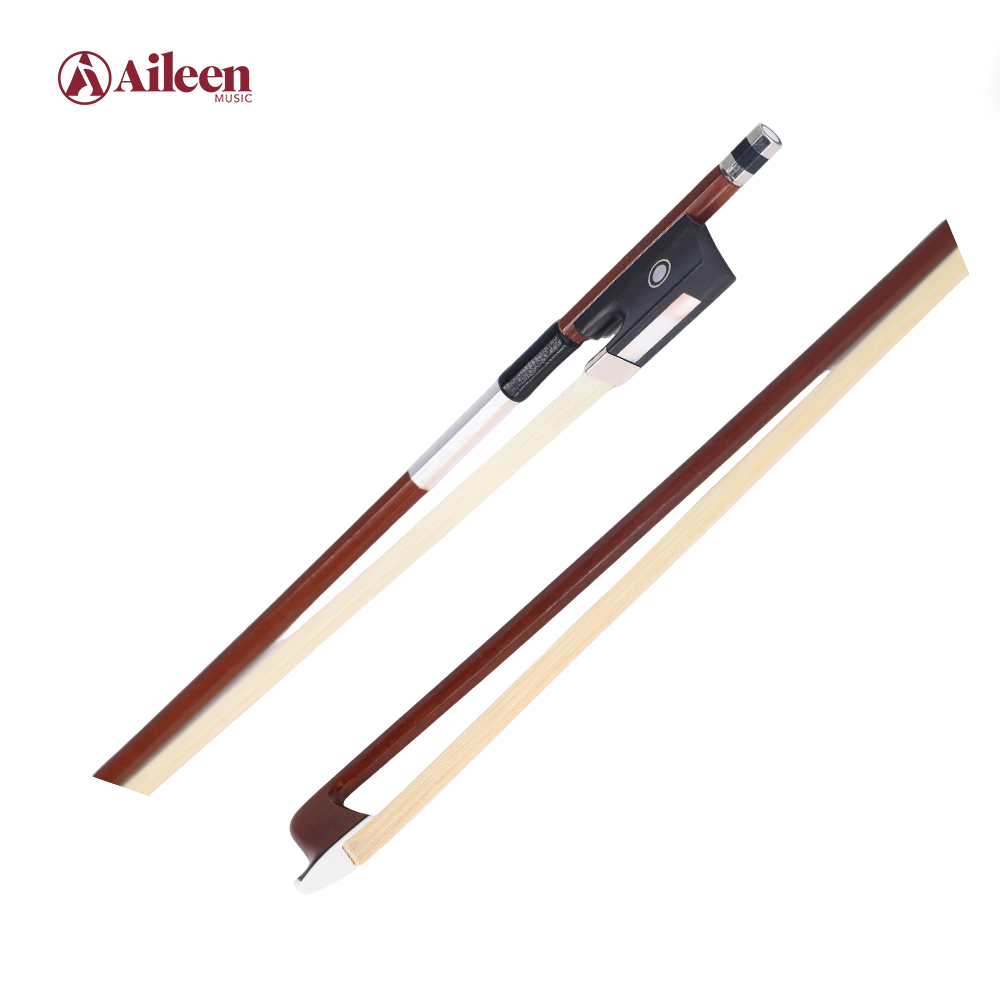
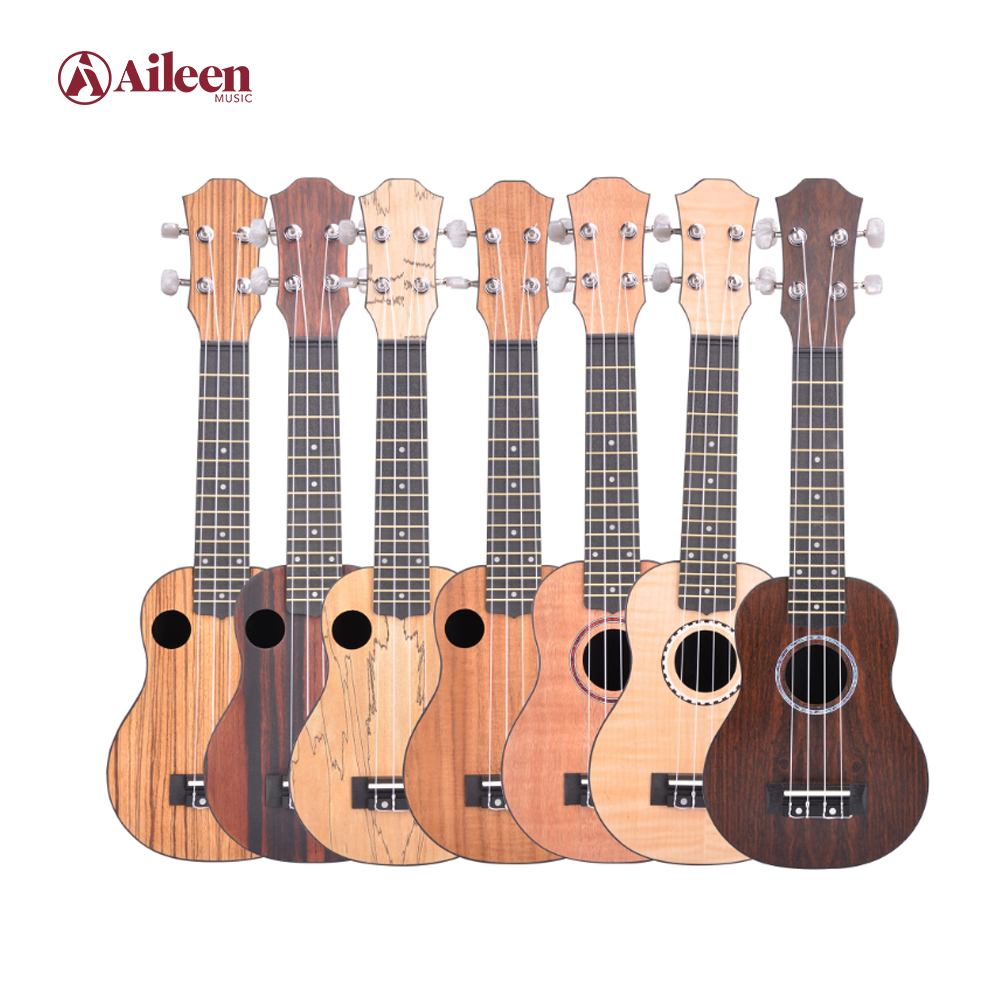
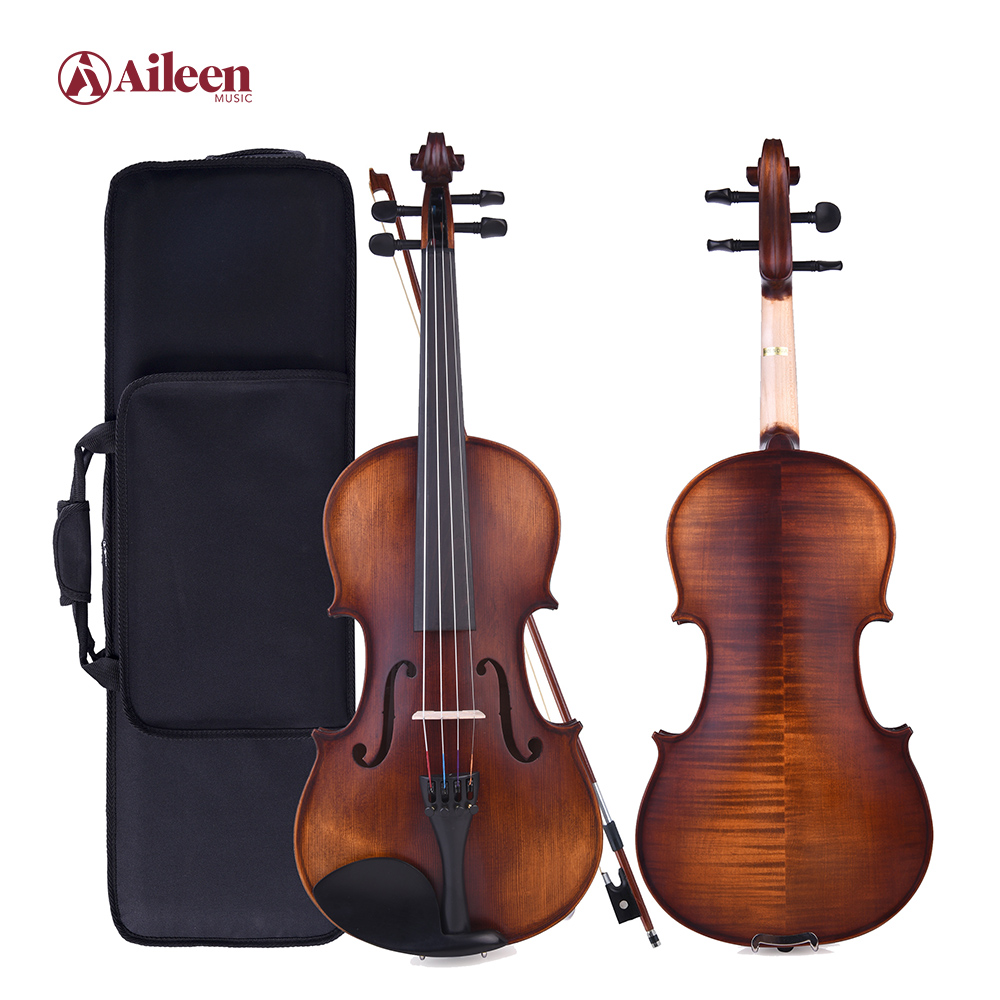
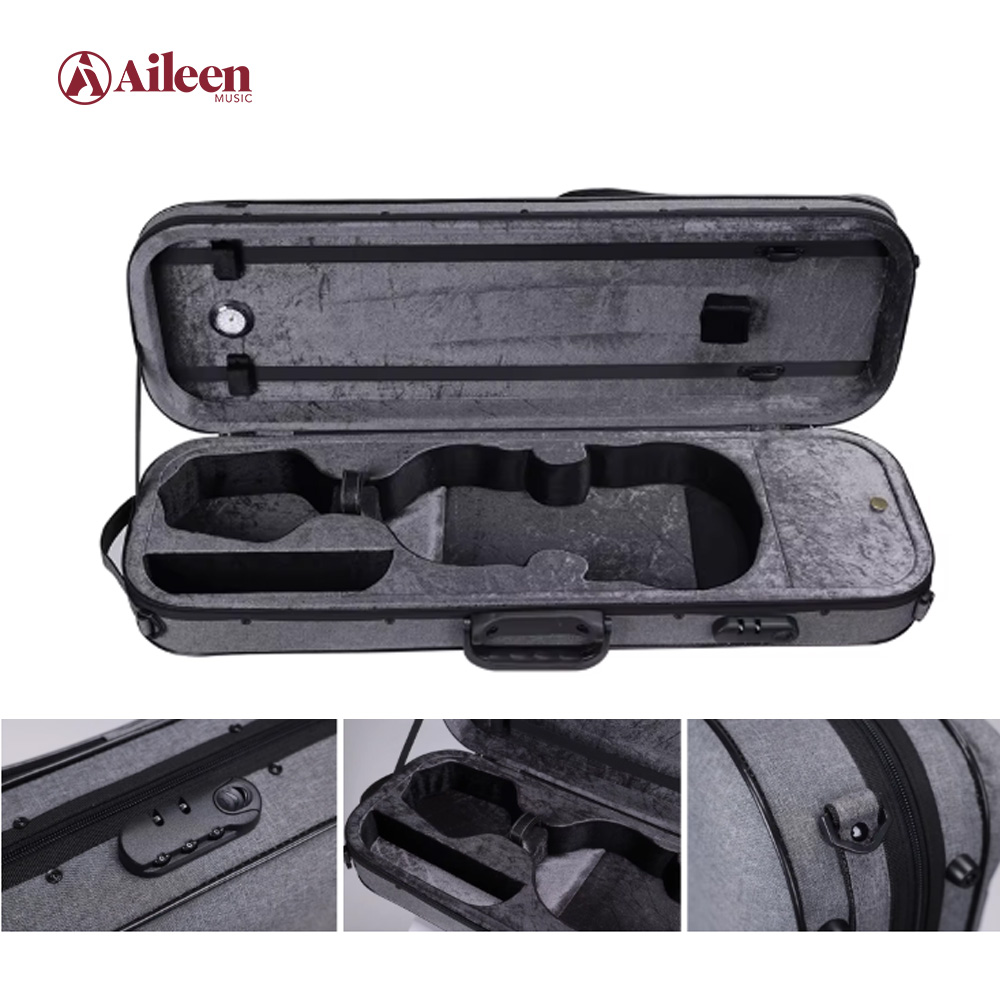
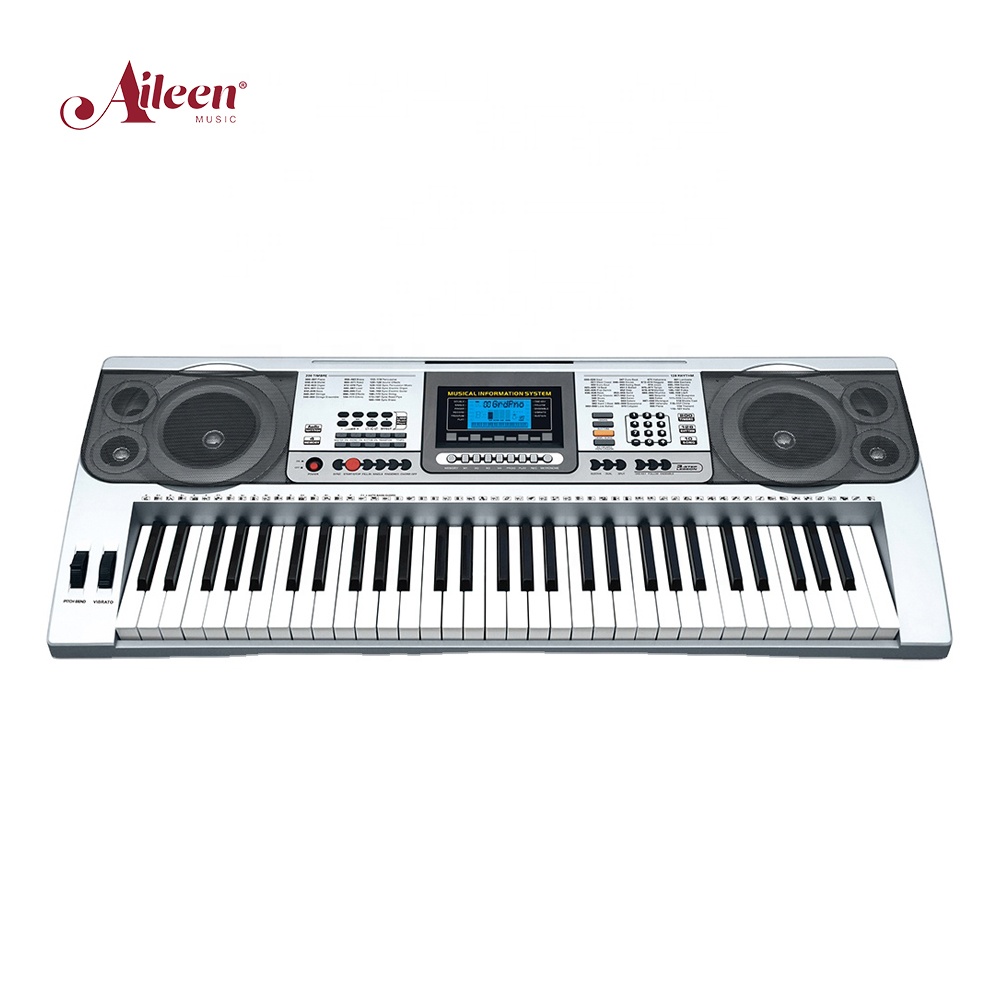
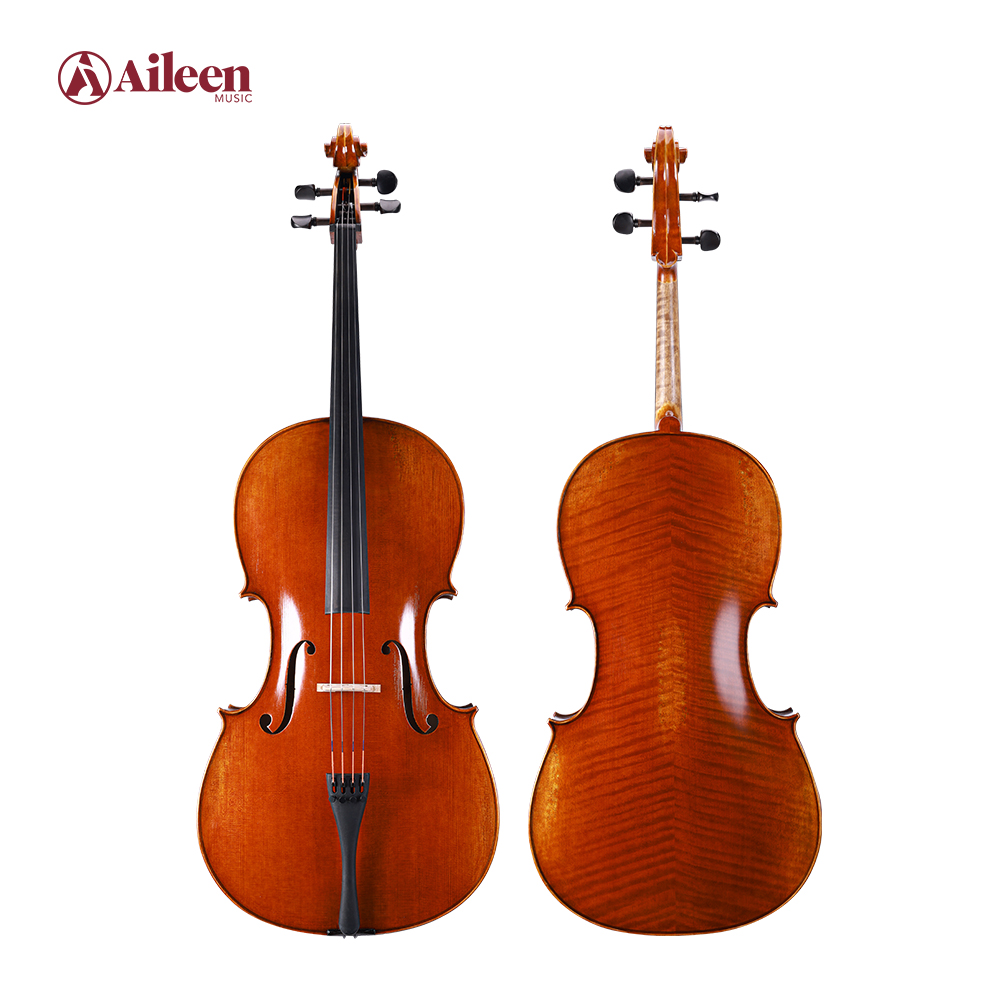
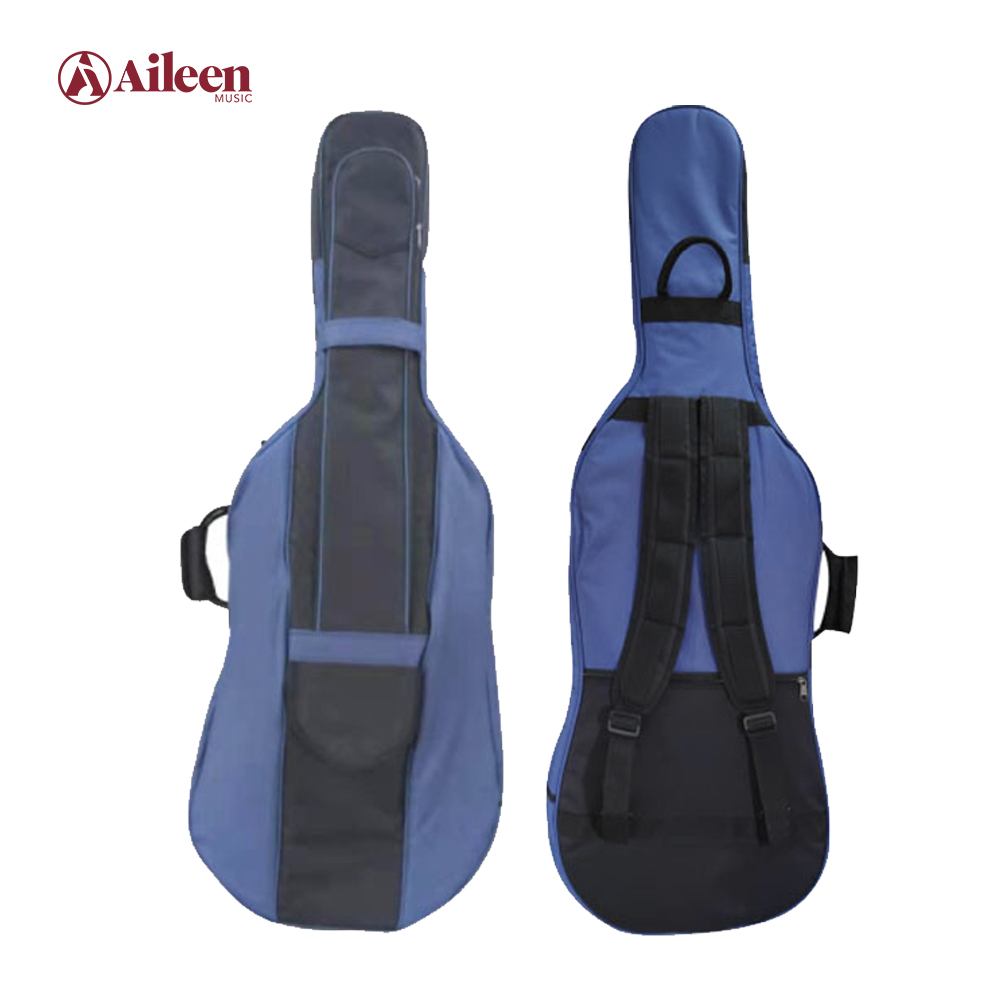

Enterprise Competencies: China’s Strategic Guitar & Musical Instrument Manufacturing Ecosystem
In the global musical instrument sector, selecting a primary original equipment manufacturer (OEM) and original design manufacturer (ODM) requires an in-depth analysis of supply chain reliability, manufacturing infrastructure, and strict quality assurance protocols. Operating from Nanjing, Jiangsu, Chive Music Co., Ltd. (established in 1993) represents a premier manufacturing enterprise specializing in high-volume export of stringed instruments, fretted acoustic and electric guitars, band instruments, and digital musical gear.
Ranked No. 195 in the prestigious Music Trades Global 225 rankings and awarded an AAA Grade Credit Enterprise status by the China Musical Instrument Association (CMIA), Chive Music operates a vertically integrated production ecosystem. Combining traditional luthiery with automated CNC precision routing and climate-controlled curing chambers, the enterprise delivers reliable tonal quality across massive production volumes.
30+ Years Industry Legacy
Established in 1993, supported by 79 skilled artisans, specialized luthiers, and international trade professionals managing export operations across 100+ countries.
Certified Quality Control
ISO 9001 quality management framework backed by independent third-party factory audits by Bureau Veritas (BV), SGS, and TÜV Rheinland.
Global Brand Portfolio
Proprietary brands including Winzz (guitars & fretted instruments), Lexington (percussion & brass), and Chive (orchestral strings) alongside custom private label OEM services.
Technology & Material Innovation Trends in Modern Guitar Manufacturing
The global guitar export sector is experiencing a technological evolution driven by changing environmental regulations, automated manufacturing, and modern acoustic engineering. Global procurement officers must understand these macro development trends when selecting manufacturing partners in China:
1. Precision Automated CNC Carving & Neck Profile Standardization
Historically, entry-to-mid-tier guitars suffered from human inconsistency in hand-carved neck heels, fingerboard radii, and internal bracing alignment. Leading Chinese manufacturers now utilize multi-axis CNC routing systems capable of machining tonewood components to tolerances within ±0.05mm. This precision eliminates fret buzz, stabilizes truss rod placement, and ensures that a private-label guitar neck produced today perfectly matches re-orders five years later.
2. Eco-Friendly Finishing & Electrostatic UV Curing
Stringent international environmental standards—such as REACH, RoHS, and local VOC emission laws—have transformed spray booth technologies. Leading exporters have replaced volatile solvent-based nitrocellulose coatings with automated electrostatic UV-cured polyurethane and acrylic finishes. This transition shortens finish curing times from weeks to minutes while creating a thinner, harder protective shell that minimizes dampening of the natural acoustic resonance of spruce and mahogany tops.
3. Sustainable Tonewood Alternatives & CITES Compliance
With global trade restrictions under CITES (Convention on International Trade in Endangered Species) regulating traditional Dalbergia (Rosewood) species, forward-thinking manufacturers have shifted to certified sustainable tonewood alternatives. High-pressure laminates (HPL), thermally modified (roasted) maple, carbon fiber neck reinforcement rods, and composite bridge materials allow global importers to bypass complex CITES export permit delays while enhancing structural stability against extreme climate fluctuations.
Future Sourcing & Global Supply Chain Dynamics (2025–2030)
For international buyers, music store chains, and institutional education suppliers, procurement strategies are shifting from purely unit-cost evaluations toward holistic supply chain resilience, brand customization, and SKU consolidation.
SKU & Container Consolidation
Distributors no longer wish to split purchasing orders across multiple specialized factories. Modern B2B buyers favor single multi-category suppliers capable of consolidating violins, acoustic guitars, brasswinds, gig bags, and digital keybeds into a single 40ft High Cube container, significantly reducing sea freight and clearance costs.
Hybrid OEM/ODM Private Labeling
Rather than designing instruments from scratch, brand owners leverage proven factory platforms (ODM) and customize cosmetic hardware, headstock contours, inlay laser engraving, dual-padded gig bag badging, and retail box graphics, cutting time-to-market by up to 60%.
Stringent Quality Audits & Traceability
B2B importers increasingly demand digital pre-shipment inspection reports, including acoustic frequency testing, humidity logs, fret-level laser scans, and carton drop-test verifications to prevent expensive end-user returns in destination markets.
Accelerate Your Musical Instrument Sourcing Strategy
Partner with an established OEM/ODM exporter with 30+ years of manufacturing experience, ISO 9001 quality compliance, and global logistical capabilities.
Send an InquiryFrequently Asked Questions for Global B2B Importers
Essential answers regarding factory capabilities, order logistics, quality assurance, and custom manufacturing processes.
Request Your Custom OEM/ODM Quotation Today
Connect directly with our senior export engineering team. Receive technical specification sheets, wholesale price lists, and sample delivery timelines within 24 business hours.
Send an Inquiry