Featured Export Catalog & Recommended Supply Stock
Verified B2B inventory across stringed, fretted, keyboard, and wind categories available for OEM consolidation and bulk container shipments.
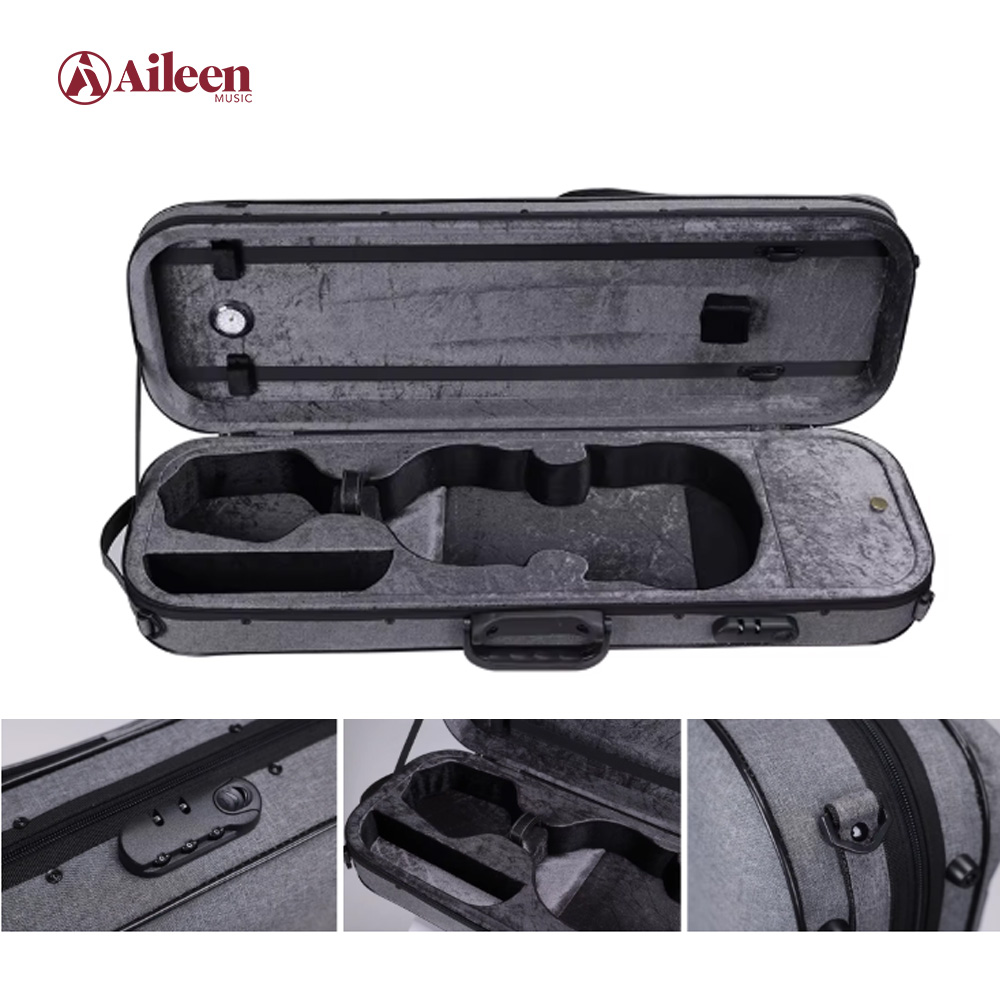
CSV327BH Oblong Shape Deluxe Foamed Light Violin Case with Hygrometer & Latch
View Product
China Factory Professional USB Midi 61 Keys Electric Keyboard (AEK6101)
View Product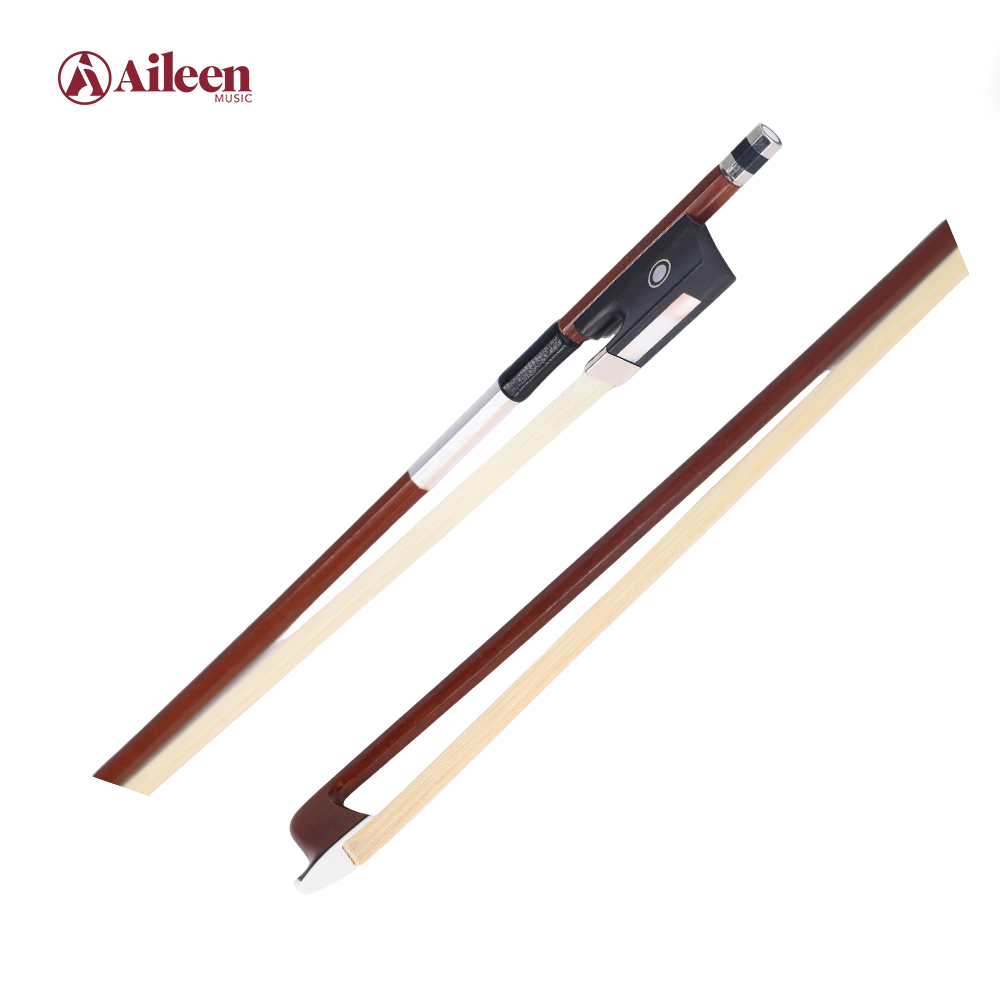
WV780 Durability and Elegance Octagonal Brazilwood Stick Violin Wooden Bow
View Product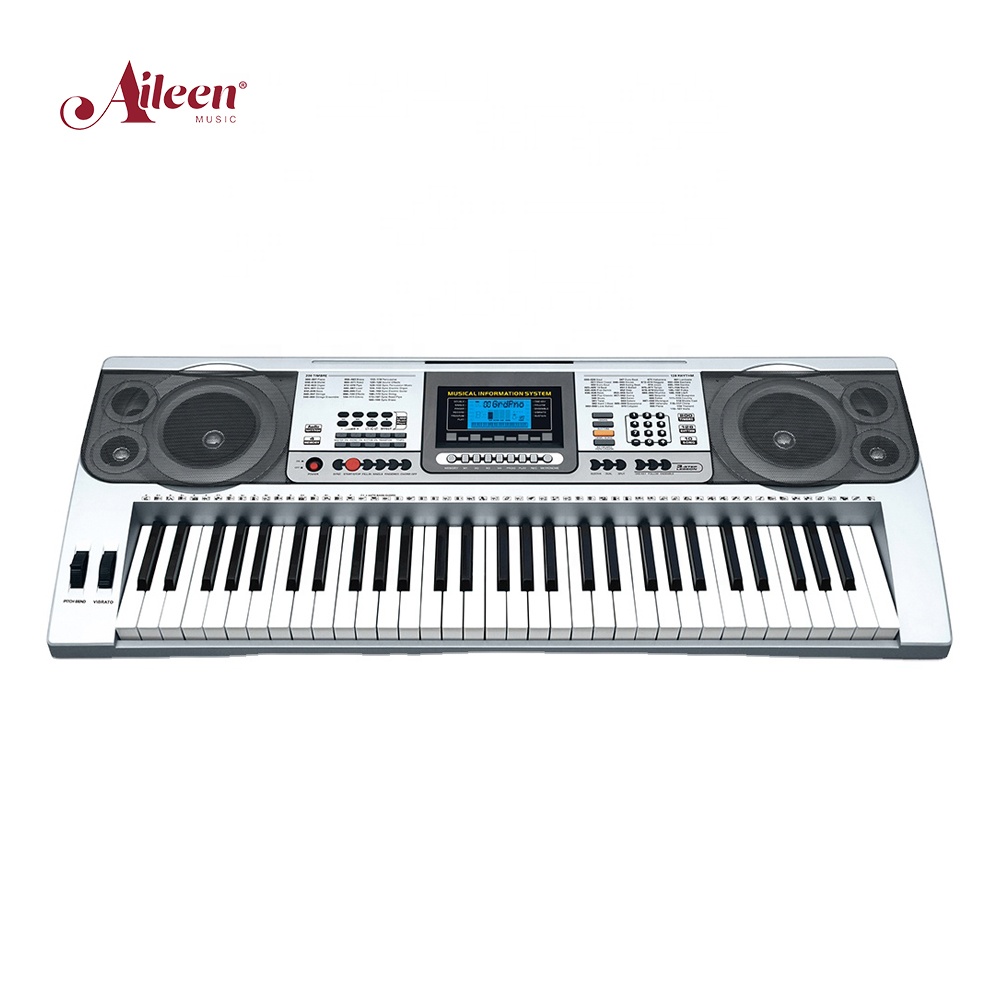
61 Keys Hot Selling LCD Display Simulation Electric Piano Keyboard (EK61222)
View Product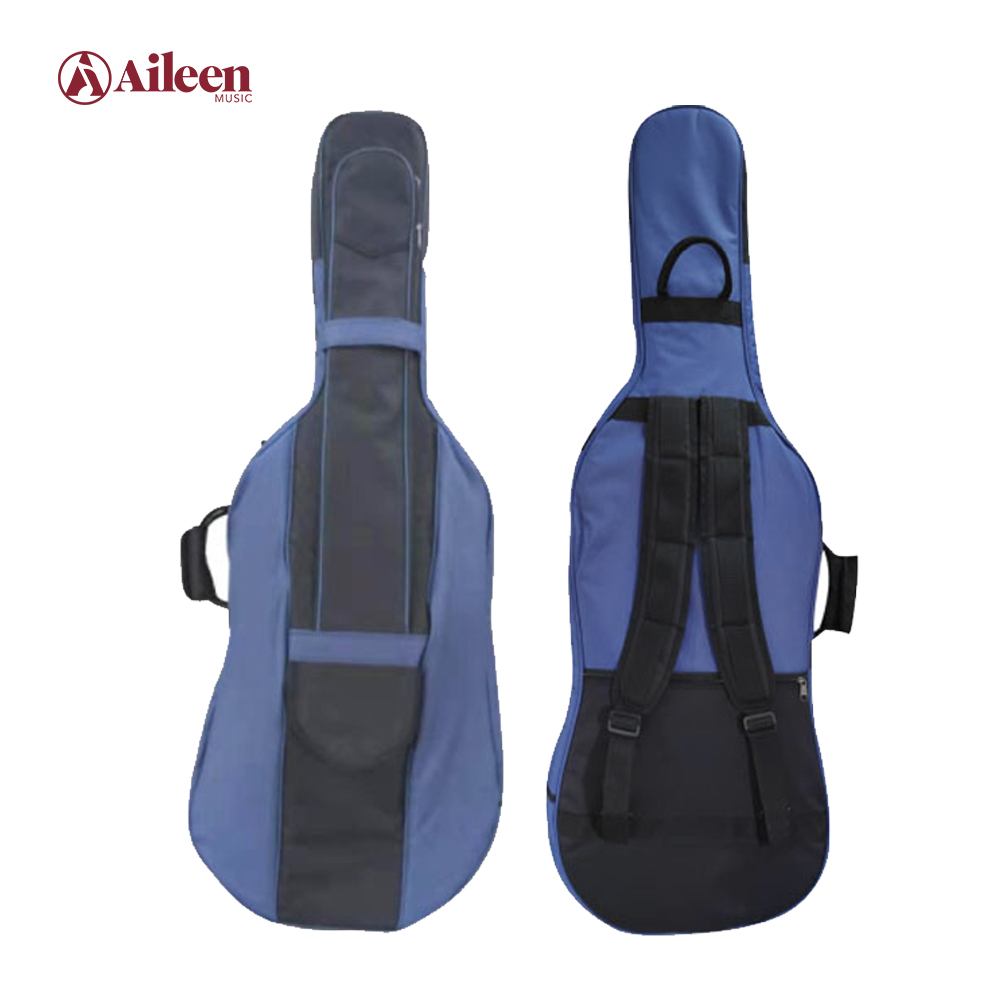
BGC014H Color Available 20mm Thick Padding Soft Carrying Handles 4/4-1/16 Cello Soft Bag
View Product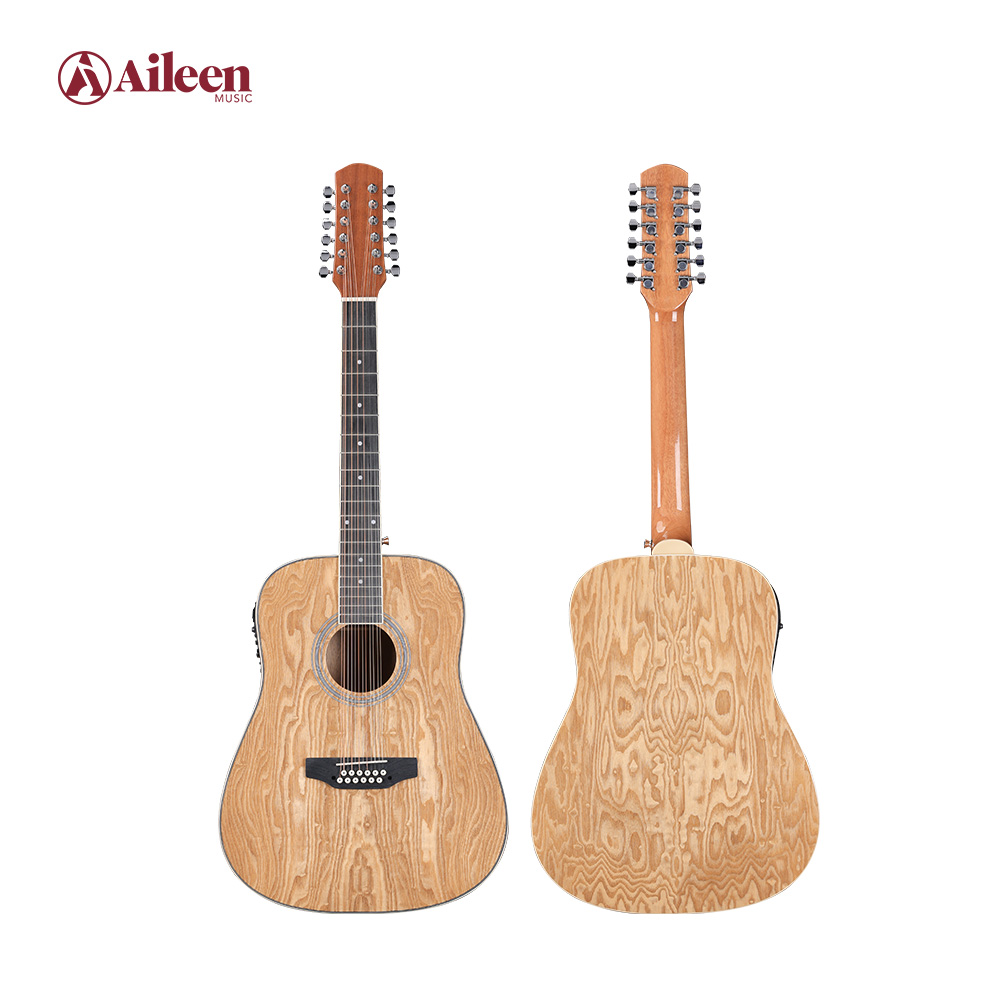
AF55E-12 Factory Folk String Instrument 44' Quilted Ash Plywood Top 12 Strings Acoustic Guitar
View Product
34 Button 12 Bass 3/0 Register Diatonic Button Accordion (B3412)
View Product
Wholesale 40" Cutaway Beginner Acoustic Guitars for Sale(AF-H00LC)
View ProductExecutive Sourcing Guide: Decoding China’s Instrument Manufacturing Ecosystem
In the evolving landscape of global musical instrument procurement, identifying a trustworthy partner among China top guitar supplier manufacturers & manufacturer networks requires a deep understanding of production engineering, wood seasoning science, and OEM compliance standards. Over the last three decades, China has transitioned from high-volume, low-cost assembly to state-of-the-art lutherie engineering, combining computerized 5-axis CNC machining with traditional hand-finishing techniques.
This B2B procurement whitepaper provides procurement directors, wholesale distributors, school band suppliers, and retail chain managers with verified information gain regarding guitar sourcing, OEM custom branding workflows, and quality assurance benchmarks necessary to de-risk overseas manufacturing contracts.
Enterprise Standing & Operational Credentials (Chive Music / Aileen Music Co., Ltd.)
Established in 1993, Chive Music Co., Ltd. (operating in alignment with Aileen Music) stands as an industry benchmark in musical instrument manufacturing and export. Our corporate credibility is backed by measurable industry recognition and rigorous third-party auditing:
Our operational footprint encompasses complete multi-category production capabilities across three core proprietary brands: Winzz (guitars and fretted stringed instruments), Chive (orchestral bowed strings including violins, violas, cellos, and double basses), and Lexington (percussion, marching band drums, and brasswind instruments). Our permanent NAMM membership since 2003 and CCPIT affiliation since 2005 further confirm our commitment to global industry compliance and buyer protection.
Macro Industry Development Trends in Guitar Manufacturing
To maintain market competitiveness, global buyers must align their procurement strategies with four key technological and environmental shifts shaping China’s guitar and string instrument manufacturing sector:
1. Torrefaction & Climate Stabilization
Thermal modification (torrefaction) bakes tonewoods in oxygen-free kilns at temperatures exceeding 180°C. This process crystallizes hemicellulose, rendering spruce, mahogany, and maple immune to sudden humidity drops while imparting the resonant acoustic characteristics of vintage instruments.
2. Automated Precision & Hand-Voicing
Modern factories deploy automated 5-axis CNC cutters to carve neck profiles, fretboard radius slots, and body carves within tolerances of ±0.05mm. Human lutherie expertise is concentrated where it matters most: hand-voicing top bracing, fret edge dressing, and fine varnish application.
3. Eco-Tonewoods & CITES Compliance
With strict international regulations on Rosewood (Dalbergia) and ebony species under CITES Appendix II, Chinese manufacturers have pioneered sustainable alternatives such as High-Density Technical Wood (HDTW), Laurel, Richlite, and sustainably harvested domestic engineered composites.
4. Hybrid Acoustic-Electric Smart Tech
B2B retail demand is rapidly shifting toward acoustic-electric guitars equipped with onboard digital sound processors (DSP), piezo-transducers, microphone blends, integrated Bluetooth receiver modules, and impulse-response (IR) speaker modeling for silent practice and direct recording.
Future Procurement Trends: Strategic Insights for B2B Importers
Navigating global supply chain volatility demands a forward-looking procurement mindset. Major importers are restructuring their inventory acquisition models around three core supply chain shifts:
A. Strict Equilibrium Moisture Content (EMC) Control
The primary cause of post-import defect claims—such as fret sprout, neck warping, top sink, or seam splitting—is improper wood drying prior to assembly. High-tier Chinese manufacturers manage raw tonewoods in climate-controlled dehumidification chambers to achieve an Equilibrium Moisture Content (EMC) of 8% to 12% depending on the destination market's geographic profile (e.g., North America vs. Northern Europe vs. Southeast Asia).
B. Multi-Category Container Consolidation
Freight costs represent a major cost factor for distributors. Procurement managers increasingly avoid single-category orders in favor of multi-category consolidated shipments. Sourcing guitars alongside orchestral strings, gig bags, digital keyboards, and marching band percussion within a single 40ft High Cube (40HC) container optimizes container cubic meter utilization (CBM) and reduces landed logistics costs by up to 22%.
| Instrument Category | Standard Factory MOQ | Optimal CBM (Unit) | Target Quality Inspection Standard |
|---|---|---|---|
| Acoustic / Electric Guitars | 2 - 10 Pcs | 0.08 - 0.12 CBM | AQL 1.5 Major / 2.5 Minor (Action < 2.5mm) |
| Orchestral Violins & Cellos | 2 - 8 Pcs | 0.04 - 0.18 CBM | Soundpost Alignment, Bridge Fit, Peg Fitment |
| Electronic Keyboards & Pianos | 2 - 10 Pcs | 0.09 - 0.15 CBM | Key Weight Uniformity, MIDI/USB Output Test |
| Percussion & Marching Drums | 2 - 10 Pcs | 0.06 - 0.25 CBM | Shell Roundness Tolerance, Hardware Tension Test |
Quality Assurance Benchmarks: The 13-Step In-House Inspection Protocol
To eliminate pre-shipment defects, Chive Music enforces a comprehensive 13-phase quality control workflow across all guitar and instrument production lines:
- Raw Tonewood Inspection: Digital moisture meter grading across spruce tops, mahogany bodies, and maple necks.
- Rough Wood Machining: Primary shaping using computer-calibrated heavy industrial bandsaws.
- Precision 5-Axis Milling: CNC routing of truss rod channels, neck heels, and pickup cavities.
- Sub-Assembly Pressing: High-pressure hydraulic clamping of top/back bracing under controlled heat.
- Multi-Phase Sanding: Automated belt sanding followed by progressive hand sanding up to 600 grit.
- Polishing & Dust-Free Spraying: Environmental electrostatic spray booths applying thin, resonant poly-lacquer finishes.
- Controlled Curing & Drying: UV and infrared temperature-controlled curing chambers.
- Neck-to-Body Joint Calibration: Dovetail or bolt-on neck angle laser verification to ensure correct geometry.
- Hardware & Electronic Wiring: Soldering shielding, high-grade pot installation, and die-cast tuner fitting.
- Action & Intonation Setup: Precision nut slotting, saddle compensation, and truss rod adjustment for 1st-12th fret action height.
- Playability & Acoustic Testing: 100% play-test verification across all frets to check for fret buzz or dead notes.
- Export-Grade Drop-Test Packaging: Dual-wall corrugated cartons with custom styrofoam or padded gig bag inserts.
- Final Pre-Shipment Audit: Random AQL sampling by certified internal inspectors or client-appointed third-party agencies (SGS, Intertek, TÜV).
Enterprise Supply Advantages: Why Partner with Chive Music?
Selecting the right factory partner directly impacts your retail brand reputation, margin protection, and warranty overhead. Key operational advantages of working with our facility include:
-
Proven 30+ Year Track Record: Founded in 1993, we have weathered every global supply chain transition, building long-term relationships with distributors in over 100 countries.
-
Proprietary Patents & Intellectual Property: Holding 8 registered design patents (including built-in dynamic effect electric violins like the AV-D501) and 5 internationally recognized trademarks.
-
Low OEM MOQ & Private Label Support: Flexible production scheduling allows entry-level brand testing starting from low unit minimums, complete with custom headstock logos, branded cartons, and custom gig bag embroidery.
-
Comprehensive Quality Certifications: Fully certified under ISO9001 quality management systems with verified factory audit clearance from Intertek, BV, SGS, and TÜV Rheinland.
Frequently Asked Questions (B2B Procurement FAQ)
Addressing technical, logistical, and commercial inquiries routinely raised by international procurement teams during supplier evaluation.
What is the typical Minimum Order Quantity (MOQ) for custom OEM guitar orders?
How do you guarantee that tonewoods will not crack in dry northern climates?
Can we consolidate different musical instruments into a single shipment?
What certifications and international standards do your products meet?
What is the standard production lead time for bulk orders?
Partner with China's Premier Musical Instrument Manufacturer
Contact our international trade team to request OEM price lists, full PDF product catalogs, factory audit documentation, or sample arrangements.
Get a Quote