Factory-Direct Featured Export Catalog
Explore our primary OEM/ODM export lines, ranging from acoustic & classical gig bags, entry-level and performance guitars, handcrafted violins, orchestral string bags, brass instruments, to luxury wooden cases.
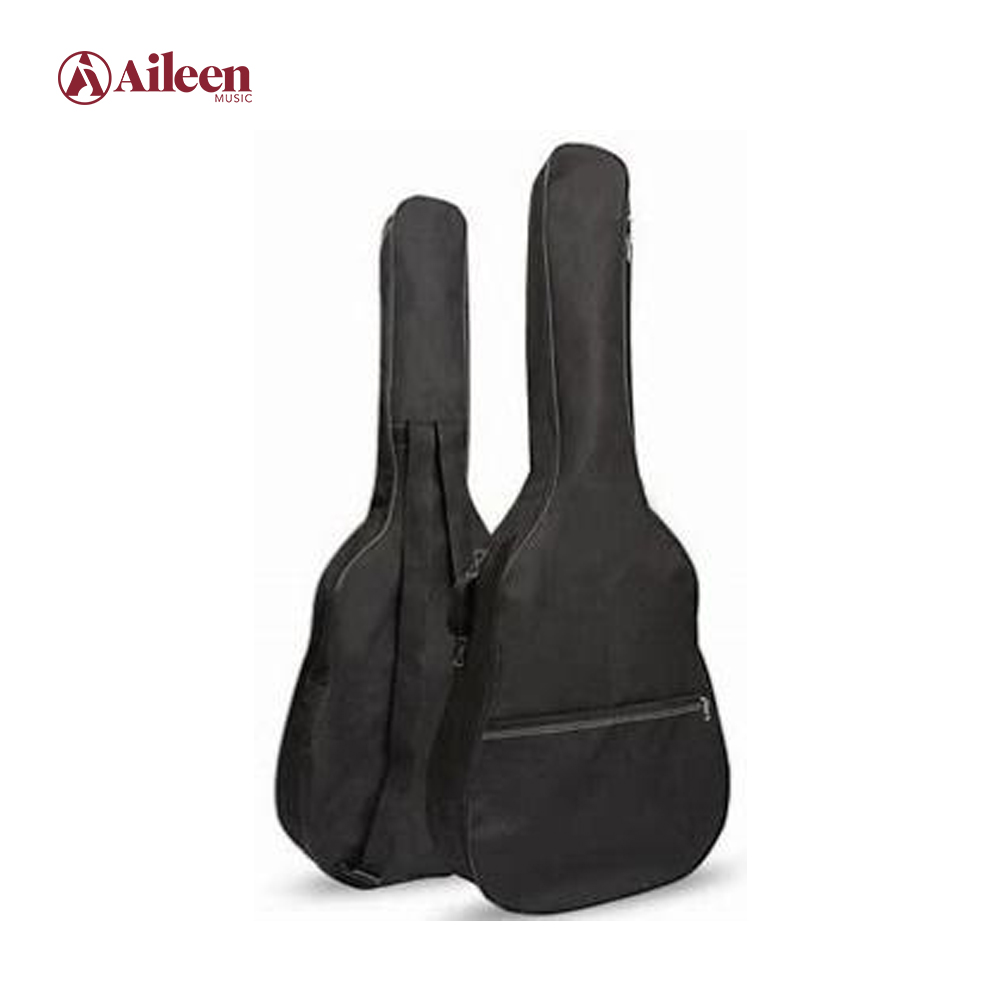
BGG602 36''/39''/40''/41'' 600D Oxford Cover Classical or Acoustic Soft Guitar Bag

Ready to Ship 40" Student Cutaway Guitare Acoustic Electric Guitar (AF238CE)

4/4 Baroque Violin, Professional Hand Made Conservatory Violin (VH500Z-A)
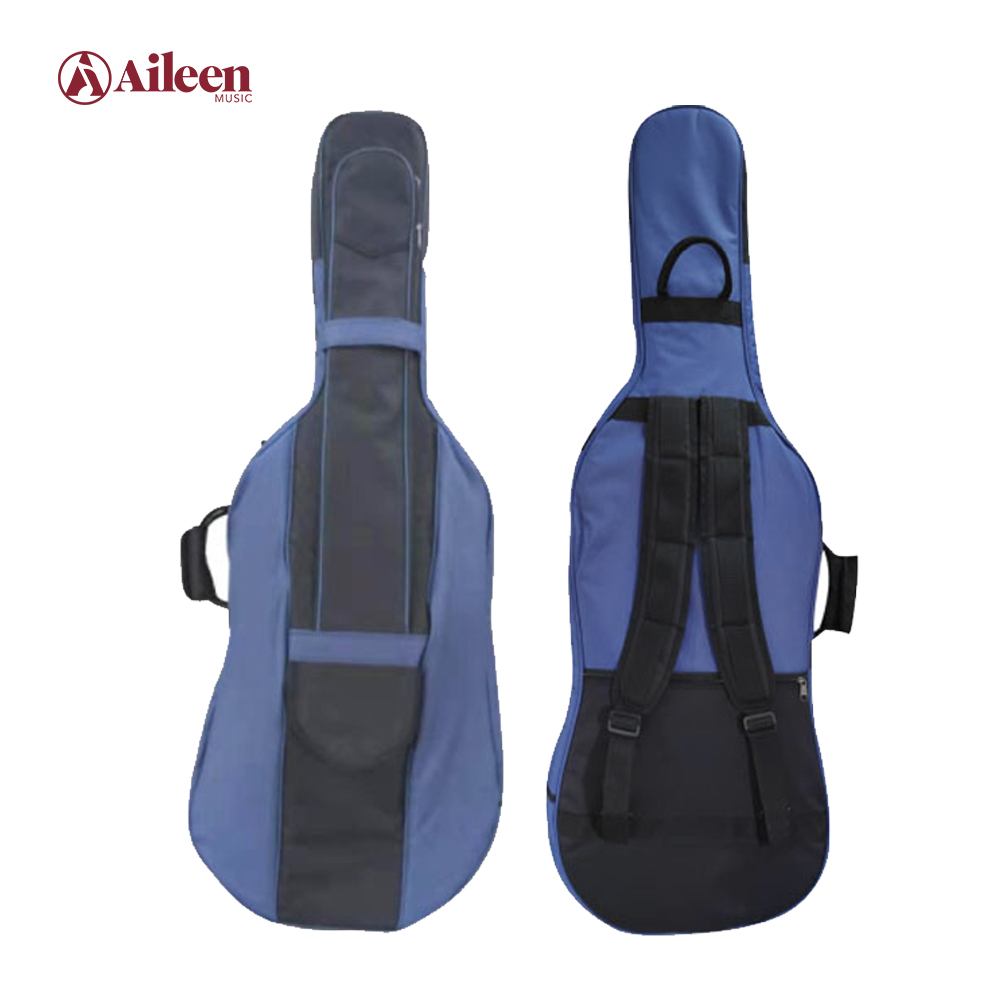
BGC014H Color Available 20mm Thick Padding Soft Carrying Handles 4/4-1/16 Cello Soft Bag
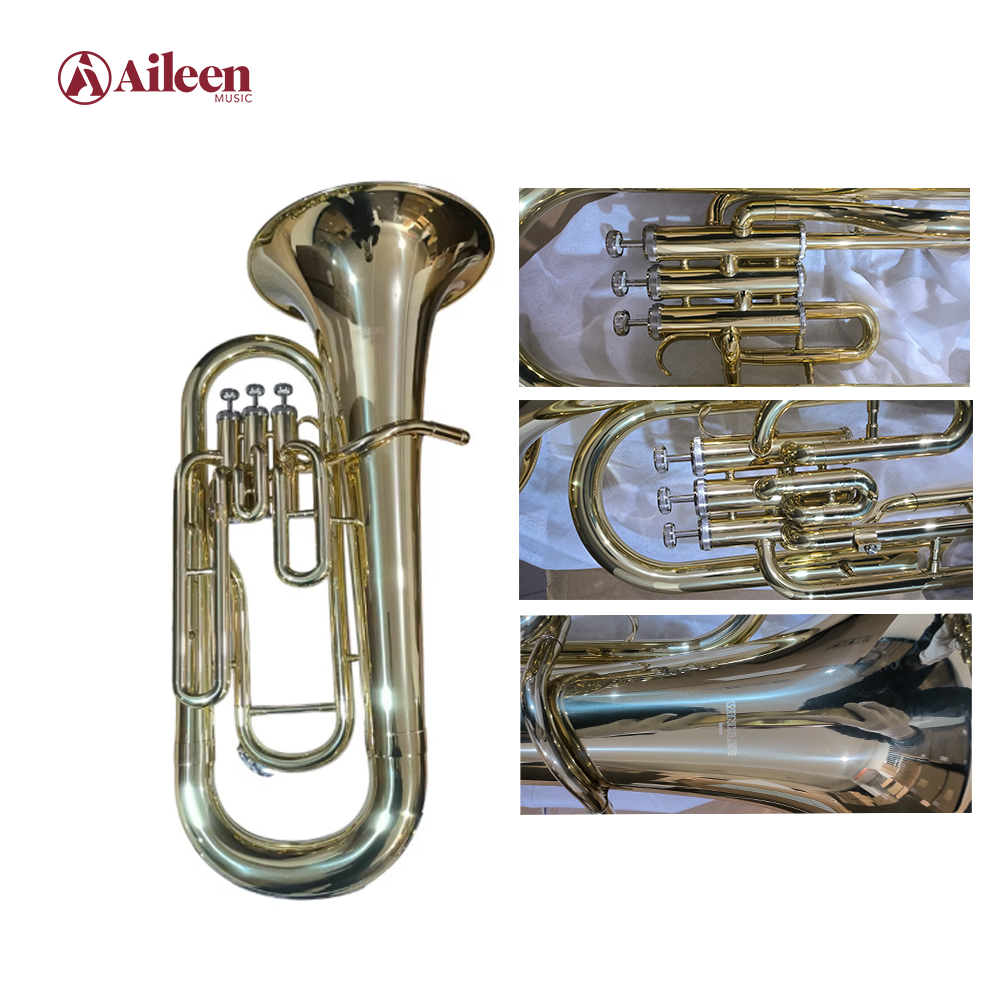
EU-G3400G Entry Level Student Yellow Brass Euphonium with Foambody Case
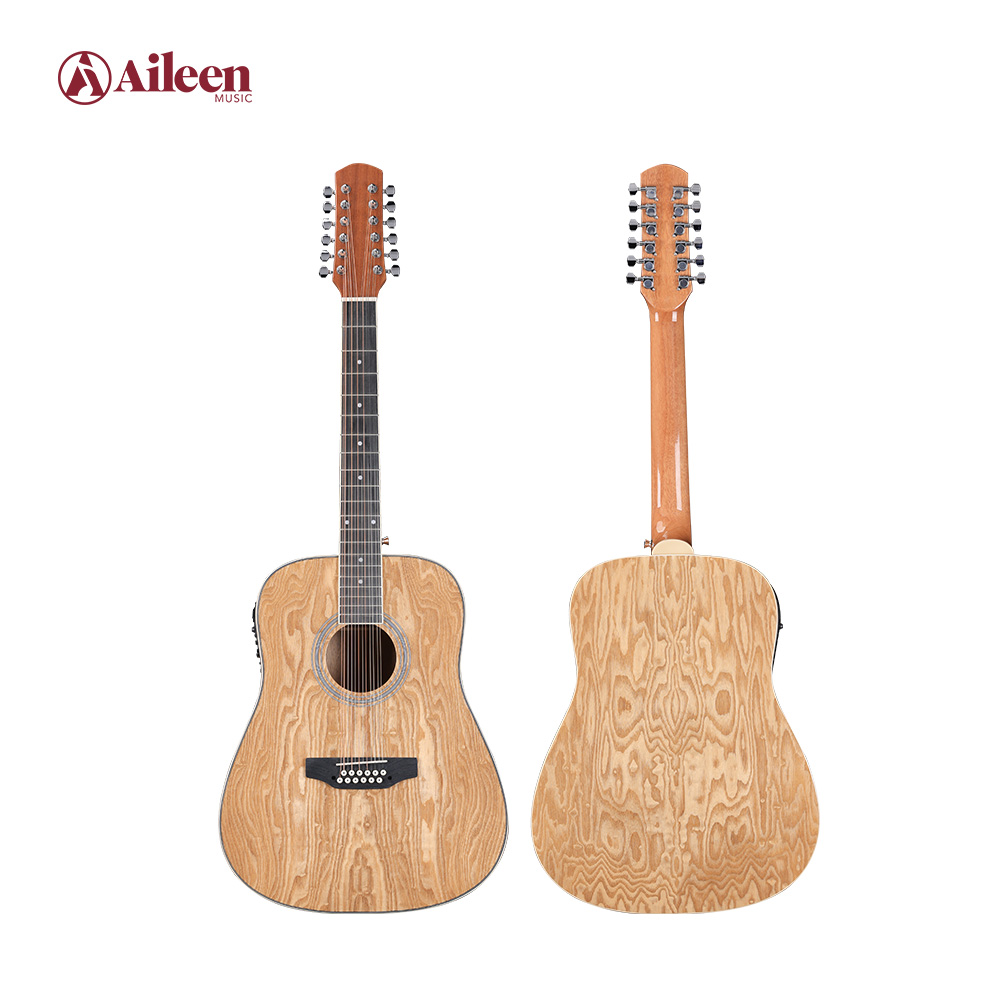
AF55E-12 Factory Folk String Instrument 44' Quilted Ash Plywood Top 12 Strings Acoustic Guitar
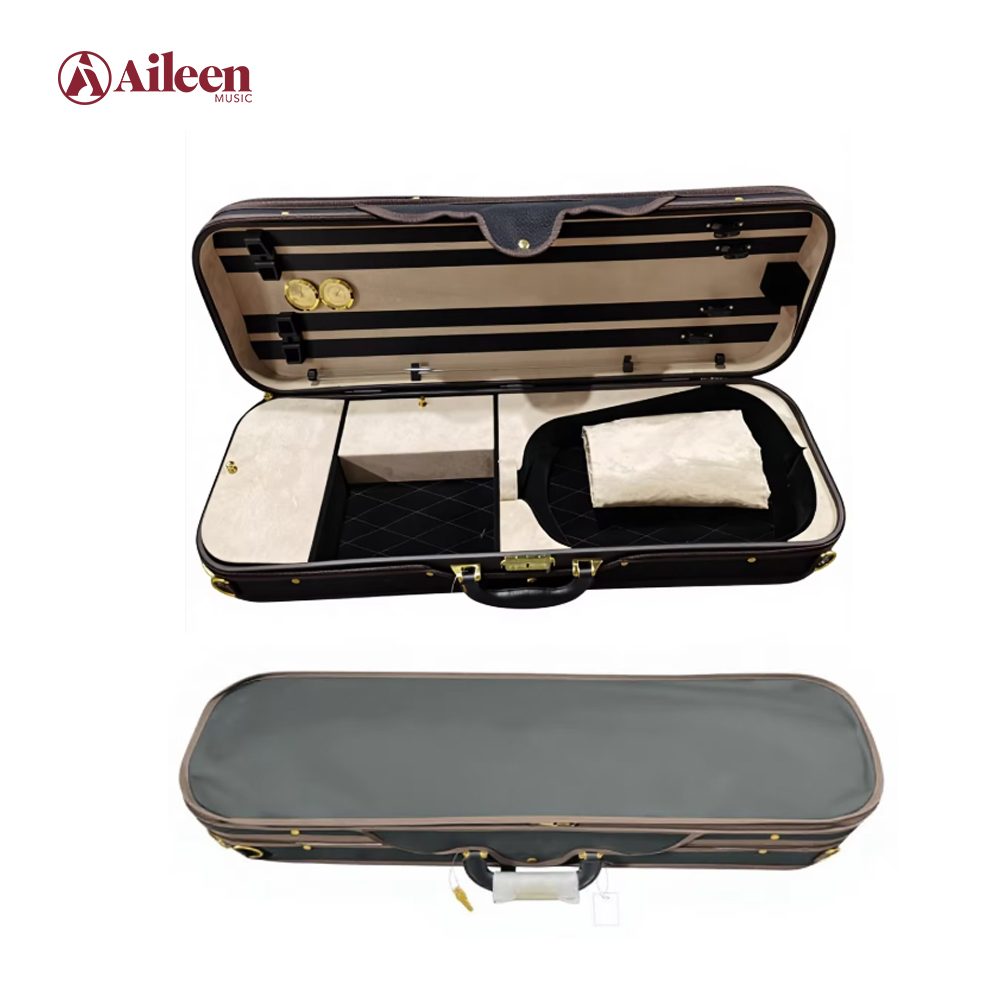
Aileen Stock Oblong Shape Deluxe Wooden Violin Case (CSV1067)
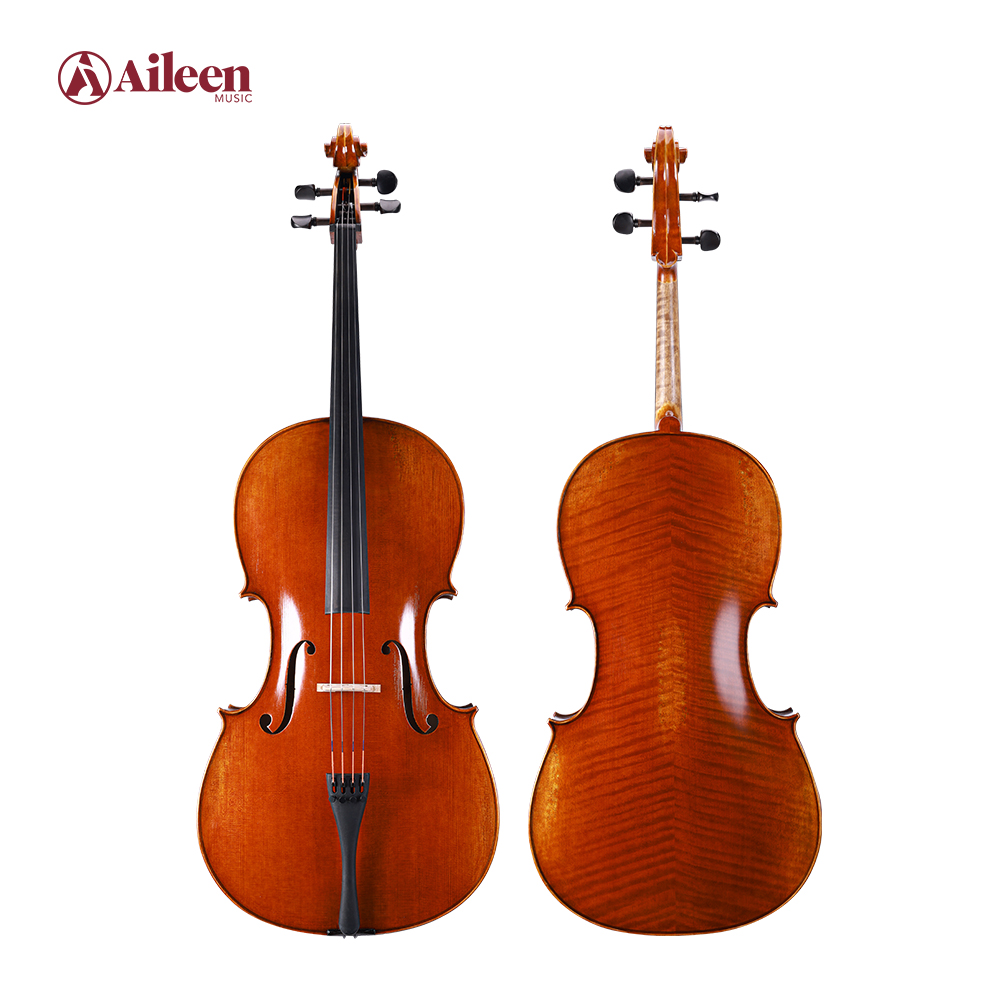
LC05 Legacy Series Cello Instrument New Spirit Varnish Selected Solid Spruce Top Professional Advanced Cello
Industry Executive Summary: China's Role in Global Ukulele Manufacturing
The global acoustic instrument market has experienced an unprecedented resurgence in demand for fretted stringed instruments, with the ukulele securing a central position in school music education, recreational playing, and professional performance. As international B2B importers, musical instrument chain stores, and e-commerce brand owners seek reliable production partners, identifying a top-tier China ukulele manufacturer is a critical strategic imperative. China produces over 70% of the world's ukuleles, ranging from mass-market student laminates to high-end, solid-tonewood luthier-grade instruments.
This B2B procurement whitepaper provides deep information gain for procurement officers seeking long-term manufacturing stability. Understanding the industrial supply chain—from raw timber drying protocols, precision CNC carving, and CITES compliance to automated neck-joint fitting—enables commercial buyers to mitigate quality risks, optimize landed costs, and capture consumer market share.
Ukulele Manufacturing Standards: Tonewood Engineering & Factory Operations
A professional OEM/ODM ukulele factory must balance volume production efficiency with traditional lutherie craftsmanship. The structural integrity and acoustic projection of a ukulele—whether Soprano (21"), Concert (23"), Tenor (26"), or Baritone (30")—depend directly on four fundamental engineering pillars:
1. Tonewood Selection & Kiln-Drying
Premium ukulele sound boards utilize Hawaiian Koa (Acacia koa), African Mahogany (Swietenia macrophylla), Solid Sitka Spruce, or Flame Maple. Advanced factories operate computer-controlled dehumidification kilns to achieve an Equilibrium Moisture Content (EMC) of 8% to 11%, preventing top-cracking or bridge-lifting under extreme climate conditions.
2. Automated CNC & Neck Profiling
Using high-precision 5-axis CNC routers, fretboard slots are carved to tolerances within ±0.02mm. This guarantees flawless intonation across all 18 to 20 frets. Necks are laser-profiled to ergonomic "C" shapes for seamless playability, while traditional dovetail neck joints ensure maximum vibrational energy transfer to the body.
3. Environmental & CITES Compliance
International timber regulations require strict adherence to CITES Appendix II (e.g., Rosewood restrictions) and FSC certification for sustainable forestry. Leading Chinese manufacturers provide certified Tech-Wood (composite ebony/rosewood) or alternative woods like Walnut and Laurel to ensure zero-friction customs clearance worldwide.
Technical Specification Matrix: Ukulele Categories for OEM B2B Sourcing
| Specification | Soprano (21 Inch) | Concert (23 Inch) | Tenor (26 Inch) | Baritone (30 Inch) |
|---|---|---|---|---|
| Scale Length | 13" (330 mm) | 15" (380 mm) | 17" (430 mm) | 19" (480 mm) |
| Target Buyer / Segment | Entry-Level / Education Kits | General Retail / Mid-Tier | Stage Performers / Professionals | Ensemble / Bass Transition |
| Structural Bracing | Single Transverse Bar | Fan Bracing / Ladder System | Asymmetric Modified Fan | Heavy X-Bracing Architecture |
| Action Height (12th Fret) | 2.0mm - 2.2mm | 2.2mm - 2.5mm | 2.3mm - 2.6mm | 2.5mm - 2.8mm |
| Recommended Tonewoods | Laminated Mahogany / Basswood | Solid Spruce Top / Mahogany Back | Solid Hawaiian Koa / Acacia | All-Solid Mahogany / Rosewood |
Future Procurement Trends: B2B Sourcing Trajectory (2025–2030)
As consumer preferences evolve and international supply chains adjust to economic shifts, musical instrument procurement is undergoing significant structural changes. Strategic buyers must align their purchasing models with four macro trends driving the ukulele and fretted instrument manufacturing industry:
1. Smart Ukuleles & Integrated Transacoustic Pickups
The boundary between traditional acoustics and electronic music is dissolving. Future-proof factories are embedding actuator-based Transacoustic preamps directly into ukulele sound cavities. This allows players to project Chorus, Delay, and Reverb effects naturally out of the soundhole without plugging into external amplifiers. OEM demand for smart ukuleles featuring Bluetooth app connectivity and illuminated LED fretboards for interactive learning is projected to expand at a CAGR of 14.2%.
2. Carbon Fiber & Weather-Proof Composite Construction
While solid wood remains the acoustic gold standard, all-weather composite ukuleles constructed from polycarbonate and carbon fiber are rapidly gaining market share in school music programs and outdoor travel channels. Composite ukuleles are impervious to humidity fluctuations (-20°C to 60°C), eliminating warranty returns caused by warped necks or seam separations.
3. Direct-to-Consumer (D2C) Kitted Retail Bundles
Global distributors are shifting away from standalone instrument shipments toward fully kitted retail bundles. Modern OEM production lines now integrate custom-branded gig bags, digital clip-on tuners, spare Aquila strings, nylon straps, instructional guidebooks, and retail-ready color boxes into a single SKU, streamlining logistics for Amazon sellers, music shop chains, and school suppliers.
4. Rapid Prototyping & Agile Low-MOQ Private Labeling
Traditional mass production required 500-unit minimum order quantities per SKU. Modern Chinese factories utilizing 3D CAD modeling and automated UV laser printing offer agile OEM manufacturing. Brands can launch custom headstock shapes, laser-etched rosettes, and proprietary colorways with sample turnarounds under 14 days and flexible initial batch quantities starting as low as 50–100 units.
Industry Development Trends: Innovations in Manufacturing & Sound Design
To maintain competitive advantages in a crowded marketplace, leading manufacturers are investing heavily in sound projection science and eco-friendly finishing technologies.
Ultrathin Environmental UV Curing vs. Nitrocellulose
Historically, glossy acoustic instruments relied on heavy polyurethane or solvent-based lacquer finishes that dampened soundboard resonance. Today’s premier factories utilize ultra-thin UV-curable matte and high-gloss coatings applied in dust-free cleanrooms. Cured in seconds under high-intensity ultraviolet light, these finishes emit zero Volatile Organic Compounds (VOCs) and allow the soundboard to vibrate freely, enhancing total volume and dynamic range by up to 18%.
Acoustic Soundport & Ergonomic Armrest Modifications
Once restricted to boutique luthier builds, side-soundports (secondary soundholes on the upper bout facing the player) and bevelled armrests are now standard features in mid-to-high-tier factory catalogs. Side ports provide the player with personal acoustic monitoring, while bevelled lower bouts reduce forearm fatigue during extended sessions.
Why Partner With Us: Factory Capability & Global Track Record
Rooted in over three decades of manufacturing excellence since 1993, Chive Music Co., Ltd. (Aileen Music group) stands as a top-tier Chinese instrument manufacturer and global exporter. Recognized on the Music Trades Global 225 index (ranking #195 worldwide) and holding AAA Grade Credit Enterprise standing with the China Musical Instrument Association, we deliver verified stability for high-volume B2B supply chains.
End-to-End Quality Management
Operating strictly under ISO 9001 quality systems, every instrument undergoes a 13-step inspection process—from raw wood moisture testing to 100% play-testing, intonation checking, and third-party inspection readiness (Bureau Veritas, SGS, TÜV).
Multi-Category Container Consolidation
Simplify your import operations by consolidating ukuleles, guitars, violins, brasswinds, cellos, gig bags, and hard cases into a single container shipment, substantially reducing sea freight costs per unit.
Dedicated Engineering Team
Supported by 79 skilled specialists and acoustic engineers holding 8 patents and 5 registered trademarks (including Winzz and Lexington), we bring proprietary OEM/ODM designs from initial sketch to production.
Frequently Asked Questions (FAQ) for B2B Ukulele Buyers
Get immediate clarity on critical procurement, trade compliance, and operational questions asked by international buyers prior to contract execution.
What is the standard Minimum Order Quantity (MOQ) for OEM/ODM ukulele manufacturing?
Our standard MOQ for custom private-label ukuleles begins at 100 units per model/colorway for laminate series, and 50 units for all-solid wood models. For ready-to-ship stock models or sample evaluations, orders can start from 1 to 10 pieces. Consolidated mixed-category orders across guitars, violins, and cases are supported to help buyers reach container load thresholds.
How do you ensure ukulele wood stability and prevent cracking during trans-oceanic transit?
All tonewoods undergo a controlled drying cycle in automated dehumidification kilns to achieve an equilibrium moisture content of 8%–11%. During packaging, instruments are sealed in moisture-barrier polybags containing industrial silica desiccant gel, followed by 5-ply heavy-duty double-corrugated export cartons designed to withstand high humidity during ocean freight.
Can you produce custom ukuleles according to our private label branding and headstock design?
Yes, we specialize in comprehensive OEM and ODM services. Customization options include proprietary laser-cut headstock shapes, custom rosette inlays, silk-screened or mother-of-pearl headstock logos, custom body color finishes, tailored inner labels, branded gig bags, and full retail packaging artwork.
Are your tonewoods CITES compliant for international customs clearance?
Absolutely. We strictly comply with CITES Appendix II regulations. For restricted species, we provide full CITES re-export certification documents. Additionally, we offer high-grade non-restricted alternatives such as Tech-Wood, Walnut, Laurel, and FSC-certified Mahogany to ensure fast clearance without customs delays in North America, Europe, and Australia.
What is the production lead time for mass OEM orders?
Sample creation and logo proofing take approximately 10 to 14 days. First-time mass OEM production typically requires 35 to 45 days upon sample approval and deposit confirmation. Repeat orders benefit from pre-molded jigs and component stock, reducing lead times to 25–30 days.
Partner with China's Premier Ukulele & Stringed Instrument Factory
Ready to expand your instrument lineup, request OEM sample pricing, or audit our ISO 9001 manufacturing facilities? Connect directly with our international export management team today.