Featured Wholesale Instruments & OEM Accessories
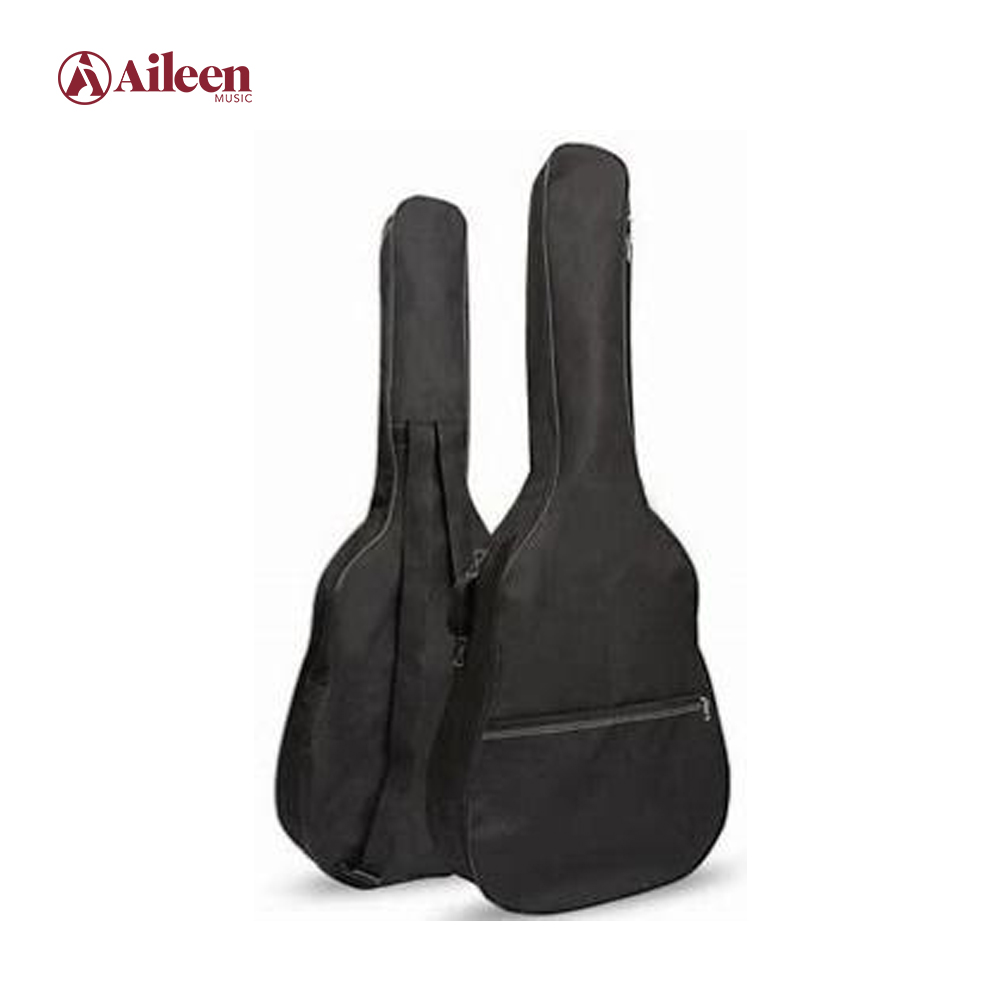
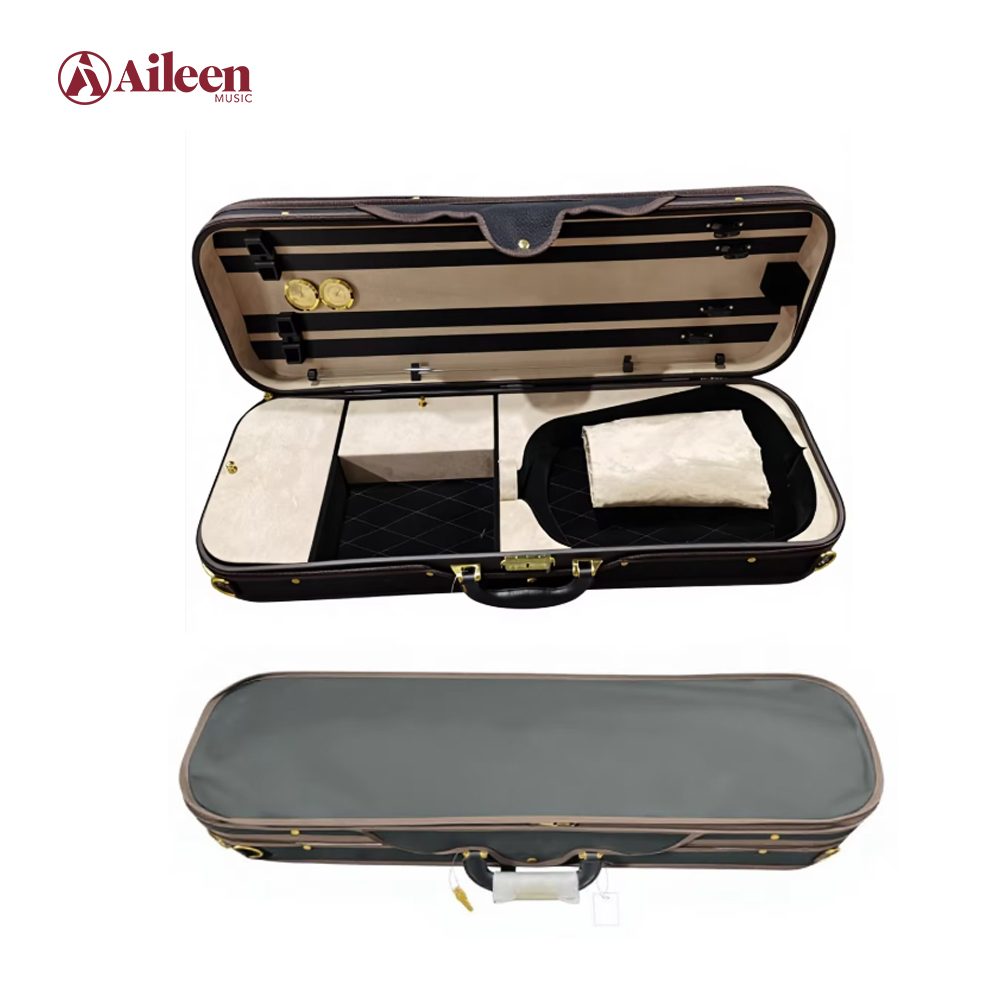
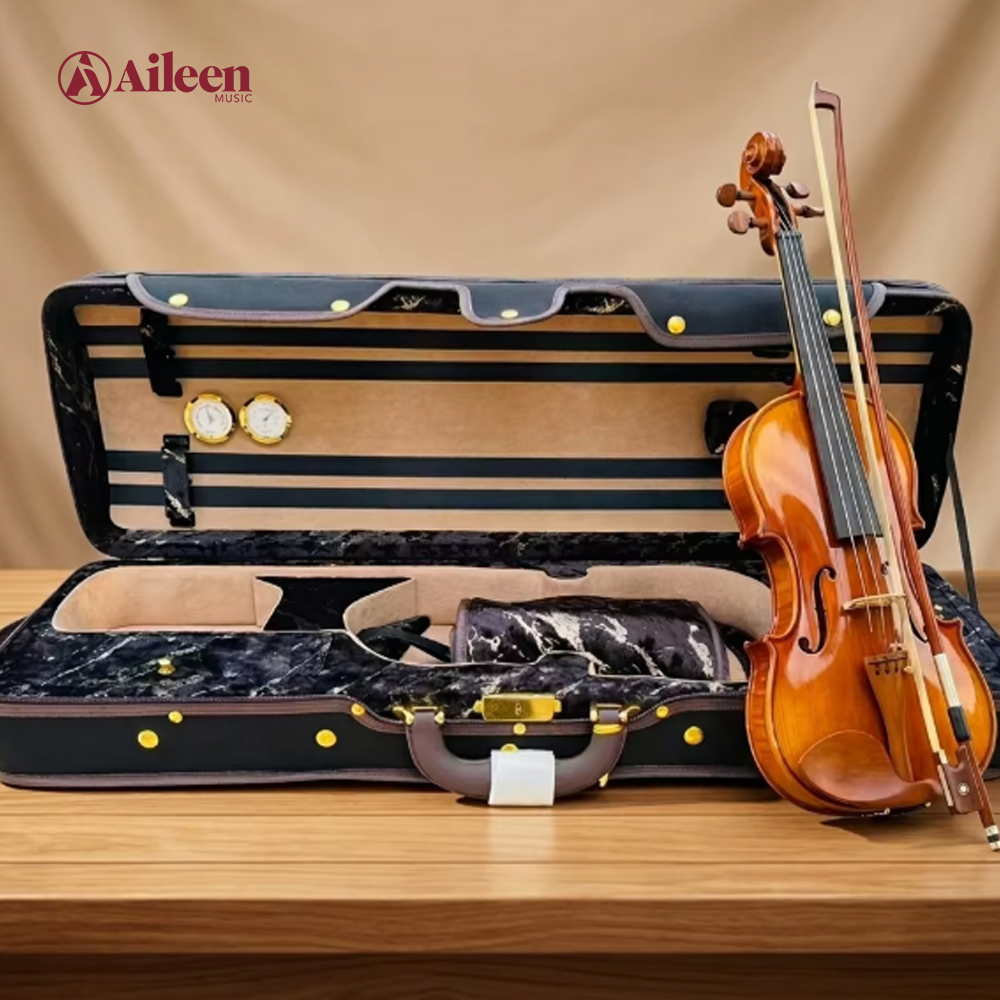
Explore our core catalog of classical acoustic-electric guitars, orchestral string setups, woodwinds, and heavy-duty protective cases engineered for international importers and school suppliers.



Engineering Excellence in Custom OEM Nylon String Guitar Manufacturing
The global demand for high-caliber nylon string guitars—spanning traditional classical instruments, flamenco models, and modern crossover acoustic-electrics—has undergone a profound structural shift. Commercial distributors, school procurement networks, and private-label retail brands no longer evaluate manufacturers solely on visual finish or unit cost. Today’s competitive B2B market demands stringent acoustic physics, certified wood drying protocols, micro-calibrated neck geometries, and climate-resilient structural stability.
Information Gain Insight: Standard mass-production classical guitars suffer a 14–18% warranty return rate in target export markets due to soundboard warping and neck twisting caused by sudden ambient relative humidity (RH) shifts. Our proprietary thermo-vacuum seasoning process stabilizes timber moisture content (MC) at an exact 6%–8%, reducing field deformation to less than 0.2% worldwide.
1. Advanced Tonewood Science & Controlled Kiln Seasoning
Acoustic resonance in nylon string guitars depends directly on the soundboard’s Young’s modulus (elasticity parallel to the grain) and specific mass density. As an established OEM/ODM exporter, Chive Music enforces rigorous timber selection standards before any carving or machining takes place:
Solid AAA Sitka & Engelmann Spruce
Delivers high velocity of sound propagation (above 5,200 m/s), offering crystal-clear treble projection, defined string separation, and maximum headroom for dynamic concert hall playing.
High-Altitude Western Red Cedar
Preferred for traditional Spanish classical voicing. Characterized by lower density and higher damping coefficients, generating immediate acoustic response, warm fundamental tones, and rich mid-range harmonic overtones.
Indian Rosewood & Mahogany Back/Sides
Selected for structural stiffness and aesthetic depth. Rosewood provides deep bass resonance with complex harmonics, while African Mahogany offers punchy, articulate clarity ideal for school and recording environments.
To eliminate internal stress within raw timber, our tonewood storage facilities maintain constant climate control (22°C ± 2°C, 48% ± 3% RH). Every batch undergoes natural air-seasoning for a minimum of 24 to 36 months, followed by precision vacuum-drying to achieve absolute equilibrium moisture content prior to computer-controlled CNC profiling.
2. Bracing Architecture: Traditional Fan vs. Lattice vs. Double-Top Systems
The soundboard of a nylon string guitar must withstand approximately 35 to 45 kilograms of total string tension while remaining light enough to vibrate freely across the full frequency spectrum (82 Hz to over 1,000 Hz). We offer three distinct custom bracing architectures to match your specific market positioning:
| Bracing System | Structural Configuration | Acoustic Profile | Target Buyer / Market Segment |
|---|---|---|---|
| 7-Fan Torres Style | Radial quartersawn spruce fans radiating from the soundhole with floating bridge plate. | Warm, organic, warm bass with sweet lyrical trebles. Authentic traditional Spanish tone. | Traditional Classical Brands, Music Conservatories & Professional Luthiers. |
| Carbon-Fiber Lattice | Balsa wood core reinforced with ultra-light carbon-fiber composite matrix grid. | Explosive volume, rapid transient attack, balanced across all frets, minimal energy loss. | Modern Concert Performers, Contemporary Soloists & High-End Retail. |
| Nomex Double-Top | Composite sandwich soundboard (Cedar/Nomex Honeycomb/Spruce) ultra-thin skins. | Maximum acoustic power, exceptional sustain, low weight-to-stiffness ratio. | Premium OEM Brands, Stage Artists & Advanced Classical Enthusiasts. |
3. Precision Neck Calibration & Dual-Action Truss Rod Integration
A classic structural pain point in nylon string guitars is long-term neck bow under sustained tension. Unlike steel-string acoustic guitars, classical necks traditionally lacked adjustable truss rods. However, modern player preferences and global distribution into varying climate zones necessitate enhanced neck stability.
Our OEM manufacturing line incorporates light-weight, dual-action aluminum-alloy truss rods placed in precision-milled neck channels. This engineering enhancement provides two distinct buyer advantages:
- Micro-Adjustable Relief: Allows local retail techs or end-users to set exact fretboard relief (recommended 0.25mm at the 7th fret) without compromising classical neck weight balance.
- Spanish Heel Joint Integrity: We employ authentic interlocking Spanish heel neck joints where the body sides are slotted directly into the neck block, creating a monolithic wood-to-wood bond that transfers acoustic energy directly into the back and side soundboard cavity.
Future Sourcing & Product Development Trends (2025–2030)
To assist brand owners, wholesalers, and educational suppliers in structuring their multi-year procurement pipelines, our product intelligence team has identified four major structural shifts transforming the global classical and nylon string guitar landscape:
1. The Rise of "Nylon Crossover" Guitars
Traditional classical guitars feature a wide 52mm nut width and flat fretboard radius. However, modern fingerstyle guitarists, jazz players, and steel-string acoustic converts are rapidly gravitating toward "Crossover" nylon models featuring:
- Slimmer nut widths (48mm to 50mm) for comfortable chording.
- 16-inch subtle fretboard radius reducing hand fatigue.
- Ergonomic Venetian or Florentine cutaways for upper-fret access.
- Integrated under-saddle piezo & internal mic dual-source pickups.
2. CITES Compliance & Eco-Sustainable Tonewoods
International environmental regulations regarding endangered timber species (such as CITES restrictions on Dalbergia rosewoods) require international importers to maintain strict chain-of-custody documentation. Future-proof procurement relies on sustainable wood alternatives:
- Engineered Rosewood & Laurel: High-density composite alternatives matching rosewood's mass and acoustic properties.
- Richlite Fretboards: FSC-certified paper-composite fretboards that remain 100% impervious to humidity changes and cracking.
- Thermally Modified (Torrefied) Spruce: Accelerated artificial aging that replicates 50-year seasoned acoustic vibration profiles.
3. High-Precision Automated CNC & Laser Fretwork
Manual fret-dressing on high-volume production lines frequently results in variable string action and unwanted fret buzz. Next-generation OEM factories utilize 5-axis CNC machining combined with laser-guided fret leveling systems. This automated accuracy guarantees uniform fret crown heights within a tolerance of ±0.01mm across every production batch.
4. Smart Acoustics & Onboard Digital DSP Effects
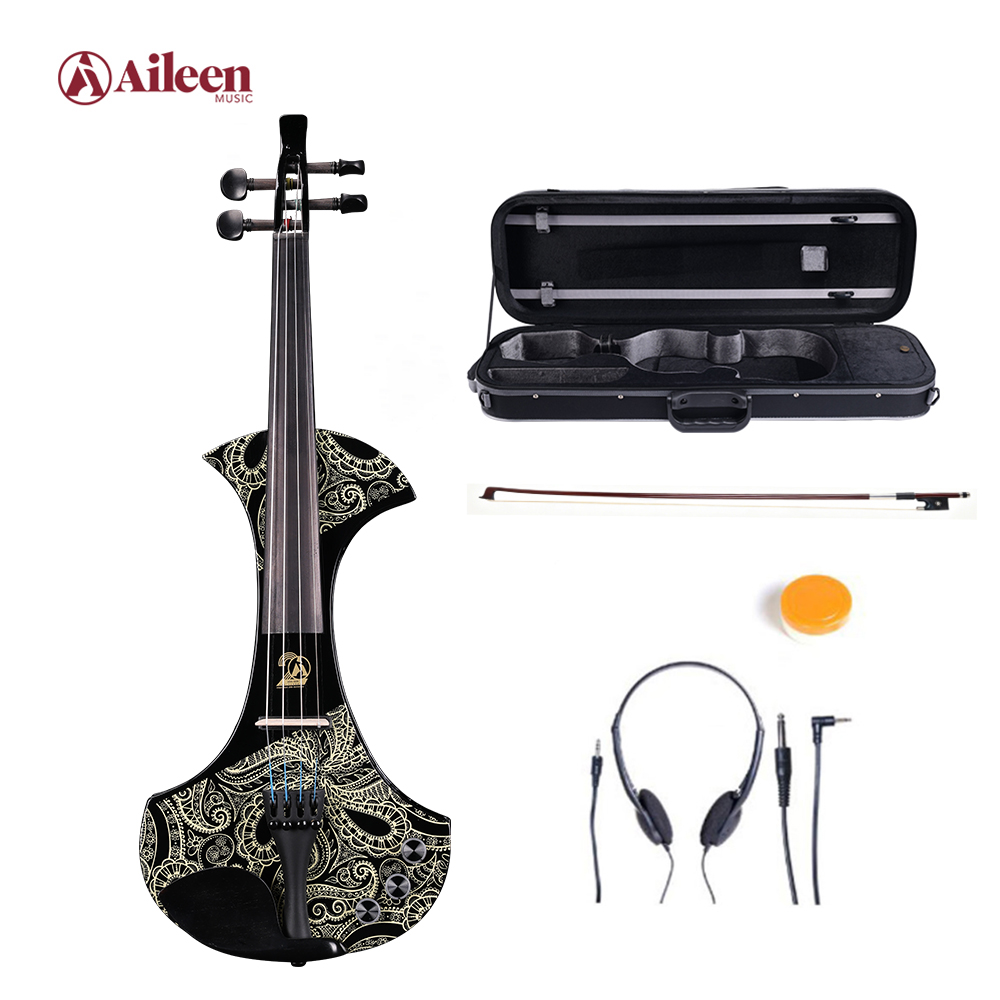
Following our success with patented active instruments like the AV-D501 Electric Violin (featuring built-in Delay, Reverb, and Chorus DSP), nylon string acoustic-electrics are integrating trans-acoustic pickup systems. These internal actuators excite the soundboard, allowing acoustic players to enjoy rich reverb and delay effects natively without plugging into external amplifiers.
Enterprise Capabilities: Chive Music Co., Ltd. (Since 1993)
For over three decades, Chive Music Co., Ltd. has served as a premier OEM/ODM manufacturing partner and exporter of orchestral strings, classical guitars, brass, woodwinds, percussion, and digital keyboards. Located in Nanjing, Jiangsu, our state-of-the-art industrial manufacturing plant combines traditional artisanal craftsmanship with modern industrial quality control systems.
ISO 9001 & Bureau Veritas Verified
Our complete production lifecycle operates under strict ISO 9001 quality assurance standards. On-site audits conducted by Bureau Veritas (BV), SGS, and TÜV Rheinland verify structural compliance, non-toxic lacquer standards, and structural load ratings.
8 Patents & Global Industry Honors
Ranked No. 195 in the Music Trades Global 225 (2017), named a Famous Export Brand by local government authority, and awarded AAA Grade Credit Enterprise status by the China Musical Instrument Association (CMIA).
Container Consolidation Services
As a full-spectrum instrument manufacturer, we allow B2B buyers to consolidate mixed orders—combining classical guitars, violin outfits, woodwind accessories, gig bags, and marching percussion—into a single, cost-optimized container load.
Permanent Industry Standing: Active permanent member of NAMM (USA) since 2003 and CCPIT since 2005. Our export documentation team manages full customs clearance, certificate of origin issuing, and CITES compliance paperwork for seamless entry into North American, European, Asia-Pacific, and Latin American ports.
Frequently Asked Questions (B2B Procurement FAQ)
Find authoritative answers regarding minimum order quantities, private labeling workflows, quality control protocols, and shipping logistics.
Partner With a Proven OEM Guitar Manufacturer
Expand your instrument lineup with factory-direct pricing, guaranteed ISO 9001 quality control, and complete private-label engineering support. Speak with our Senior Export Team today.