Featured Wholesale & OEM/ODM Instrument Selection
Explore our primary export series engineered for international distributors, music chains, and institutional educational programs.

Ready to Ship 40" Student Cutaway Guitare Acoustic Electric Guitar(AF238CE)

34 Button 12 Bass 3/0 Register Diatonic Button Accordion (B3412)
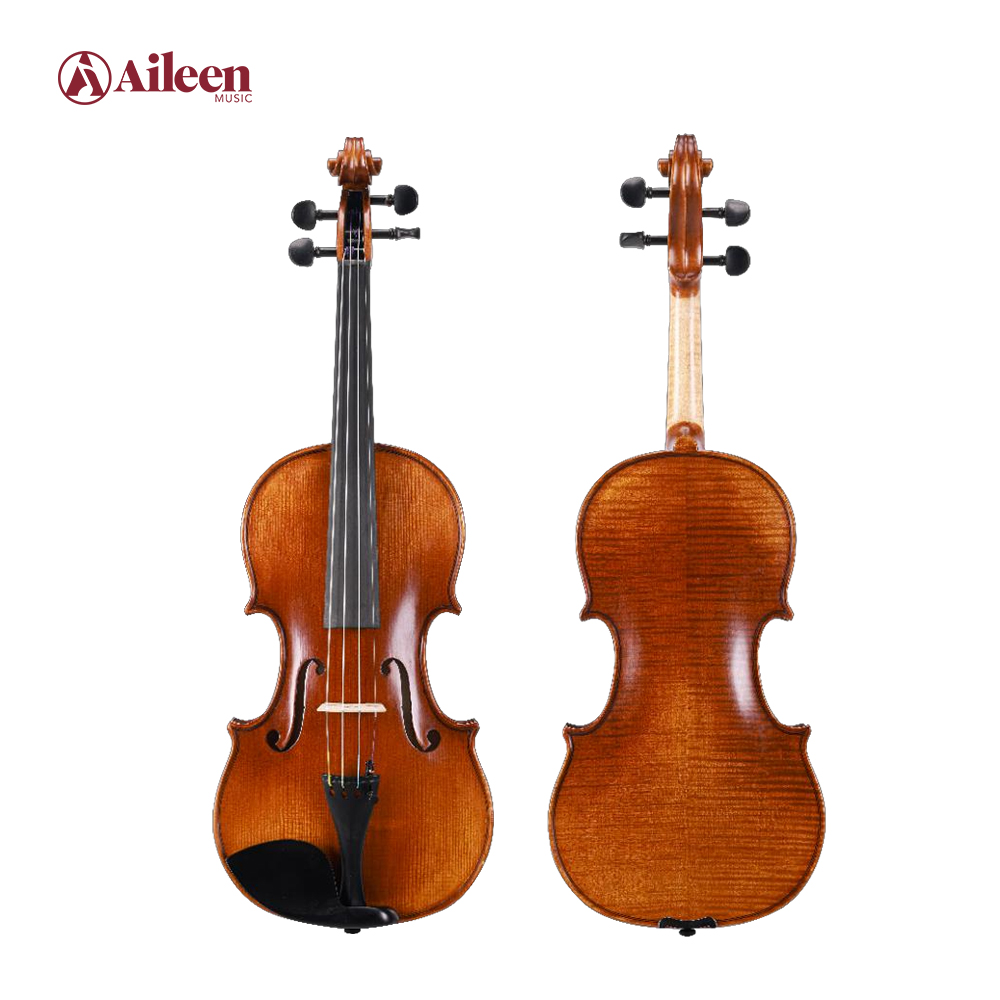
VH620 Mastery Series Spirit and Oil Mixed Varnish 4/4-1/4 Violin with Despiau Bridge

42 Inch Jumbo Guitar All Solid Acoustic Guitar (AFH420)
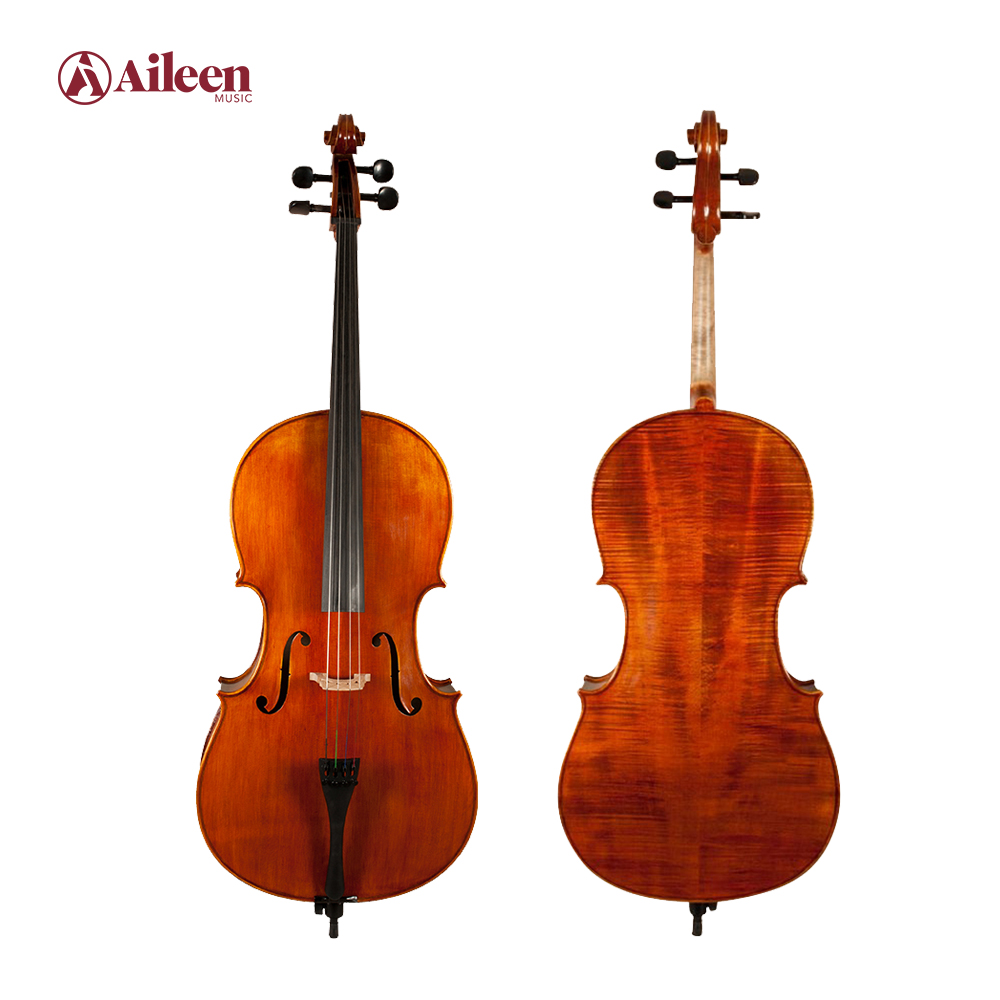
CH200VA Premium Fully Hand-craved Solid Spruce & Flamed Maple Advanced Cello
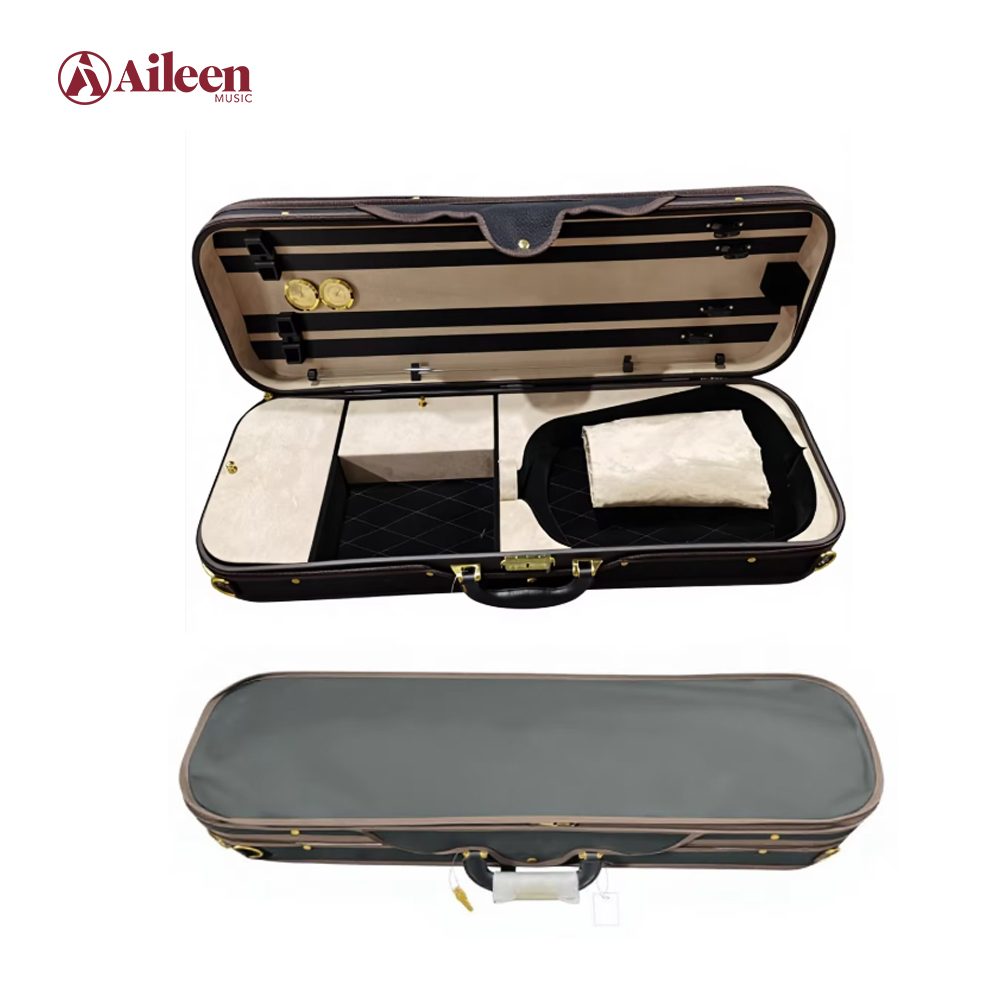
Aileen Stock Oblong Shape Deluxe Wooden Violin Case(CSV1067)

Aileen Babylon Series Deluxe Wooden Triangle Hard Violin Case (CSV1079A)
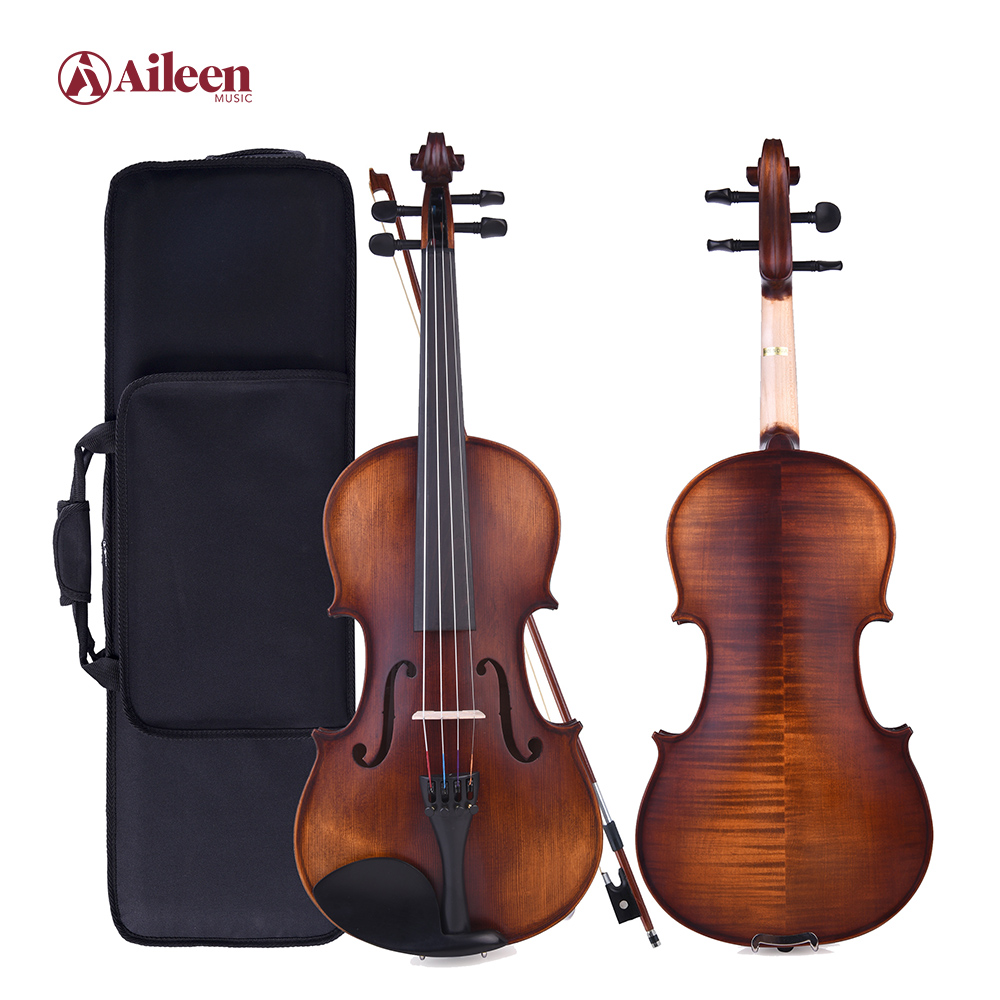
VM100 Hot Sale Selected Solid Spruce Top 4/4-1/16 Moderate Violin Set
Engineering Leadership in Custom OEM/ODM Stringed Instrument Production
Since 1993, Chive Music Co., Ltd. has served as a cornerstone manufacturing supplier for world-class distributors, regional importers, and retail brands across North America, Europe, and Asia-Pacific.
In the global musical instrument industry, securing a reliable OEM/ODM manufacturing partner requires far more than basic woodworking capacities. It demands strict acoustic engineering, repeatable tolerances, climate-stabilized tonewood management, and certified quality management systems. Recognized as a permanent NAMM member since 2003 and ranked No. 195 in the prestigious Music Trades Global 225 (2017), our enterprise combines classical European luthiery traditions with advanced industrial automation.
Climate-Controlled Tonewood Seasoning
All solid spruce, flamed maple, mahogany, and rosewood timbers undergo 12-24 months of natural air-drying followed by computer-monitored kiln dehumidification, stabilizing wood moisture content between 8% and 10% to prevent neck warping and body cracking in destination climates.
High-Precision CNC & Master Setup
Integrating 5-axis CNC routing for exact body contours and neck profile consistency with hand-carved tops, master luthiers hand-dress frets, cut bone nuts, align bridges, and perform rigorous acoustic testing to guarantee optimal playability out of the box.
ISO 9001 & Multi-National Certifications
Operating under a fully audited ISO 9001 Quality Management System, our facility routinely passes on-site factory verification checks by Bureau Veritas (BV), SGS, and TÜV Rheinland, ensuring full compliance with international safety and environmental mandates.
Technical Customization Matrix for Commercial Buyers
Our private-label manufacturing platform supports granular custom specifications across guitar and stringed instrument categories:
Tonewood Grading & Selection
AAA Solid Sitka/Engelmann Spruce, Select African Mahogany, Flamed/Quilted Maple, Indian Rosewood, Ebony fingerboards, and roasted/torrefied woods.
Acoustic Bracing Architecture
Custom scalloped X-bracing, forward-shifted bracing, traditional ladder bracing, and hand-tuned tap-toning for optimized resonance and structural integrity.
Electronics & Pickups
Custom OEM piezos, dual-source microphone/transducer preamps, active EQ circuits, noiseless humbuckers, and patented onboard DSP effect processors.
Finishing & Aesthetic Treatments
Thin-coat nitrocellulose lacquer, high-gloss UV cured polyurethane, hand-rubbed spirit/oil mixed varnish, laser logo engraving, and mother-of-pearl inlays.
Future Procurement Trends in the Global Instrument Industry
Navigating market shifts, supply chain optimization, and purchasing patterns for high-volume instrument buyers over the next decade.
The international wholesale musical instrument market is undergoing a structural transition driven by shifting consumer preferences, trade regulations, and technological integration. For commercial importers, educational suppliers, and multi-store retailers, adapting procurement strategy is essential to maintaining gross margins and mitigating supply disruptions.
1. Multi-Category Container Consolidation and Supply Chain Agility
Traditionally, importers sourced guitars, bowed strings, and band instruments from separate specialized factories, leading to inflated shipping costs, complex customs clearance, and fragmented vendor management. Modern procurement trends heavily favor multi-category manufacturing partners capable of consolidating diverse stock—such as acoustic guitars, violins, cellos, brass, and cases—into unified container shipments. This strategy dramatically reduces landed unit cost and optimizes warehouse inventory turnover.
2. Eco-Compliance, CITES Transparency, and Sustainable Tonewood Sourcing
With strict enforcement of global conservation treaties like CITES (Convention on International Trade in Endangered Species) and the U.S. Lacey Act, retail brands and importers face severe liabilities if their tonewood provenance is undocumented. Forward-thinking procurement managers are prioritizing factories with verified supply chains utilizing CITES-compliant alternatives, such as roasted maple, synthetic ebony substitutes, and certified sustainable timber, eliminating legal exposure at import customs.
3. Low-MOQ Hybrid Stocking Strategy for E-Commerce and Retail
In response to rapid market inventory cycles and digital sales channels, procurement models are moving away from monolithic 1,000-unit single-SKU orders. Importers are adopting a hybrid approach: maintaining lean baseline orders for standard catalog items while demanding lower Minimum Order Quantities (MOQs)—often 2 to 10 pieces per high-tier or specialized model—to quickly test emerging consumer trends without risking capital tie-up.
Technological & Product Development Trends in Custom Guitars
How advanced material science, electronic integration, and modern ergonomics are reshaping acoustic and electric guitar manufacturing.
As performance expectations rise among contemporary musicians, traditional manufacturing approaches are continuously updated with modern technology. Our R&D division stays at the forefront of these developments, holding 8 proprietary patents and continually integrating breakthroughs into our custom OEM production lines.
1. Integrated Smart DSP & Active Onboard Processing
Modern players increasingly demand stage-ready acoustic-electric guitars and violins with built-in digital signal processing (DSP). Innovations like our patented AV-D501 electric violin system provide onboard delay, reverb, and chorus effects directly through headphones or line output without external pedalboards, opening massive commercial market segments for silent practice and live performance.
2. Torrefied (Roasted) Wood Technology
Torrefaction—baking tonewoods in an oxygen-free kiln at high temperatures—brings decades of natural aging into a matter of hours. Torrefied spruce tops and roasted maple necks exhibit superior dimensional stability against humidity fluctuations, lighter overall weight, and a rich, broken-in vintage tone highly prized by intermediate and professional guitar buyers.
3. Headless Ergonomics & Lightweight Construction
Electric and bass guitar engineering is seeing a major revival in headless designs (such as our WLH150 series). By removing the headstock and moving tuning hardware to the bridge, the instrument's center of gravity shifts closer to the body, drastically reducing player fatigue and yielding compact, travel-friendly instruments ideally suited for touring musicians.
4. Environmental UV-Cured Ultra-Thin Finishes
Transitioning from thick polyurethane coats to ultra-thin, eco-friendly UV-cured acrylic lacquers represents a major step forward in sound production. UV finishes cure instantly under specialized light, emitting zero volatile organic compounds (VOCs) while creating a durable protective shell that allows the instrument's wood top to vibrate freely for maximized volume and harmonic resonance.
Frequently Asked Questions for Global Importers & Buyers
Detailed answers to critical operational questions regarding OEM/ODM custom manufacturing, quality assurance, shipping, and order management.
What is the Minimum Order Quantity (MOQ) for custom OEM/ODM guitar production?
How do you manage quality control and pre-shipment inspections?
Can you manufacture instruments using CITES-free or eco-certified materials?
What custom branding and packaging options are available for private labels?
What is the standard lead time for OEM sample development and mass production?
How are instruments protected against climate and transit damage during ocean freight?
Can we consolidate different instrument categories in one container?
What warranty and defective unit policies do you provide for B2B buyers?
Partner with a Verified 30-Year OEM/ODM Guitar Manufacturer
Request product catalogs, wholesale pricing matrices, or arrange a custom OEM sample build with our senior export engineering team today.
Get a Quote