Featured Musical Instruments & Supply Showcase
High-demand acoustic guitars, orchestral strings, keyboard systems, and accessories available for global OEM order & direct dispatch.
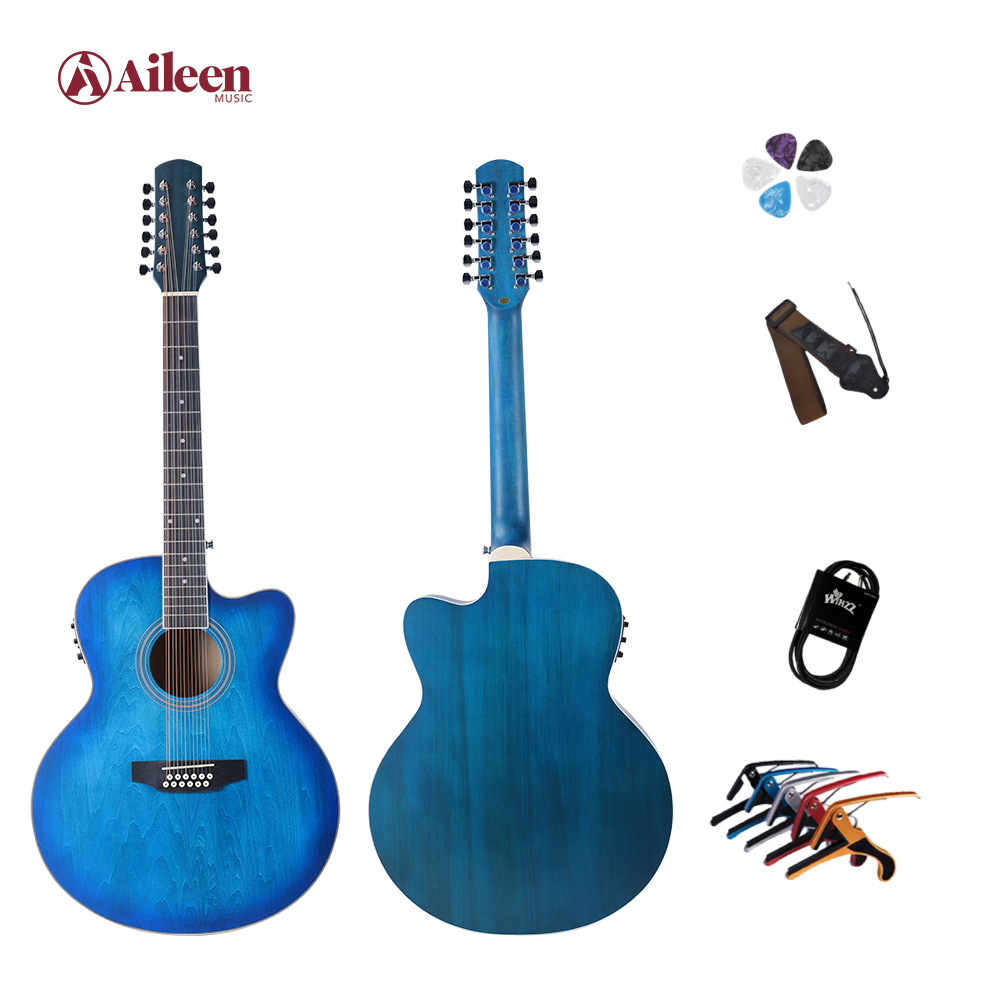
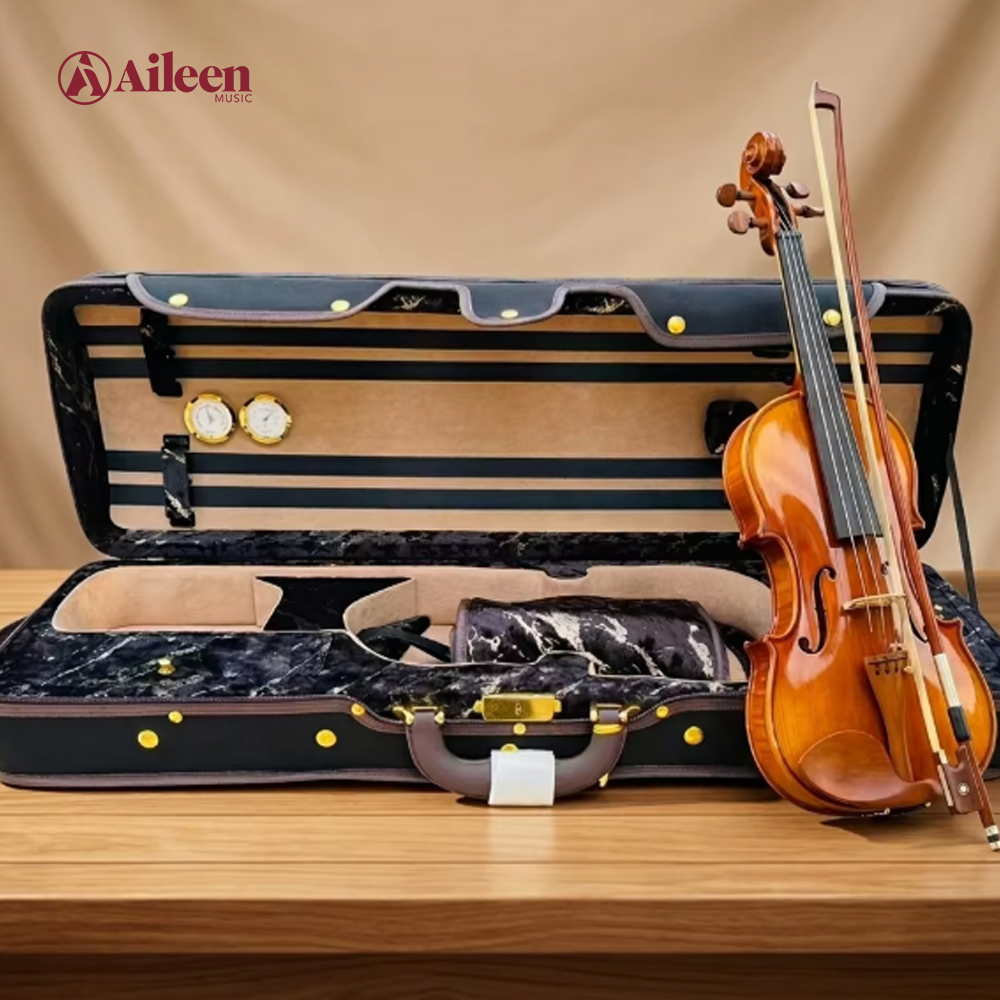


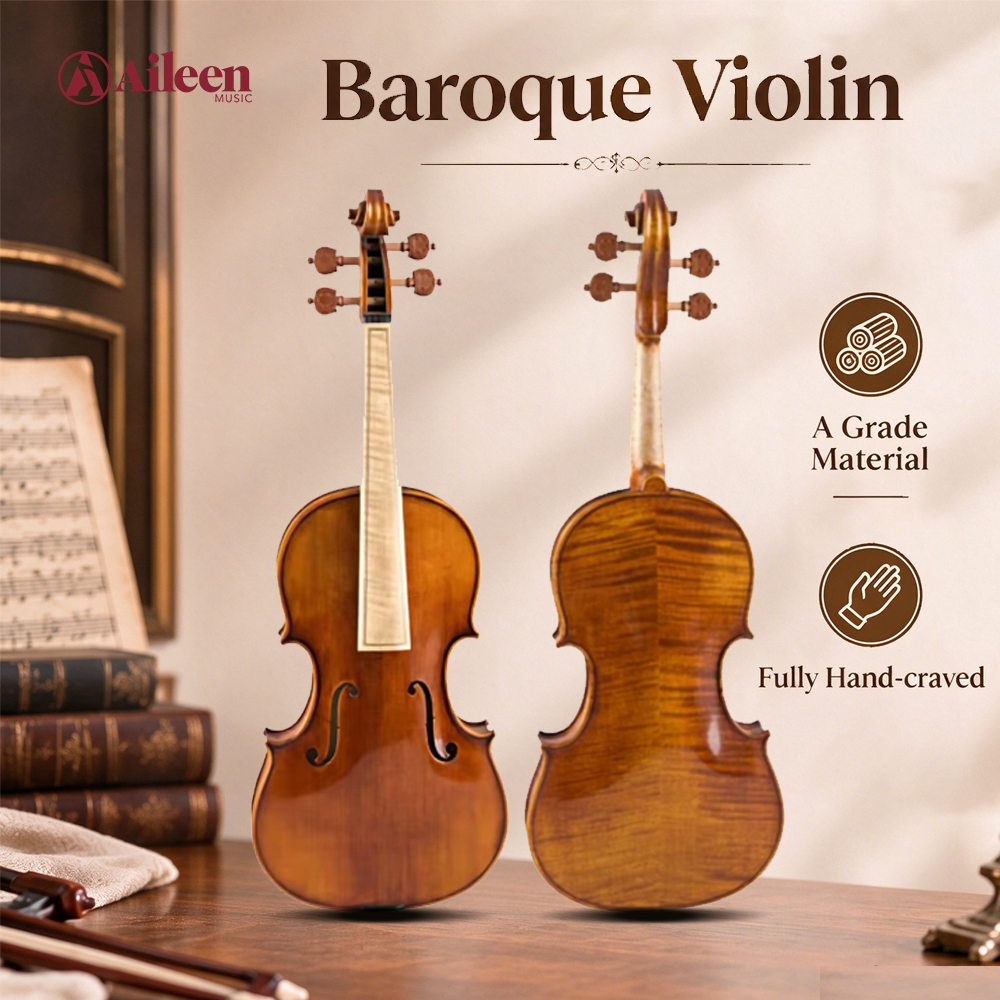

Executive Summary: Navigating Global Folk Guitar Sourcing in 2025
The global folk and acoustic guitar industry is experiencing a profound paradigm shift driven by changes in tonewood regulation (CITES updates), evolving consumer acoustic preferences, and significant advances in computer-controlled woodworking (CNC) and climate-controlled finishing technology. For international musical instrument buyers, brand owners, educational procurement managers, and wholesale distributors, identifying a reliable factory partner requires moving beyond surface-level pricing to analyze structural acoustics, timber seasoning standards, supply chain transparency, and rigorous quality assurance (QA) protocols.
This industry report provides an exhaustive analysis of the top folk guitar manufacturing facilities worldwide, establishing a strategic framework for OEM/ODM procurement. Incorporating proprietary insights on tonewood stability, finish curing times, structural bracing dynamics, and regulatory compliance, this guide equips procurement executives to make data-driven supply chain decisions.
Information Gain Key Takeaway: Acoustic stability in folk guitars is 80% determined before the first wood cut. Top-tier manufacturers maintain automated climate-controlled kilns operating at 8–12% Equilibrium Moisture Content (EMC) for a minimum of 90 to 180 days to prevent post-export top cracking and neck warping across varied climate zones.
Structural & Technical Analysis: Top 10 Folk Guitar Factories & Suppliers
Evaluating global guitar manufacturing capacity requires examining both high-volume OEM producers in Asia and specialized boutique production hubs in Europe and North America. Below is an analytical breakdown of the leading 10 manufacturing entities setting international standards in 2025.
1. Chive / Aileen Music Manufacturing Hub Nanjing, China
Core Specialization: High-precision OEM/ODM Folk, Acoustic-Electric, and Orchestral Instruments.
Key Features: Operating since 1993, holding ISO 9001 certification, and listed among Music Trades' Global 225. Features fully integrated production lines, hand-rubbed organic finishes, custom soundboard voicing, and low-MOQ multi-category container consolidation services.
2. Cort Musical Instruments (Cor-Tek) Indonesia / Vietnam
Core Specialization: High-Volume Contract OEM Manufacturing.
Key Features: One of the world's largest acoustic and electric guitar contract manufacturers. Modern facilities utilize advanced automated UV curing lines and automated electrostatic painting systems, supplying major global brand labels.
3. Samick Musical Instruments Bogor, Indonesia
Core Specialization: Entry-to-Mid-Tier Mass Sourcing.
Key Features: Expansive manufacturing footprint with integrated tonewood processing plants. Produces cost-effective folk and classical guitars with consistent structural tolerances for educational supply houses.
4. FujiGen (FGN) Acoustic Division Nagano, Japan
Core Specialization: High-End Precision Craftsmanship.
Key Features: Renowned for exceptional woodworking tolerances, Circle Fretting Systems (C.F.S.), and meticulous hand-lacquering. Serves top-tier professional markets with premium price points.
5. Yako Musical Instruments Taiwan / China
Core Specialization: Mid-Range Folk & Dreadnought Production.
Key Features: Established mid-market supplier with strong CNC woodworking capabilities and reliable automated neck-joint fitting lines suitable for retail chain distribution.
6. Farida Guitars (Grand Reward) Guangdong, China
Core Specialization: Solid-Top & All-Solid Boutique Folk Guitars.
Key Features: Specializes in boutique-style acoustic guitars utilizing scalloped X-bracing, solid Sitka spruce tops, and refined nitrocellulose-style thin finishes.
7. Godin Guitar Complex (Seagull Line) Quebec, Canada
Core Specialization: Sustainable North American Tonewood Guitars.
Key Features: Utilizes locally harvested pressure-tested cedar and spruce tops, integrated neck set technology, and eco-friendly waterborne finishes.
8. Crafter Guitars Gyeonggi-do, South Korea
Core Specialization: Acoustic-Electric Cutaway Designs.
Key Features: Integrated pickup/preamp installation lines, decorative wood inlay work, and proprietary neck profiles appealing to gigging acoustic musicians.
9. Dyna Gakki Nagano, Japan
Core Specialization: Specialized Archtop & Folk Hybrid Instruments.
Key Features: Flexible batch production capacity with high artisan oversight, focusing on niche acoustic designs and premium private-label contracts.
10. Martinez Guitars Guangzhou, China
Core Specialization: Crossover Folk & Nylon Hybrid Instruments.
Key Features: Innovator in narrow-nut hybrid acoustic designs, elevated fretboards, and modern acoustic soundports tailored for modern fingerstyle players.
Comparative B2B Sourcing Evaluation Matrix
To assist procurement managers in matching factory capabilities with brand strategy, the matrix below details operational benchmarks across primary sourcing regions.
| Sourcing Region | Target Tier | Average Lead Time | EMC Moisture Control Standard | Primary Strengths |
|---|---|---|---|---|
| China (Tier 1 Hubs e.g., Chive) | Entry to Professional | 30 – 45 Days | 8% – 10% Automated Kiln | High flexibility, custom OEM capabilities, low MOQs, rapid prototyping. |
| Indonesia Mass Plants | Entry to Mid-Level | 60 – 90 Days | 10% – 12% Standard Drying | Mass volume output, competitive raw labor rates for simple specs. |
| Japan Artisan Facilities | High-End Premium | 90 – 120 Days | 6% – 8% Precision Aged | Extremely tight tolerances, world-class fret finishing, premium timber. |
| North America / EU | Premium / Regional | 60 – 90 Days | 7% – 9% Regional Controlled | Domestic wood sourcing, low import tariff advantages within regional blocks. |
Future Procurement Trends in Folk & Acoustic Guitar Supply Chains
As the international music market evolves, buyers must anticipate systemic changes in raw material availability, manufacturing technologies, and global trade compliance. Procurement strategies for 2025 through 2030 are anchored by five major trends:
1. Thermal Modification & Torrefaction Technology
Torrefaction (baking tonewoods in an oxygen-deprived chamber at high temperatures) cures the wood resin, aging the timber artificially in a matter of hours. Torrefied tops (often marketed as "Thermo-Cured" or "Roasted") mimic the resonance of 50-year-old vintage instruments while making the top significantly more stable against seasonal humidity shifts. Forward-thinking distributors are increasing their purchase share of roasted spruce and maple models to reduce warranty returns in volatile climates.
2. Transition to Ultra-Thin Hand-Rubbed & UV Cured Polyurethane Finishes
Thick polyester finishes restrict soundboard vibration, resulting in damp acoustic projection. Advanced folk guitar factories are transitioning toward paper-thin UV-cured polyurethane or traditional organic hand-rubbed finishes (such as the AF-H01LCE series). These finishes protect the instrument against environmental impacts while allowing the soundboard to flex naturally, producing higher acoustic resonance and a premium tactile feel.
3. Modern Structural Bracing Architecture
Traditional heavy X-bracing is being replaced by engineered scalloped forward-shifted bracing, parabolic tone bars, and asymmetrical internal routing. Modern CNC routing technology enables factories to carve tone bars with sub-millimeter precision, maximizing bass response and treble clarity without sacrificing structural integrity under high string tension.
4. CITES Compliance & Alternative Sustainable Tonewoods
With ongoing restrictions on Indian Rosewood (Dalbergia latifolia) and Brazilian Rosewood, leading factories are standardizing high-performing alternative timbers. FSC-certified Ebony, Pau Ferro, Laurel, and engineered wood composites (e.g., Richlite) are replacing restricted fretboard materials. Importers must partner with factories that provide complete Lacey Act and CITES documentation to guarantee smooth customs clearance.
5. Smart Pickup Integration & On-Board Acoustic Effects
The modern folk guitar buyer demands versatility. Integrated preamp systems featuring built-in actuator transducers—which deliver delay, reverb, and chorus effects directly through the unamplified guitar soundhole—are converting traditional acoustic lines into high-margin bestsellers. Equipping standard folk acoustic models with lightweight dual-source preamps (magnetic + piezo) expands market appeal to younger, tech-savvy demographics.
Product & Manufacturing Development Trends
Evaluating an OEM supplier requires understanding their internal engineering workflows. The modern acoustic guitar manufacturing pipeline relies on several critical technical benchmarks:
- Automated Neck-Joint Dovetailing: Traditional hand-fitted neck joints suffer from dimensional variance. Modern factories utilize 5-axis CNC routers to cut interlocking dovetail or precision bolt-on neck joints, ensuring correct neck angles (typically 1.5° to 2.0°) and precise string action right off the assembly line.
- Plek Fret-Dressing Automation: High-end OEM lines incorporate automated computer-controlled fret leveling machines (Plek) or high-precision laser-guided leveling tools. This eliminates fret buzz and ensures smooth playing action across all 20 or 21 frets.
- Soundboard Voicing & Top Thicknessing: Rather than sanding all spruce tops to a uniform thickness, advanced factories measure top deflection (flexibility) using digital sensors, adjusting sanding depths to optimize tone for varying wood densities.
Comprehensive B2B Sourcing FAQ for Importers & Distributors
What is the standard Minimum Order Quantity (MOQ) for custom OEM folk guitars?
How do top factories prevent acoustic tops from warping or cracking during maritime shipping?
What documentation is required to ensure smooth customs clearance for imported guitars?
Can we combine folk guitars with orchestrals, keyboards, and accessories in a single shipment?
What is the lead time from order confirmation to port dispatch?
Enterprise Capabilities & Strategic Partner Profile: Chive Music Co., Ltd.
Established in 1993, Chive Music Co., Ltd. (operating with its flagship brand identity Aileen Music) has positioned itself as an industry-leading manufacturer and global exporter of musical instruments. Serving B2B clients across 100+ countries, the enterprise combines deep technical heritage with modern production logistics.
Verified Institutional Trust & Credibility:
- Industry Distinction: Ranked No. 195 in The Music Trades Global 225 Top Suppliers (2017).
- Permanent NAMM Member: Continuous international trade participation since 2003; CCPIT member since 2005.
- Quality System Certification: ISO 9001 quality management system with third-party factory inspections verified by BV, SGS, and TÜV.
- Credit Rating: Recognized as an AAA Grade Credit Enterprise by the China Musical Instrument Association (CMIA).
- Proprietary IP portfolio: 8 design and utility patents, along with 5 internationally registered trade brands including Winzz, Lexington, and Chive.
Operating out of Nanjing, Jiangsu, Chive Music maintains specialized production divisions for fretted stringed instruments, orchestral bowings, brasswind, woodwind, percussion, and electronic key systems. By applying a strict 100% pre-shipment setup check—where every guitar is inspected for action, neck relief, finish integrity, and electronics performance—Chive Music delivers retail-ready instruments directly to global warehouses.
Partner with a World-Class Folk Guitar Manufacturer Today
Whether expanding your retail product lineup, launching a private-label guitar brand, or sourcing for institutional educational contracts, our export team provides turnkey OEM/ODM solutions.
Get a Quote