Handcrafted Precision vs. Industrial Scale: The Global Guitar Procurement Blueprint
In the high-stakes global musical instrument market, procurement teams, wholesale distributors, and boutique brand directors face a structural challenge: balancing true acoustic luthier craftsmanship with rigid OEM delivery schedules, export compliance, and climate stability. As modern search intent shifts toward verifiable quality metrics, B2B buyers require empirical benchmark data rather than marketing rhetoric.
Featured Professional Instruments & Master Workshop Selection
Explore our benchmarked selection of orchestral strings, handcrafted guitars, wind instruments, and luthier accessories engineered for global distribution.
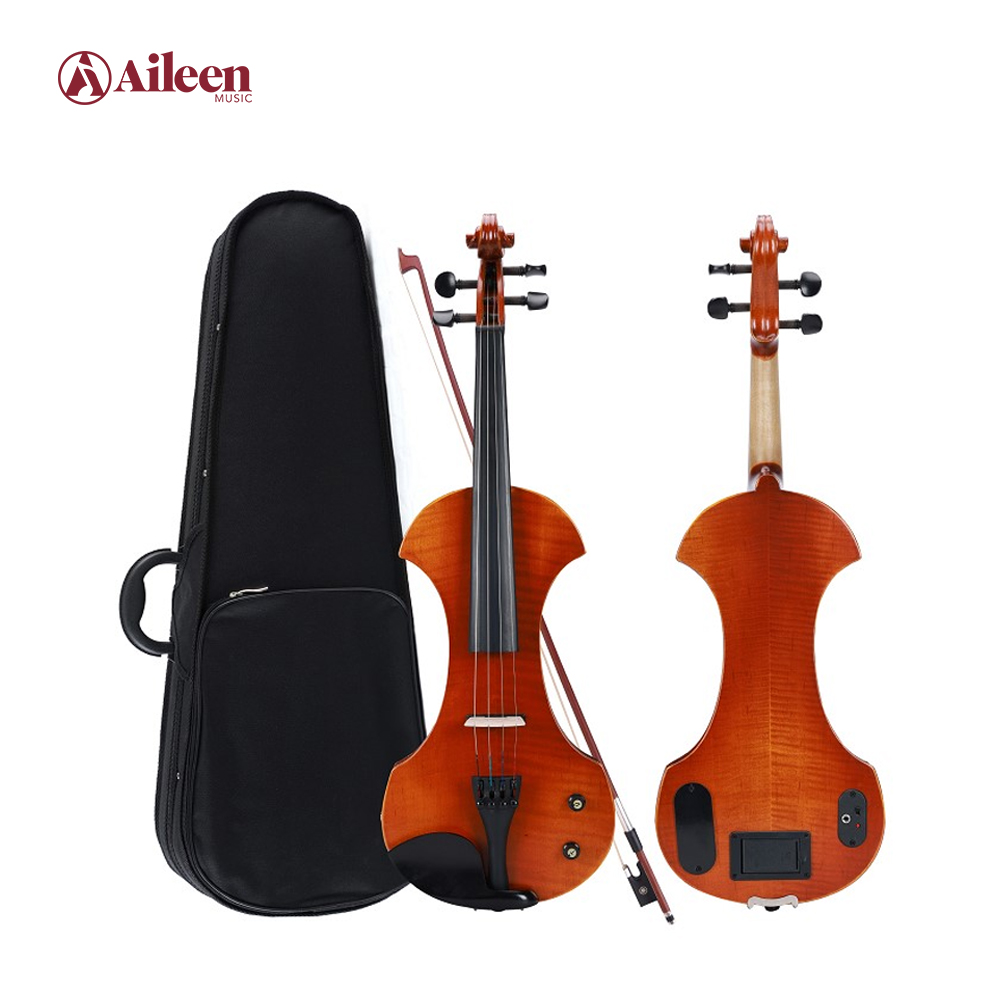
AV-D502 N/SB 4/4 Professional Electric Violin Set
Includes student rosin, bridge, and active earphone monitoring. Engineered with noise-free pickup circuitry and ergonomic hand-carved body contours.
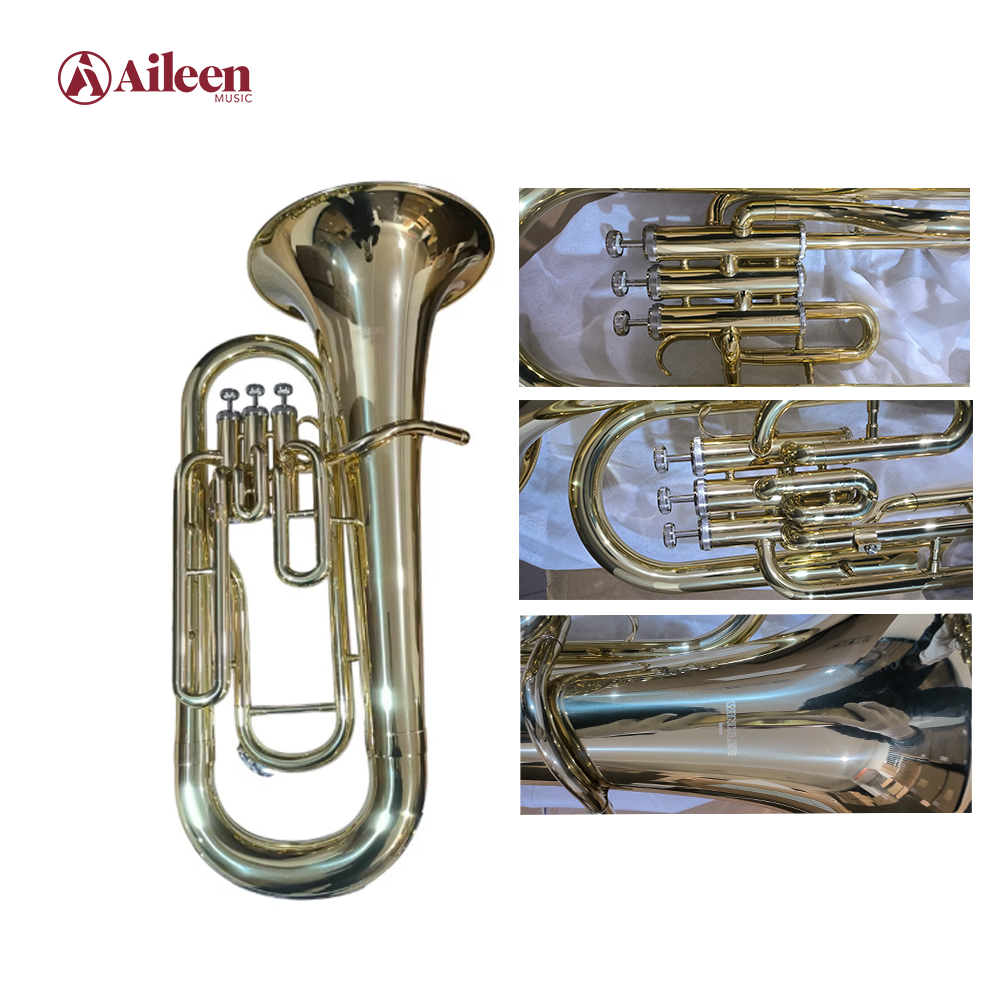
EU-G3400G Student Yellow Brass Euphonium Set
Precision-drawn yellow brass tubing with reinforced foam-body protection case. Optimized valve action for institutional and school band programs.
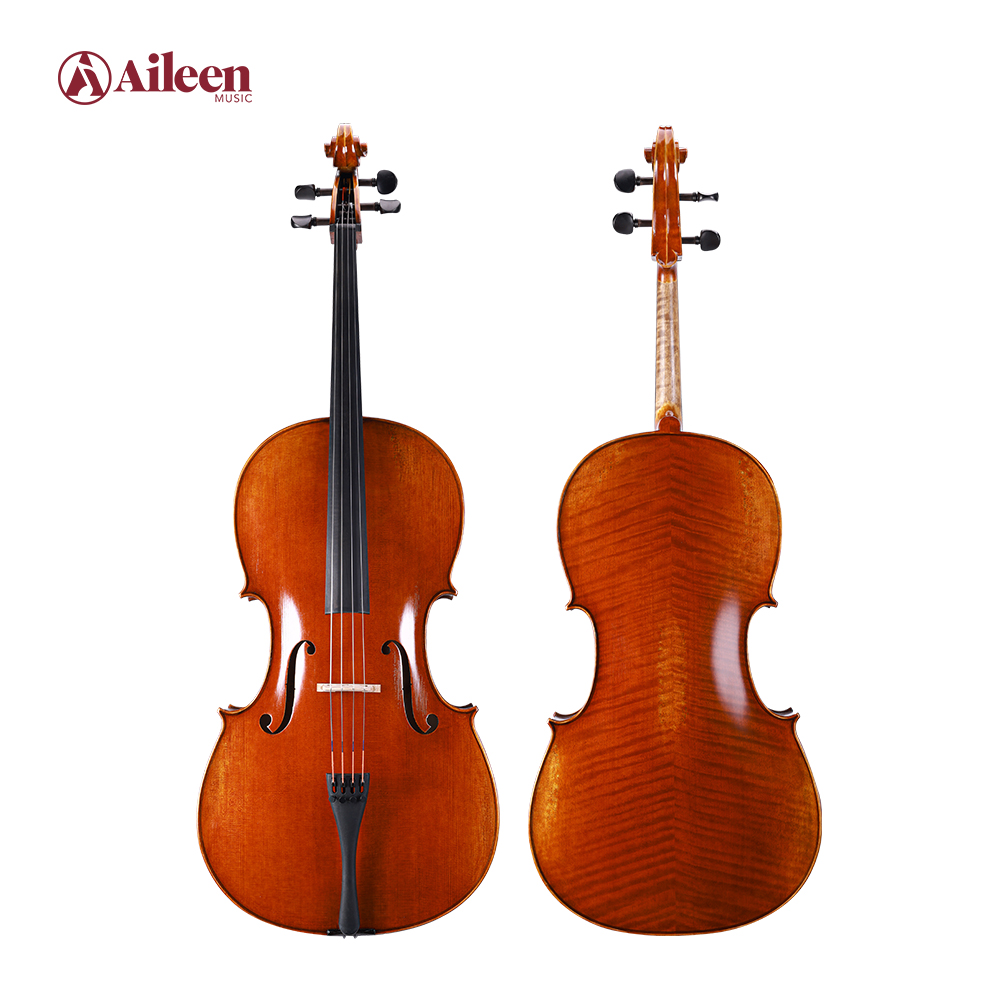
LC05 Legacy Series Solid Spruce Professional Cello
Selected solid spruce soundboard finished with spirit varnish. Hand-carved master luthier grading delivering rich acoustic resonance.

Wholesale 40" Cutaway Acoustic Guitar (AF-H00LC)
Ergonomic cutaway body design with responsive X-bracing. High-volume production model tailored for OEM brand expansion and starter outfits.
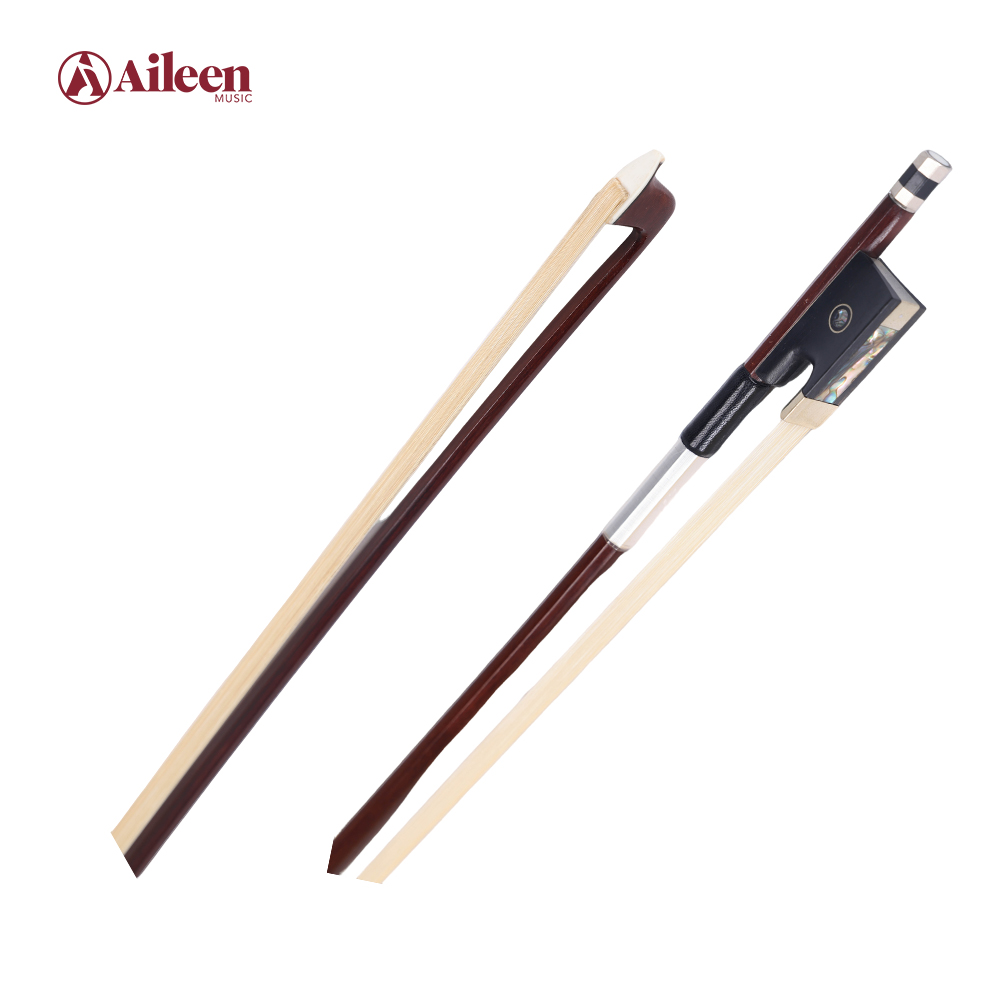
WV880 Octagonal Brazilwood Violin Wooden Bow
Durable octagonal stick structure with unbleached natural Mongolian horsehair and ebony frog for precise bow balance and control.

CL-R11 High-Grade Clarinet Reeds (10 Pcs/Box)
Strength grading from 1.5 to 3.5. Precision-cut organic cane delivering consistent vibration, rich timber, and rapid response.
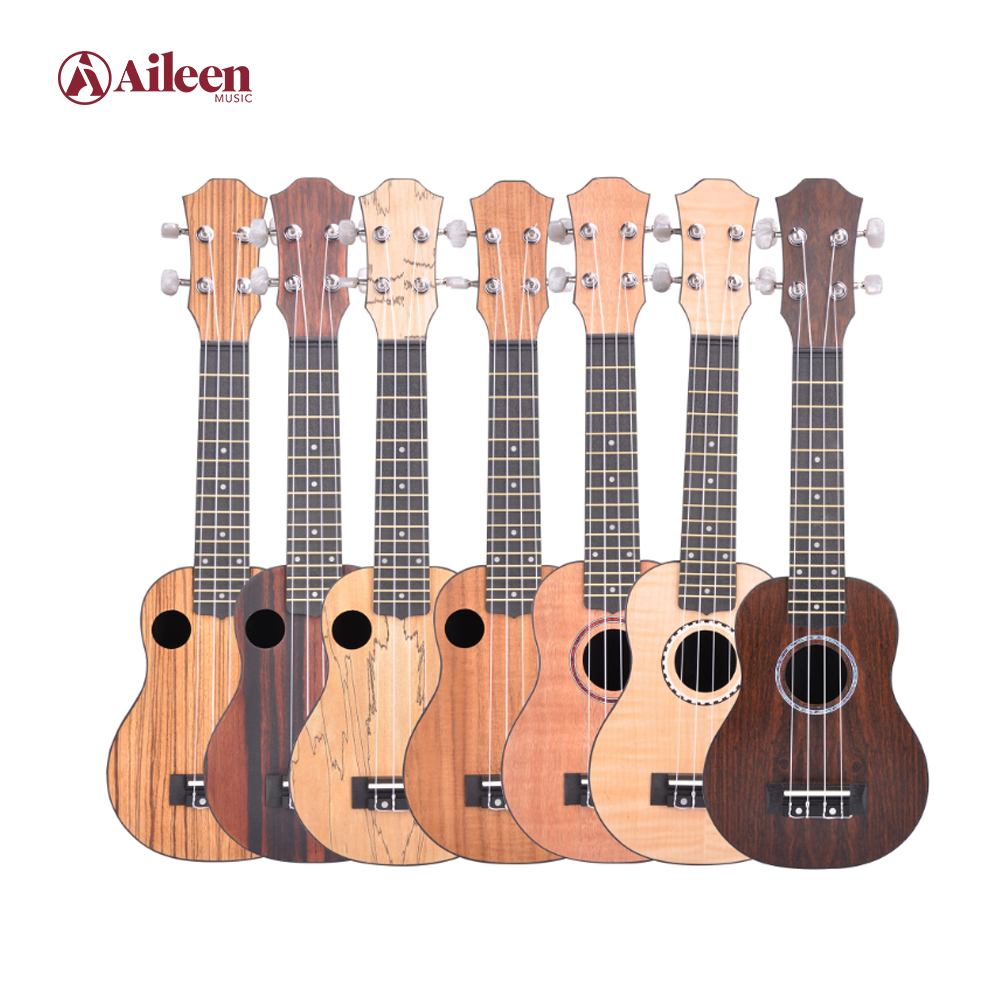
AU-P02 Wholesale 21'' Composite Material Top Ukulele
Soprano sizing featuring weather-resistant composite soundboard engineering. Ideal for entry retail catalog placement and gift promotion lines.
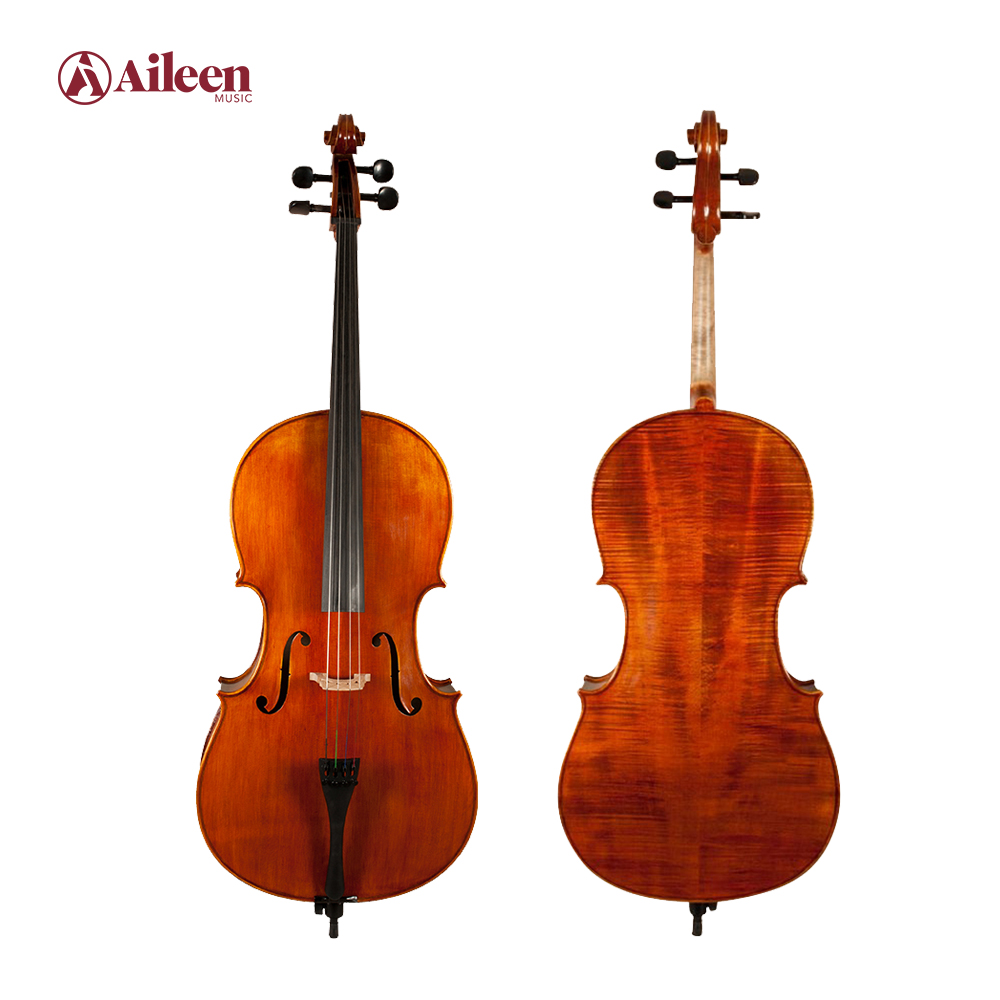
CH200VA Premium Hand-Carved Solid Spruce Cello
Fully hand-carved solid spruce top paired with heavily flamed maple back & sides. Hand-applied traditional oil varnish finish.
Evaluating the World’s Leading Handmade Guitar Manufacturers
To assist procurement directors and brand managers in establishing reliable OEM/ODM supply chains, our research team analyzed technical capabilities, acoustic voicing methodology, wood aging infrastructures, and contract manufacturing flexibilities across top global workshops.
| Manufacturer Tier & Focus | Primary Tonewood Specialties | Voicing & Bracing Architecture | OEM Customization Flexibility | B2B Target Market Segment |
|---|---|---|---|---|
| 1. High-Volume OEM / Chive Music Workshop | A AAA Spruce, Flamed Maple, Mahogany | Hand-Scalloped X-Bracing & Dynamic Tap Tuning | Full OEM/ODM (Logo, Finish, Hardware, Box) | Distributors, School Fleets, Private Brands |
| 2. Boutique North American Custom Shops | Sitka Spruce, Brazilian Rosewood, Koa | Traditional Parabolic Voicing | Low Batch / Custom One-off Orders | Collector & High-End Artist Retail |
| 3. European Classical Luthier Houses | Cedar, Cypress, European Spruce | Fan Bracing & Lattice Soundboards | Strict In-House Brand Specifications | Concert Classical Guitar Specialists |
| 4. Asian Contract Manufacturing Hubs | Laminated Tonewoods, Engineered Laurel | Automated Standard CNC Bracing | High MOQ Standard Packaging | Budget Starter Outfits & Mass Retail |
Quarter-Sawn Tonewood Selection
Master luthiers prioritize quarter-sawn spruce and cedar soundboards with straight grain density (>12 grains per inch). This structural integrity ensures maximum stiffness-to-weight ratio and dynamic projection.
Acoustic Tap Tuning & Voicing
Unlike fully automated assembly lines, premier handmade operations hand-shave bracing profiles (scalloped X-bracing or parabolic lattice) while monitoring resonant resonant frequency modes (fundamental tap tone).
Humidity-Stabilized Assembly
Controlling wood EMC (Equilibrium Moisture Content) at 45%–50% RH during gluing prevents bridge lifting, fret-end sprout, and soundboard cracking during transoceanic shipping.
Future Procurement Trends in Handcrafted Instruments (2025–2030)
As environmental regulations tighten and commercial buyers demand greater transparency, the handmade guitar manufacturing landscape is undergoing significant technological and operational evolution.
1. Torrefaction (Thermo-Curing) Adoption
Thermal modification of tonewoods in oxygen-depleted kilns artificially ages wood resins, delivering the acoustic responsiveness and stability of a 50-year-old vintage instrument while eliminating sensitivity to ambient humidity changes.
2. CITES-Compliant Alternative Woods
With traditional rosewood restricted under international trade agreements, forward-thinking manufacturers are adopting FSC-certified alternative hardwoods such as Roasted Jatoba, Pau Ferro, and Ovangkol with zero clearance bottlenecks.
3. Hybrid Luthier-CNC Workflow Integration
Modern factories utilize high-precision 5-axis CNC machinery for initial neck-carving and pocket-fitting, leaving 100% of soundboard voicing, binding inlay, and fret dressing to master hand craftsmen.
4. Eco-Friendly Thin-Film UV Finishes
Transitioning from thick polyester coats to ultra-thin, instantly cured UV lacquers and water-based nitrocellulose alternatives allows soundboards to vibrate freely without sacrificing scratch protection.
Handcrafted Instrument Industry Development Trends
Understanding macroeconomic shifts helps procurement leaders align their inventory strategies with evolving consumer and educational institution preferences.
- E-Commerce Direct-to-Consumer (D2C) Private Labels: Music store chains are bypassing secondary distributors to build proprietary house brands with factory-direct OEM partners.
- Educational & Orchestral Expansion: Rising school band participation across North America and Europe drives demand for durable, standardized student outfits featuring solid tonewood tops.
- Acoustic-Electric Hybrid Innovations: Incorporation of low-profile, piezo-magnetic dual pickup systems and internal digital reverb/delay preamps within acoustic soundholes.
Why Industry Leaders Partner with Chive Music Co., Ltd.
Established in 1993, Chive Music Co., Ltd. has grown over three decades into a globally recognized leader in OEM/ODM musical instrument manufacturing, exporting violins, cellos, guitars, brass, woodwind, and percussion instruments to over 100 countries.
Decades of Credibility & Awards
Ranked No. 195 in the prestigious Music Trades Global 225 (2017), honored as a local government "Famous Export Brand" (2014), and rated AAA Grade Credit Enterprise by the China Musical Instrument Association (CMIA).
Rigorous ISO 9001 Quality System
Permanent NAMM member since 2003 and CCPIT member since 2005. Operations are audited by Bureau Veritas (BV), SGS, and TÜV Rheinland to ensure zero-defect shipment standards.
13-Stage Luthier Craftsmanship
From raw tonewood log sawing, precision machining, multi-coat varnish polishing, and controlled curing to master setup and play-testing, every instrument passes strict 100% internal QC checks.
Ready to Elevate Your Instrument Brand Lineup?
Consult with our export directors to receive tailored OEM/ODM quotes, master catalog samples, and container consolidation logistics advice.
Contact UsFrequently Asked Questions for Guitar Procurement
Empirical answers addressing technical specs, minimum order quantities, compliance, and custom private labeling.
Connect with Our OEM Sourcing Specialists
Get full whitepaper specs, factory audit documentation, or request custom samples for your private brand.
Contact Us