Featured Catalog & Production Offerings
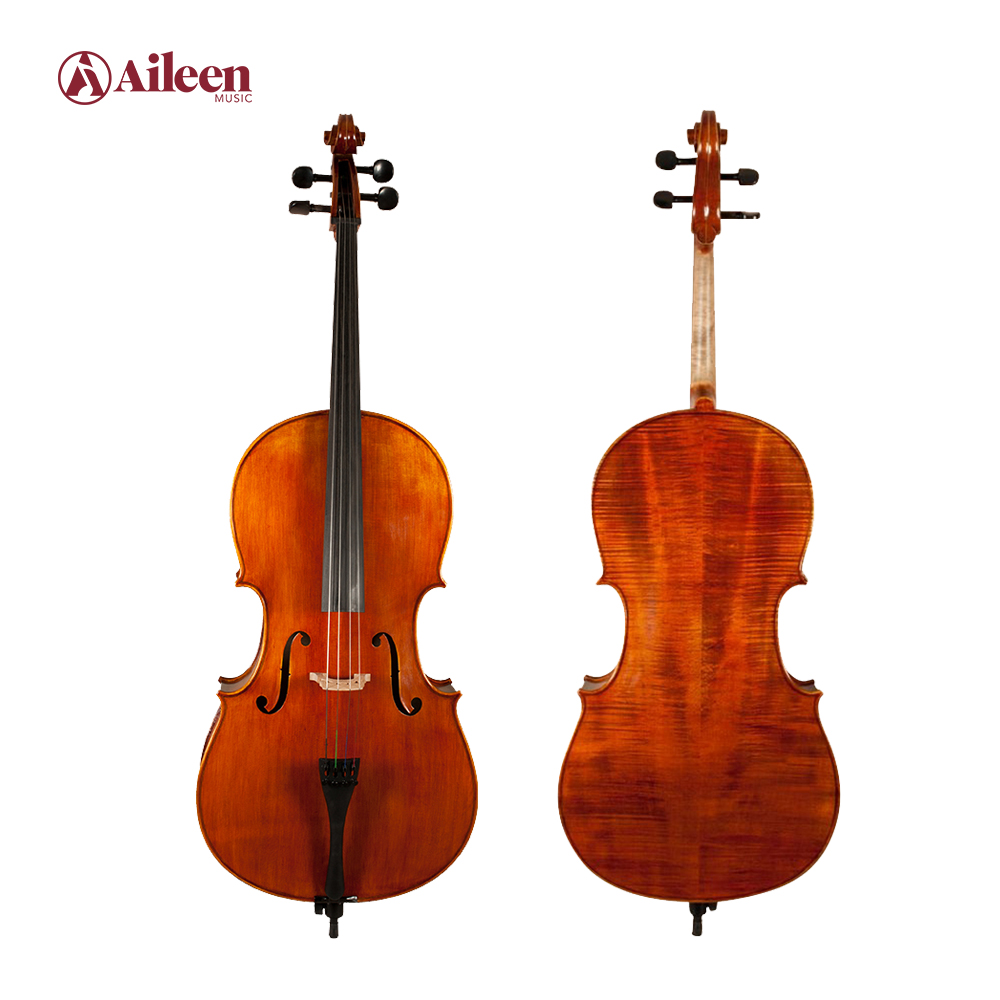
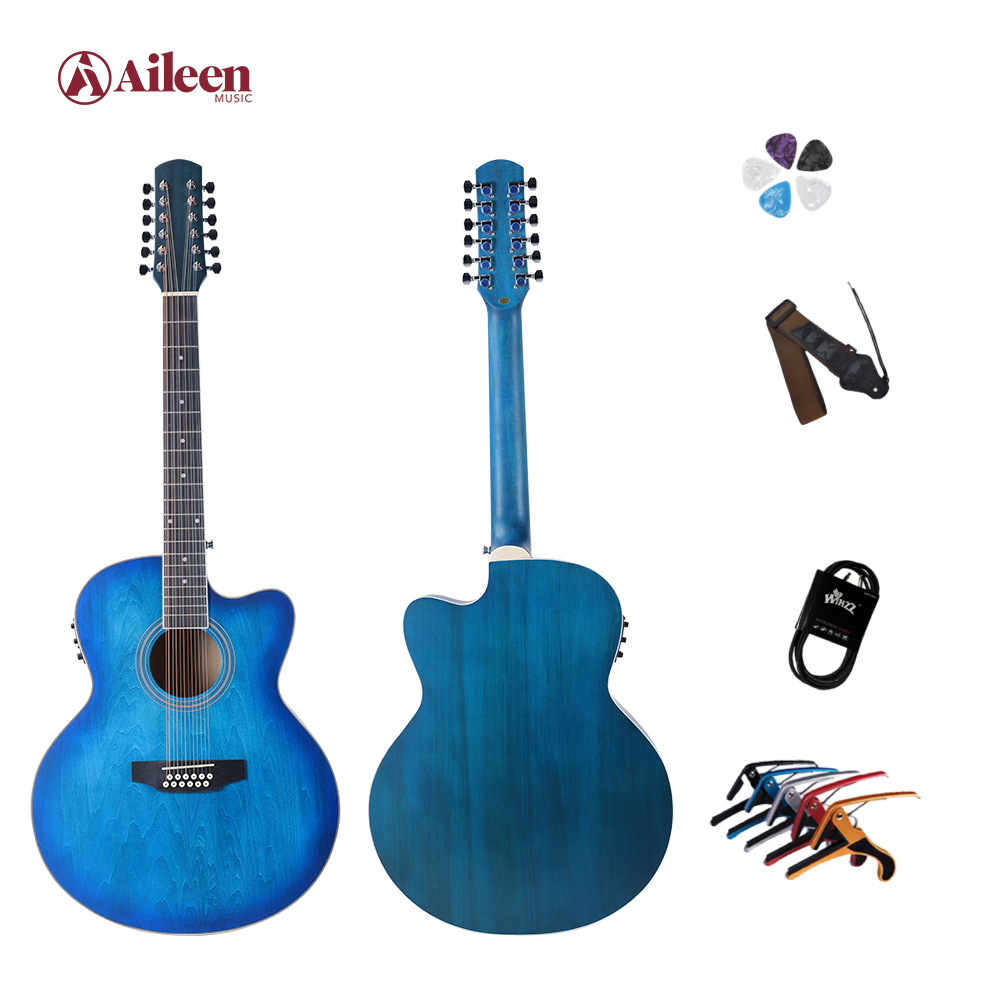
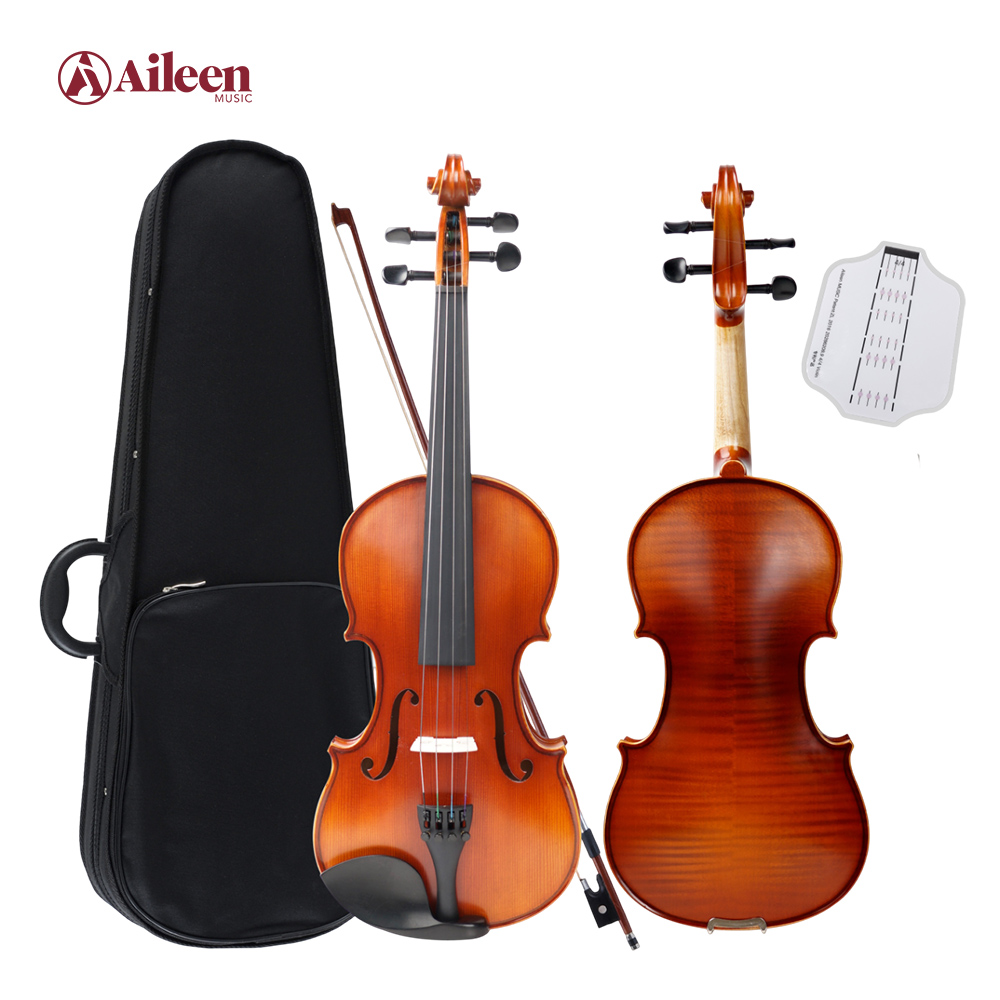
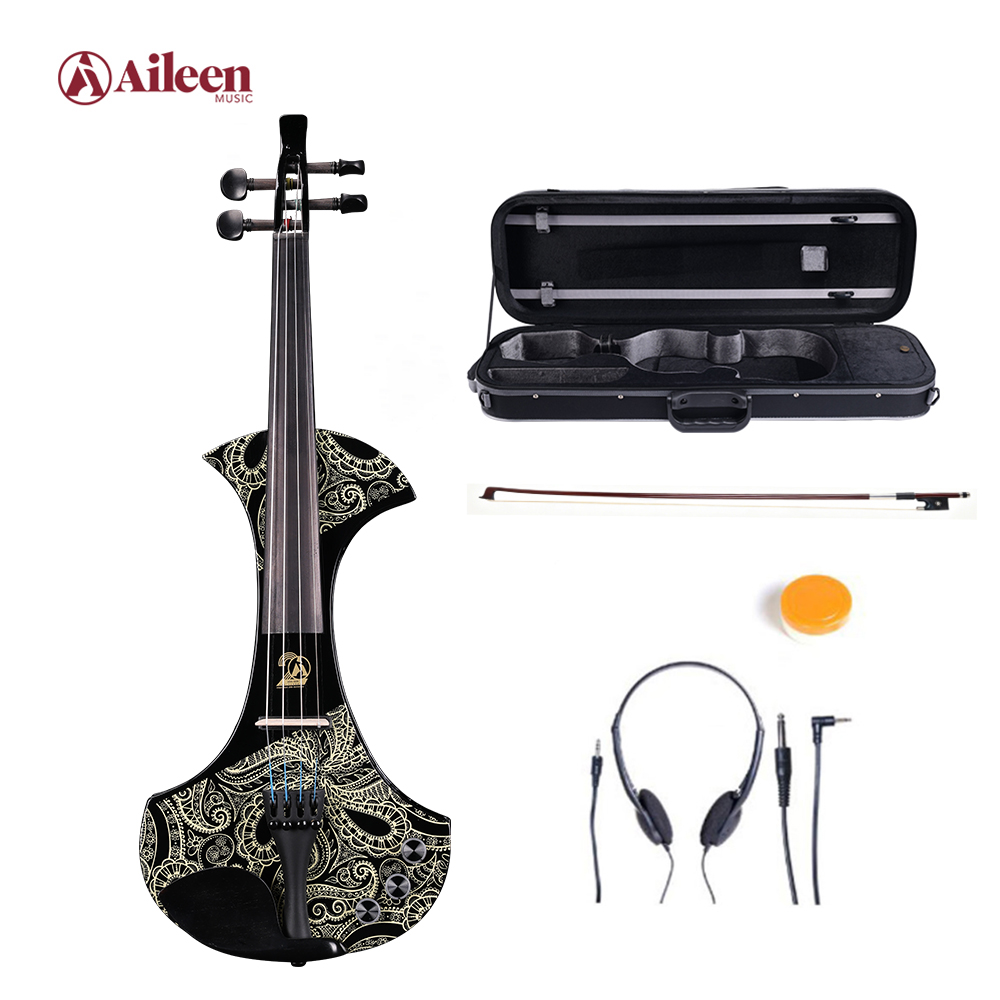
Explore our export-ready acoustic instruments, violins, cellos, guitars, and precision accessories manufactured to strict ISO 9001 quality benchmarks.

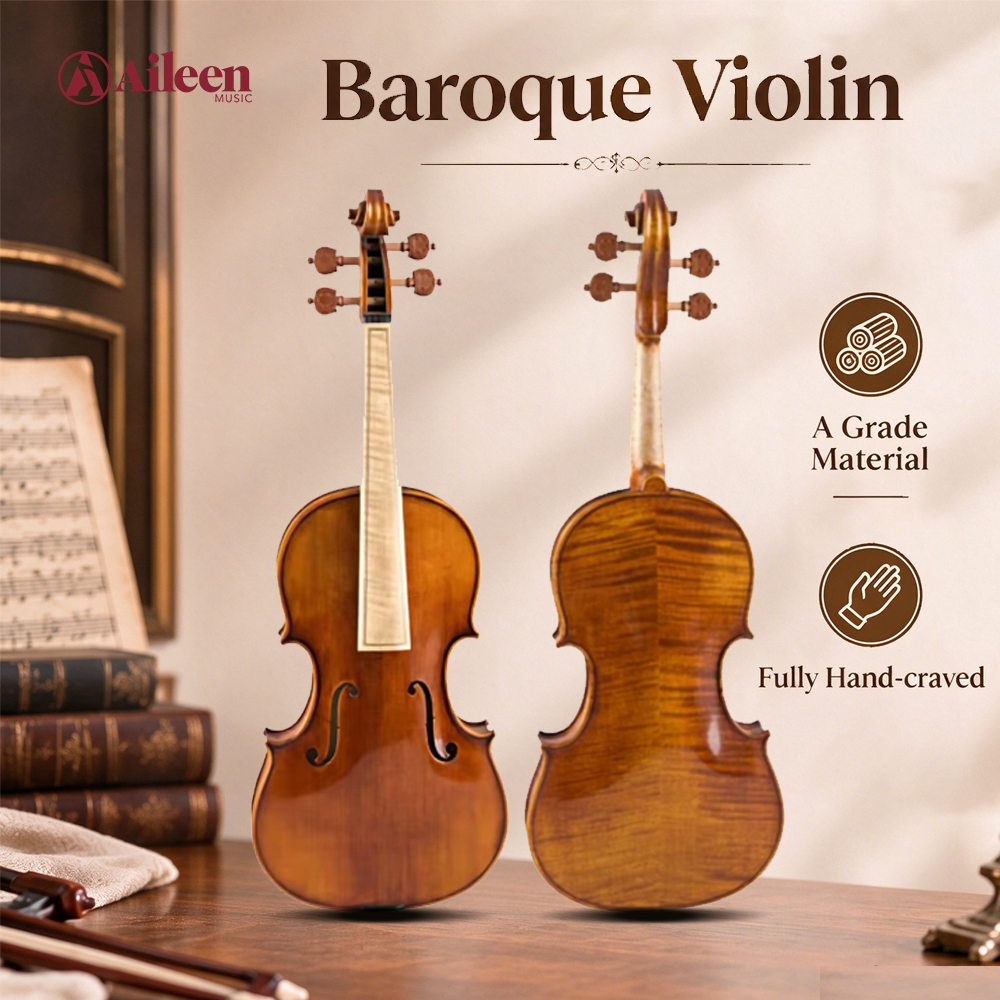

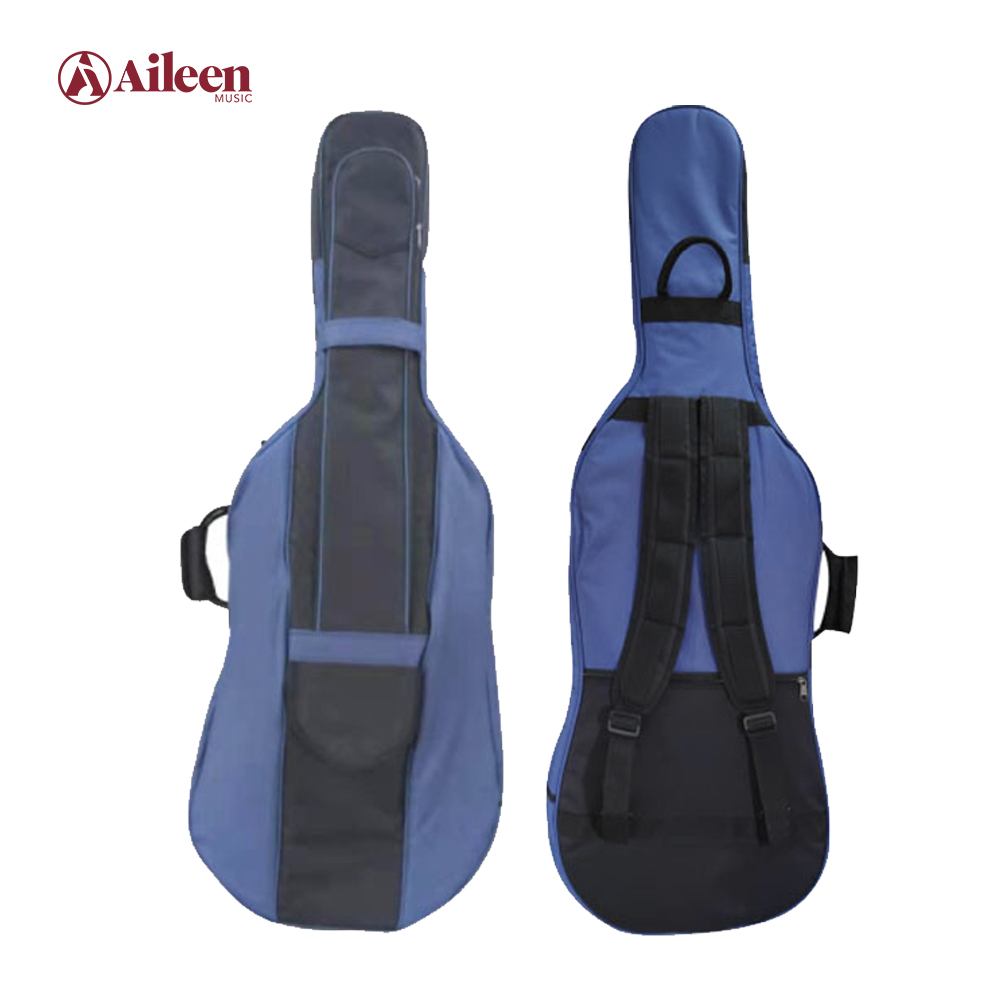
Executive Summary: The Global Ukulele B2B Procurement Landscape
The global fretted instrument market has experienced structural shifts over the past decade. Driven by the popularity of accessible stringed instruments across educational programs, e-commerce direct-to-consumer platforms, and musical therapy applications, the demand for high-quality ukuleles has expanded beyond traditional entry-level models into professional acoustic-electric hybrids, solid tonewood performance models, and eco-friendly composite alternatives.
For international procurement officers, brand managers, and commercial importers, identifying a reliable top 10 ukulele supplier manufacturer involves analyzing far more than basic unit price. Factors such as tonewood seasoning, automated CNC milling precision, neck stability under varying relative humidity (RH), zero-defect packaging, and CITES wood compliance form the foundational criteria that separate premier manufacturing partners from low-tier assembly units.
This industry whitepaper evaluates the core competencies required of top-tier ukulele manufacturers and exporters, outlines strategic market developments through 2030, presents comparative technical data for B2B buyer decision-making, and details how Chive Music Co., Ltd. (Aileen Music) leverages 30+ years of luthiery engineering to supply global markets with high-margin, defect-free musical instruments.
B2B Selection Matrix: Evaluating Top 10 Ukulele Manufacturers
When conducting supplier audits for large-scale OEM or ODM ukulele projects, commercial buyers should evaluate potential factory partners across five critical operational pillars:
1. Wood Seasoning & MC
Factory must maintain strict wood Moisture Content (MC) control (8%-12% for body/neck, <8% for fretboards) using automated kilns and climate-controlled staging zones to prevent body cracking or neck twist in destination markets.
2. Precision CNC Tooling
Multi-axis CNC milling for neck joints, bridge positioning, and kerfing ensures sub-millimeter tolerances, correct scale length, perfect intonation, and zero fret buzzing out of the box.
3. Regulatory Compliance
Full compliance with CITES appendices for exotic tonewoods (e.g., Rosewood restrictions), REACH/RoHS certification for lacquers, glues, and metal hardware, and FSC-certified wood sourcing options.
4. ODM Customization
In-house R&D capability offering custom rosette laser-engraving, unique headstock shapes, proprietary preamp/pickup integration, private-label gig bags, and specialized packaging design.
5. Consolidated Logistics
Ability to consolidate mixed orders—combining Soprano, Concert, Tenor, and Baritone ukuleles alongside violins, cellos, guitars, and accessories into a single LCL/FCL container shipment.
Technical Comparison: Ukulele Construction Materials & Market Alignment
Selecting the optimal material specification depends on target retail price points, climate durability requirements, and buyer acoustics expectations. The table below outlines technical metrics for primary ukulele construction methods:
| Specification Grade | Primary Tonewood / Material | Acoustic Profile | Climate Stability | Recommended Target Market |
|---|---|---|---|---|
| Solid Hawaiian Koa / Acacia | Solid High-Grade Koa / Acacia Wood | Rich mid-range warmth, sparkling highs, complex resonance | Requires strict RH control (45%-55%) | Boutique Retail, Professional Luthiery Brands, Premium Collectors |
| Solid Spruce Top / Mahogany Back | Solid Sitka Spruce + Laminated Mahogany | High projection, clear articulation, punchy volume | Moderate to High stability | Intermediate Student Line, Live Acoustic Performers, Mid-tier Brands |
| All-Laminated Mahogany / Sapele | Engineered Sapele/Mahogany Plywood | Warm, balanced tone with smooth sustain | Excellent resistance to cracking & warping | High-Volume Starter Kits, School Rental Fleets, Amazon Best-Sellers |
| High-Pressure Laminate (HPL) | Melamine Resin Impregnated Fiber | Consistent, clear tone with slightly reduced resonance | 100% Weatherproof, impervious to humidity shifts | Outdoor Travel Ukuleles, Extreme Climate Distribution, Entry OEM |
| Polycarbonate / Carbon Fiber | Injection-Molded Carbon Composite | Bright tone, enhanced sustain, precise acoustic voicing | Immune to water, temperature (-20°C to 70°C) | Modern Modernist Hybrid Ukuleles, Travel Enthusiasts, Tech Retail |
Future Procurement Trends in the Ukulele & Fretted Instrument Industry
As the global musical instrument sector evolves through 2025 and toward 2030, procurement directors must align their supply chain strategies with four dominant macro trends:
1. Rise of Smart & Hybrid Electro-Acoustic Ukuleles
Modern consumers demand seamless connectivity. Future-proof product lines incorporate low-latency Bluetooth transceivers, integrated onboard reverb/delay DSP microchips (allowing acoustic effects without an amplifier), and LED learning fretboards paired with mobile interactive apps.
2. Strict Environmental & Sustainable Wood Sourcing
Global regulatory pressure regarding forest conservation is intensifying. Importers face strict scrutiny under Lacey Act and EU Timber Regulations. Future procurement favors factories utilizing fast-growing sustainable tonewoods such as Bamboo, Thermo-Treated Spruce (Torrefaction), and FSC-certified Acacia.
3. Automated Precision Luthier Manufacturing
Traditional hand-assembly is increasingly supplemented by robotic carving, automated laser-guided neck fitting, and electrostatic UV painting booths. This hybrid approach maintains luthiery art while eliminating human variances in neck-joint geometry, fret finishing, and lacquer thickness.
Market & Technical Development Trends in Ukulele Manufacturing
Product innovation in ukulele manufacturing focuses on solving long-standing acoustic and structural challenges. Major technical advancements include:
A. Advanced Bracing Optimization: Traditional fan bracing is being replaced by asymmetric arch bracing and carbon-fiber ribbing. This allows ultra-thin spruce or koa tops (down to 1.6mm) to maximize acoustic velocity and bass projection without sacrificing structural integrity under string tension.
B. Zero-Fret & Ergonomic Neck Profiling: To improve playability for beginners and reduce open-string intonation error, modern factories integrate zero-fret nut designs combined with shallow 'C-to-D' slim neck contours, reducing finger fatigue during extended play.
C. Integrated Onboard Preamps with Silent Practice Output: Transacoustic pickup technology utilizes the ukulele's own back plate as a speaker transducer, enabling chorus, delay, and hall reverb effects unplugged, while providing 3.5mm headphone jacks for silent practice.
B2B Ukulele Procurement & Manufacturing FAQ
Find detailed answers to common inquiries raised by international buyers, procurement managers, and brand owners during factory audits:
Q1: What is the standard Minimum Order Quantity (MOQ) for custom OEM ukulele orders?
A: Our standard MOQ for full OEM private-label ukulele manufacturing starts at 100 to 300 pieces per model depending on material specifications (e.g., laminated Sapele vs. solid Hawaiian Koa). For ready-to-ship stock models under our established brands (Winzz or Chive), MOQs start as low as 1 to 10 pieces, allowing flexible sample evaluation and market testing.
Q2: How do you protect ukuleles against wood cracking and fret sprout in cold/dry import climates?
A: We subject all tonewoods to multi-stage forced-air kiln drying followed by climate conditioning in humidity-controlled rooms held strictly at 45%-55% RH. Furthermore, our fretboards undergo secondary edge beveling and sealing, ensuring that instruments exported to low-humidity regions (such as Northern Europe or North America) retain structural equilibrium without fret sprouting or body cracking.
Q3: Can we consolidate ukuleles with other musical instruments in a single container order?
A: Yes, absolutely. As a comprehensive multi-category musical instrument manufacturer, Chive Music offers full container consolidation services. Importers can combine ukuleles, acoustic guitars, student violins, cellos, brass instruments, and padded gig bags into a single FCL or LCL shipment, dramatically lowering sea freight costs per unit.
Q4: What custom OEM branding options are available for corporate orders?
A: We provide complete customization services including laser-engraved or pearl-inlaid headstock logos, custom soundhole labels, customized rosette patterns, proprietary color finishes (matte, high-gloss, sunburst, hand-rubbed oil), custom-branded die-cast tuning pegs, color-printed retail display boxes, and padded gig bags featuring your embroidered company logo.
Q5: How does your quality control team inspect orders prior to export dispatch?
A: Every production batch undergoes a 13-step quality control protocol. This includes in-process dimensional checks during CNC machining, moisture level verification before lacquer application, electrostatic spray consistency inspection, bridge shear tension testing, full string action setup, playability checks for fret buzzing, and final pre-packing visual inspection. Third-party inspection agencies appointed by buyers (such as SGS, AsiaInspection, or V-Trust) are always welcome.
Partner with a World-Class Instrument Manufacturer
Request our complete 2025 OEM/ODM Product Catalog, order factory samples, or discuss custom private-label manufacturing with our senior export specialists.