Featured B2B Catalog & Instrument Accessories
Explore our export-ready products manufactured under ISO9001 certified quality controls for international distributors, wholesalers, and retail brands.
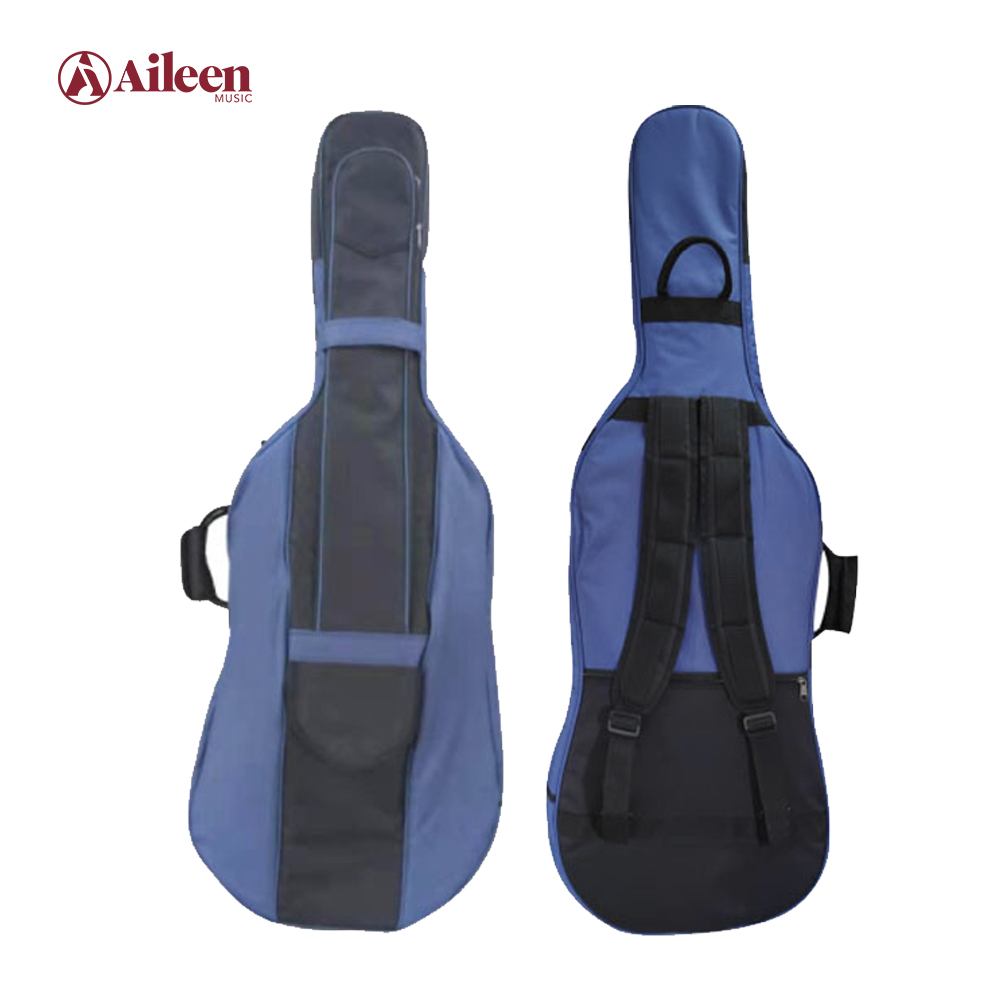
BGC014H Color Available 20mm Thick Padding Soft Carrying Handles 4/4-1/16 Cello Soft Bag
View Product Specs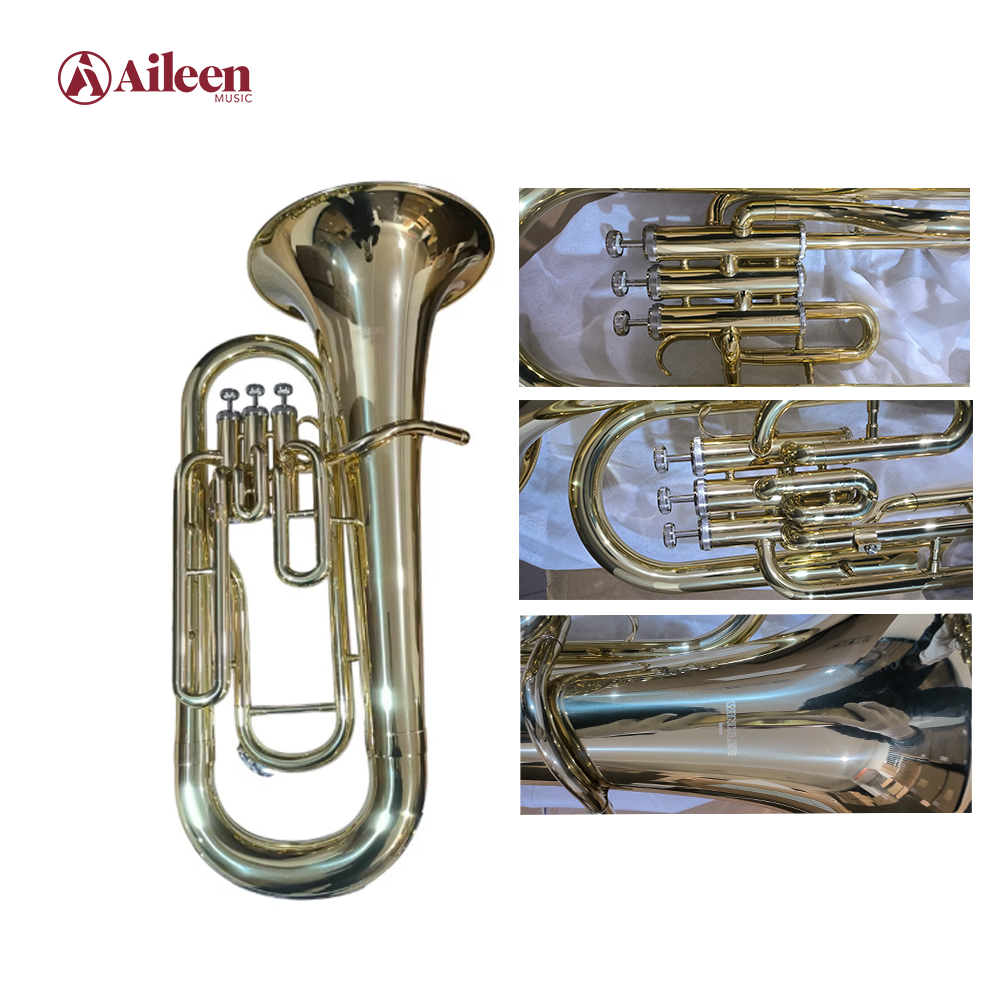
EU-G3400G Entry Level Student Yellow Brass Euphonium with Foambody Case
View Product Specs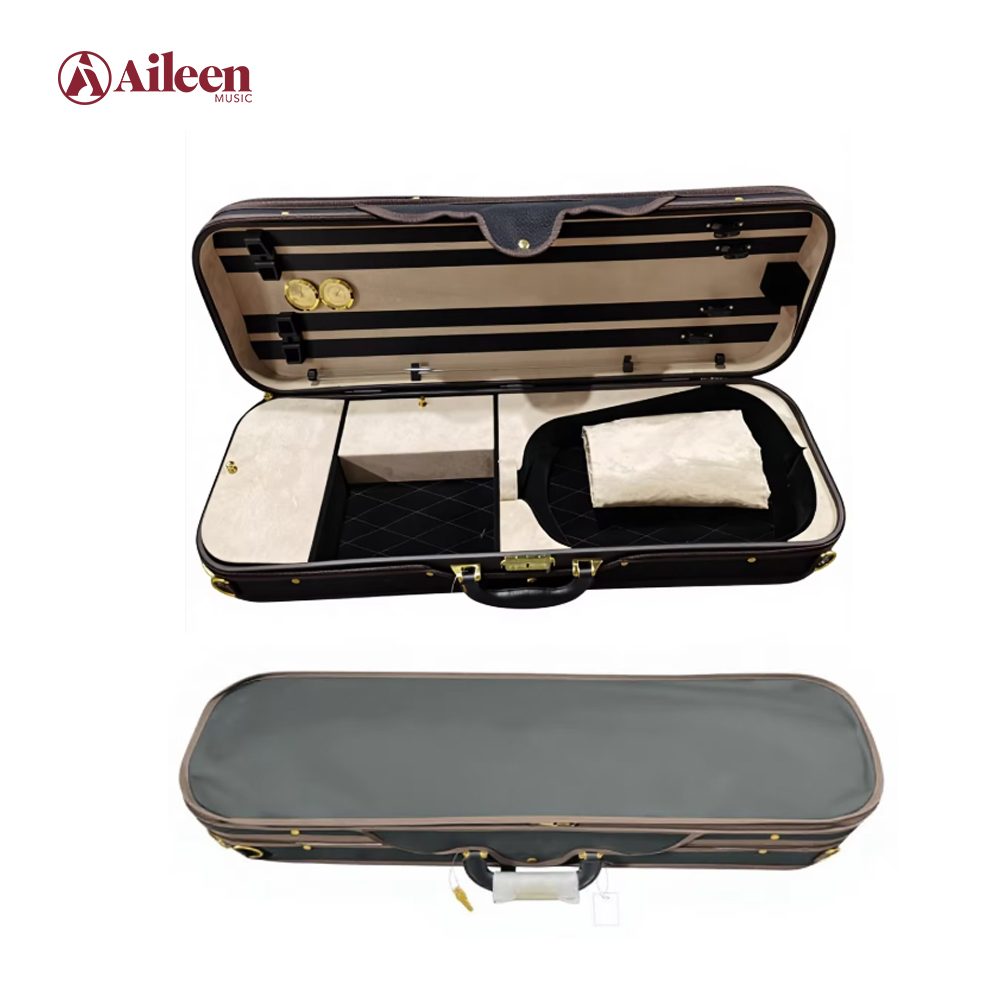
Aileen Stock Oblong Shape Deluxe Wooden Violin Case(CSV1067)
View Product Specs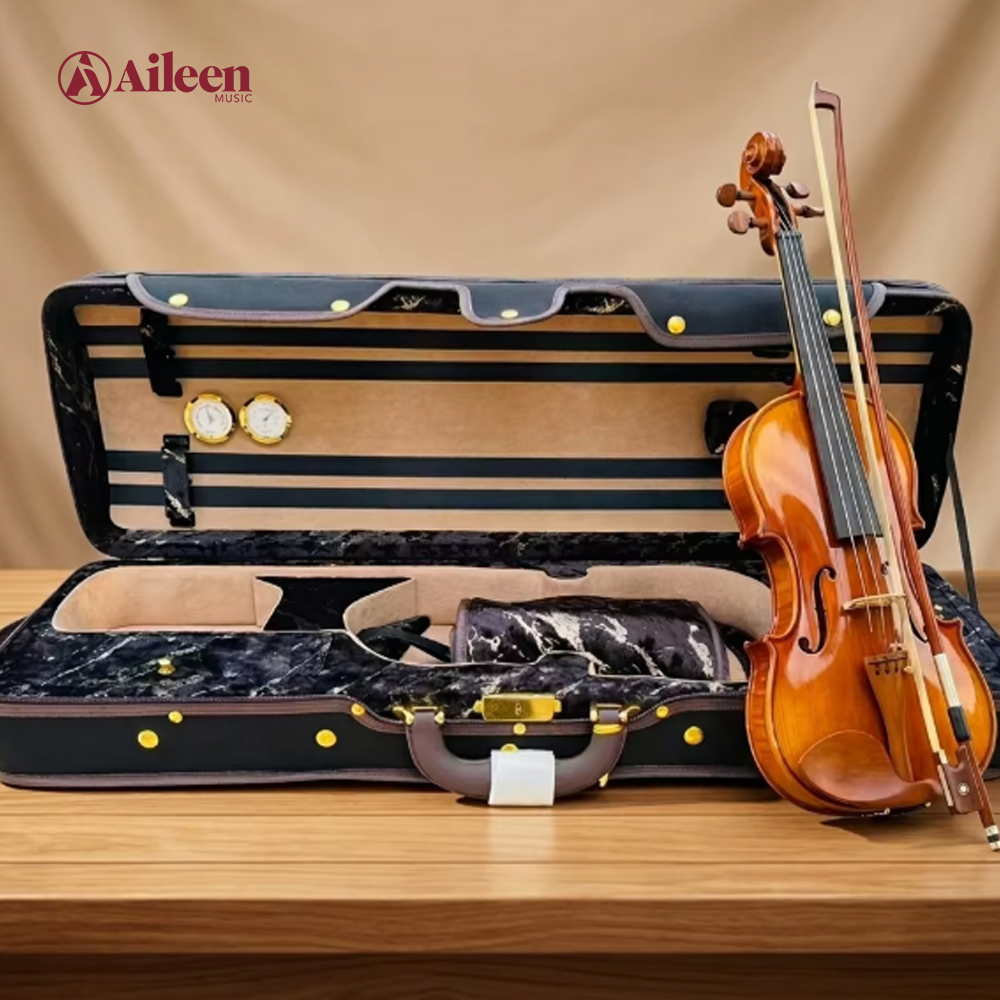
AileenMusic Oblong Shape 4/4 Deluxe Foamed Violin Light Case CSV071A3
View Product Specs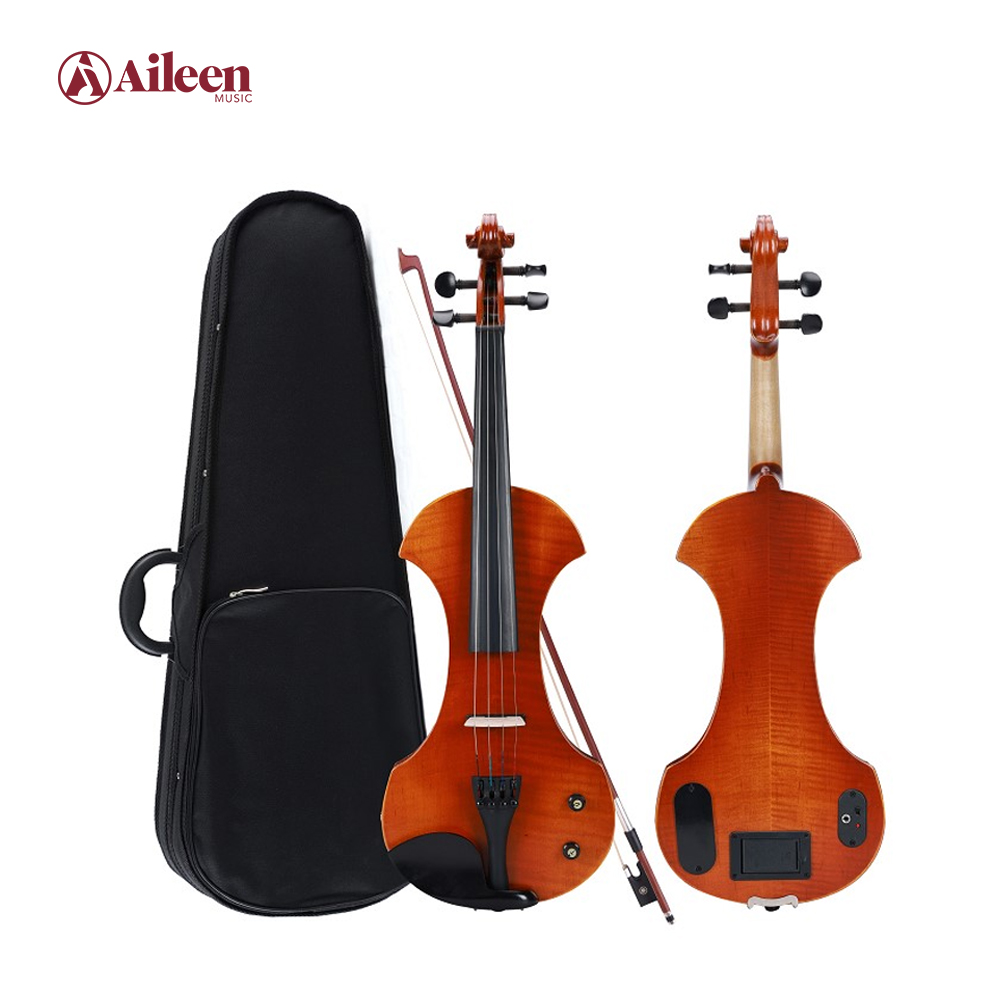
AV-D502 N or SB Color 4/4 Professional Electric Violin with Student Rosin & Bridge & Earphone
View Product Specs
Aileen Babylon Series Deluxe Wooden Triangle Hard Violin Case (CSV1079A)
View Product Specs
Ready to Ship 40" Student Cutaway Guitare Acoustic Electric Guitar(AF238CE)
View Product Specs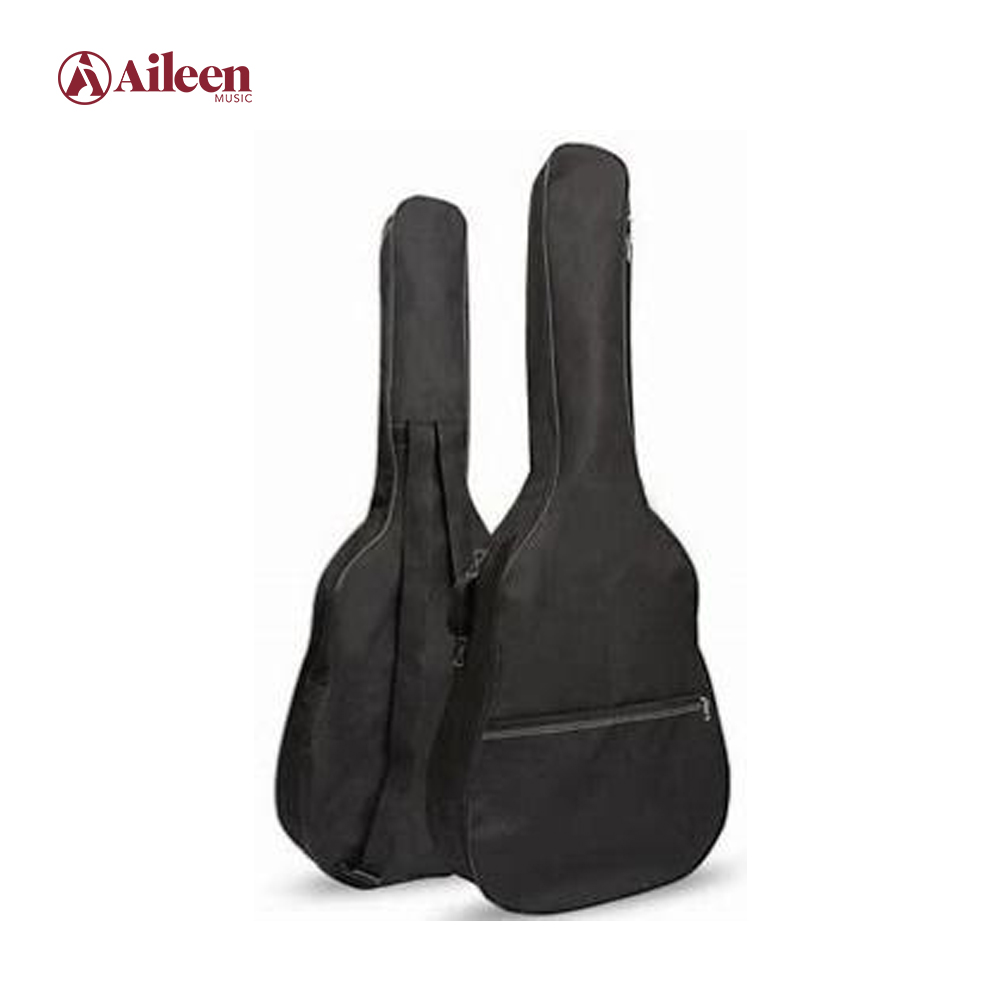
BGG602 36''/39''/40''/41'' 600D Oxford Cover Classical or Acoustic Soft Guitar Bag
View Product Specs1. Executive Overview: China's Dominance in Mini & Travel Guitar Manufacturing
The global market for compact stringed instruments—specifically 30-inch, 34-inch, and 36-inch mini guitars (often designated as 1/2 scale and 3/4 scale models)—has experienced structural expansion over the past decade. Historically categorized purely as novelty items or low-tier children’s toys, modern mini guitars have undergone an engineering revolution. Today, international music retail chains, educational supply institutions, and boutique brand owners recognize top Chinese mini guitar factories as global hubs for advanced lutherie, automated precision milling, and scalable OEM/ODM production.
Driven by growing consumer demand for ultra-portable travel instruments, ergonomic student starter kits, and compact stage-ready acoustic-electric hybrids, leading Chinese manufacturers have integrated aerospace-grade CNC machinery, automated wood kiln-drying technologies, and climate-stabilized assembly cleanrooms. The result is an unprecedented ratio of acoustic resonance, intonation accuracy, and structural durability at highly competitive wholesale price points.
Precision Scale Calibration
Short-scale length geometry (22.75" to 23.5") engineered with laser-guided fret slotting to eliminate intonation drift common in sub-sized instruments.
Climate-Stabilized Tonewoods
Computer-controlled kiln drying reduces timber moisture content to 6% - 8% Equilibrium Moisture Content (EMC), preventing fret sprouts and body cracking across global climate zones.
Acoustic Bracing Physics
Custom-scalloped X-bracing geometries optimized specifically for smaller air cavity volumes, delivering enhanced bass response and dynamic range.
2. Engineering Fundamentals & Technical Metrics of Mini Guitars
Manufacturing a high-performance mini guitar presents unique mechanical challenges compared to full-sized 41-inch dreadnoughts or 25.5-inch scale electric guitars. When scale length is reduced, string tension drops non-linearly if standard string gauges are utilized. To overcome string floppiness, poor pitch stability, and muddy low-end acoustics, premier Chinese exporters employ strict mechanical calculations:
| Instrument Scale & Size | Average Scale Length | Recommended String Gauge | Body Cavity Volume | Target B2B Application |
|---|---|---|---|---|
| 30-Inch Mini (1/2 Size) | 480mm – 492mm (19.0" - 19.3") | .011 – .052 (Custom Tension) | ~8.5 Liters | Early Childhood Education / Starter Packs |
| 34-Inch Mini (3/4 Size) | 578mm – 590mm (22.7" - 23.2") | .012 – .053 Light Gauge | ~11.2 Liters | School Rental Fleets & Travel Retailers |
| 36-Inch Parlor / Travel | 596mm – 610mm (23.5" - 24.0") | .012 – .054 Standard Acoustic | ~14.0 Liters | Boutique Travel Brands & Direct-to-Consumer |
| Short-Scale Mini Electric | 560mm – 580mm (22.0" - 22.8") | .010 – .046 Heavy Electric | Solidbody (Alder/Basswood) | Gigging Musicians & Compact Practice Sets |
To achieve precise intonation at the 12th fret on short-scale neck setups, factories adjust bridge angle placement and saddle compensation profiles by fractions of a millimeter. Furthermore, dual-action steel truss rods are scaled down to fit short necks, allowing technicians and retail end-users to counteract string pull and ambient humidity fluctuations without bowing the neck profile.
3. Strategic Sourcing & Procurement Trends for Global Importers (2025–2030)
B2B procurement managers, music brand importers, and supply chain directors must stay aligned with evolving consumer expectations and international customs regulations. As we evaluate future sourcing trajectories, four major micro-trends are re-shaping the China-to-Global mini guitar export pipeline:
Trend A: Integration of Smart On-Board Electronics & Smart Effects
Traditional mini acoustics are rapidly giving way to hybrid acoustic-electric models equipped with undersaddle piezo pickups, built-in digital delay/reverb preamp modules, and Bluetooth connectivity. End users increasingly demand mini instruments that can project ambient effects directly out of the soundhole without requiring external amplifiers. Leading Chinese exporters now offer turnkey OEM integration of these electronic modules.
Trend B: High-Pressure Laminate (HPL) & Composite Tonewood Adoption
While solid Sitka spruce and laminated sapele remain foundational materials, global climatic variability has accelerated the adoption of HPL (High-Pressure Laminate) and carbon-fiber composite soundboards in travel guitars. HPL mini guitars offer extreme structural stability, immune to relative humidity drops down to 20% or thermal spikes up to 50°C during transoceanic container shipping.
Trend C: Optimized Packaging Density & Freight Cost Reduction
Logistics cost optimization is a major driver of B2B profitability. A standard 40-foot High Cube (40HQ) container can typically accommodate roughly 1,050 units of standard 41-inch acoustic guitars in gig bags. In contrast, engineered master carton packaging for 36-inch mini guitars permits up to 1,800 units per 40HQ container—yielding a 71% increase in volumetric container loading efficiency and drastically reducing ocean freight cost per unit.
4. Quality Control Protocol & Environmental Compliance
Leading exporters adhere to rigorous quality gates at every phase of the manufacturing process. The production lifecycle comprises 13 distinct stages, moving from raw wood seasoning to final playsheet verification:
- Timber Conditioning & Kiln Drying: Tonewoods undergo multi-week moisture stabilization in automated kiln chambers to ensure wood grains settle prior to CNC cutting.
- Automated CNC Body & Neck Shaping: Computerized routing yields neck joints with tolerances under 0.05mm, ensuring maximum vibration transfer between neck wood and body cavity.
- Dust-Free Spraying & Curing: Multi-coat polyurethane or environmental water-based lacquer coatings are applied in pressurized, dust-free rooms for pristine gloss or smooth satin finishes.
- Fret Dressing & Edge Beveling: Automated fret-pressing is followed by manual luthier hand-filing along fretboard edges to prevent sharp fret ends during dry weather conditions.
- 100% Pre-Shipment Inspection: Every unit is tuned, action-checked at the 1st and 12th frets, inspected for surface defects, and acoustic play-tested prior to master carton sealing.
In terms of regulatory compliance, top export factories supply complete certification documentation including REACH, RoHS (for electronic preamp components and metal plating), and Lacey Act / CITES documentation ensuring all timber species (Spruce, Mahogany, Rosewood substitutes like Laurel or Black Walnut) are legally harvested and sustainably sourced.
5. Frequently Asked Questions (FAQ) for B2B Sourcing Managers
Standard OEM/ODM orders with custom headstock logos, personalized inner body labels, and branded cartons typically start at 30 to 100 units per model, depending on wood finish and specifications. For stock models or ready-to-ship catalog inventory, sample orders can be placed from 1 to 10 units.
Tuning stability on short-scale instruments is maintained by pairing 14:1 or 18:1 high-ratio die-cast tuning machines with synthetic bone nuts (ABS/Nubone) and precision-engineered scale compensation. Utilizing slightly heavier string gauges (.012-.053) compensates for lower string tension over shorter scale lengths.
Yes. As a comprehensive musical instrument manufacturer and exporter, we routinely offer container consolidation services. Importers can combine mini guitars, padded carrying bags, violins, brasswinds, and percussion sets into one multi-category shipment to maximize container volume and minimize landed logistics costs.
We provide comprehensive private-labeling including laser-engraved or silk-screened headstock logos, metallic foil inner soundhole labels, custom neck plate engraving (for electric models), customized 600D Oxford padded gig bags, color retail box packaging, and multi-language owner manuals.
All export instruments are sealed inside heavy-duty polyethylene moisture-barrier bags containing industrial-grade desiccant packs. Outer cartons are constructed from 5-ply reinforced corrugated cardboard reinforced with corner protectors, preventing humidity absorption and carton collapse during long ocean voyages.
Corporate Strengths & Manufacturing Credentials
Founded in 1993, Chive Music Co., Ltd. / Aileen Music has grown to become one of China's premier musical instrument manufacturers and exporters. With over three decades of international supply chain expertise, our organization serves distributors, chain retailers, and educational buyers across more than 100 countries.
- Industry Recognition: Ranked No. 195 in the prestigious Music Trades Global 225 industry ranking (2017) and designated as an official "Famous Export Brand" by local government authorities.
- International Memberships: Permanent member of NAMM (National Association of Music Merchants) since 2003, CMIA (China Musical Instrument Association AAA Grade Enterprise), and CCPIT member since 2005.
- Audited Quality Assurance: Operating under rigorous ISO 9001 certified quality management systems with periodic on-site factory verification by international inspection agencies including Bureau Veritas (BV), SGS, TÜV, and Intertek.
- Intellectual Property & Innovation: Holding 8 proprietary patents and managing globally recognized brand marks including Winzz, Lexington, and Chive.
Whether you require high-volume OEM manufacturing for established brands, private-label starter kits for retail launch, or container consolidation of orchestral instruments and fretted lines, our experienced engineering and trade service teams deliver end-to-end quality, compliance, and supply chain security.