Featured Export Catalog & Recommended OEM Instruments
Direct factory inventory and custom-order instruments engineered for global distributors, wholesalers, and brand owners.
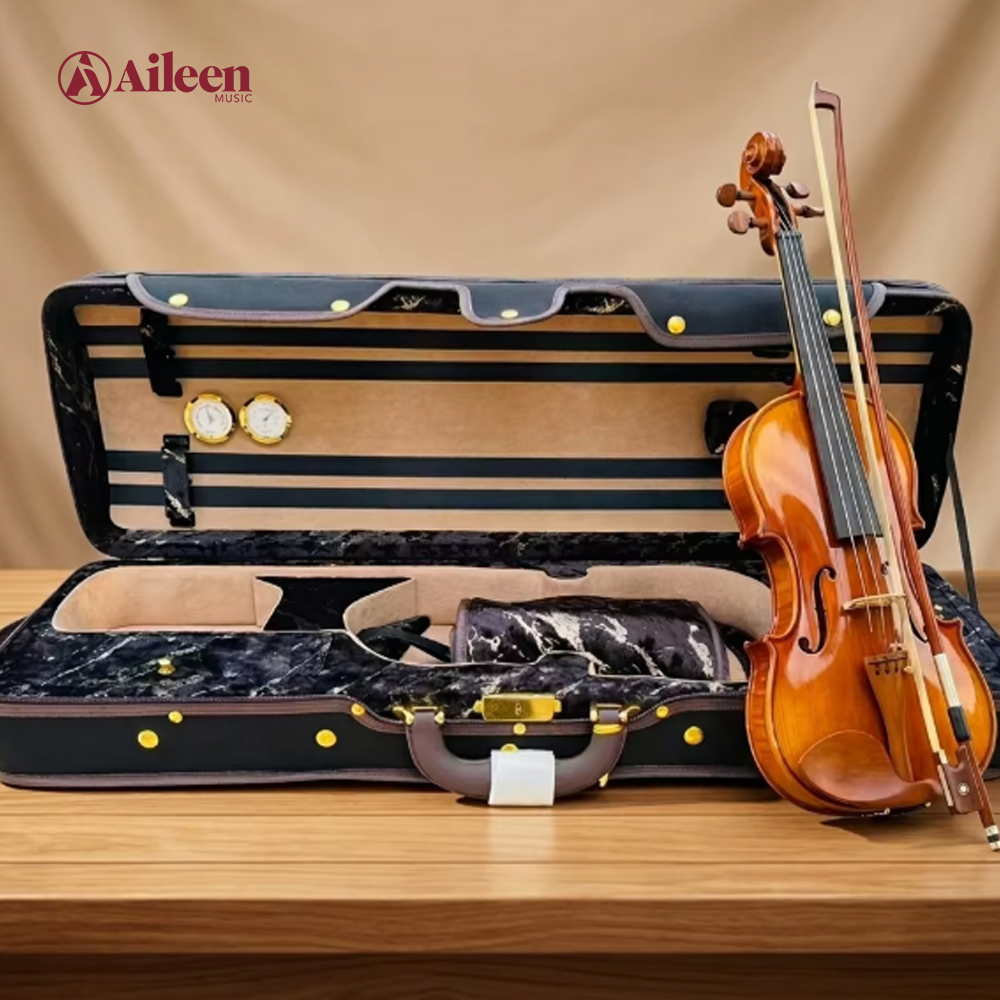
AileenMusic Oblong Shape 4/4 Deluxe Foamed Violin Light Case CSV071A3
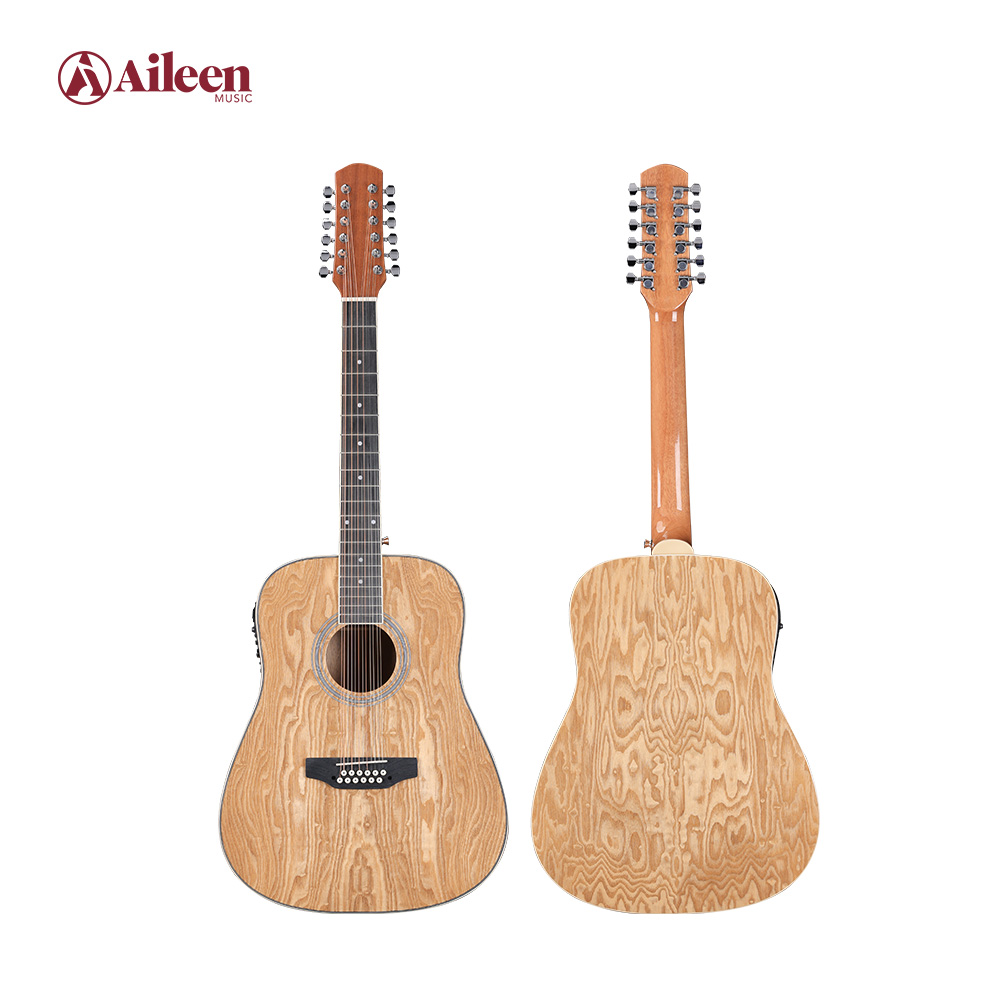
AF55E-12 Factory Folk String Instrument 44' Quilted Ash Plywood Top 12 Strings Acoustic Guitar

CL-R11 10 Pcs/box 1 1/2 - 3 1/2 High-grade Reed Clarinet Reed
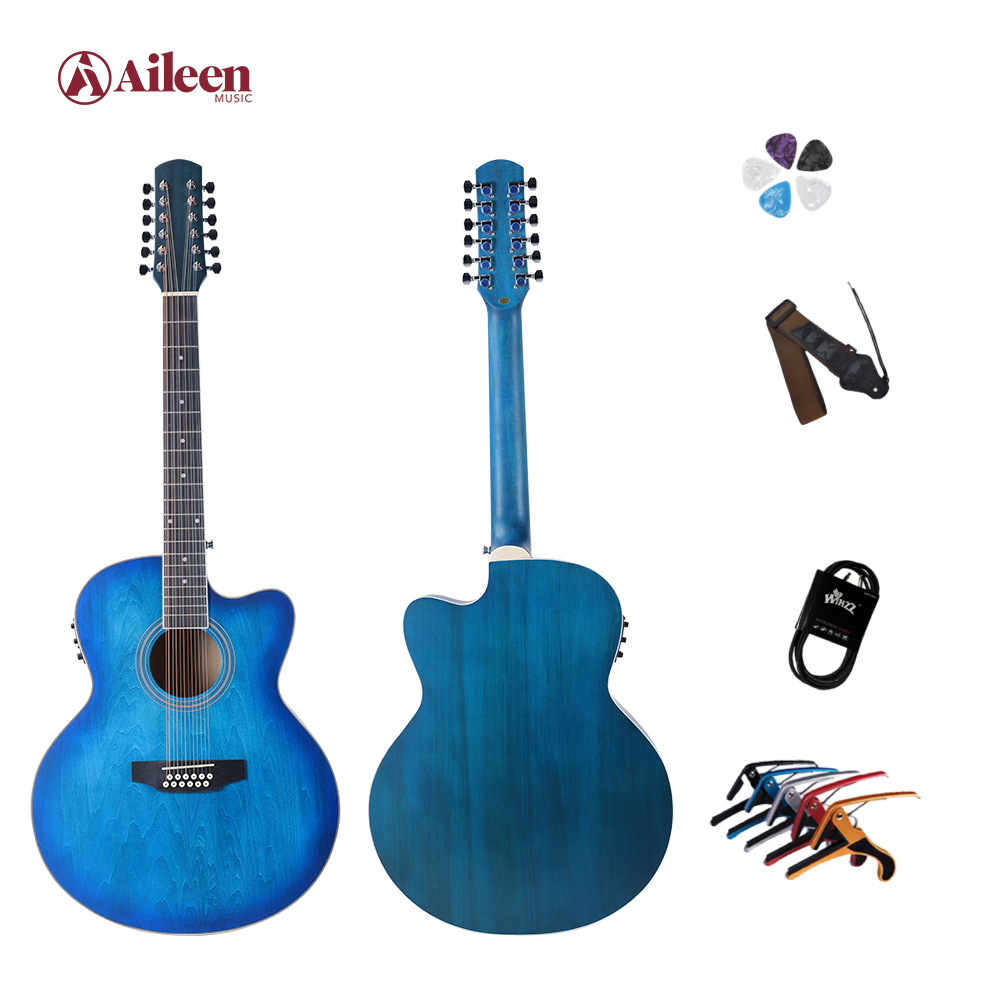
AF-H01LCE New Hand Rubbed Finish 12 Strings Acoustic Guitar
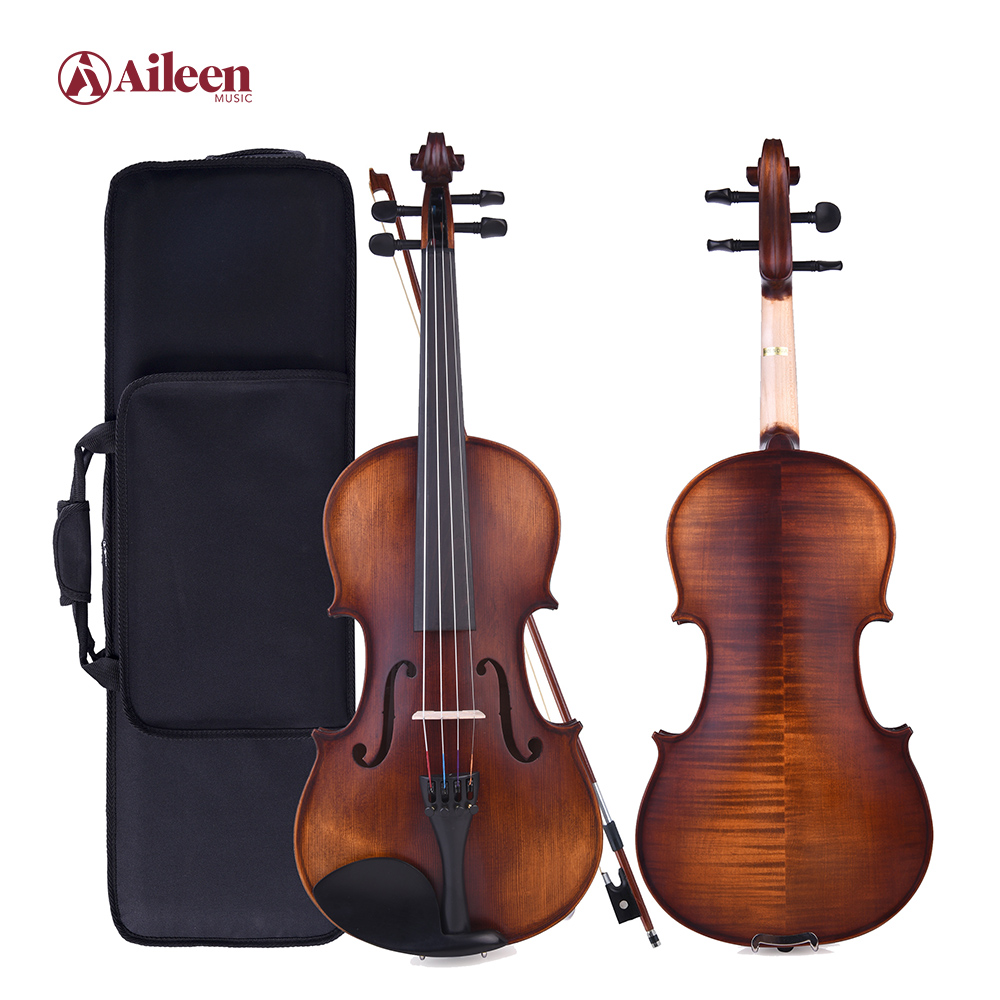
VM100 Hot Sale Selected Solid Spruce Top 4/4-1/16 Moderate Violin Set
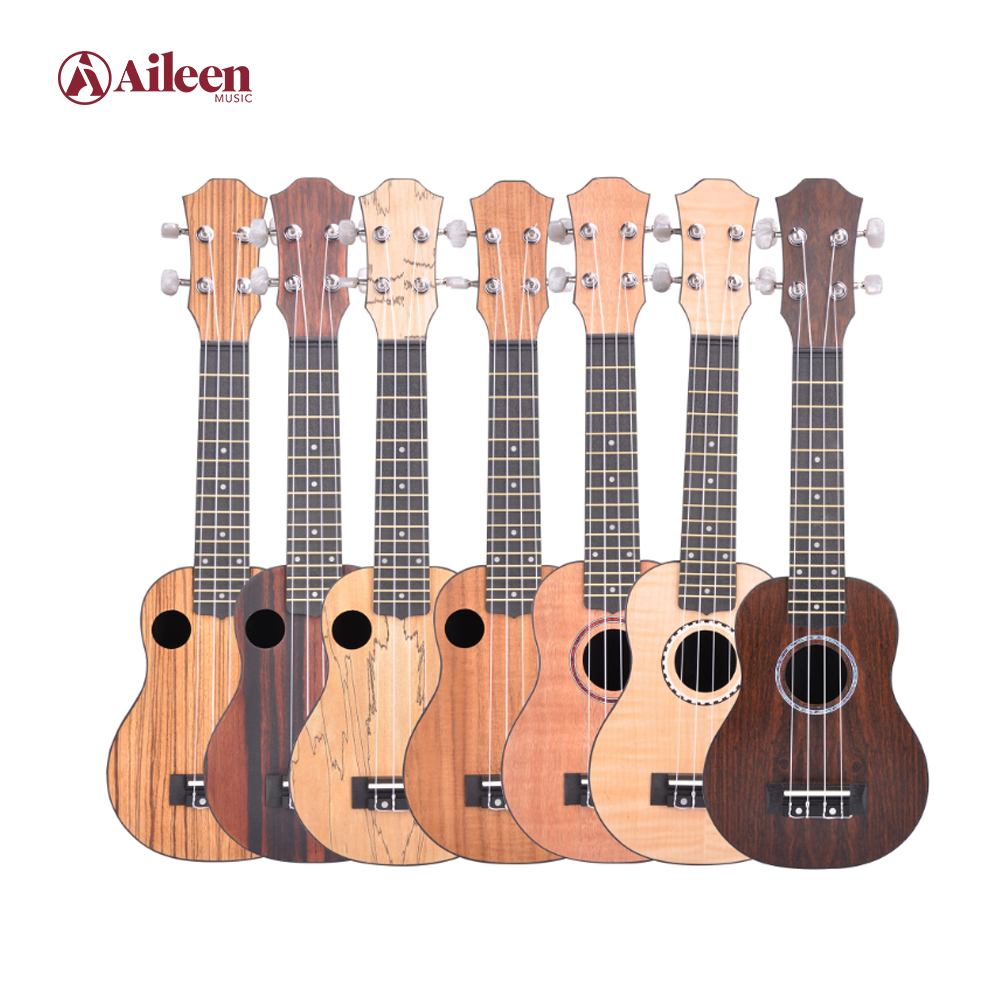
AU-P02 Wholesale 21'' Composite Material Top Options Ukulele
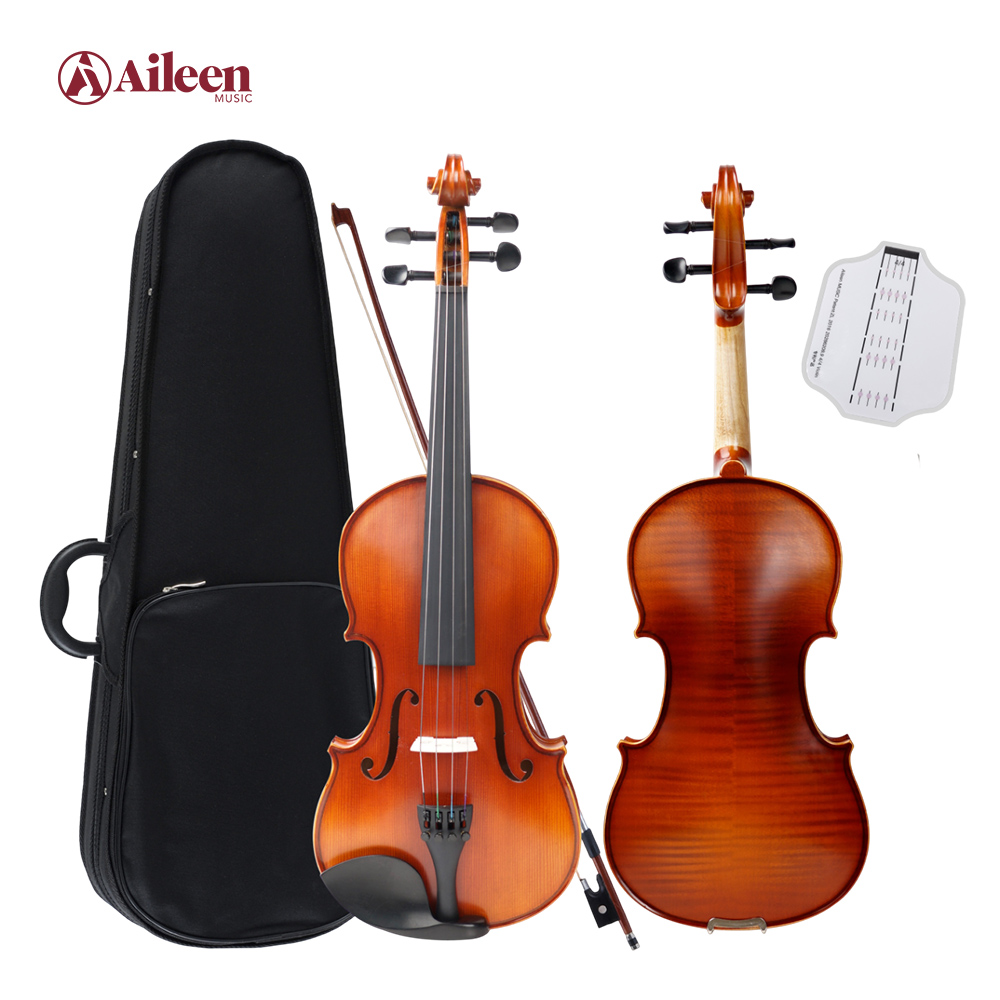
VG210H Hot Sale 4/4-1/16 Solid European Spruce Top Student Violin Set
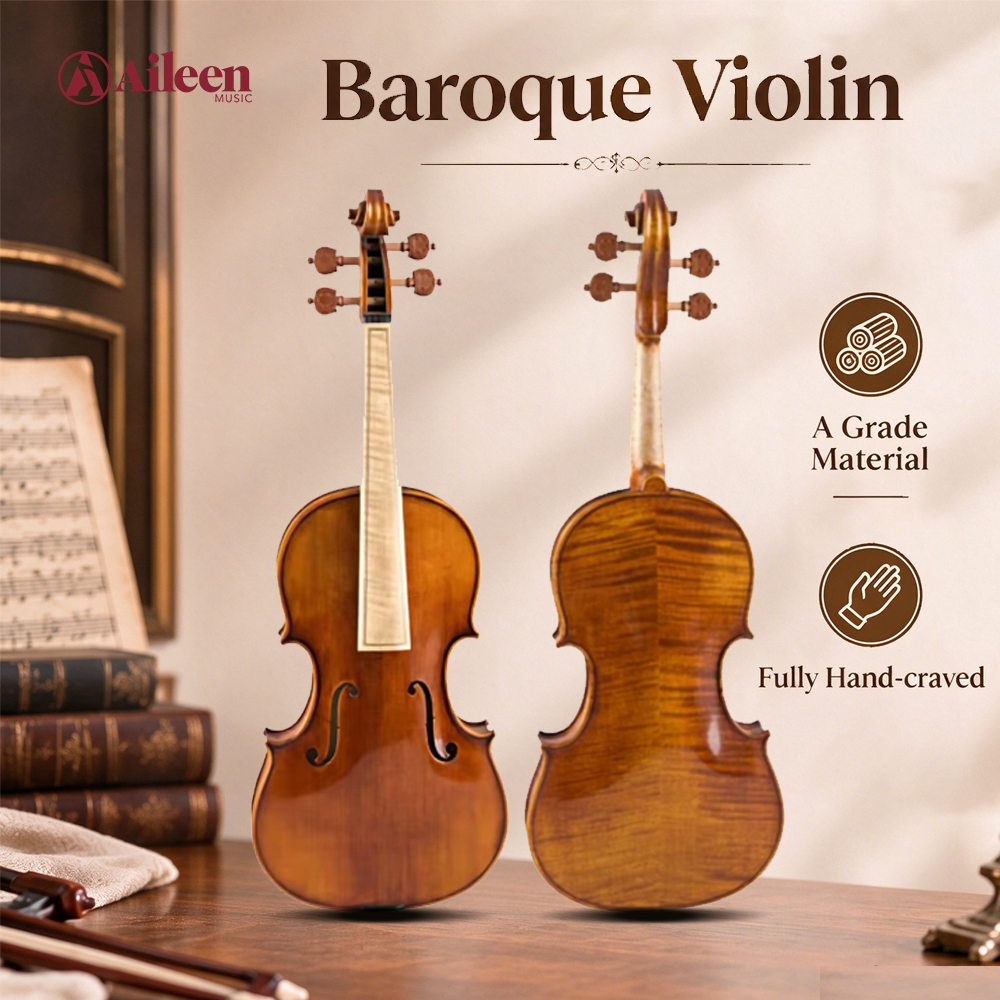
Exceptional Price Baroque Violin, 4/4 Universal Violin (VH550Z-A)
Executive Summary: The Evolution of Seven-String Guitar Manufacturing in China
Over the past two decades, the global market for extended-range instruments—specifically seven-string electric and acoustic guitars—has expanded rapidly beyond niche modern metal subgenres into mainstream rock, progressive fusion, jazz, and studio production. To meet this heightened global demand, premier Chinese musical instrument manufacturers have shifted from traditional, high-volume contract assembly to high-precision engineering, advanced tonewood kiln-drying, and CNC-driven lutherie.
As a prominent manufacturer and exporter established in 1993, Chive Music Co., Ltd. (Aileen Music) has stood at the forefront of this industrial transformation. Ranking No. 195 in the prestigious Music Trades Global 225 (2017) and recognized as an ISO 9001 certified manufacturer with Intertek, BV, SGS, and TÜV audited operations, our facility delivers high-yield OEM/ODM solutions tailored to international brand owners, wholesale distributors, and retail chains. This technical whitepaper explores the critical engineering parameters, procurement considerations, material standards, and market trajectories defining top China seven-string guitar suppliers today.
Scale Length Dynamics
Multi-scale (25.5" to 27") fanned fret and baritone 26.5" configurations designed to balance low B-string tension (B0 at ~61.74Hz) without sacrificing high-register playability.
Neck Stability Engineering
Multi-ply laminated necks combining Roasted Maple, Walnut, and dual carbon-fiber reinforcement rods to prevent torsional twisting under extended tension loads.
Acoustic & Pickup Voicing
Custom passive and active high-output humbuckers calibrated for low-end clarity, minimizing mud in the 100Hz–250Hz frequency spectrum during high-gain amplification.
Technical Deep-Dive: Engineering Excellence in Extended-Range Guitars
Building a commercially viable seven-string guitar demands far more than merely adding a seventh tuning peg and widening a standard neck blank. The structural load imposed by a standard 7-string set (.010–.059 or .011–.064) increases total string tension to approximately 160–185 lbs depending on scale length. Consequently, top China suppliers must address specific mechanical and acoustical challenges:
1. Scale Length Optimization & Tension Equilibrium
Standard 25.5-inch (648mm) scale lengths often result in a flabby low B string unless heavy string gauges are utilized, which can compromise tonal brightness and intonation accuracy. Leading Chinese manufacturers now offer three primary scale options for B2B procurement:
- Standard 25.5" (648mm): Suitable for classic 7-string rock/metal with light-medium gauges (.009-.054 / .010-.056), offering familiar fret spacing for traditional players.
- Extended Baritone 26.5" (673mm): Adds ~4% string tension, restoring punch and clarity to low B without requiring excessively thick wire gauges.
- Multi-Scale / Fanned-Fret (25.5" – 27"): Features slanted frets providing a 27" scale for the low B string (crisp tension and immaculate intonation) while maintaining a comfortable 25.5" scale for the high E string (ideal for solo bending).
| Scale Configuration | Low B Tension (.059 Gauge) | Primary Genre Application | Manufacturing Complexity | B2B Target Market |
|---|---|---|---|---|
| 25.5" Single Scale | ~16.2 lbs | Classic Metal, Fusion, Studio | Standard CNC / Moderate | Entry to Mid-Level Retail |
| 26.5" Extended Baritone | ~18.1 lbs | Modern Metalcore, Prog Rock | Intermediate / High Precision | Mid to High-Tier Brands |
| 25.5" - 27" Multi-Scale | ~19.4 lbs (at 27") | Djent, Technical Death Metal | Advanced Multi-Axis CNC | Boutique & Professional Lines |
2. Advanced Tonewood Kiln-Drying & Thermal Processing
A primary failure point in exported guitars is neck movement caused by sudden shifts in relative humidity (RH) between the origin factory and target destination markets (e.g., North America, Northern Europe, Australia). To eliminate neck warping, fret sprout, and belly-bulging on acoustic 7-strings, Chive Music employs a strict 3-Stage Wood Seasoning Protocol:
- Natural Air Curing: Raw tonewood blanks (Mahogany, Basswood, Poplar Burl, Ash) are air-dried in climate-controlled yards for 12 to 24 months to relieve natural internal cellular stress.
- Computer-Controlled Dehumidification Kiln Drying: Moisture content is systematically reduced to a stable 6% – 8% RH threshold, monitored by digital pin probes across every batch.
- Thermo-Vacuum Roasting (Torrefaction): Optional maple neck wood is baked at 180°C–220°C in an oxygen-deprived chamber. This crystallizes remaining sap and moisture, delivering unmatched dimensional stability, reduced weight, and vintage resonance.
Product Future Procurement & Development Trends (2025–2030)
Understanding where the market is heading empowers brand managers, catalog buyers, and OEM clients to make informed procurement decisions that capture market share. Key trends shaping the future of 7-string guitar manufacturing include:
1. Headless Ergonomic 7-String Designs
Headless extended-range electrics are experiencing explosive growth due to their compact footprints, ultra-lightweight bodies, and superior balance. Eliminating the headstock removes extra weight leverage, reducing neck-dive—a frequent complaint on 7-string guitars. Furthermore, compact body dimensions allow distributors to optimize sea freight container packaging, reducing CBM per unit by up to 22%.
2. Active Smart Electronics & Multi-Voicing Circuits
Modern players expect versatile tonal options. Emerging procurement orders increasingly specify active preamp systems equipped with dual-voicing switches (e.g., Voice 1: Modern Active High-Output; Voice 2: Organic Passive Attack). Built-in USB rechargeable lithium-ion battery modules and noise-filtering shielding paints are now becoming standard specifications for high-tier OEM production lines.
3. Sustainable Tonewood Alternatives & Composite Fingerboards
With CITES regulations restricting traditional Rosewood and Ebodies facing environmental quotas, China’s top suppliers have pioneered high-density Richlite, Tech-Wood, and Roasted Jatoba fingerboards. These composite materials offer superior humidity resistance, zero dead spots, and identical acoustic density to top-grade African Ebony.
Enterprise Strengths & Production Capability Blueprint
When selecting a China seven-string guitar supplier, evaluating verified factory credentials, quality assurance protocols, and manufacturing infrastructure is critical to mitigating supply chain risk. Chive Music Co., Ltd. (Aileen Music) brings over 30 years of specialized instrument production experience to global B2B partners.
Our 5-Stage OEM/ODM Manufacturing Workflow
Engineering Consult
CAD/CAM blueprinting, scale length selection, pickup routing & material specification verification.
Prototyping
Sample creation within 25–35 days including custom headstocks, logos, and finish color matching.
CNC Machining
Precision multi-axis automated milling for neck pockets, fret slots, and body contours (0.05mm tolerance).
Dust-Free Painting
Multi-coat Polyurethane/Nitrocellulose application with automated UV curing lines.
Setup & AQL QC
100% playability test, fret levelling, intonation setup, and humidity-sealed export packaging.
Why Partner with Chive Music Co., Ltd.?
- Proven Industry Authority: Ranked No. 195 in the Music Trades Global 225 (2017) and awarded AAA Grade Credit Enterprise status by the China Musical Instrument Association (CMIA).
- Verified Quality Management: Fully ISO 9001 certified operations with third-party audit reports from Intertek, BV, SGS, and TÜV Rheinland available for buyer review.
- Multi-Category Order Consolidation: In addition to electric and acoustic guitars, our facility manufactures orchestral strings, brasswind, woodwind, percussion, and cases. Importers can combine violins, 12-string acoustic guitars, clarinets, and 7-string electrics into a single shipping container to drastically reduce logistics overhead.
- Intellectual Property Protection: Holding 8 patents and 5 registered international trademarks (Winzz, Lexington, Chive), we enforce strict non-disclosure non-compete agreements for OEM design projects.
Partner with China's Premier 7-String Guitar Manufacturer
Looking for OEM/ODM production, private-label manufacturing, or bulk distribution pricing? Contact our senior engineering and export team today to receive catalogs, CAD specs, and quotation details.
Contact Us