Precision Orchestral & Brasswind Instruments for Fleet Sourcing
Direct factory procurement with unified container consolidation, customized valve acoustics, and tropicalized anti-corrosion lacquering.


Navigating the Baritone Horn & Euphonium Landscape in Nukuʻalofa
In the Kingdom of Tonga, the capital of Nukuʻalofa stands as the uncontested epicentre of brass band heritage in the South Pacific. Unlike Western European or North American consumer musical ecosystems where brass instruments are predominantly segmented into municipal music conservatories or solo orchestral performance, Nukuʻalofa’s demand profile is structured around massive communal, military, and church-based brass ensembles.
For wholesale musical instrument distributors, governmental procurement officers, church conference quartermasters, and institutional school buyers in Tongatapu, sourcing low brass instruments—specifically Baritone Horns (3-valve upright or bell-front) and Euphoniums (3-valve and 4-valve compensating systems)—presents specialized operational requirements. The equatorial oceanic climate, high ambient salinity from surrounding coastal lagoons, intermittent logistics from transshipment hubs (such as Auckland, Sydney, and Suva), and the absolute cultural reliance on robust harmonic projection demand factory partners that deliver industrial mechanical integrity rather than mere cosmetic visual appeal.
As an established Chinese musical instrument manufacturing leader exporting internationally since 1993, Chive Music Co., Ltd. analyzes the technical paradigms, metallurgical specifications, and logistical considerations governing baritone and euphonium manufacturing for institutional buyers across Nukuʻalofa, Haʻapai, and Vavaʻu.
1. The Tongan Acoustic Profile: Euphonium vs. Baritone Horn Distinct Roles
Within traditional British-style brass bands, the baritone horn and the euphonium occupy distinct sonic niches despite sharing identical pitch fundamentals (Bb, sounding nine whole tones below concert pitch in treble clef, or at concert pitch in bass clef). In the acoustic soundscape of Nukuʻalofa's churches and parade grounds, conflating these two instruments leads to significant balance disruptions:
Baritone Horn (Narrow Bore)
Characterized by a cylindrical-to-conical bore profile (averaging 12.7 mm to 13.3 mm) and a compact bell (210 mm to 240 mm). Its voice is focused, agile, and penetrating. In Tongan four-part hymnody, it articulates rapid tenor contrapuntal counter-melodies and cuts through dense vocal choirs during open-air church rallies.
Standard Euphonium (Wide Bore)
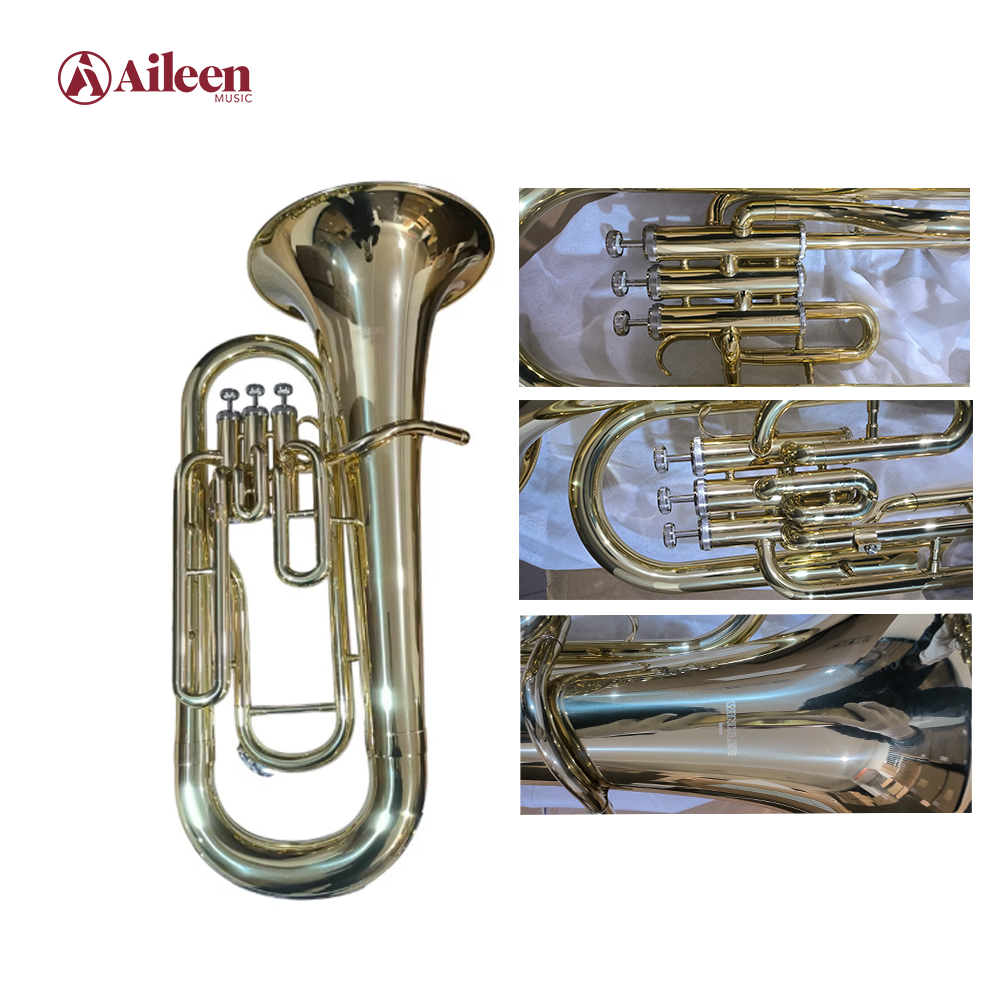
Engineered with an expansive conical expansion (bore: 14.5 mm to 16.5 mm; bell: 280 mm to 300 mm). The resulting timbre is velvety, omnidirectional, and full-bodied. In Nukuʻalofa, euphoniums provide the essential warm acoustic foundation that glues upper cornet lines to the bass EEb/BBb tubas.
Compensating 4-Valve Systems
Featuring a secondary tubing loop activated when the 4th valve is depressed in conjunction with valves 1-3. Crucial for advanced royal, military, and collegiate bands in Tonga, resolving severe sharpness from low C down to pedal Bb without requiring awkward embouchure manipulation.
Institutional Brass Applications Across Tongatapu
Purchasing patterns in Nukuʻalofa do not mirror typical individual retail foot-traffic. Direct institutional ordering, community sponsorship, and overseas family remittances driving group donations to villages constitute over 85% of import volume. The primary operational arenas dictate rigorous manufacturing prerequisites:
A. Religious Denominations & Church Brass Ensembles
Music is the theological heartbeat of Tongan devotion. The Free Wesleyan Church of Tonga (Siasi Uesiliana Tauʻataina ʻo Tonga), the Church of Tonga, the Roman Catholic Diocese of Tonga and Niue, and the Free Church of Tonga sustain dedicated village and parish brass bands. During quarterly church conferences (Kātoanga Faka-Mē) and Sunday services along Taufaʻahau Road, low brass sections are expected to sustain forte and fortissimo playing for three to four hours continuously.
Manufacturing Criterion: Leadpipes must be constructed with high-copper Rose Brass (Cu85Zn15) or Gold Brass (Cu80Zn20) to eliminate red rot caused by internal acidic condensation generated during marathon playing sessions.
B. Royal, State & Military Formations
The His Majesty’s Armed Forces (HMAF) Royal Corps of Musicians and the Tonga Police Brass Band represent the pinnacle of military ceremonial execution in Polynesia. Performing at state funerals, royal birthdays, constitutional parades at Pangai Lahi, and international diplomatic receptions, these musicians require mechanical perfection.
Manufacturing Criterion: Flawless intonation stability, micro-honed Monel piston valves with tolerance gaps under 0.025 mm, and high-spec silver-plated exterior plating (minimum 10 to 12 microns) that prevents surface tarnish under harsh direct equatorial sunlight.
C. Secondary School Brass Bands & Youth Development
Institutions such as Tupou College (Toloa), Tonga High School, Tonga College (Atele), and Liahona High School possess storied marching brass traditions. School instruments endure rigorous handling, daily marching drills on grass fields, and multi-user student turnover.
Manufacturing Criterion: Structural bracing reinforcement (double-stay wire solders, nickel-silver inner and outer tuning slide casings), reinforced bell rim wires, and impact-resistant high-density EPS foambody flight cases capable of surviving rough transport on island ferries.
Combating Maritime Saline Corrosion in South Pacific Climates
Tongatapu is a flat coral limestone island surrounded by oceanic spray. Relative humidity in Nukuʻalofa regularly averages between 75% and 88%, accompanied by tropical temperatures hovering from 24°C to 31°C year-round. This hyper-saline, warm environment produces the fastest rate of dezincification and brass fatigue on earth. Standard student brass instruments built with untreated, thin yellow brass (Cu65Zn35) and low-grade clear epoxy lacquers will show spotting, valve seizure, and slide freeze within six to twelve months of arrival at the Port of Nukuʻalofa.
Comparative Technical Matrix: Tropicalized vs. Standard Construction
| Component Specification | Standard Commercial Grade | Chive Music Tropicalized Export Grade | Impact on Nukuʻalofa Field Longevity |
|---|---|---|---|
| Leadpipe Alloy | Yellow Brass (Cu65 Zn35) | Gold Brass (Cu85 Zn15) or Red Copper | Eliminates internal pitting, pinholes, and dezincification (Red Rot). |
| Piston Valve Substrate | Nickel-plated Yellow Brass | High-Grade Monel or Cryo-treated Stainless | Prevents peeling, galvanic corrosion, and valve jamming in high salinity. |
| Outer Tuning Slides | Drawn Yellow Brass | Solid Nickel-Silver (CuNiZn Alloy) | Prevents frozen slides caused by sweat, moisture, and saltwater air. |
| Protective Exterior Finish | Single-cure Epoxy Spray Lacquer | Electrostatic Baked Powder Lacquer / 12μm Silver | Prevents blistering, peeling, and corrosion caused by human perspiration. |
| Solder Joint Chemistry | Standard Soft Lead-Tin Solder | High-Tensile Silver Solder on Main Braces | Resists mechanical fatigue during aggressive marching band movements. |
2. Acoustic Engineering for Open-Air Rallies
Unlike European chamber settings where brass instruments operate under acoustic reflections from masonry walls, Tongan brass performances regularly transpire outdoors on church greens or inside large timber-vaulted community halls (Falelotu). Instruments must produce a high sound pressure level (SPL) with broad dynamic headroom without splitting or breaking tone when pushed to triple-forte (fff).
At our Nanjing manufacturing plant, our acoustic lab utilizes computerized laser holographic interferometry to optimize bell taper profiles. By adjusting the rate of flare in the final 300 mm of the euphonium bell and maintaining uniform hydraulic wall thickness (0.65 mm to 0.75 mm), our instruments maintain tonal clarity, rich harmonic overtones, and intonation accuracy across all seven chromatic valve combinations.
Logistical Pathways & Direct Factory Ordering to Queen Salote Wharf
For decades, music retailers and church bands in Nukuʻalofa were forced to procure instruments through secondary trading distributors in New Zealand or Australia. This intermediary supply chain resulted in massive price inflation (often 250% to 400% above factory FOB), outdated model selection, and severe delays in sourcing replacement pistons, springs, and water key corks.
Direct manufacturer engagement with Chinese OEM facilities offers profound competitive leverage. When sourcing directly from an established exporter like Chive Music, institutional purchasers benefit from:
LCL & FCL Ocean Freight Direct
Consolidated shipments originating from our factory floor dispatched via major shipping lines (such as Maersk, Swire Shipping, and Neptune Pacific Direct Line) arriving directly at Queen Salote Wharf in Nukuʻalofa without exorbitant middleman handling fees.
Multi-Category Container Consolidation
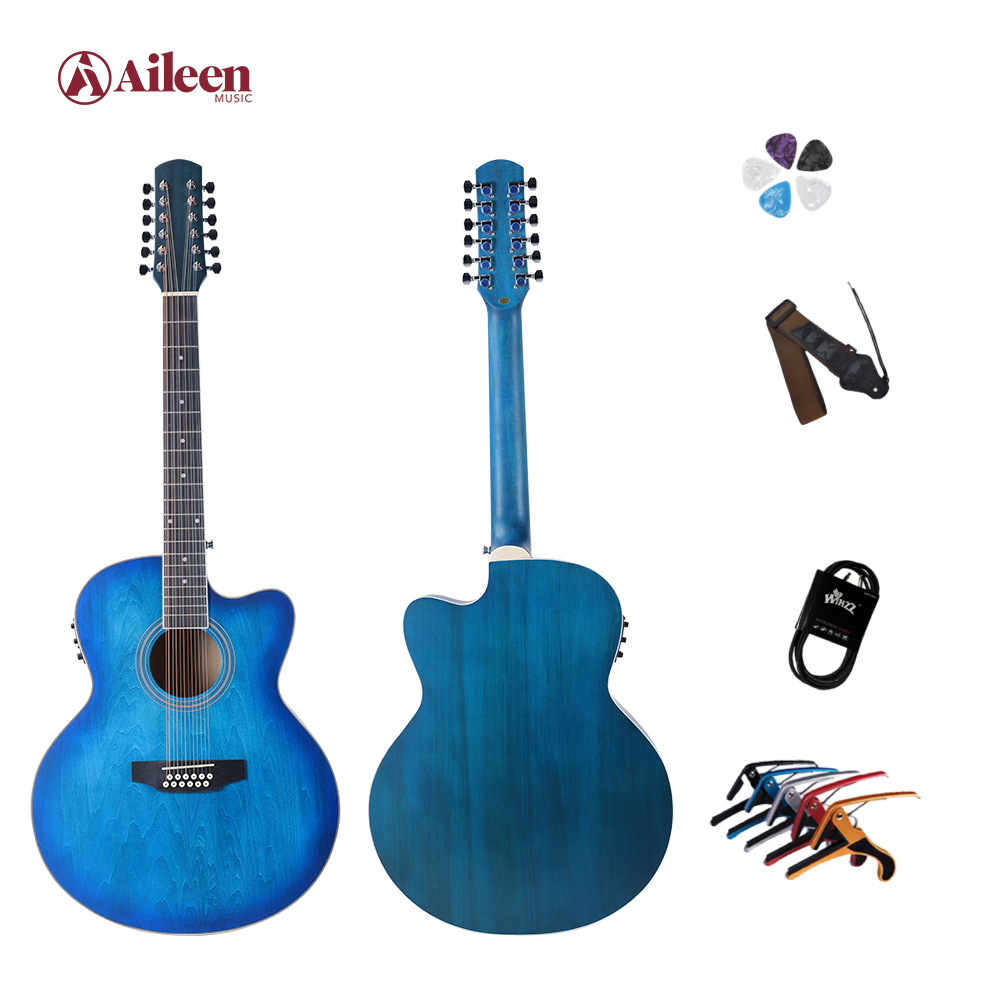
Tongan buyers rarely purchase solely baritone euphoniums. Our cross-instrument capacity enables mixing low brass with student violins, 12-string guitars, clarinets, snare drums, marching toms, and digital keyboards within a single consolidated bill of lading.
Dedicated Spare Parts Allotment
Because Nukuʻalofa lacks dedicated brass repair centers, every institutional order can include matched replacement valve assemblies, water key springs, felt washers, valve guides, and extra mouthpieces, ensuring fleet readiness for years.
30+ Years of Manufacturing Integrity & Proven Authority
Founded in 1993, Chive Music Co., Ltd. (Nanjing, Jiangsu, China) has grown into a world-class designer, manufacturer, and OEM exporter of orchestral strings, brasswind, woodwind, guitars, and percussion instruments. Ranked No. 195 in the prestigious Music Trades Global 225, our enterprise maintains a 79-person team of master luthiers, acoustic technicians, and international export specialists.
We do not operate as a trading broker. Our integrated factory handles rough machining, precision CNC valve boring, hydraulic tube bending, electrostatic painting, buffing, hand assembly, acoustic testing, and climate-controlled packaging. Backed by 8 industrial patents, 5 internationally registered trademarks (including Winzz and Lexington), and permanent membership in the National Association of Music Merchants (NAMM) since 2003, Chive Music represents an unshakeable manufacturing foundation for institutional low-brass procurement.
Frequently Asked Questions: Sourcing Brass for Tonga
In-depth responses from our engineering and export trade desks regarding minimum orders, packaging, shipping, and warranty protection.
What is the Minimum Order Quantity (MOQ) for baritone horns and euphoniums shipped to Tonga?
How are instruments packed to survive rough ocean transit and high humidity during shipping?
Can we consolidate baritones and euphoniums with guitars, violins, and marching drums into one order?
What specific valve maintenance is required for brass instruments in Tongatapu's climate?
What payment terms and documentation are provided for customs clearance at Queen Salote Wharf?
Do you manufacture bell-front marching baritones for outdoor field marching corps?
A 5-Point Quality Audit for Nukuʻalofa Musical Instrument Importers
Before issuing a purchase tender or confirming a deposit with any offshore factory, institutional committees and procurement managers in Tonga are urged to verify five crucial technical indices:
1. Valve Compression Test
Ensure the manufacturer certifies pneumatic air pressure retention across the piston block. Sub-standard pistons with excessive clearance leak air pressure, causing flat high notes and sluggish response in rapid passages.
2. Wall Thickness Uniformity
Confirm the hydraulic draw methods used on the bow and bell sections. Uneven wall thickness leads to structural stress points that split during temperature swings between humid days and cooler tropical nights.
3. Solder Alloy Specifications
Verify that braces, receiver points, and lyre sockets are soldered using lead-safe, anti-corrosive silver/tin alloy compositions that resist joint shearing during vigorous outdoor parade activities.
Direct Factory Procurement for Tongan Brass Programs
Connect directly with Chive Music’s international export engineering division. Whether your institution is outfitting a complete village church brass band, preparing a high school marching inventory, or replenishing commercial retail stock in Nukuʻalofa, our specialists deliver direct proforma quotations, container consolidation schedules, and customized acoustic options.