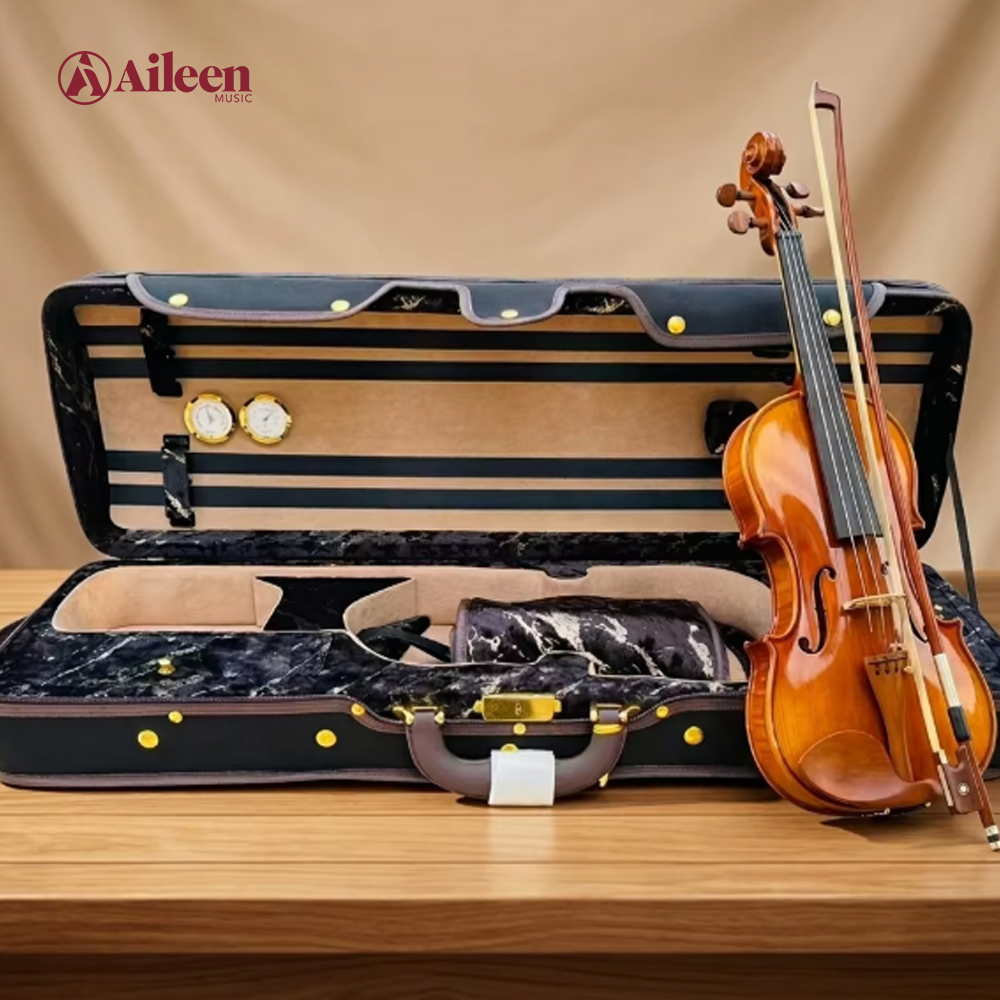
Deluxe Foamed Violin Light Case (CSV071A3)
High-density shockproof foam suspension designed for orchestrators touring the Brucknerhaus and Central European transit circuits.
View SpecificationsExplore our integrated export lineup—engineered for professional rental houses, conservatory ensembles, and high-turnover musical retail chains across Linz and Upper Austria.
High-density shockproof foam suspension designed for orchestrators touring the Brucknerhaus and Central European transit circuits.
View Specifications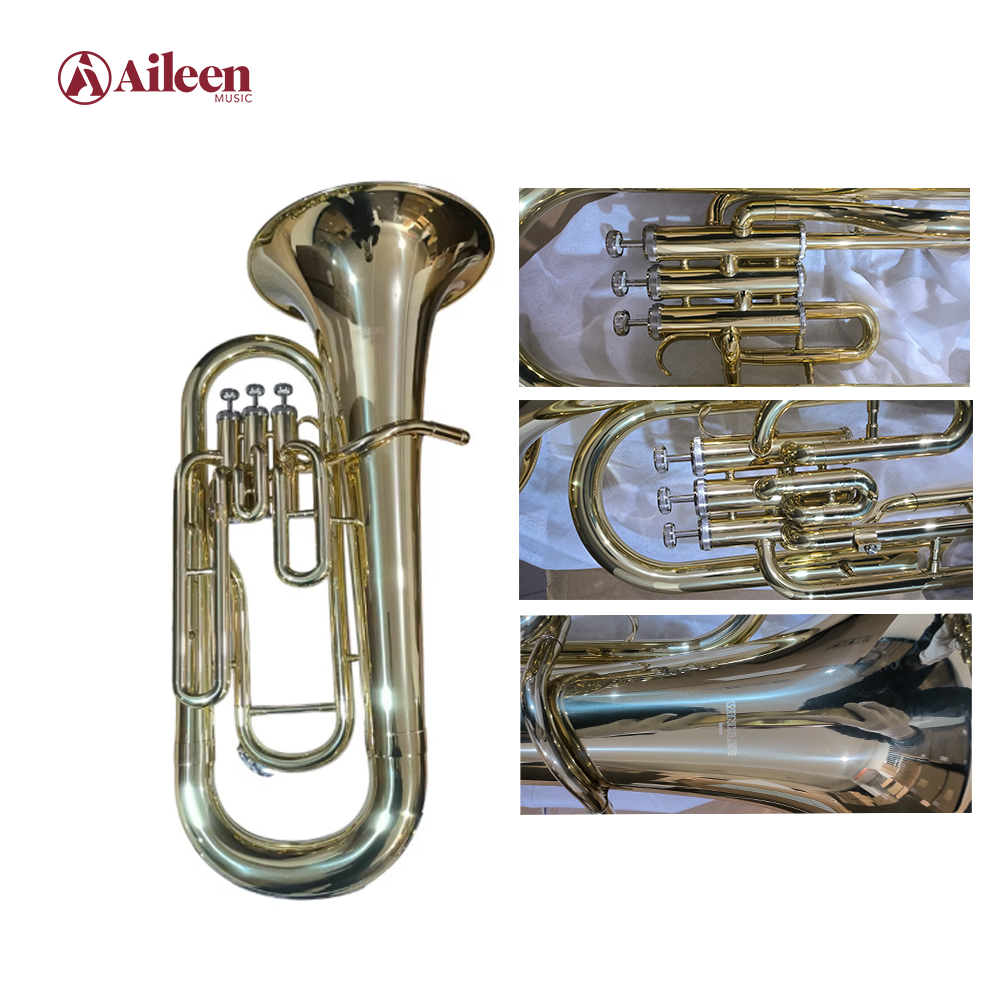
Acoustically balanced valve response built for the rigorous Blasmusik education programs throughout Upper Austrian municipal academies.
View Specifications
Carved European tonewood tops with resonant low-frequency depth demanded by classical cellists and chamber ensembles in Linz.
View Specifications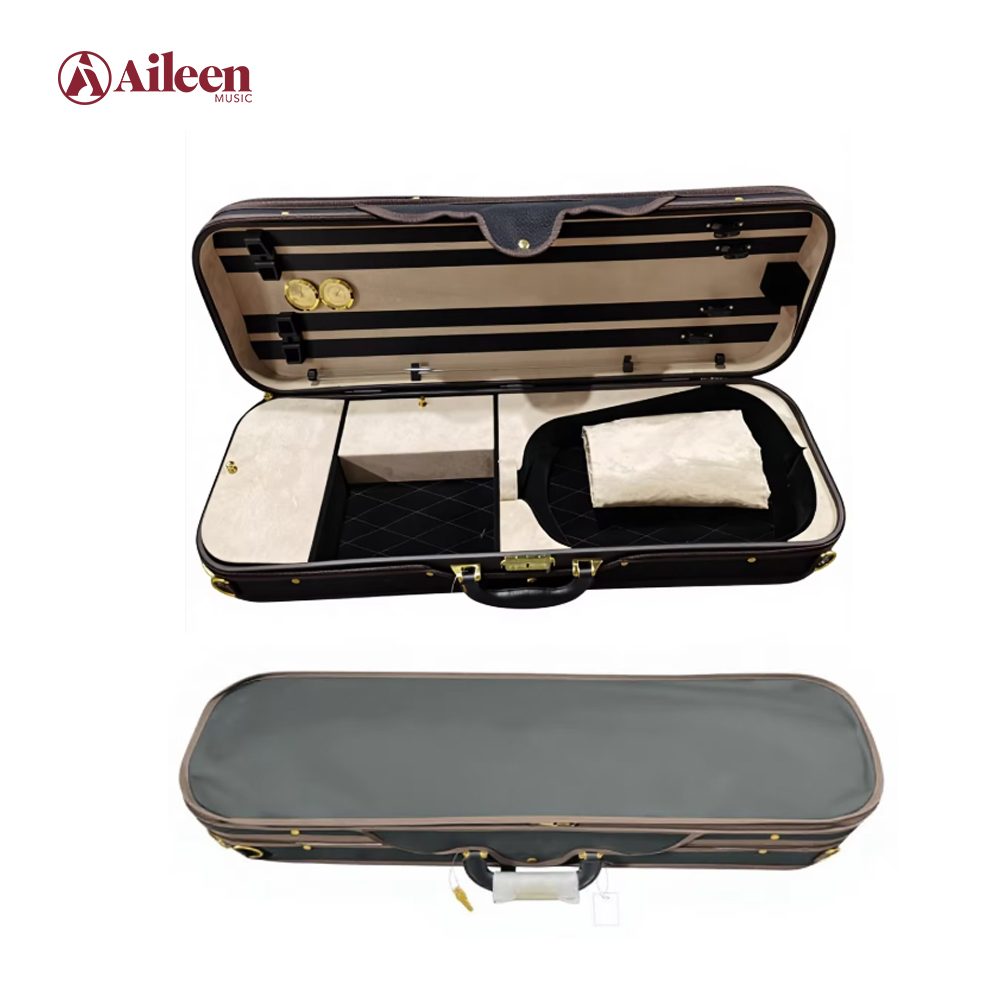
Plywood archtop protection with dual hygrometer integration, vital for stabilizing delicate wood against Alpine humidity swings.
View Specifications
Compact, high-rigidity contour design maximizing cargo space during container consolidations and multi-modal fleet transits.
View Specifications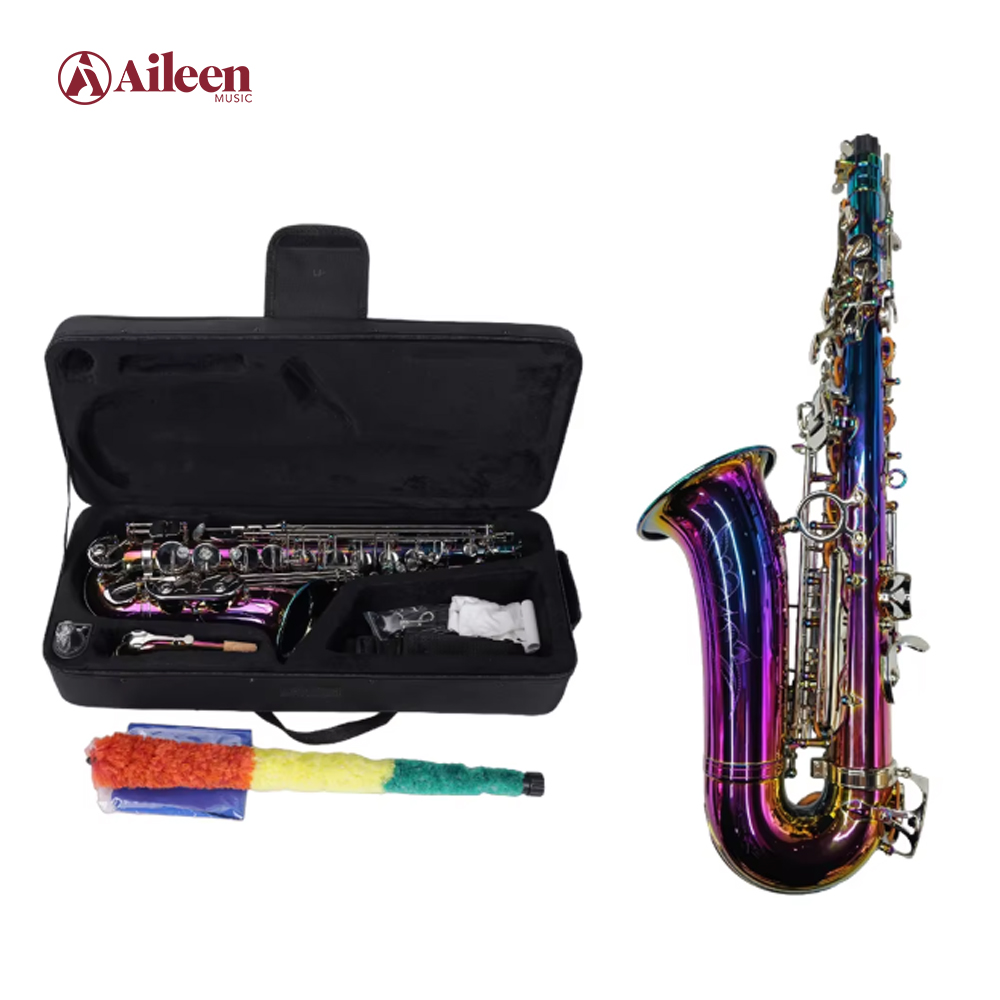
Precision-milled key cups, premium blue-steel needle springs, and resonance projection tailored for live stage and conservatory performance.
View Specifications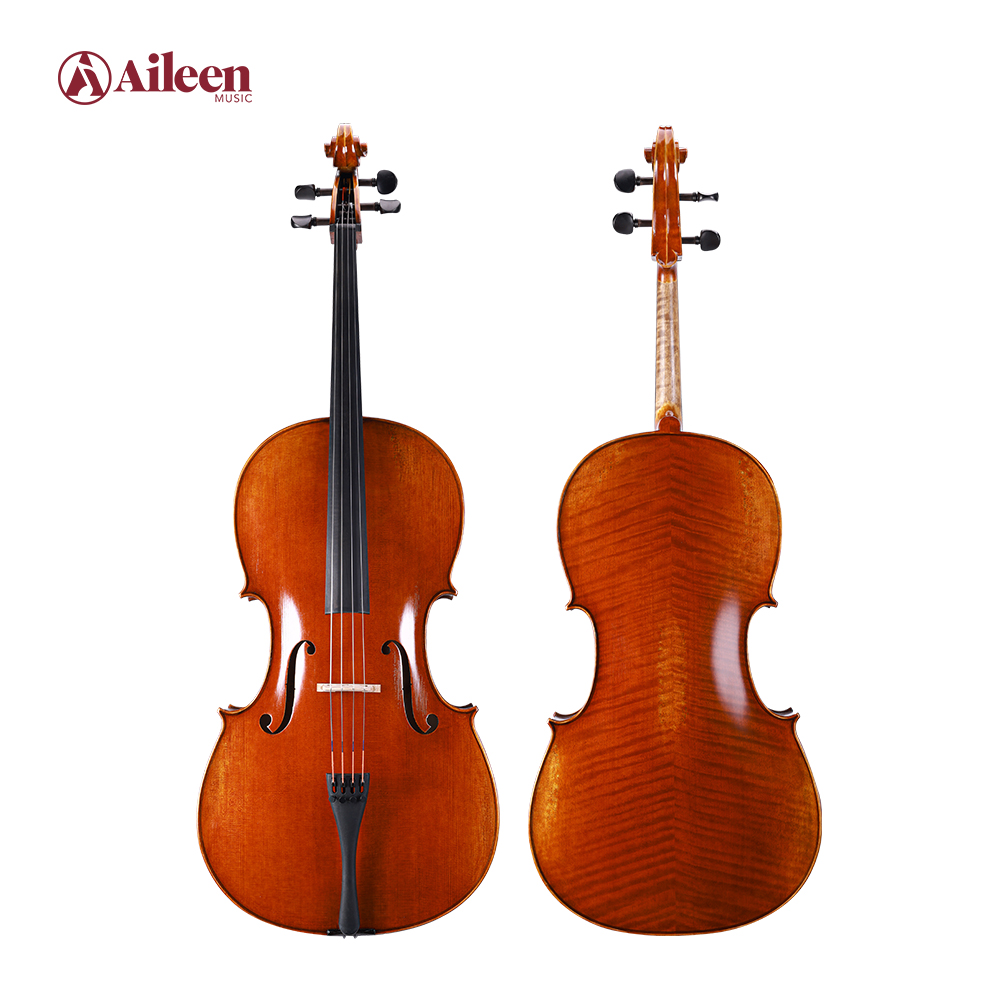
Artisanal spirit varnish application over aged maple backs, enhancing transient projection in symphonic concert halls.
View Specifications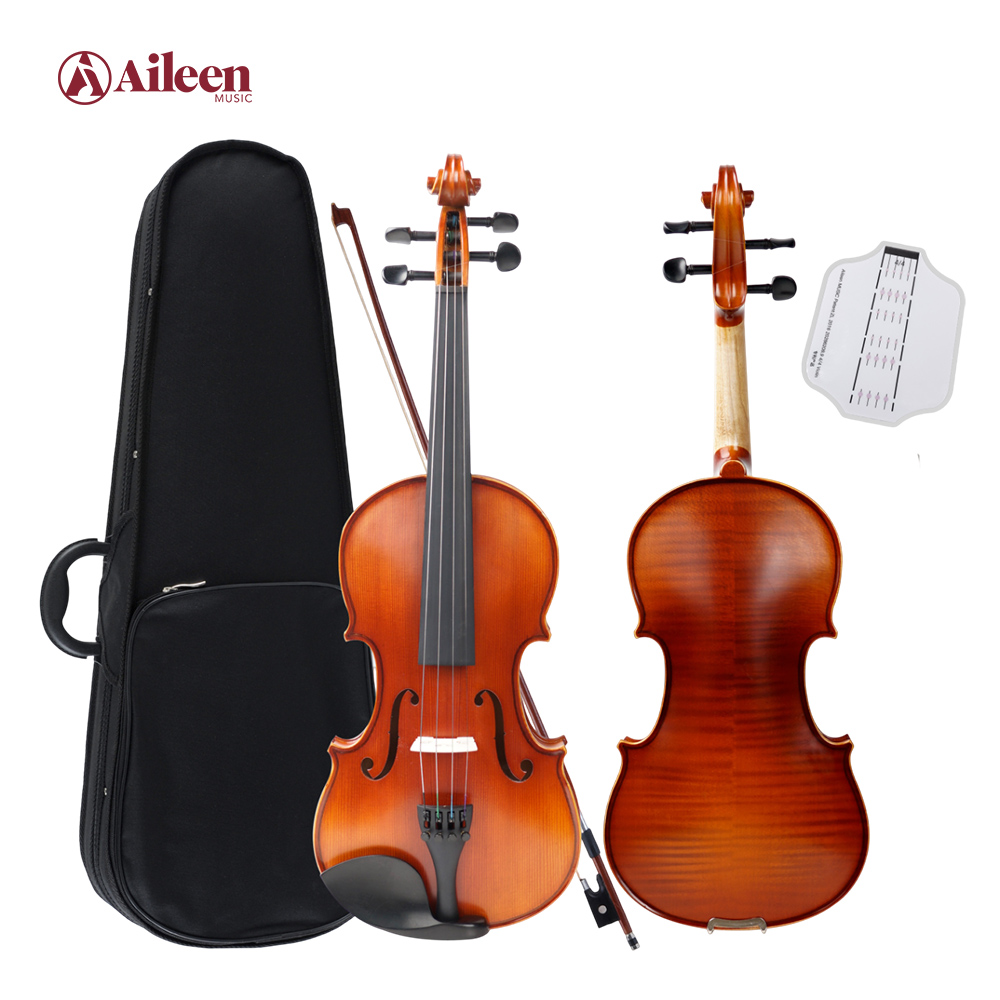
Comprehensive institutional package complete with case, calibrated bridge, and premium horsehair bow for high-throughput academy tenders.
View SpecificationsStrategic deployment of solid-state, hybrid tube, and high-efficiency Class-D bass amplification architectures within the Linz cultural corridor.
Linz occupies a pivotal geographic and economic crossroads along the Danube, functioning as both an industrial powerhouse and an internationally celebrated center for media arts, experimental acoustics, and symphonic heritage. As home to prestigious institutions such as the Brucknerhaus, Anton Bruckner Private University, the Posthof contemporary venue, and the innovative Ars Electronica Center, the metropolitan ecosystem demands exceptionally versatile, low-noise, and electronically certified acoustic reinforcement solutions.
For bassists, acoustic double bass virtuosos, and contemporary synthesists performing in Linz, amplification is not merely an exercise in raw volume—it is a study in tonal linearity, transient speed, and low-frequency phase coherence. When engineering bass amplification systems for import into the Upper Austrian territory, an OEM/ODM manufacturing facility must address complex technical criteria. The typical Linz musician shifts effortlessly between classical orchestral environments requiring acoustic transparency (for upright basses fitted with piezoelectric transducers) and aggressive, dynamic live performances demanding immense low-end headroom and fast damping factors.
Integrated 10MΩ ultra-high input impedance stages ensure acoustic cellos and double basses preserve natural high-end air without transducer roll-off or quack.
SMPS (Switched-Mode Power Supply) topologies delivering 500W to 1200W RMS into 4Ω loads, engineered with PFC (Power Factor Correction) for Austrian 230V mains stability.
Galvanically isolated transformer-balanced XLR outputs featuring ground-lift circuits ensure zero hum loops during complex multi-channel broadcast scenarios.
In municipal venues like the Posthof or during urban music showcases across the Tabakfabrik innovation hub, equipment durability is heavily tested. Rental fleet managers and backline suppliers in Linz require amplifiers built with multi-ply Baltic birch plywood enclosures, scratch-resistant textured polyurea coatings, and CNC-machined steel chassis capable of resisting internal magnetic flux interference. Our factory directly tackles these demands through precision layout planning that physically isolates power toroidal transformers from sensitive preamplifier stages, maintaining an impressive signal-to-noise ratio exceeding 92dB across all master output settings.
Understanding shifting procurement paradigms from heavy analog rigs to micro-footprint, digitally flexible bass systems across Central Europe.
Over the past half-decade, the Upper Austrian musical instruments and pro-audio sector has experienced substantial shifts. Retailers in Linz, Wels, and Steyr have adapted to three macroeconomic and technological transformations that govern how institutions and end-users source amplification hardware:
The traditional 40kg 8x10 bass cabinet is being rapidly replaced in urban Linz venues by ultra-lightweight cabinets built around custom-wound neodymium magnet drivers and 2.5kg micro-heads. Commuting musicians taking the ÖBB rail system demand high-SPL (Sound Pressure Level) rigs that fit within standard luggage profiles without sacrificing sub-bass authority.
Modern Austrian live houses and recording spaces enforce strict noise attenuation standards. Modern bass heads must feature built-in reactive loadboxes, studio-grade headphone outputs with digital cabinet emulation (IR loaders), and USB-C digital audio streaming capabilities directly integrated into the pre-amplifier circuitry for uncolored live-to-DAW recording.
Austrian buyers, governed by strict national and EU ecological frameworks, insist on absolute conformity with WEEE (Waste Electrical and Electronic Equipment), RoHS hazardous material restrictions, and the Austrian Packaging Act (Verpackungsverordnung). Factory provenance and documented supply-chain transparency are now primary tender prerequisites.
Combining over three decades of mechanical precision, acoustic engineering, and verified export credentials.
Operates under rigorous in-line quality controls audited on-site by Intertek, BV, SGS, and TÜV. Every chassis undergoes 100% burn-in stress testing, electrical safety hipot sweeps, and acoustic distortion analysis before carton sealing.
Ranked No. 195 in the prestigious Music Trades Global 225, recognized as an official AAA Grade Credit Enterprise by the China Musical Instrument Association, and maintaining permanent NAMM member status since 2003.
Take advantage of flexible multi-category container consolidation. Combine specialized bass amplifiers and cabinet runs with our renowned orchestral strings, brasswind, and protective flight case programs under a unified invoice.
Holding 8 technology patents and 5 registered international trademarks. Our acoustic R&D team works directly from buyer schematics, optimizing analog front-ends, DSP filter curves, and bespoke aesthetic enclosures.
Direct technical and logistical clarity for procurement directors, distributors, and municipal buyers in Linz.
Every electronic amplification unit shipped to Austria and the wider European Single Market is engineered and tested in accredited laboratories to comply fully with EN 55032 (EMC Emission), EN 55035 (EMC Immunity), and EN 62368-1 (Audio/Video Product Safety). Certified CE test certificates and Declarations of Conformity (DoC) are issued per production run to guarantee seamless customs clearance at Austrian inspection borders.
Ocean freight dispatches depart primary deep-water terminals (e.g., Shanghai/Ningbo), routing via Northern European hubs (Rotterdam, Hamburg) or Adriatic corridors (Koper, Slovenia). From Hamburg or Koper, goods transition via direct block-train rail logistics to the Linz Container Terminal (CCT). Average transit times range between 28 and 38 days, complemented by optional expedited rail transport via the Eurasian freight route.
Yes. As a comprehensive musical instrument manufacturing conglomerate founded in 1993, we offer complete order consolidation. Linz distributors frequently combine bass combo amplifiers and heads with our handcrafted violins, student cellos, and brasswind instruments within a single 20GP or 40HQ container, significantly reducing logistics overhead and import warehousing expenses.
For custom silk-screened front panels, custom anodized aluminum faceplates, bespoke tolex colorways, and branded packaging, our bass amplifier MOQs typically start at 30 to 50 units for head configurations, and 50 units for combo cabinets. Standard unbranded or stock-branded evaluation samples are accessible starting from 1 to 2 pieces to facilitate acoustic testing and local compliance audits.
Our amplification chassis are equipped with high-efficiency universal SMPS power supplies (100V–240V AC, 50/60Hz) or precision-wound, dual-tapped toroidal transformers optimized for 230V ±10%. Internal over-voltage, thermal protection, short-circuit, and DC offset protection circuitry ensure uncompromised operational stability during regional venue power fluctuations.
We provide a dedicated 1% to 2% complimentary spare parts buffer (including pre-tested modular PCB assemblies, replacement potentiometers, jacks, and control knobs) with all full-container wholesale shipments. In addition, our engineering division supplies full component-level schematics and direct technical support to authorized service centers in Upper Austria.