High-Performance Musical Instruments & Gear for Commercial Sourcing
Precision-engineered stringed, fretted, brass, and digital instruments optimized for oceanic transport, humidity resistance, and heavy stage performance.

42 Inch Jumbo Guitar All Solid Acoustic Guitar
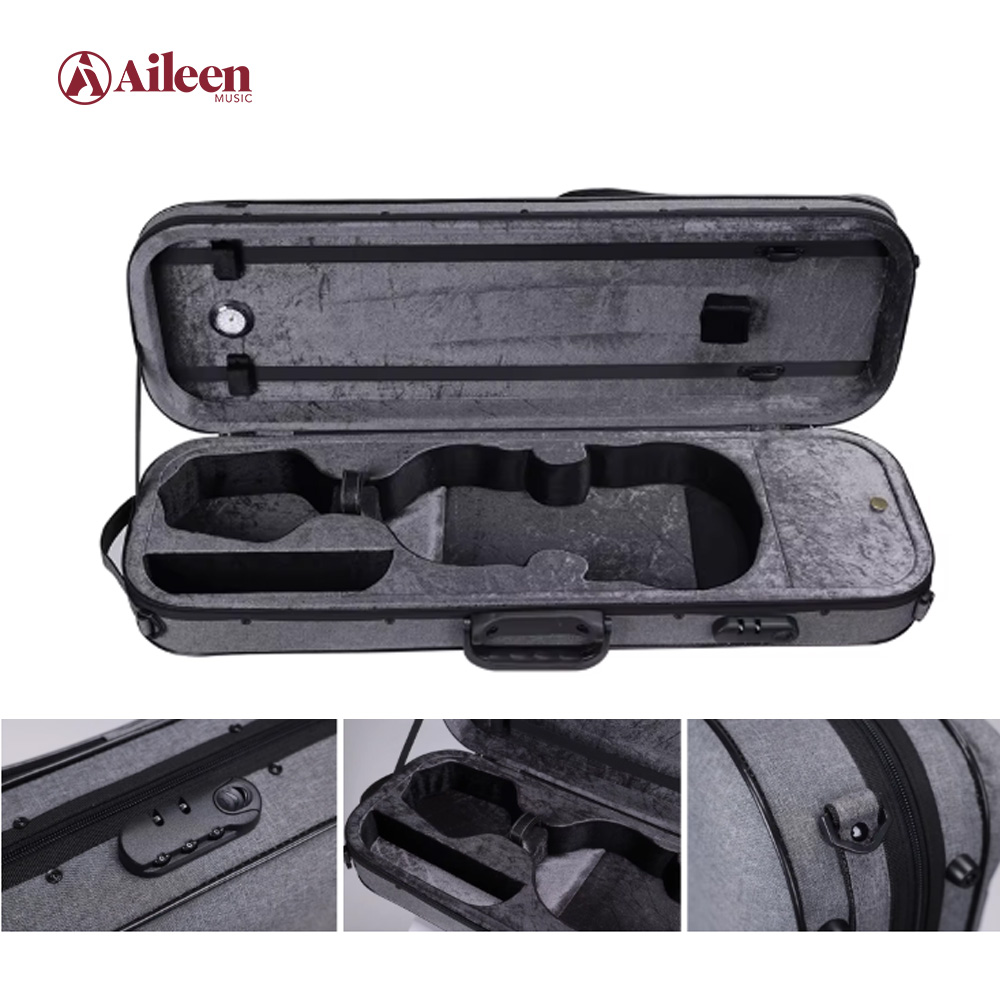
Deluxe Foamed Light Violin Case with Hygrometer
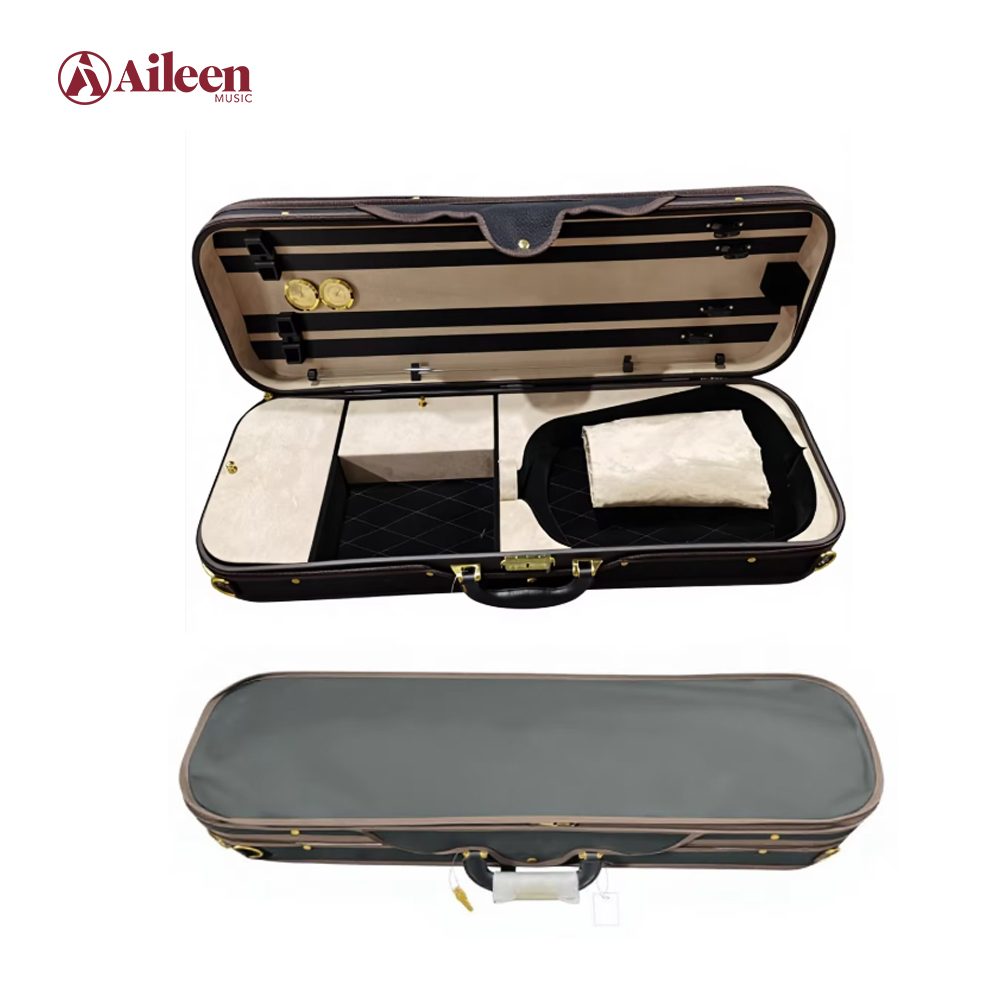
Aileen Stock Deluxe Wooden Violin Case
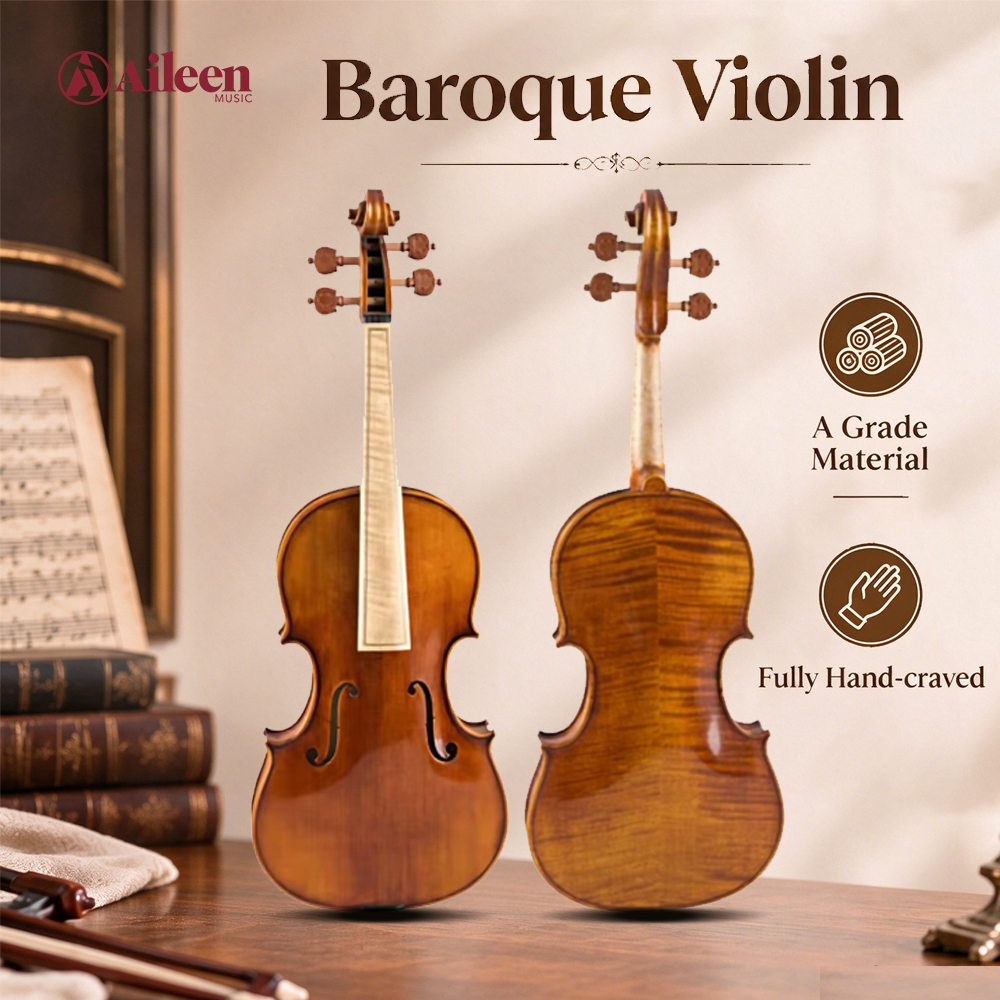
Exceptional Price Baroque Violin 4/4 Universal

Professional Yellow Brass Body Trumpet
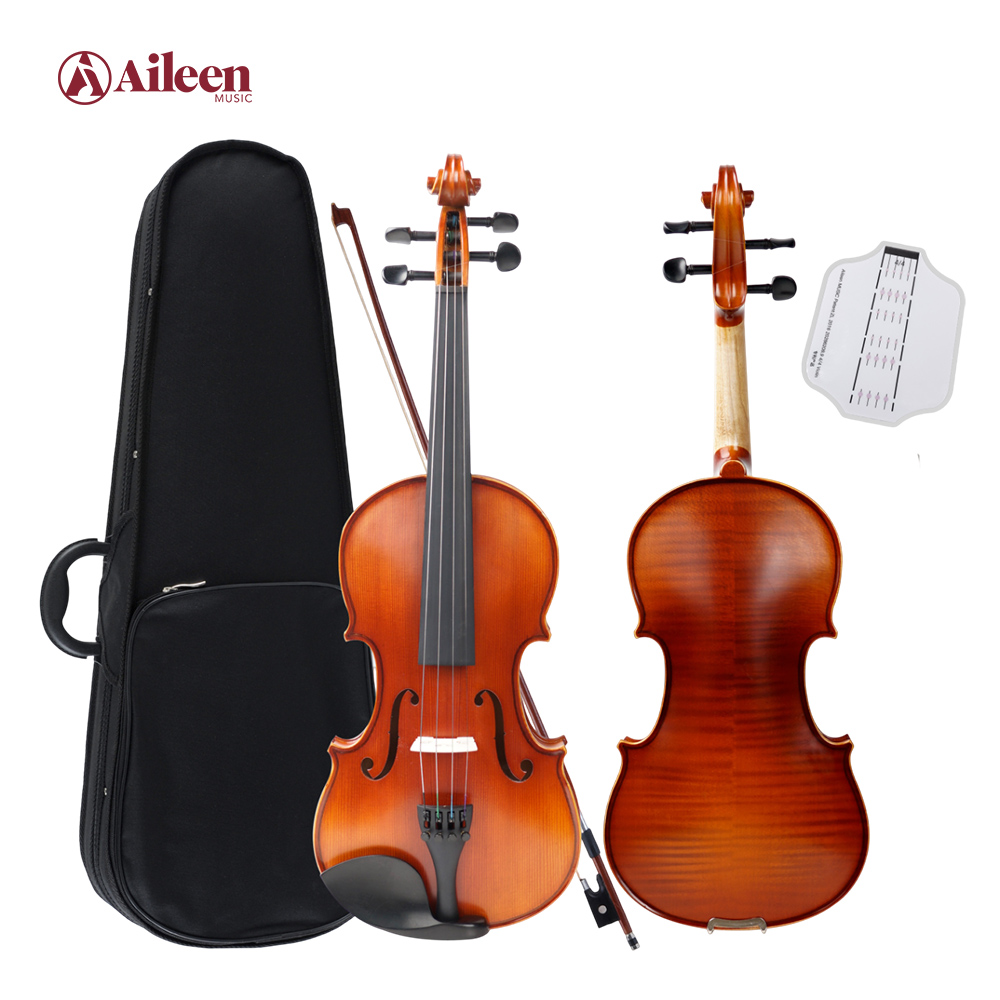
Solid European Spruce Top Student Violin Set
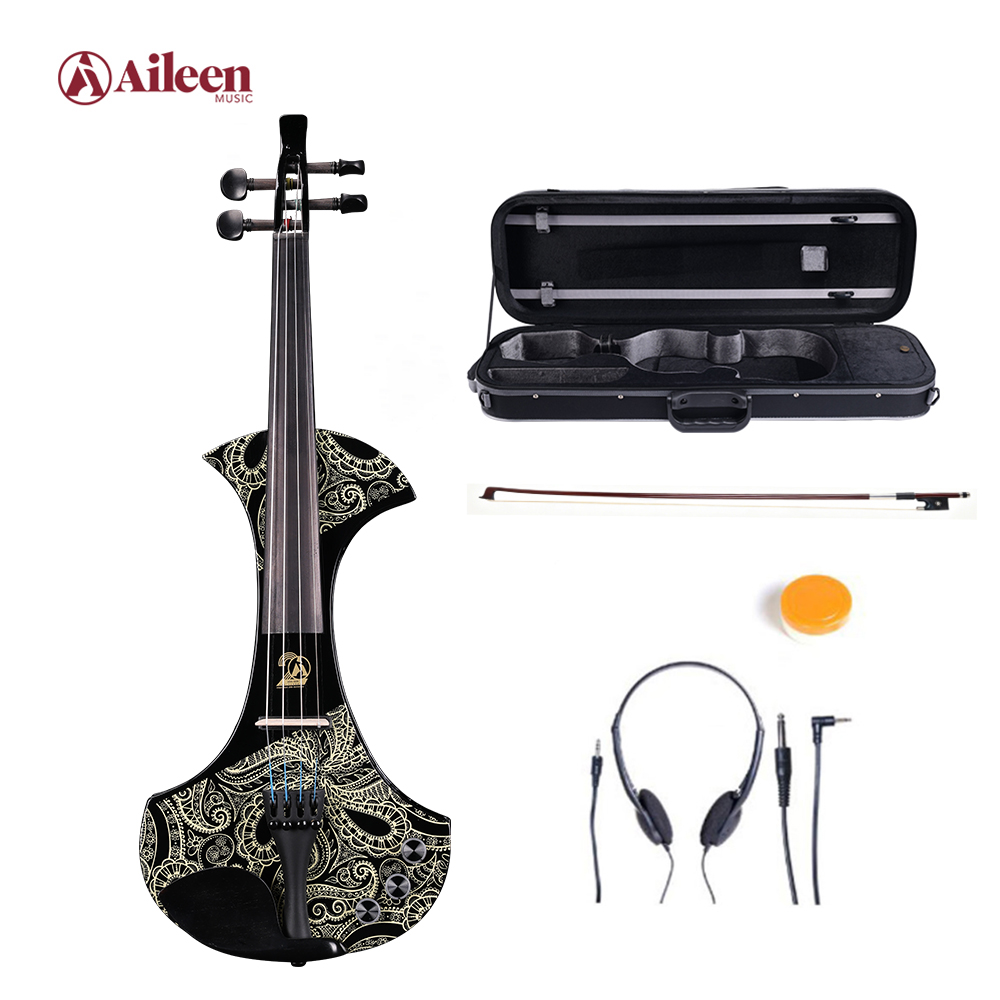
AV-D501 Patented FX Electric Violin

Professional 61-Key USB MIDI Electric Keyboard
White Paper: Engineering Commercial Guitar Amplification for Madang & the Momase Region
As the commercial capital of Madang Province and a pivotal educational and maritime hub of Papua New Guinea, Madang presents unique operational challenges and lucrative commercial opportunities for musical equipment importers. Across the northern coastal corridor spanning from Astrolabe Bay to the mouth of the Ramu River, musical performance is an indispensable component of community life, spiritual fellowship, academic celebrations at Divine Word University, and tourist entertainment at coastal resorts. However, the physical reality of Madang’s tropical rainforest climate—characterized by relative humidity levels consistently hovering between 80% and 92%, ambient operating temperatures averaging 30°C, and airborne maritime salinity from the Bismarck Sea—destroys substandard audio equipment within months.
For music store owners along Modilon Road, non-governmental organizations, and provincial procurement directors, importing generic consumer amplifiers frequently results in elevated warranty claims, voice-coil delamination, potentiometer oxidation, and severe thermal failures. Developing a resilient, high-margin musical instrument distribution channel requires partnering directly with an established Chinese original equipment manufacturer (OEM) possessing specialized engineering knowledge of tropicalized electrical circuit boards, corrosion-proof transformer designs, and high-efficiency solid-state and Class-D amplification topologies.
Electrical Infrastructure Realities: Managing Voltage Fluctuations in Madang
A critical technical determinant for guitar amplifiers deployed in Madang and wider Papua New Guinea is tolerance to extreme power quality irregularities. The local electrical supply managed by PNG Power operates nominally at 240V AC at 50Hz. However, brownouts, load shedding, and massive voltage spikes (surging up to 275V or sagging down to 180V) are standard operational parameters in Madang town and surrounding rural mission stations. Amplifiers built strictly for domestic Western markets with rigid ±5% switch-mode power supplies (SMPS) suffer capacitor burnout and transformer thermal breakdown when subjected to these erratic inputs.
Our manufacturing facility engineers export-grade guitar amplifiers specifically configured with robust toroidal transformers, oversized electrolytic reservoir capacitors rated up to 105°C, and multi-stage metal-oxide varistor (MOV) transient surge suppression. For off-grid performance environments—such as church rallies, village fellowship crusades, and coastal cultural shows powered by portable diesel or petrol generators—our solid-state analog circuits incorporate secondary regulation rails to isolate audio signal paths from generator engine noise, frequency jitter, and electromagnetic interference.
Conformal Board Tropicalization
Multi-coat silicone and acrylic lacquer spray across printed circuit boards (PCBs) isolates copper traces, preventing dendritic short-circuits caused by high ambient salt-fog and condensation.
Wide-Tolerance Power Stages
Heavy-duty toroidal windings engineered for 220V–250V grid swings, incorporating thermal reset switches and heavy-gauge chassis grounds to resist generator-induced voltage surges.
Marine-Grade Cabinet Bonding
High-density multi-ply acoustic timber assembled with moisture-cured polyurethane resins; heavy vinyl Tolex coverings sealed with anti-fungal adhesives to stop tropical peeling.
Acoustic Tuning & Localized Use Scenarios in Madang
Musical styles in Madang Province represent a vibrant synthesis of traditional PNG Melanesian vocal rhythms, string-band bamboo harmonies, contemporary gospel hymns, and Pacific island reggae. Consequently, guitar amplification in Madang must satisfy multi-instrumental applications rather than narrow genre boundaries. In local church environments, a single amplifier frequently amplifies lead electric guitar, provides backup accompaniment for high-output acoustic-electric dreadnoughts like our AFH420 series, and occasionally reinforces vocals or digital keyboards like the AEK6101 during outdoor outreach crusades.
To address this specific usage pattern, our export engineering portfolio features dual-channel combo amplifiers equipped with dedicated acoustic-piezo equalization switches, microphone XLR/Jack combo inputs, and high-headroom digital reverbs. For electric guitarists in local secular and gospel ensembles, our analog distortion stages are voiced with smooth mid-frequency punch that cuts through heavy percussion and brass sections—such as our TR5200 yellow brass trumpets and marching drums—without introducing harsh high-frequency ear fatigue in untreated concrete church sanctuaries and metal-roofed halls.
Comparative Technical Matrix: Export Amplifiers for Madang Conditions
| Amplifier Architecture | Power Rating & Load | Climate Protection Tech | Recommended Madang Application | Container MOQ |
|---|---|---|---|---|
| Solid-State Multi-Combo | 40W – 65W RMS @ 8Ω | Sealed Potentiometers, Conformal PCB | Church worship, classroom music labs, rehearsal halls | 10 Units |
| Stage Bass Amplifier | 100W – 150W RMS @ 4Ω | Heavy Toroidal, Epoxy Voice Coil | Live island reggae bands, festival main stages, civic events | 6 Units |
| Acoustic & Vocal PA Combo | 50W Dual-Channel + FX | Anti-Fungal Tolex, Water-Resistant Cone | Outdoor mission crusades, resort entertainment, busking | 8 Units |
| High-Gain Lead Guitar Amp | 30W – 60W RMS Closed-Back | Zinc-Plated Chassis, Rust-Proof Hardware | Youth music clubs, recording studios, contemporary worship | 10 Units |
Emerging Market Trends: Commercial Sourcing in Madang (2025–2030)
Commercial distribution data and trade consultations with Pacific region importers highlight three transformative trends reshaping the musical instrument supply chain across Madang, Lae, and Port Moresby:
The Gospel Ministry Modernization
Pentecostal, Lutheran, and Catholic parishes are aggressively upgrading their liturgical sound gear. Bulky separate PAs are being replaced by versatile combo instrument amplifiers and digital workstations like the AEK6101 keyboard and AV-D501 electric violins.
Institutional Education Programs
Tertiary colleges and provincial secondary institutions are formalizing music education curricula. Sourcing demand has transitioned from piecemeal retail acquisitions to centralized container orders of student string sets (VG210H) and brass wind instruments (TR5200).
Multi-Category Container Consolidation
Rising international maritime shipping costs make single-item imports economically unviable. Savvy Madang retailers now demand multi-category consolidation, mixing amplifiers, guitars, brass, cases, and violins in single 20ft/40ft containers to maximize profit margins.
As the regional market evolves, commercial distributors who maintain inventory consistency and supply ruggedized, tropical-ready amplification hardware will capture market leadership. Our factory’s direct export framework eliminates unnecessary middlemen, allowing Madang retailers to obtain Tier-1 Chinese pricing while offering robust warranty protection to their end customers.
Manufacturing Excellence: Why Chive Music is the Premier Factory Partner
Founded in 1993 in Nanjing, Jiangsu, Chive Music Co., Ltd. has established itself over three decades as an elite OEM/ODM manufacturer and exporter in the international musical instrument industry. Serving distributors, educational ministries, and retail chains across more than 100 countries, we combine traditional craftsmanship with advanced industrial manufacturing controls.
Ranked #195 in the prestigious Music Trades Global 225 (2017), honored as a Famous Export Brand, and rated as an AAA Grade Credit Enterprise by the China Musical Instrument Association (CMIA), our company operates under strict ISO 9001 quality management guidelines. Our production floor and export facilities undergo continuous on-site assessments and inspections by global compliance bodies including Bureau Veritas (BV), SGS, and TÜV.
30+ Years Global Export
Exporting musical products continuously since 1993, backed by permanent NAMM membership since 2003 and CCPIT accreditation since 2005.
In-House R&D & Patents
8 proprietary technical patents and 5 registered international trademarks, including our patented AV-D501 multi-effects electric violin system.
Complete OEM / ODM Flexibility
Full customization: from silk-screened distributor branding, chassis powder coatings, custom voiced circuits, to localized retail carton packaging.
Consolidated Sea Shipments
Consolidate guitar amplifiers, acoustic guitars, brass instruments, and hard cases into a single ocean container, minimizing freight costs per unit.
Strict 13-Stage Quality Control & Tropical Stress Testing
Before any container departs for the Port of Madang, every production batch completes our rigorous 13-step manufacturing lifecycle: initial raw timber conditioning and kiln drying, computer-controlled CNC rough machining, precision neck/body leveling, multi-coat cleanroom spray finishing, controlled chamber drying, mechanical hardware mounting, electronic circuit soldering, setup/play-testing, acoustic frequency sweep debugging, multi-point final QC inspection, climate-barrier packaging, export warehousing, and containerized load stabilization. This meticulous process ensures that our instruments, amplifiers, and protective cases—such as the CSV327BH hygrometer violin cases—arrive in Madang factory-fresh, structurally sound, and ready for immediate retail sale.
Madang Buyer Sourcing FAQ: Direct Factory Importing
Practical trade, shipping, and compliance answers for music retail stores, school purchasing officers, and church organizations importing directly from China to Papua New Guinea.
Q1: How are ocean shipments routed from China to the Port of Madang?
Most commercial ocean freight originates from Shanghai or Ningbo ports. Cargo travels via direct Pacific liner services or transships smoothly through Port Moresby or Lae before docking directly at the Port of Madang. Transit times typically range from 18 to 26 days depending on the maritime carrier (such as Swire Shipping or South Seas lines).
Q2: Can we consolidate different musical instruments with guitar amplifiers?
Yes, absolutely. This is one of our primary competitive advantages. As a comprehensive multi-category musical instrument manufacturer, we allow buyers to consolidate guitar amplifiers, all-solid guitars (AFH420), student violins (VG210H), trumpets (TR5200), and 61-key keyboards (AEK6101) within a single 20ft or 40ft container, avoiding unnecessary LCL port charges.
Q3: What moisture barrier packaging is used to withstand equatorial shipping?
Each amplifier and instrument is individually sealed within heavy-gauge polyethylene anti-moisture bags with activated desiccant silica gel packets. Master cartons are crafted from 5-ply reinforced corrugated cardboard with edge protectors, secured with moisture-proof plastic film wrapping on export pallets to prevent humidity ingress inside marine containers.
Q4: What is the Minimum Order Quantity (MOQ) for custom brand labeling?
For standard catalog inventory, MOQs start as low as 2 to 10 units per model. For custom OEM private branding (custom front grilles, control panels, brand nameplates, and custom packaging), minimum order thresholds generally begin at 50 units for amplifiers and 30 to 50 units for fretted guitars and brass instruments.
Q5: Are replacement electronic modules and spare parts readily available?
Yes. We support our long-term distribution partners in Papua New Guinea by providing essential maintenance spare parts—including potentiometers, replacement transformers, speaker drivers, output jacks, and bridge assemblies—directly packed alongside your commercial instrument shipments for rapid local servicing.
Q6: Which international payment terms are accepted for Madang buyers?
We work with established commercial mechanisms including Telegraphic Transfer (T/T with standard 30% deposit, balance against Bill of Lading copy) and Irrevocable Letters of Credit (L/C at sight) opened through reputable commercial banking institutions such as Bank South Pacific (BSP) or Kina Bank.
Ready to Expand Your Musical Instrument Supply in Madang?
Partner directly with China's top-tier musical instrument manufacturer and exporter. Request comprehensive wholesale price lists, OEM branding options, and container consolidation logistics tailored for the Papua New Guinea market.