Export-Grade Musical Equipment Ready for Neiafu Distribution
Direct from our accredited manufacturing floors: factory-calibrated instruments, heavy-duty electronics, and protective gig solutions built to endure maritime logistics and tropical microclimates.


Metallurgical Integrity and Audio Jack Engineering for Marine Environments
The 1/4" (6.35mm) phone jack remains the most fundamental yet vulnerable electro-mechanical junction on any acoustic-electric guitar, solid-body electric bass, keyboard, or brass pickup amplifier. For musical communities and audio engineers located in Neiafu—the primary port and administrative center of the Vava'u archipelago in the Kingdom of Tonga—standard commercial jacks consistently fail within months. The combined effects of ambient relative humidity averaging 78% to 85%, persistent airborne sodium chloride particulates (marine aerosol), and intense ambient heat catalyze galvanic corrosion, contact pitting, and spring-leaf fatigue.
As an established Chinese musical instrument and component manufacturer founded in 1993, our production facility deploys specialized metallurgical and chemical engineering processes tailored for South Pacific export markets. Unlike low-tier brass-stamped jacks that oxidize rapidly under tropical ocean exposure, our heavy-duty mono and stereo panel-mount jacks, threaded endpin jacks, and cylindrical flush-mount barrel jacks utilize military-grade spring alloys and specialized electroplating protocols.
Anatomy of Marine-Spec 6.35mm Guitar Jacks
A precision-manufactured guitar jack must solve three distinct physical challenges simultaneously: mechanical retention of the instrument cable plug, uninterrupted electrical conductivity with near-zero contact resistance, and absolute dielectric isolation between hot, ring, and ground poles under moisture condensation. When supplying sound rental providers, church parishes, and touring setups in Neiafu, our components adhere to strict manufacturing tolerances:
Phosphor Bronze Leaf Springs
We utilize C5191 cold-rolled phosphor bronze for the tip and ring contact leaves rather than ordinary brass. Phosphor bronze maintains elastic memory across 15,000+ insertion/extraction cycles, eliminating intermittent signal drop-outs caused by loose cable plugs during active church worship or stage performances.
Multi-Layer Barrier Plating
Direct gold-over-brass plating suffers from rapid copper migration in tropical climates. Our automated electroplating line applies an initial 2.5µm copper strike, followed by a dense 5.0µm nickel barrier plate, finished with a 24k hard gold flash or anti-tarnish micro-tinning. This survives 96-hour neutral salt-spray (ASTM B117) certification without blistering.
Hydrophobic Dielectric Spacers
Traditional phenolic fiberboard and cheap paper-based isolation washers readily absorb ambient moisture, creating a micro-conductive path that bleeds high-impedance pickup signals directly to ground. We replace standard washers with glass-reinforced PA66 nylon and Teflon insulation rings rated for dielectric breakdown voltages exceeding 1,000V RMS.
Comparative Performance Matrix: OEM Guitar Jack Specifications
To assist institutional buyers, lutherie repair workshops, and instrument importers in Vava'u in making informed engineering selections, the following benchmark table highlights the performance differentials between typical consumer-grade jacks and our industrial-grade export components:
| Engineering Parameter | Standard Commercial Jack | Chive / Aileen Marine-Spec OEM Jack | Performance Impact in Neiafu Climate |
|---|---|---|---|
| Leaf Spring Metallurgy | H62 Stamped Yellow Brass | C5191 Cold-Drawn Phosphor Bronze | Prevents permanent tip bending; resists mechanical sagging from heavy guitar cables. |
| Contact Plating Protocol | Single Nickel Wash (< 1.5 µm) | Cu-Strike + 5µm Ni + 24k Hard Gold / Tin | Zero green copper carbonate oxidation; maintains < 15 mΩ contact resistance. |
| Dielectric Insulation | Phenolic Resin Fiber Paper | Glass-Reinforced PA66 Nylon / PTFE | Immune to humid air saturation; blocks ground-loop hum and signal bleed. |
| CASS / Salt Spray Endurance | < 16 Hours (Rust / Pitting begins) | > 96 Hours (ASTM B117 Compliant) | Crucial for Neiafu harborfront venues, open-air festivals, and sea-freight transit. |
| Insertion Mechanical Life | ~3,000 cycles | > 12,000 verified cycles | Provides 5+ years of daily church service use without crackle or looseness. |
Localized Application Scenarios Across Neiafu & the Vava'u Archipelago
Neiafu serves as the commercial epicenter of Vava'u, characterized by a unique acoustic landscape blending deep-rooted religious choral and brass traditions with coastal tourism, hospitality venues, and youth educational development. Because Vava'u is geographically separated from the capital of Nuku'alofa by roughly 300 kilometers of open Pacific waters, musical organizations cannot afford high hardware failure rates. Replacing broken components requires weeks of inter-island ferry or air logistics. The hardware installed on instruments in Neiafu must be reliable on day one and remain trouble-free for years.
Wesleyan & Catholic Church Sound Systems
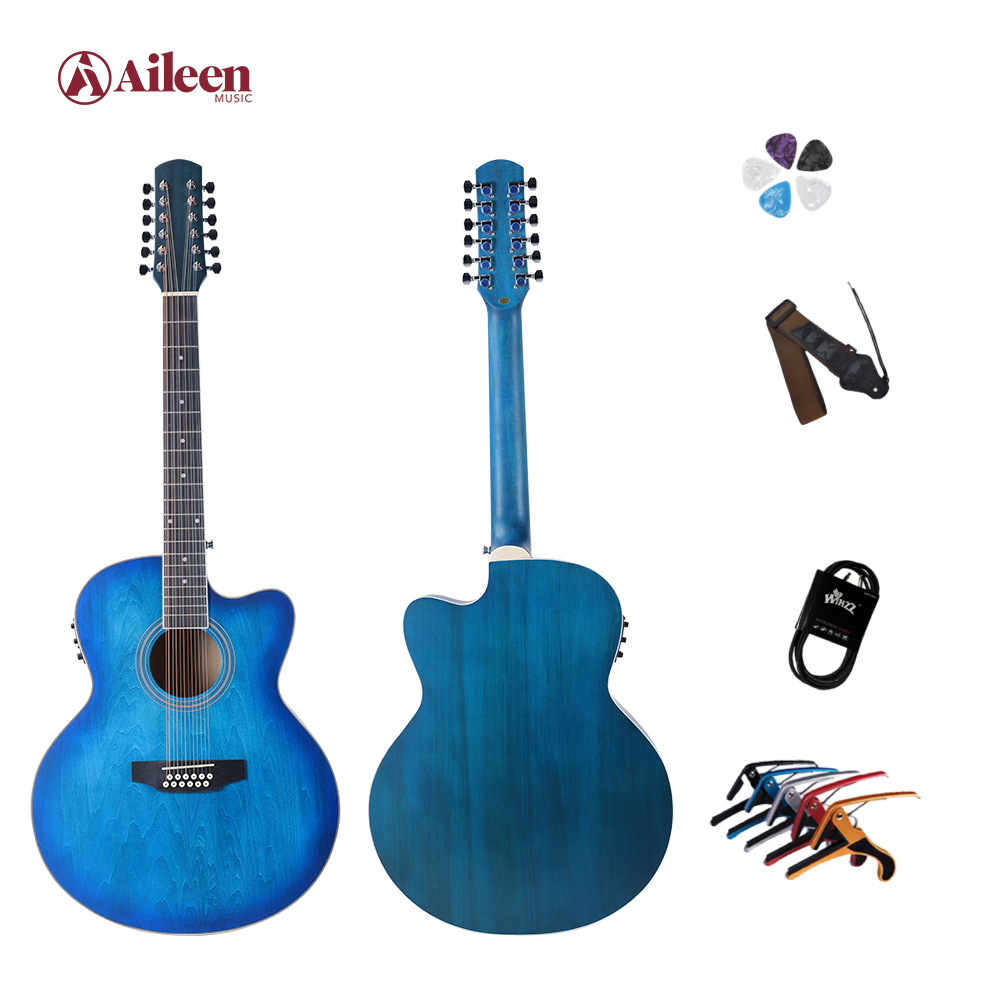
Tongan worship services in Neiafu feature powerful musical ensembles featuring multi-string acoustic-electric guitars (such as our 12-string AF-H01LCE), electric basses, and brass instruments. Church audio systems run continuously for hours in open-walled sanctuaries exposed to coastal breezes. Our shielded stereo switching jacks enable seamless silent-disconnect, preventing devastating acoustic thump and high-power speaker damage when instrumentalists swap instruments live on stage.
Port of Refuge Maritime Gig Rigging
During the annual whale-watching tourism peak (July to October), Neiafu Harbour and the Port of Refuge host visiting international yachts, beachfront acoustic sessions, and resort entertainment. Guitarists and sound operators playing along the waterfront subject their instrument jacks to constant salt-mist exposure. Our airtight, threaded barrel jacks (cylinder jacks) protect internal wiring harnesses from corrosive moisture entering the guitar cavity.
Community School Music Ensembles & Brass Banding
Education programs throughout Vava'u High School and community youth hubs place heavy demands on student instruments. Constant plug insertion by inexperienced players frequently shears cheap mounting threads. Our hex-nut fastening hardware features industrial knurled tooth-washers that lock onto wood or acrylic pickguards, preventing jack rotation that snaps internal ground leads.
Independent Luthier & Repair Workshops in Vava'u
With no heavy-parts manufacturing facilities in northern Tonga, local repairers rely on high-yield, universal-fit replacement hardware. Our 1/4" mono jacks feature multi-gauge solder lugs with generous wire openings, allowing quick field repairs using anything from standard litz wire to heavy 18-AWG shielded lead cables under basic soldering iron conditions.
Import Dynamics: Sourcing Guitar Jacks & Instruments from China to Neiafu
Logistical efficiency is the single greatest competitive lever for musical equipment distributors in Tonga. Shipping fragmented orders of guitars, violins, brasswinds, and replacement hardware across separate vendors results in exorbitant sea-freight forwarding surcharges, multiple port handling fees in Nuku'alofa, and customs clearance delays before final transport to Neiafu Port.
1. Containerized Consolidation: The One-Stop Factory Advantage
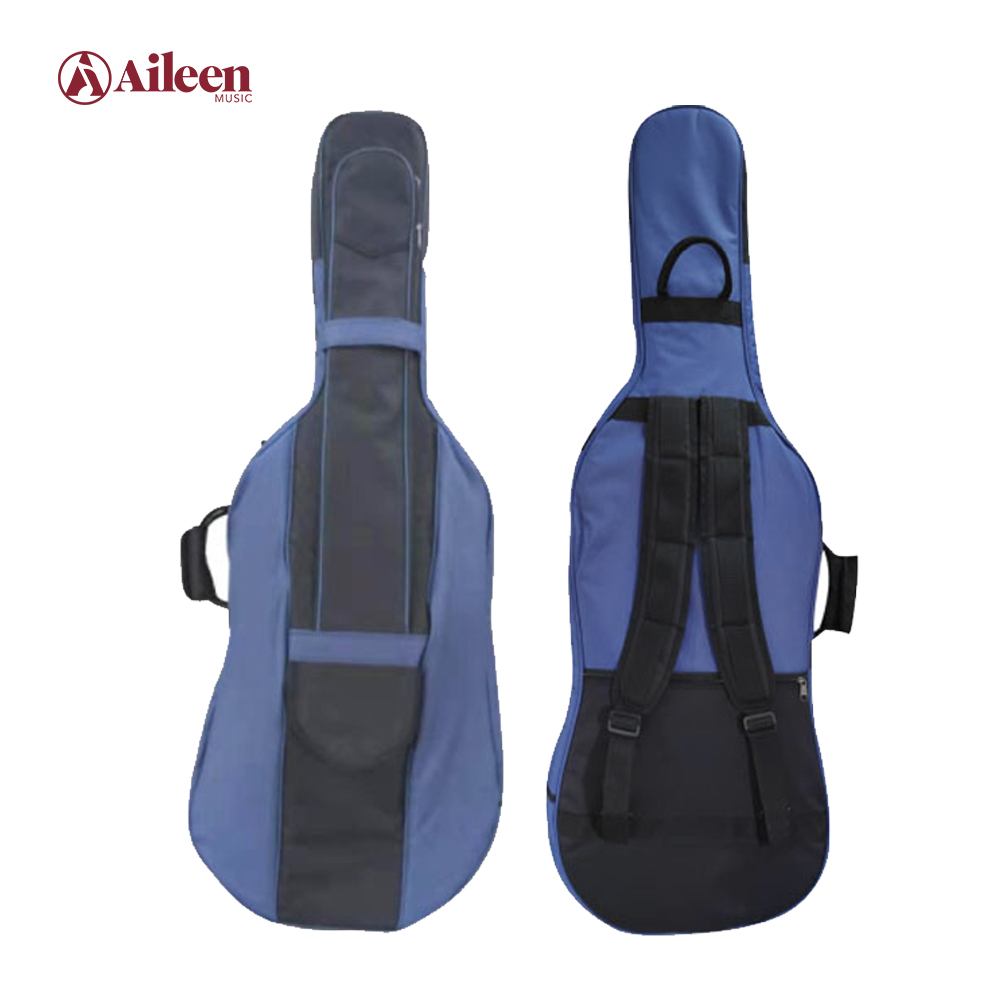
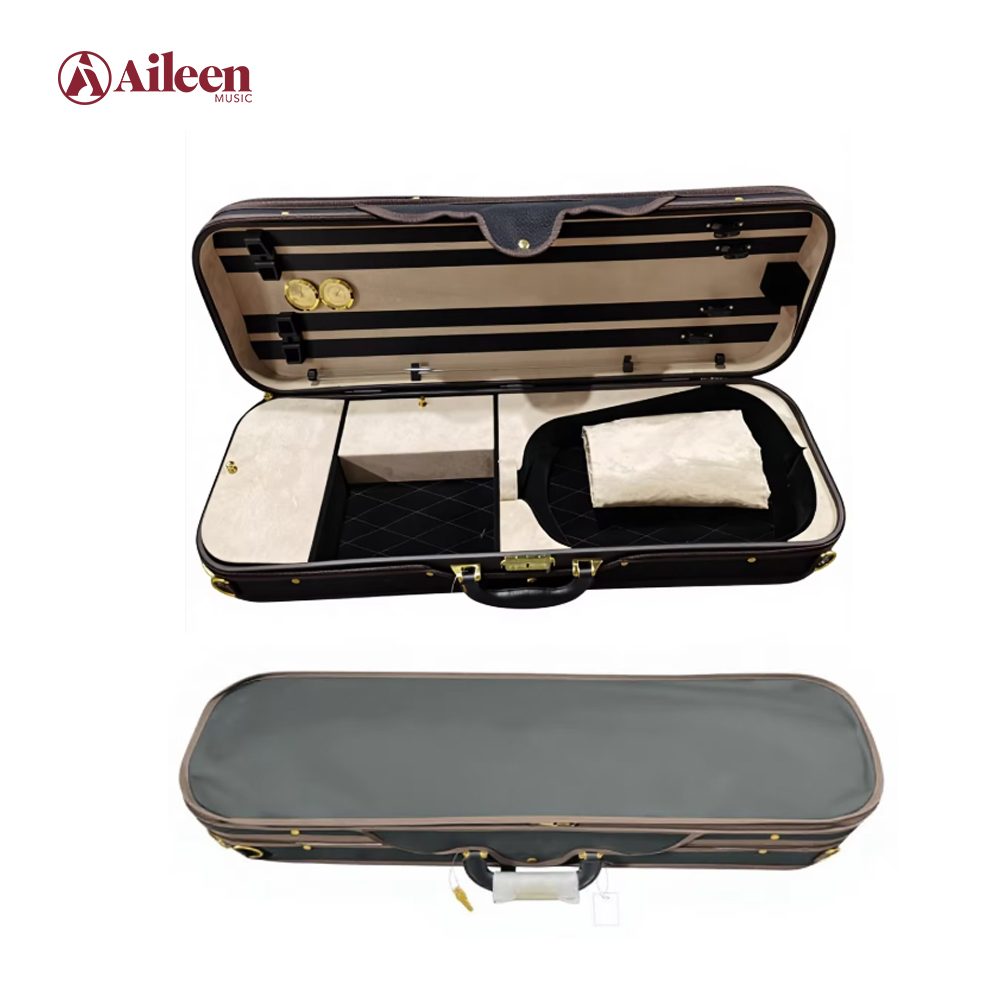
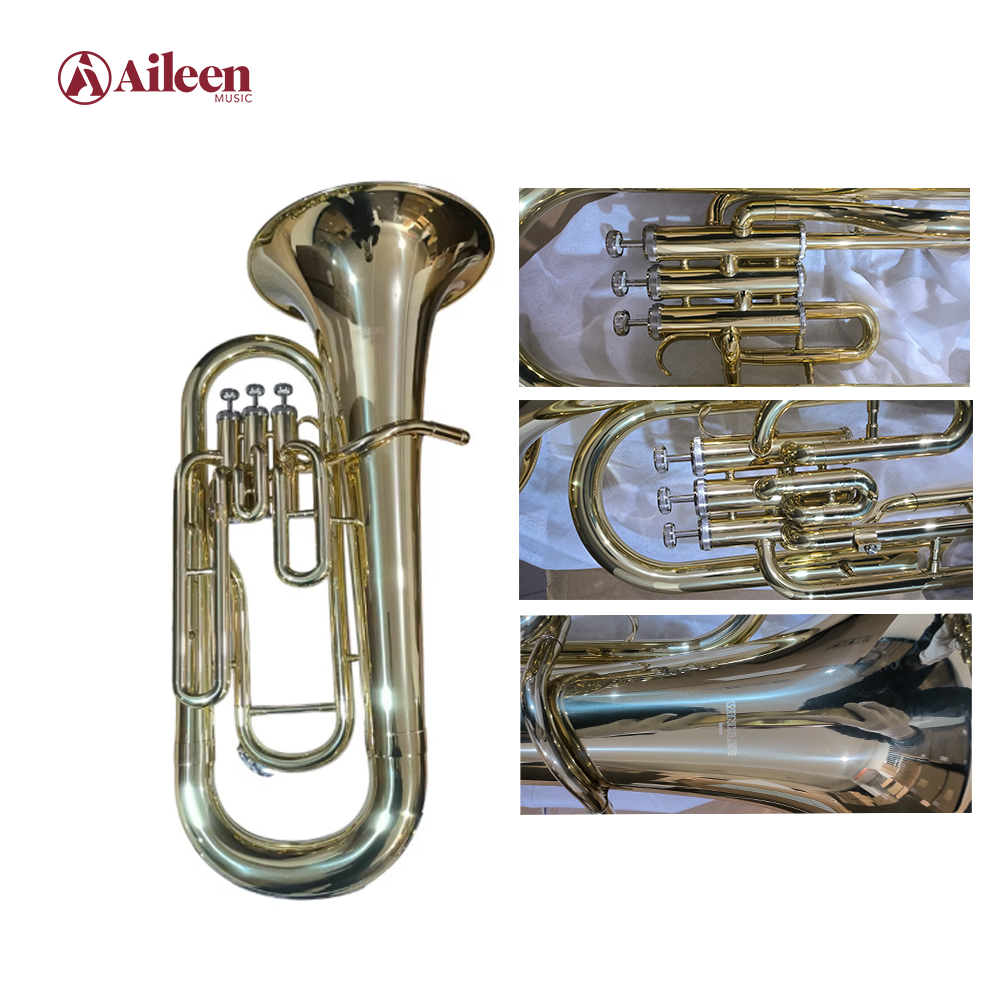
As a verified manufacturer managing comprehensive production facilities in Nanjing, China, we enable Pacific island importers to consolidate finished musical instruments (acoustic/electric guitars, violins, brasswinds, accordions) together with critical electronic components and spare parts (1/4" input jacks, potentiometers, switches, gig bags, cases) in a single consolidated bill of lading (B/L). Sourcing 500 units of guitar jacks alongside complete instruments such as our AF238CE Cutaway Acoustic or student euphoniums eliminates third-party trading markup and optimizes container volumetric efficiency.
2. Tropical Barrier Packaging Protocols
Maritime transport through equatorial Pacific sea routes entails severe temperature fluctuations inside shipping containers, causing container rain (internal condensation). Every batch of guitar jacks and metal hardware leaving our warehouse is hermetically heat-sealed in high-barrier polymer polybags with non-dusting silica desiccant pouches. Solder lugs are treated with a microscopic organic solderability preservative (OSP) film, guaranteeing that upon unpacking in Neiafu, the terminals wet instantly with lead-free or 60/40 solder without needing abrasive surface cleaning.
3. Pre-Wired Harness Customization (OEM / ODM)
Recognizing the shortage of advanced electronic diagnostic tools in remote island territories, we provide Neiafu distributors with factory-pre-wired harnesses. Guitar jacks come pre-soldered to matched audio-taper (Log A) and linear (Lin B) brass-shaft potentiometers with military-spec heat-shrink tubing and grounded braided wire. This reduces installation time for local repair technicians to under five minutes, eliminating soldering errors on precious acoustic-electric tone-woods.
Frequently Asked Questions for Neiafu Importers & Technicians
Factory Expertise, International Credentials & Manufacturing Strengths
Operating as an elite musical instrument manufacturing and export enterprise since 1993, Chive Music Co., Ltd. has established an indelible global reputation across more than 100 international markets. Headquartered with complete machining, finishing, assembly, and electro-acoustic testing facilities in Nanjing, China, our specialized team of 79 technical craftsmen and engineers combines age-old acoustic craftsmanship with state-of-the-art precision tooling.
Global Industry Recognition
Ranked No. 195 in the prestigious Music Trades Global 225 music products ranking (2017) and distinguished as an official AAA Grade Credit Enterprise by the China Musical Instrument Association (CMIA).
Institutional Memberships
A Permanent Member of the International NAMM Show (USA) continuously since 2003, and an active member of CCPIT since 2005. Our factory undergoes annual Intertek, SGS, and TÜV audits.
Proprietary R&D & Patents
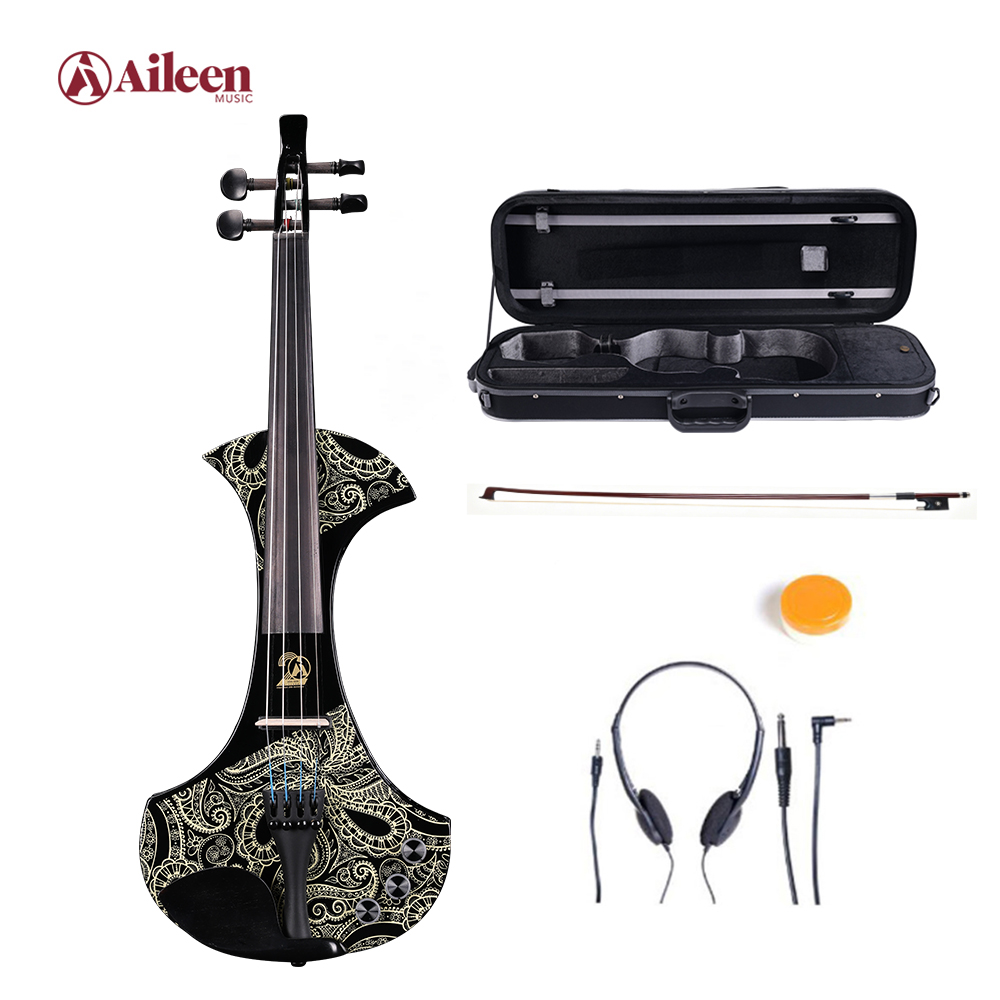
Holder of 8 registered patents and 5 global trademarks (including Winzz and Lexington), featuring in-house engineering innovations in DSP electro-acoustic pickups, multi-effects electric violins, and marine-spec hardware.
Our 13-stage manufacturing process—spanning raw tonewood moisture conditioning, CNC-guided mechanical profiling, multi-coat clean-room electrostatic spraying, hand assembly, automated electronic continuity testing, and export-grade vacuum sealing—ensures that every instrument and hardware component leaving our line satisfies the most rigorous international standards.
Ready to Upgrade Your Instrument Supply in Neiafu & Tonga?
Consult directly with our engineering and export desk for wholesale catalogs, sample evaluation kits, container freight estimates, and OEM customization quotes tailored for the South Pacific market.
Contact Us