China Top Guitar Machine Heads Factory & Exporters for Vienna
Engineered for Austrian master luthiers, institutional instrument distributors, and premier European orchestra suppliers. Micron-tolerance gearing meets Viennese acoustic heritage.
Continuous export operation established in 1993, supplying global markets.
#195
Music Trades Global 225
Internationally ranked musical instrument manufacturer and hardware pioneer.
1:21Max
CNC Gear Micro-Ratio
Ultra-fine tuning gear tolerance eliminating dead-band for concert tuning.
100%
EU Compliance Audit
RoHS, REACH SVHC, and EN 1811:2011 nickel-release certified metallurgy.
Engineering Whitepaper
The Physics of Pitch Retention: Why Viennese Luthiers Demand High-Ratio Machine Heads
Vienna is universally recognized as the classical epicenter of the Western musical continuum. From the historic acoustics of the Musikverein’s Golden Hall (Goldener Saal) and the Konzerthaus to the demanding chamber environments of the University of Music and Performing Arts Vienna (MDW), tuning stability is an uncompromised artistic mandate.
For centuries, the Viennese guitar tradition—typified by historic builders like Johann Georg Stauffer and contemporary makers throughout the Neubau and Josefstadt artisan quarters—has prioritized delicate acoustic projection paired with rigorous mechanical dependability. Unlike mass-market consumer guitars, concert-level instruments deployed in Austrian chamber ensembles and classical recitals encounter severe environmental transitions. Seasonal Alpine dry winter drafts driven by continental air masses contrast drastically with summer humidity along the Danube basin.
Under these micro-climatic swings, wood fretboards and headstocks contract and expand. Standard 1:14 gear ratio machine heads suffer from severe gear backlash (dead-band play) and worm-gear slip, forcing musicians to make awkward adjustments during performances. As an ISO 9001 certified Chinese manufacturing partner with over three decades of precision casting and gear-hobbing experience, our factory engineers guitar machine heads specifically tailored to counteract these thermal and physical stressors.
Phosphor Bronze CNC Worm Gearing
Our gear wheels are machined from self-lubricating phosphor bronze alloy (CuSn8), matched with case-hardened stainless steel worm shafts. This metallurgy pairing reduces friction coefficients below 0.08, completely eliminating the notched wear common in lower-grade zinc die-casts.
Hermetic Internal Lubrication
Sealed tuners utilize aerospace-grade synthetic fluorosilicone damping grease engineered to withstand temperature variations between -25°C (Austrian winter outdoor stages) and +45°C under high-output stage spotlights without thinning or binding.
Zero-Deflection Shaft Centering
With an axial shaft runout verified within ±0.005mm through automated optical profiling, each string post distributes lateral tension evenly against the headstock ferrule, preserving instrument finish and reducing neck torsional fatigue.
Localized Application Scenarios Across the Austrian Music Ecosystem
Austrian guitar trade buyers require distinctive mechanical configurations across three primary application scenarios:
1. Viennese Classical & Heritage Instruments (Schrammelgitarre): Traditional Viennese music, notably the beloved Schrammelmusik genre, frequently uses 13-string or 15-string bass guitars (Kontragitarre). The immense aggregate string tension—exceeding 140 kg across sub-bass harp strings—instantly exposes substandard tuners. Our heavy-duty open-gear plates with reinforced brass baseplates and authentic vintage ivory-touch galalith buttons deliver historical visual charm alongside rock-solid rotational resistance under massive string loading.
2. Concert Stage & Boutique Electric Luthiers: In the progressive studios and boutique workshops of Lower Austria and Styria, modern guitar builders demand modern locking machine heads (1:18 to 1:21 gear ratio) with staggered post heights. These eliminate the need for friction-inducing string trees, improving the performance of modern vibrato systems on custom hand-crafted electric models.
3. Music School Fleet Maintenance & Institutional Tenders: Municipal music schools throughout Austria (Musikschulen Wien) require high-volume replacement tuning sets that withstand continuous student abuse. Our sealed chrome die-cast tuning assemblies offer sealed dustproof housings, removable zinc or ebony buttons, and universal mounting screw angles (45° and 90° options) for seamless retrofit operations.
Technical Benchmark: Factory Standard vs. Viennese Concert Requirement
The table below demonstrates the engineering parameters tested on our specialized computer-controlled torque testers, validating compliance for exports destined for the Austrian and wider DACH market.
Mechanical & Metallurgical Metric
Standard Commercial Tuning Peg
Chive Music Precision Export Standard
Austrian / Viennese Market Relevance
Gear Ratio Precision
1:14 or 1:16 Die-Cast
1:18 to 1:21 CNC Cut Hob
Concert Intonation Micro-cent pitch sensitivity
Backlash / Deadband Play
> 0.35 mm rotational play
≤ 0.04 mm laser-verified
Zero Backlash Instant responsive tuning bite
Gear Metallurgy
Zamak #3 Zinc Alloy
C6191 Phosphor Bronze + 304 SS
Anti-Fatigue Resists 50,000 continuous full cycles
Nickel & Plating Compliance
Unchecked electroplating
EN 1811:2011 Non-allergic Plating
EU Legal Standard Zero hazardous skin sensitization
Torque Smoothness Coefficient
Fluctuates 0.8 – 2.5 kgf·cm
Uniform 1.2 – 1.4 kgf·cm
Luthier Grade Uniform tactile feedback across all 6/12 posts
Salt Spray Corrosion Resistance
24 hours ASTM B117
96 hours ASTM B117 / ISO 9227
Climate Shield Prevents tarnishing in humid summer venues
Austrian Sourcing & Industry Development Trends
Several critical supply chain and technological shifts are transforming how Austrian procurement directors, importers, and luthier collectives purchase tuning components from China:
1. Accelerated Adoption of Lightweight Materials: Classical and acoustic guitar builders in Central Europe are hyper-conscious of headstock inertia. Heavy tuning assemblies dampen soundboard resonances and induce "neck-dive". We have pioneered lightweight machined aluminum housings and composite synthetic buttons that reduce total 6-in-line headstock weight by up to 28% without sacrificing gear-train strength.
2. Stringent EU ESG & Chemical Legislation: Importers in Austria face rigorous national inspections aligned with EU REACH Regulation (EC No 1907/2006). Tuning machines containing trace lead in brass alloys or toxic hexavalent chromium plating are routinely confiscated at EU ports of entry. Our automated finishing facility utilizes eco-friendly trivalent chromium and vacuum PVD gold coating, providing full laboratory audit dossiers with every bulk batch.
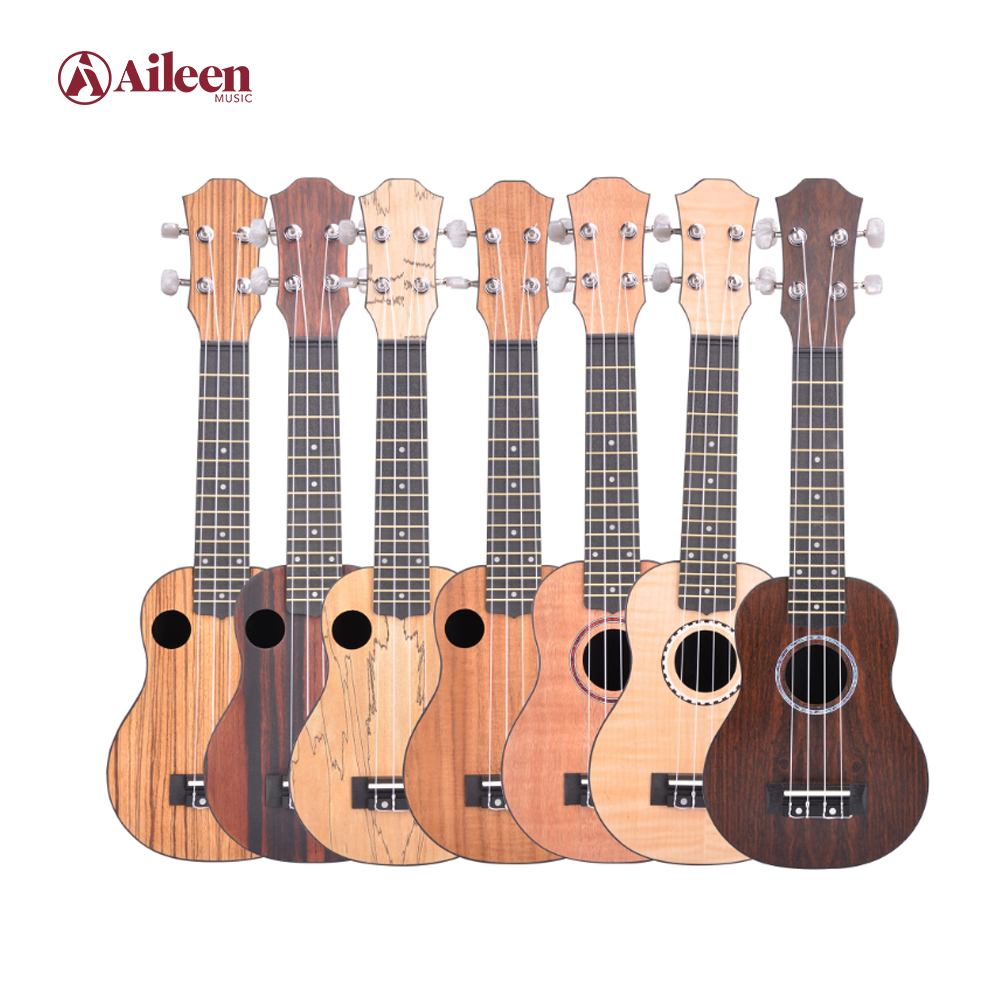
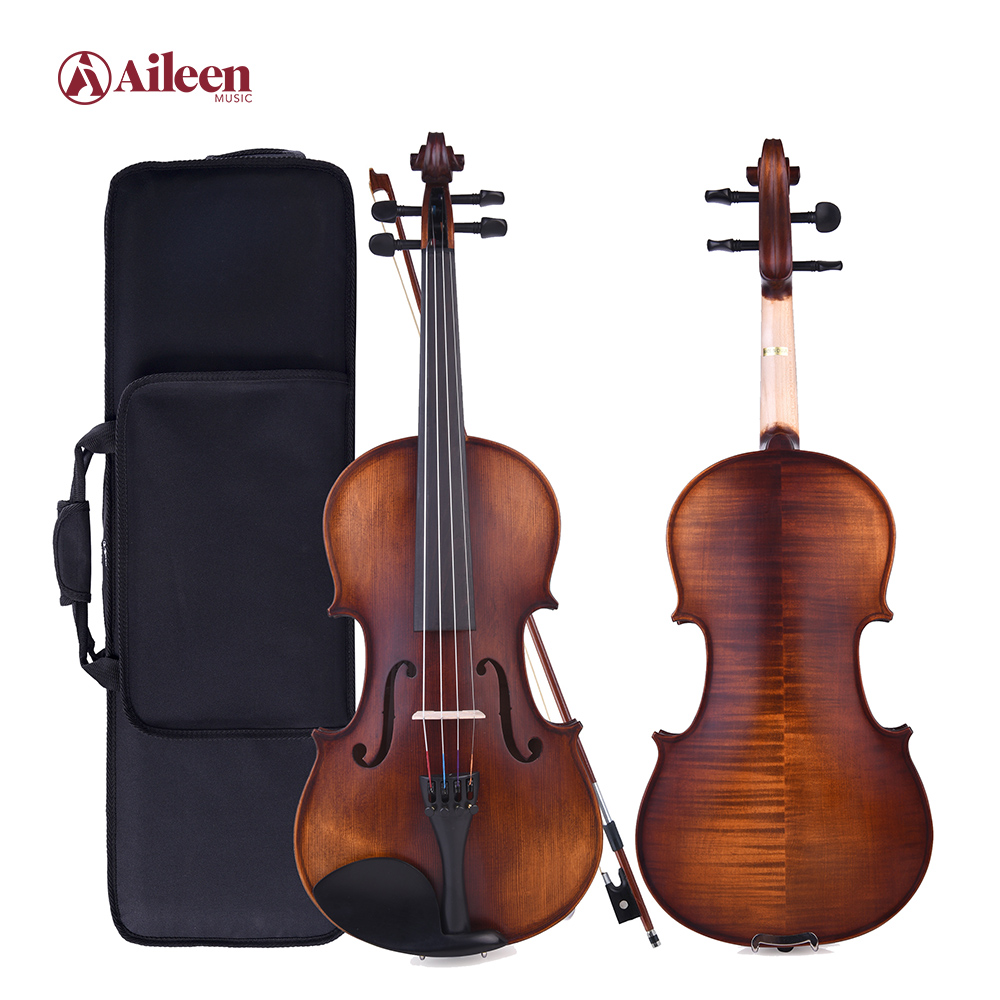
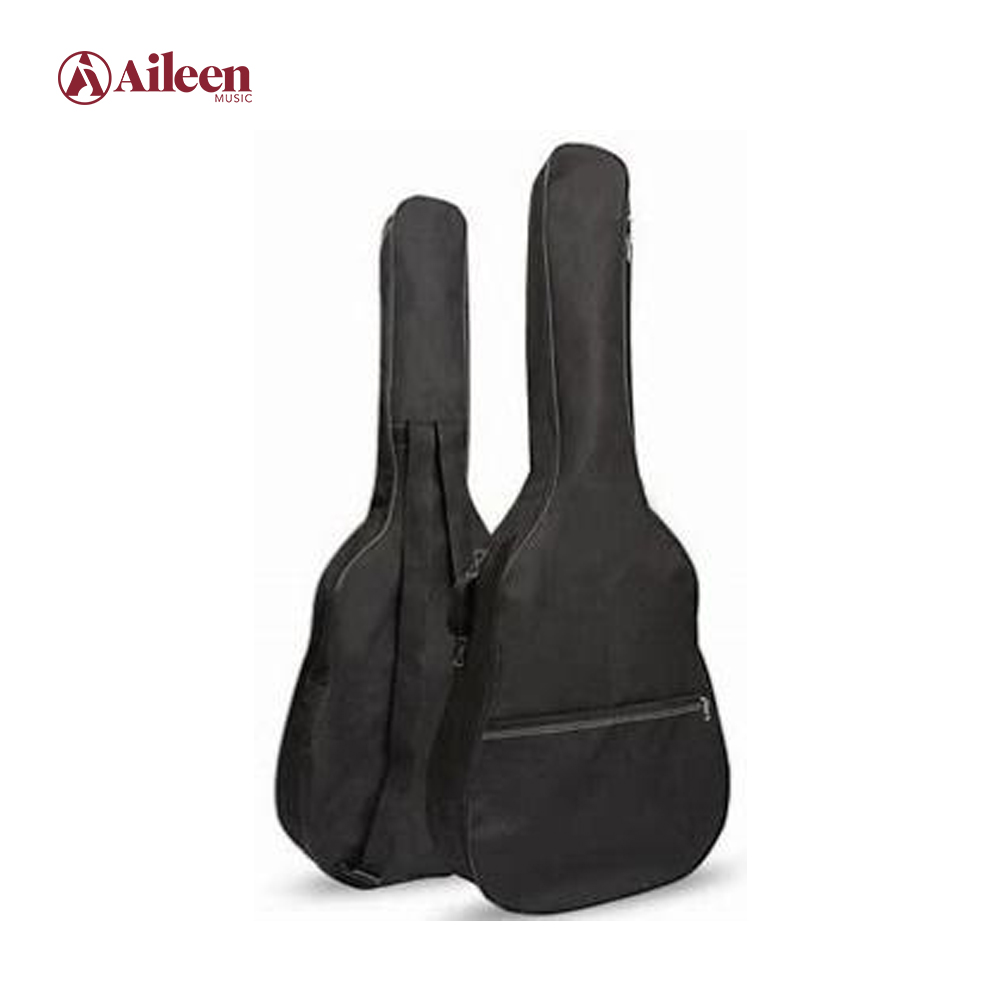
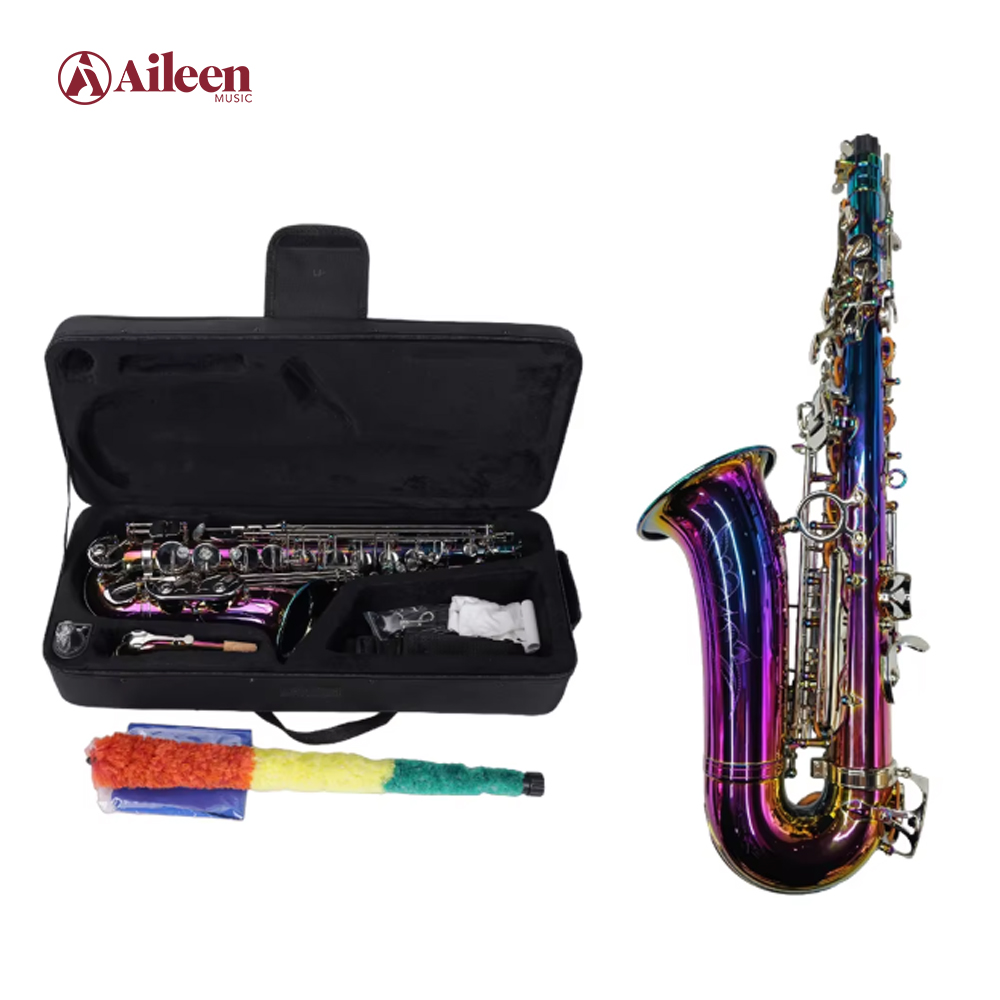
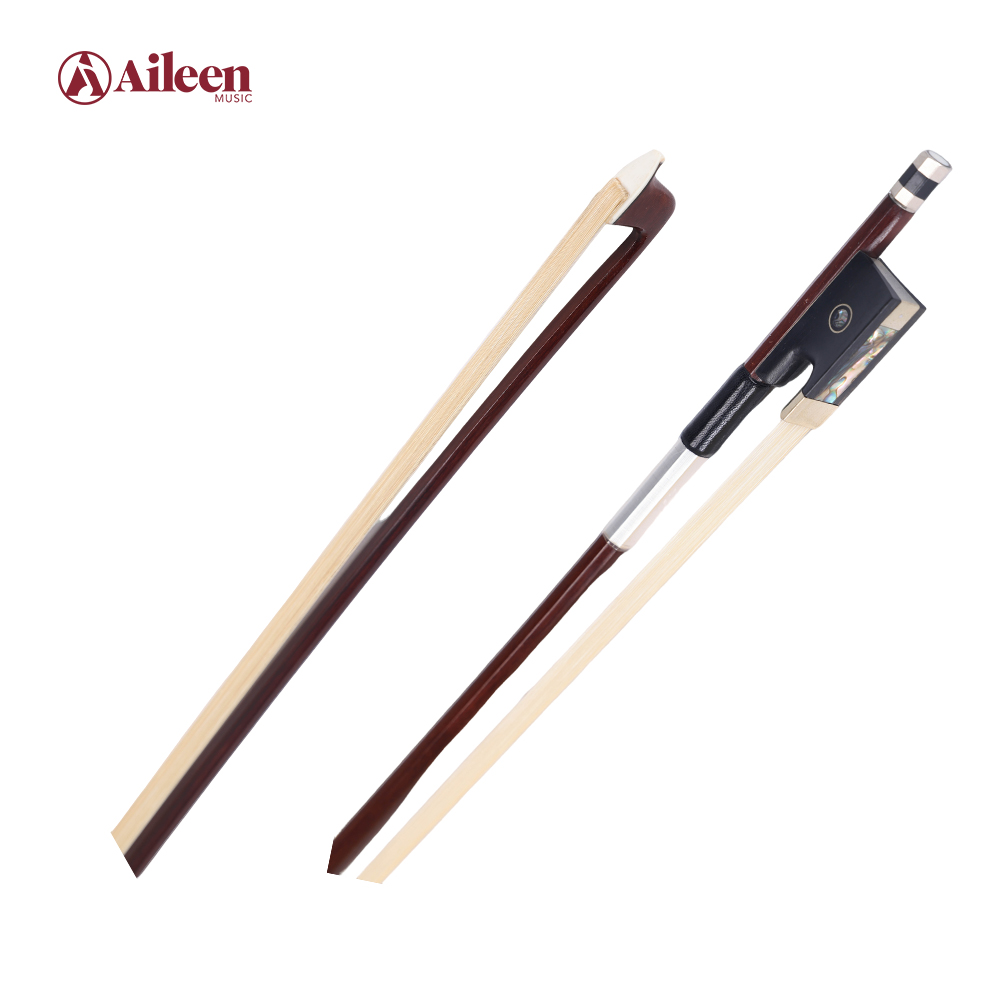
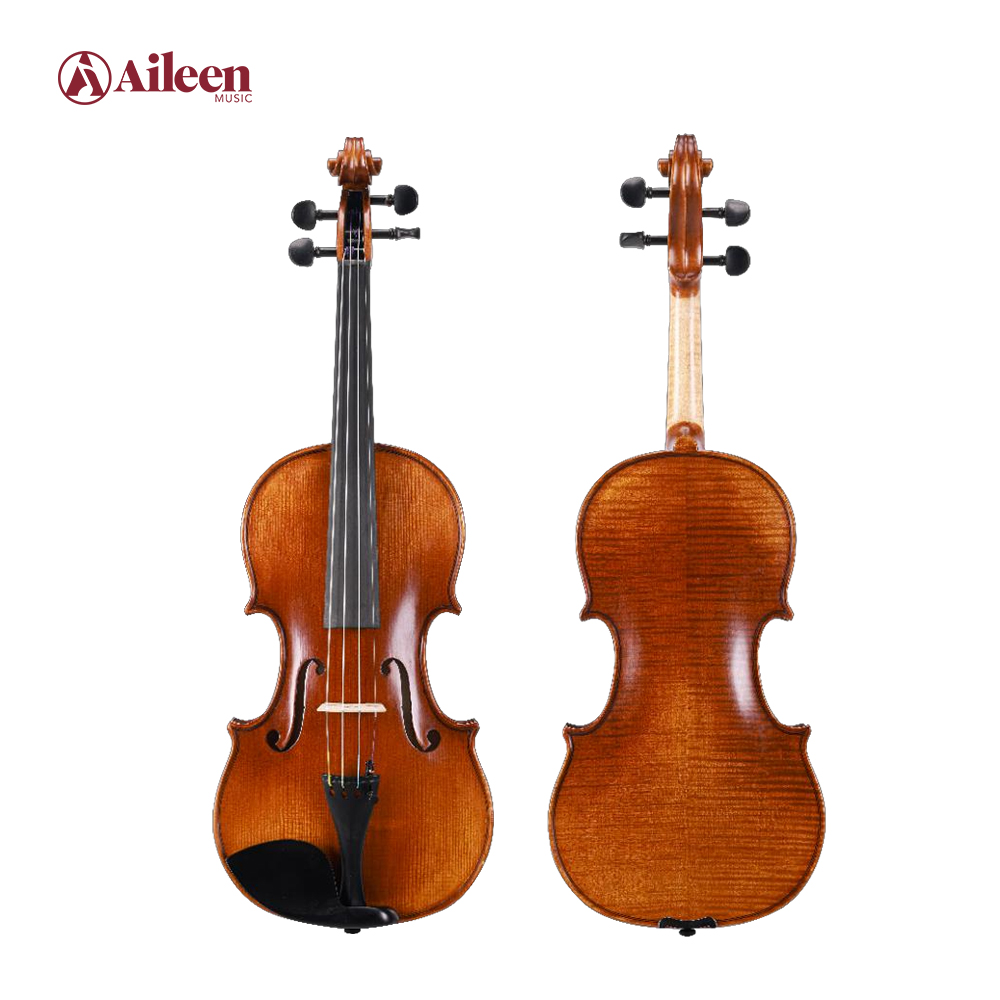
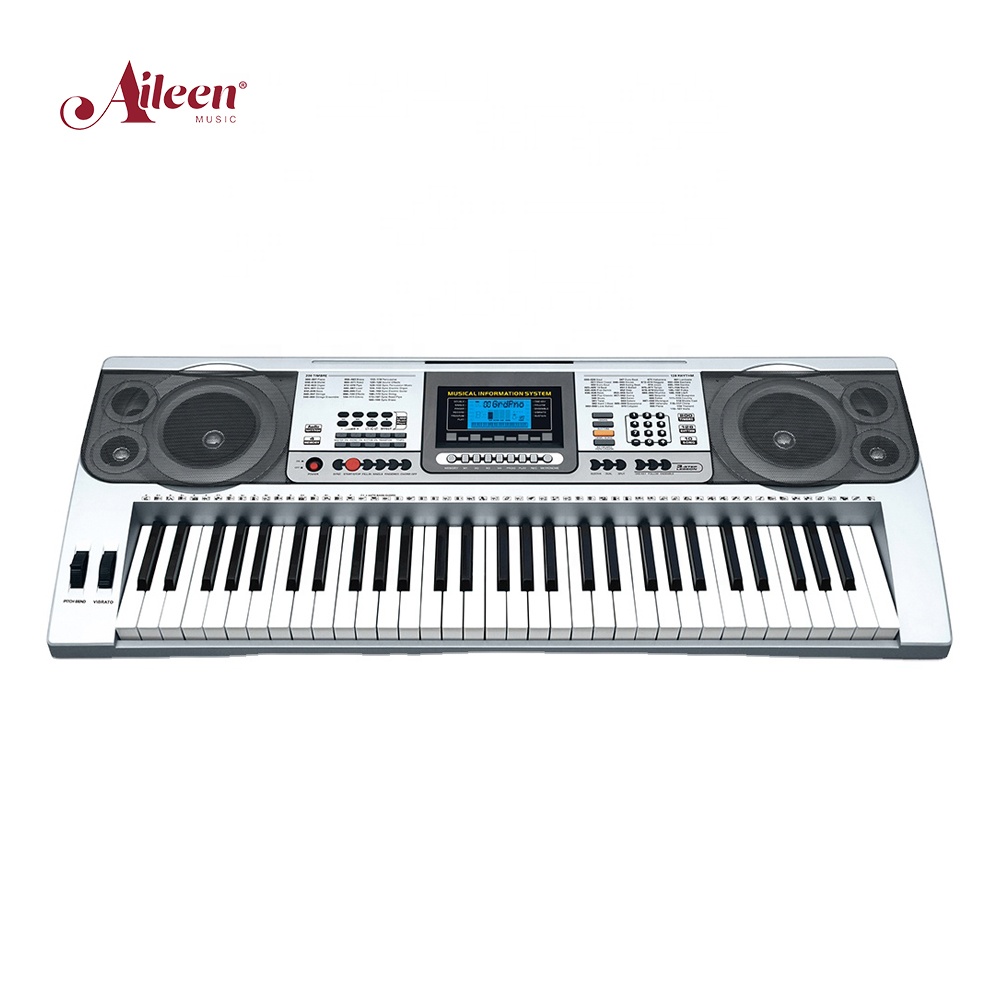
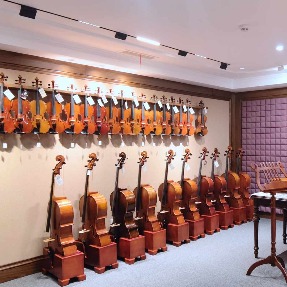
3. Direct Consolidations from Single OEM Hubs: Austrian musical instrument distributors increasingly avoid dealing with fragmented single-component vendors. As evidenced by our comprehensive product catalog—spanning stringed orchestral instruments, gig bags, woodwind brass, and keyboards—distributors can bundle guitar machine head shipments into combined 20ft/40ft containers alongside finished acoustic guitars, violin cases, and saxophones, significantly decreasing landed sea and rail freight costs.
Industrial Track Record
The Chive Music Advantage: 30+ Years of Manufacturing Integrity
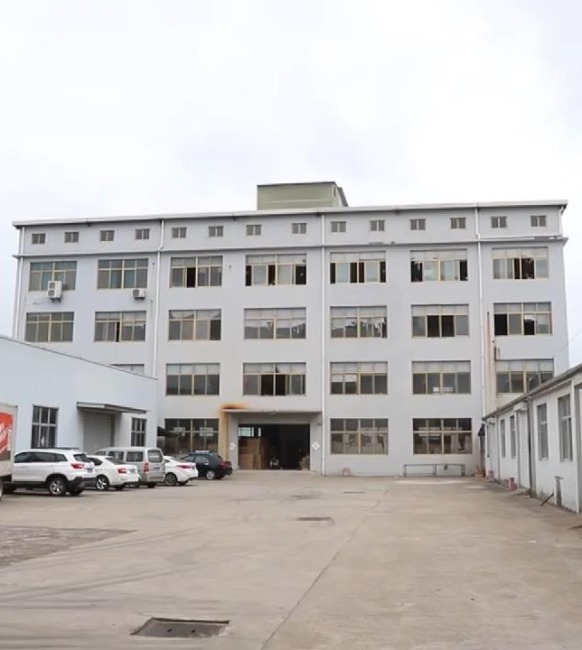
Established in 1993, Chive Music Co., Ltd. (operating in Nanjing, Jiangsu) has expanded from a dedicated instrument workshop into an internationally celebrated musical hardware and instrument manufacturing conglomerate.
We employ 79 full-time technical specialists, master luthiers, and mechanical QA engineers. Our enterprise was ranked No. 195 in the prestigious Music Trades Global 225 (2017), designated an official Famous Export Brand by government authorities, and honored with an AAA Grade Credit Enterprise rating by the China Musical Instrument Association (CMIA).
Our quality management systems are certified to ISO 9001 standards and routinely audited by internationally accredited inspection institutions including Bureau Veritas (BV), SGS, TÜV Rheinland, and Intertek. Furthermore, as a permanent member of NAMM (USA) since 2003 and an active participant in CCPIT since 2005, we maintain long-standing commercial partnerships with distributors in over 100 countries, including high-standing relationships across Germany, Austria, and Switzerland.
Main CNC & Assembly Floor
Precision Tooling & Fitting
R&D Logistics Facility
100% Quality Assurance Line
With 8 proprietary technical patents—including internal vibration-damping mechanisms and the patented AV-D501 electric violin system—our mechanical hardware division leverages computer-aided finite element analysis (FEA) to eliminate mechanical play in worm gear design. Whether your brand requires custom laser engraving, specialized vintage relic plating, or tailored gear ratios, our OEM/ODM design engineering studio fulfills samples within 7 to 14 business days.
Procurement Answers
Frequently Asked Questions: Sourcing Guitar Machine Heads for Vienna & Austria
Detailed logistical, technical, and regulatory clarity for European B2B purchasers and purchasing managers.
What are the minimum order quantities (MOQ) for custom guitar machine heads and bundled accessories?+
For standard factory configurations (e.g. 3L+3R classical guitar lyre plates or 6-in-line modern sealed tuners in chrome, nickel, or gold), our sample order starts at just 5 to 10 sets to facilitate luthier evaluation. For custom OEM branding (custom housing logos, custom gear ratios such as 1:21, bespoke button geometries, or vintage relic aging finishes), our typical production MOQ is 100 to 200 sets. Furthermore, machine heads can be combined with finished guitars, violin sets, or gig bags without triggering punitive single-category minimum order requirements.
How are shipments routed to Vienna, Austria, and what are typical lead times?+
We provide several flexible logistics corridors directly to Vienna and regional Austrian hubs (such as Graz, Linz, and Salzburg):
• Air Freight & Express (Sample & Urgent Restock): 4 to 7 working days directly into Vienna International Airport (VIE - Schwechat) via DHL/FedEx/Air Cargo.
• China-Europe Railway Express (Trans-Eurasia Rail): 18 to 22 transit days arriving via the rail cargo terminals at Budapest or Vienna South (Wien Süd), providing a balanced, eco-efficient cost-to-speed solution.
• Maritime Shipping: 30 to 35 days ocean voyage to Port of Koper (Slovenia) or Hamburg/Rotterdam, followed by direct bonded intermodal rail or road delivery to your Austrian warehouse under DDP or CIF terms.
Do your metal tuners and plating finishes comply with Austrian and European Union chemical directives?+
Yes, 100%. All tuning hardware, baseplates, screws, and bushings exported to the European Union strictly comply with EU RoHS Directive 2011/65/EU and REACH (EC) No 1907/2006 regarding SVHC (Substances of Very High Concern). Crucially for musical instruments held continuously against skin and fingers, our nickel and black nickel finishes pass the stringent EN 1811:2011 reference test method for release of nickel, ensuring non-allergenic, dermatologically safe contact for musicians. Full laboratory test reports from SGS or Intertek are issued upon request.
Can we request custom screw-hole configurations to fit vintage Viennese guitars (Stauffer style)?+
Absolutely. In our precision toolmaking department, we specialize in reverse-engineering vintage headstock specifications. You can supply either an original sample piece, CAD (.dwg/.step) files, or precise digital micrometer measurements. We accommodate custom string post pitch distances (e.g. non-standard 35mm vs standard 39mm spacing on classical plates), side-mount screw locations, and distinctive pearloid or ebony-style button turners to preserve authentic architectural fidelity on Viennese historical replicas.
How do you guarantee quality consistency across large reorders?+
Every production lot undergoes a triple-tier inspection protocol managed under our ISO 9001 quality framework:
1. Raw Material Metallurgy Verification: Spectrometric analysis verifying copper, tin, and zinc ratios for consistent tensile modulus.
2. Automated Mechanical Play Checks: Computerized cycle-testing rigs rotating shafts through 5,000 continuous turns under simulated 15 kg string tension to verify zero gear-slipping or internal binding.
3. Surface Plating Salt Spray Audits: 96-hour continuous neutral salt spray tests ensuring flawless corrosion prevention under acidic human perspiration and fluctuating stage environments. Independent third-party audits by your designated inspection agency are warmly welcomed prior to dispatch.
Can we consolidate machine heads with other musical instruments in a single customs container?+
Yes. One of Chive Music's most valued strengths for European distributors is our consolidated multi-category export capability. Rather than receiving multiple partial shipments with separate import documentation, broker fees, and terminal charges, your organization can combine guitar machine heads, violins, cellos, brass instruments, drum sets, and padded gig bags into a single unified Bill of Lading (B/L) with unified customs clearance paperwork.
Connect Directly with Our OEM Engineering & Export Team
Whether you are an established Austrian distributor updating your catalog, a boutique Viennese master luthier developing a signature guitar series, or a public educational institution tendering replacement hardware—our engineering directors are ready to provide technical CAD files, sample kits, and direct wholesale pricing.