Brass Series

Pre-inspected at the factory with rigorous multi-stage quality control. Explore our core educational series ready for Boston rental houses, conservatories, and district fleets.


A comprehensive B2B analysis for institutional music directors, commercial rental fleet managers, and regional violin shops across Massachusetts and New England.
Greater Boston stands as an undisputed capital of classical music education, home to iconic institutions like the New England Conservatory (NEC), Berklee College of Music, the Boston Symphony Orchestra’s educational arms, and the Boston Youth Symphony Orchestras (BYSO). Surrounding school districts—including Brookline, Newton, Cambridge, Lexington, and Wellesley—consistently support some of the most rigorous public and private string orchestra programs in North America. For musical instrument importers, district purchasing coordinators, and regional rental merchants, procuring student cellos that meet these high pedagogical demands while withstanding the severe climate swings of New England presents a unique operational challenge.
Chive Music Co., Ltd. (operating its premier bowed-string workshops with roots dating back to 1993) has solved this supply chain equation. By combining computerized European-calibrated tonewood drying, precision lutherie, and strict adherence to the American String Teachers Association (ASTA) specifications, our manufacturing facility delivers institutional-grade student cellos directly to the Boston market with unparalleled structural stability and fiscal efficiency.
Controlled natural aging and low-moisture vacuum-kiln stabilization ensure tops and ribs do not crack under Boston's dry, steam-heated winter classrooms.
Every fingerboard scoop, string action height, and bridge curvature is planed to exact millimeter specifications, eliminating setup bottlenecks upon US arrival.
Optimized maritime consolidation direct to the Port of Boston (Conley Terminal) or expedited sea-air freight through Logan International Airport (BOS).
The atmospheric conditions of New England represent one of the most hostile environments in the world for carved wooden stringed instruments. Boston experiences extreme relative humidity (RH) shifts: from coastal summer highs surpassing 75% to punishing winter lows below 20% caused by legacy steam-radiator and forced-hot-air heating systems inside public school orchestra rooms. In poorly cured instruments, this abrupt desiccation leads to wood contraction, seam separations, collapsed soundposts, and fatal cracks along the bass bar or soundpost area.
At our Nanjing manufacturing facility, tonewood handling departs completely from standard commercial practice. Tonewood billets—sourced from high-altitude Sichuan spruce and Manchurian hard maple—undergo a mandatory 5- to 7-year ambient seasoning cycle, followed by computer-regulated vacuum-drying chambers that bring Equilibrium Moisture Content (EMC) precisely down to 8%–10%. This state mimics the dry winter atmosphere of New England homes and classrooms. When an instrument built under these parameters is introduced to the Boston climate, it retains structural elasticity, preventing saddle cracks and rib distortion.
The acoustic output of a student cello must balance immediate playability with resonant warmth. A beginner cellist possesses neither the bow control nor the finger strength of a professional; an instrument with an overly thick top plate will sound muted and resist tone production, while an excessively thin plate lacks durability and quickly warps under string tension (exceeding 70 lbs of downward force on the bridge).
Chive Music strikes this balance through calibrated CNC rough-carving followed by master luthier hand graduation. Top plates of resonant spruce are thickness-mapped from 4.8 mm along the center joint tapering down to 3.2 mm around the upper and lower bouts. Rib thickness is held at an unwavering 1.5 mm, supported by sturdy corner blocks and solid willow linings. This structural architecture produces an open, responsive lower register on the C and G strings with crisp articulation across the upper A and D strings, allowing young musicians in the Boston Youth Symphony or public school ensembles to achieve clear projection without forcing the bow.
Every cello exported from our workshops arrives in Massachusetts ready for immediate classroom assignment. Music store repair departments often lose their wholesale profit margin when instruments require extensive bridge carving, nut re-slotting, and peg re-reaming before rental release. Below is our factory specification standard compared against generic industry baselines:
| Component Specification | Chive Music Boston-Grade Cello | Generic Chinese Wholesale Cello | Institutional Advantage |
|---|---|---|---|
| Fingerboard Material | 100% Solid African Ebony (Diospyros crassiflora) | Dyed Hardwood / Ebonized Birch | Resists string groove wear; allows multiple resurfacings across decades of rental use. |
| Nut & Bridge String Action | Nut: 0.8mm (A) / 1.0mm (C) Bridge end: 5.5mm (A) / 8.5mm (C) |
Arbitrary / High action (>10mm) | Prevents finger fatigue and tendon strain for elementary and middle school students. |
| Peg Fitting Tolerance | 30:1 Taper Reamed, Hand-Chalked & Lubricated | Loose, unlubricated mass-fit | Smooth turning without sudden slipping during Boston's winter humidity drops. |
| Tailpiece Architecture | Ultra-light Composite with 4 Integrated Fine Tuners | Heavy stamped zinc alloy with bulky screw-in tuners | Preserves acoustic resonance; facilitates precise student micro-tuning without bridge distortion. |
| Endpin Assembly | Solid Hardwood Plug with 10mm Hardened Steel Rod & Brass Collar | Hollow aluminum rod with plastic thumb screw | Withstands daily drops and stage slippage on hardwood gymnasium floors. |
Institutional demand in Eastern Massachusetts is diverse, spanning various educational and commercial models:
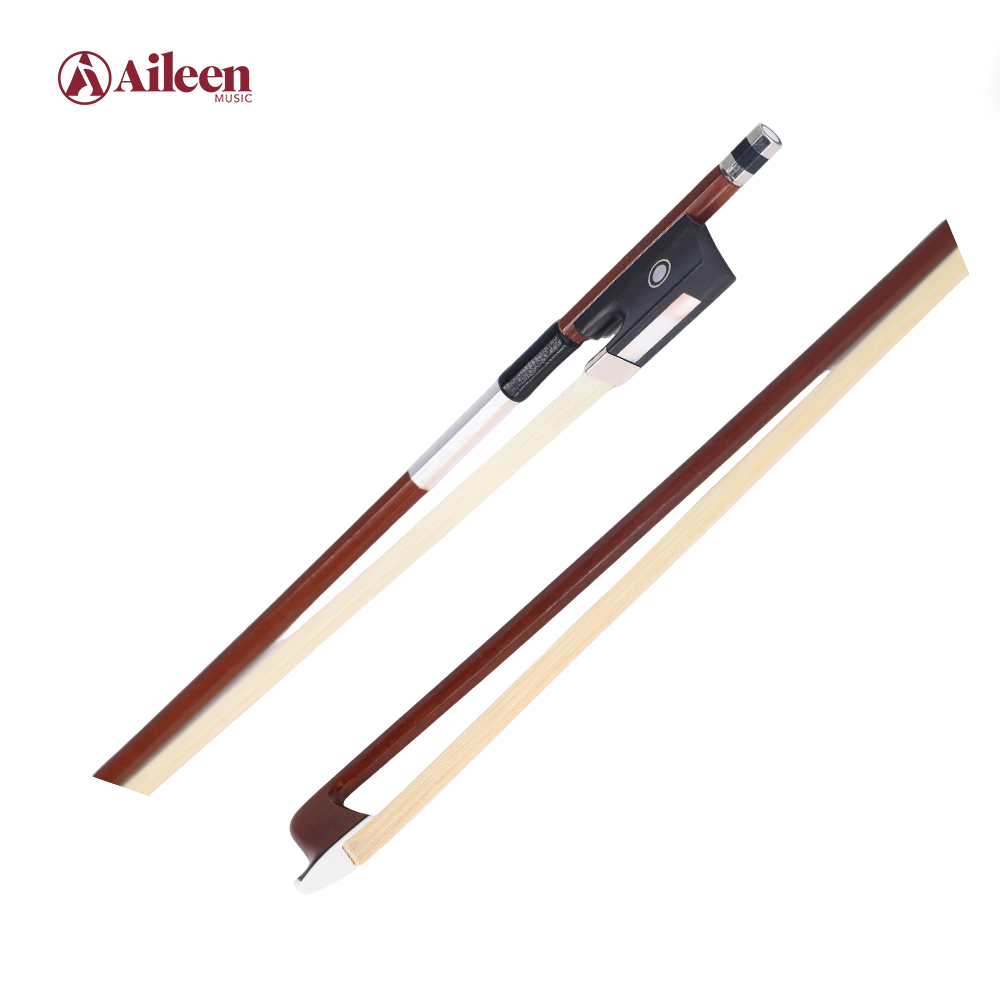
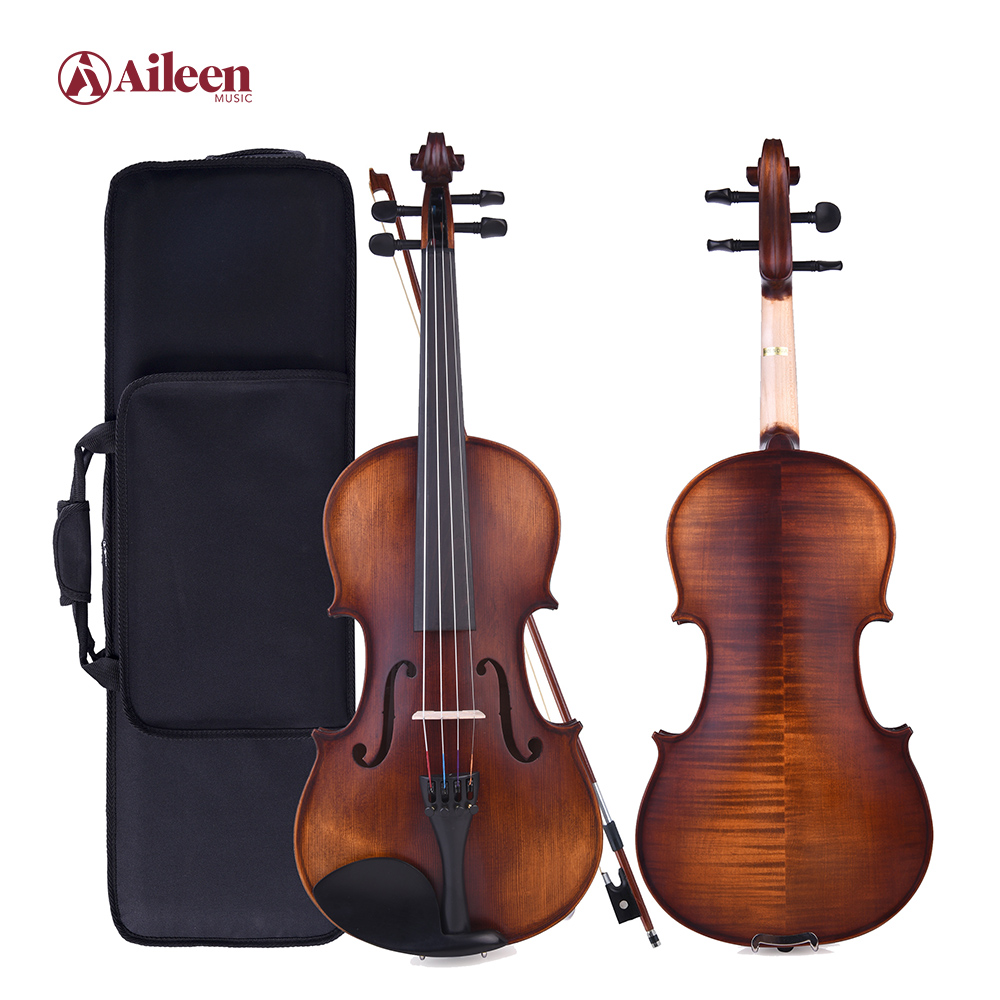
Urban public school programs manage large student fleets operating under strict municipal budgets. Instruments are rotated among multiple students per day and transported on public transit or school buses. For this segment, our Hybrid Student Outfits (carved spruce top paired with rugged laminated maple ribs and back) offer maximum resistance to physical impact while maintaining authentic acoustic timbre. Packaged with heavy-duty 20mm padded ballistic nylon bags and resilient octagonal brazilwood or carbon-fiber bows, these outfits reduce annual district fleet repair budgets by up to 40%.
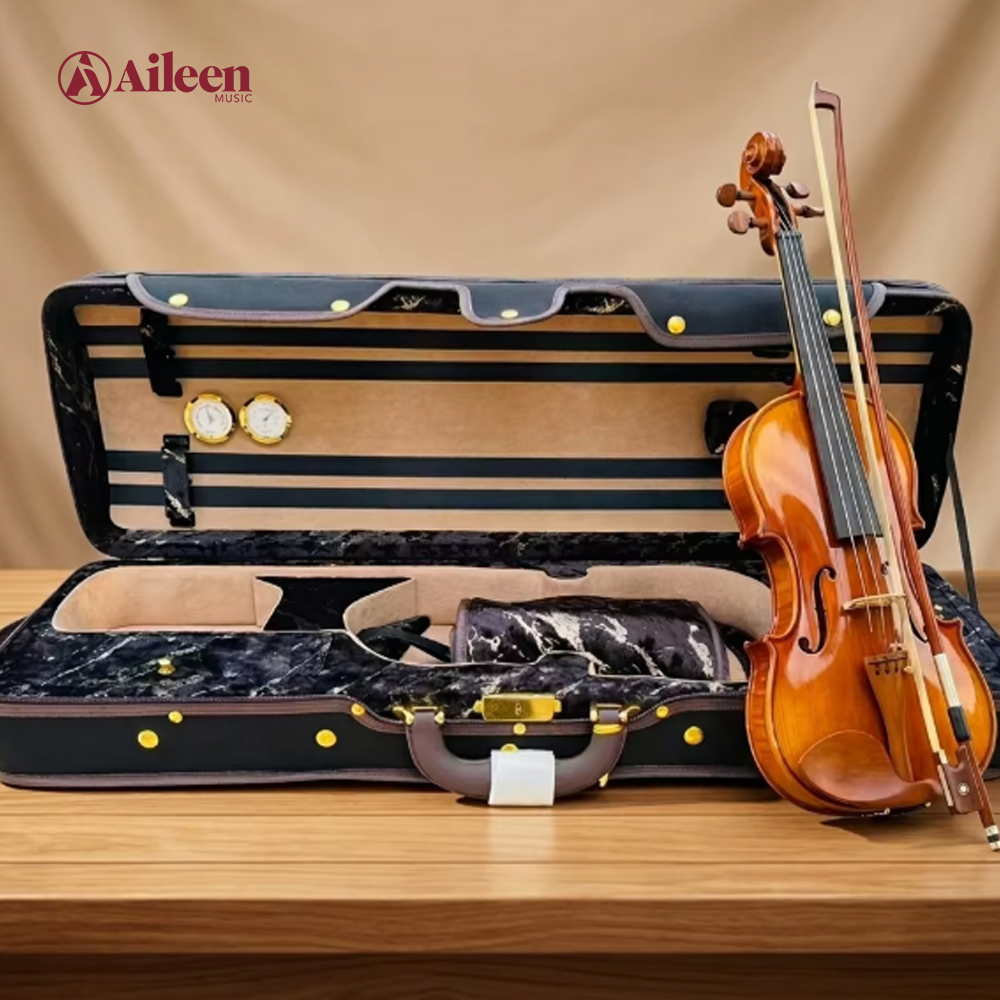
In affluent suburban districts, parents expect student rental instruments to feature aesthetic craftsmanship, including flamed maple backs, hand-rubbed oil varnishes, and genuine ebony appointments. Our Concert Intermediate Series caters to this market, providing advancing middle and high school students with instruments that support vibrato development, higher position shifting, and chamber ensemble work. Music merchants operating rent-to-own programs benefit from lower instrument returns and higher contract conversion rates.
Preparatory divisions at institutions such as the New England Conservatory require authentic setup parameters and complex harmonic overtones. Our master-line cellos feature European-sourced bridges (Aubert or Despiau), D'Addario Helicore or Larsen Aurora string sets, and precision soundpost placement, satisfying private instructors and audition panels throughout the Northeast.
Procuring student cellos from an integrated factory partner fundamentally transforms dealer unit economics compared to sourcing through domestic US intermediaries. Domestic master distributors mark up imported stringed instruments by 60% to 110% to cover their own overhead, warehousing, and sales networks. By establishing a factory-direct OEM account with Chive Music, Boston musical instrument dealers capture these margins directly.
Consider a standard fleet batch of 50 student cellos (4/4, 3/4, and 1/2 fractional mix):
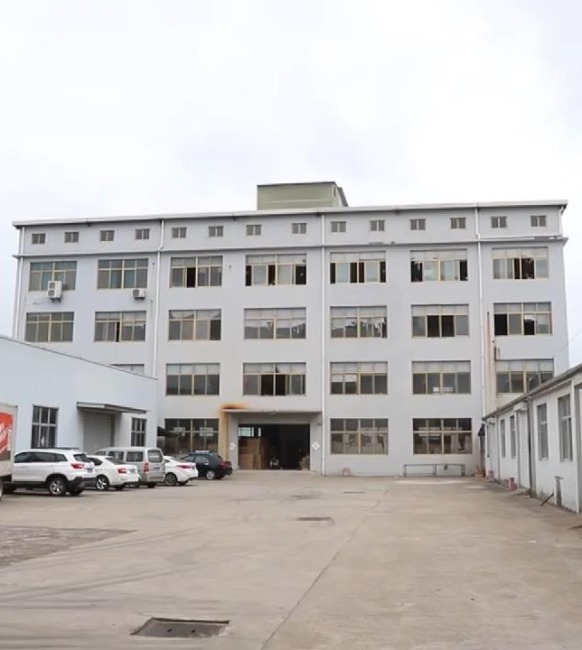
Founded in 1993, Chive Music Co., Ltd. (Aileen Music legacy) has grown from a specialized artisan workshop in Nanjing, Jiangsu, into a globally recognized musical instrument manufacturer. Ranked No. 195 in the prestigious Music Trades Global 225 and honored by the Chinese government as a leading stringed instrument exporter, we operate modern facilities spanning woodworking, CNC carving, finishing, and acoustic setup.
We are a permanent member of NAMM (since 2003) and maintain rigorous ISO 9001 quality management standards audited on-site by international inspection bodies including Bureau Veritas (BV), SGS, and TÜV. When Boston importers partner with us, they gain a stable supply chain backed by 8 patents, 5 registered trademarks (including Winzz and Lexington), and a team of 79 dedicated craftsmen and technical specialists.

For independent violin shops on Massachusetts Avenue or regional retail chains across Massachusetts, building long-term store equity requires private labeling. Chive Music provides comprehensive OEM/ODM engineering:
As string education programs evolve across New England, several major trends are shaping procurement decisions:
CITES Compliance & Sustainability: Environmental regulations regarding exotic hardwoods have prompted schools to seek ethically sourced materials. Chive Music uses sustainably harvested tonewoods with full documentation, ensuring smooth customs processing at US ports of entry without regulatory delays.
Fractional Cello Scaling: Elementary school string initiatives (such as Suzuki programs) in Brookline and Cambridge require proportional consistency across 1/10, 1/8, 1/4, 1/2, 3/4, and 4/4 sizes. Our CNC-tooled neck profiles ensure young musicians transition between fractional sizes with consistent finger placement and thumb positioning.
Hybrid Outfits for Fleet Longevity: School districts are increasingly adopting hybrid models featuring solid carved spruce tops paired with laminated backs and sides. This construction preserves the warm acoustic resonance of spruce while providing the physical durability needed for high-traffic student use.
Production for standard OEM orders typically takes 30 to 45 days. Ocean freight shipments depart directly from Shanghai or Ningbo to the Port of Boston (Conley Terminal) via the Panama Canal, taking approximately 32 to 38 days. For urgent back-to-school rental peaks, expedited air-freight consolidation into Boston Logan International Airport (BOS) is available within 5 to 7 transit days.
All tonewood billets undergo natural drying for 5+ years followed by vacuum kiln conditioning to establish an 8%–10% Equilibrium Moisture Content (EMC). This aligns the instrument with the indoor dry-radiator conditions of Massachusetts schools. Additionally, our tops feature internal cleating along stress zones, and seams are joined with reversible, climate-adaptive hide glue.
Yes. As a comprehensive musical instrument manufacturer, we allow multi-category container consolidation. You can combine 4/4 to 1/8 student cellos with violins, violas, brass instruments, woodwinds, and orchestral cases in a single order, significantly lowering freight costs per unit.
For custom private labeling, our minimum order quantity starts at just 10 outfits across mixed sizes (e.g., 4/4, 3/4, and 1/2). We can apply your proprietary label artwork, branded shipping cartons, and embroidered gig-bags to support your local brand identity.
We provide two shipping configurations: 1) Fully set up with bridge standing, soundpost placed, and strings tuned to low tension within suspension packaging; or 2) Knocked-down setup with bridge and post safely packaged beside the instrument to maximize shipping density in full ocean containers.
Chive Music operates under an audited ISO 9001 Quality Management System. Our facilities undergo regular on-site inspections by Bureau Veritas (BV), SGS, and TÜV. Importers can also appoint their own independent inspection agencies prior to container sealing.
Partner directly with China's leading musical instrument manufacturer. Request wholesale pricing schedules, sample evaluations, and complete factory audit documentation today.
Get Catalog