Specialized OEM Products & Factory Selections for Pacific Importers
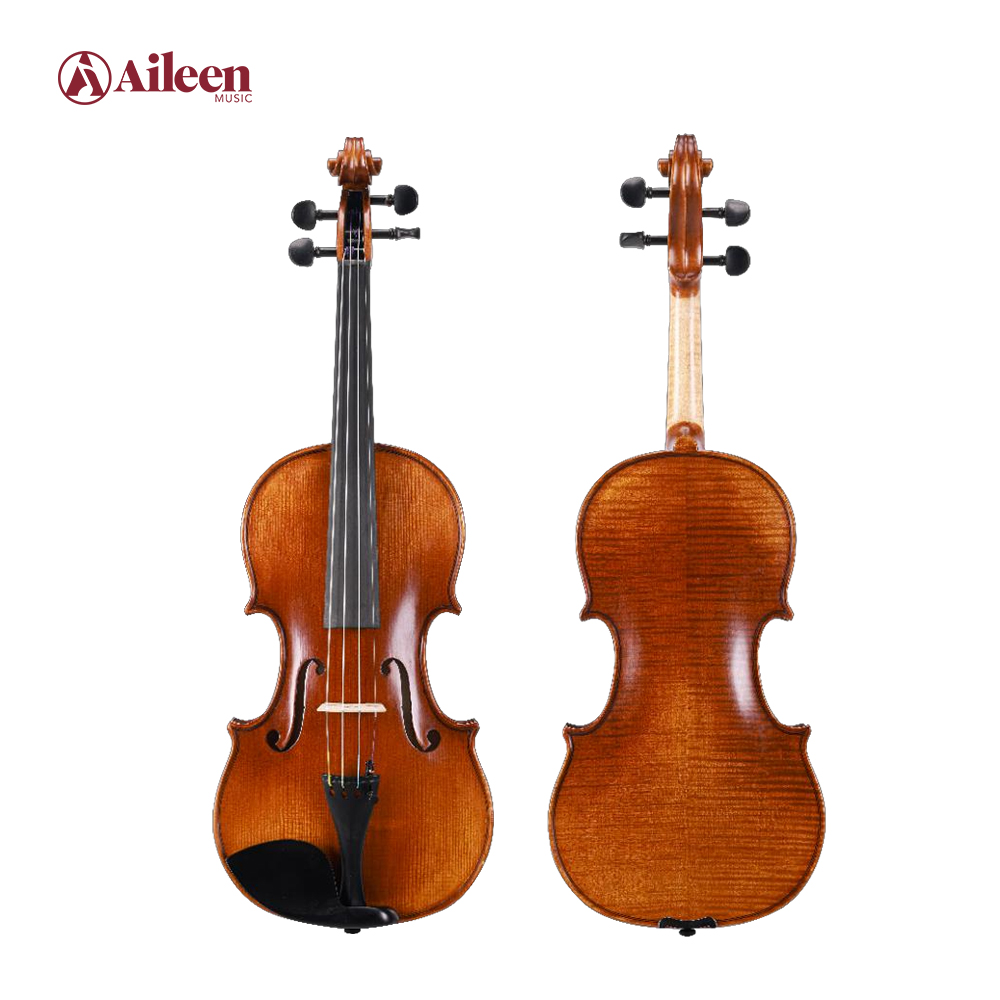
VH620 Mastery Series Spirit & Oil Mixed Varnish Violin with Despiau Bridge
View Details
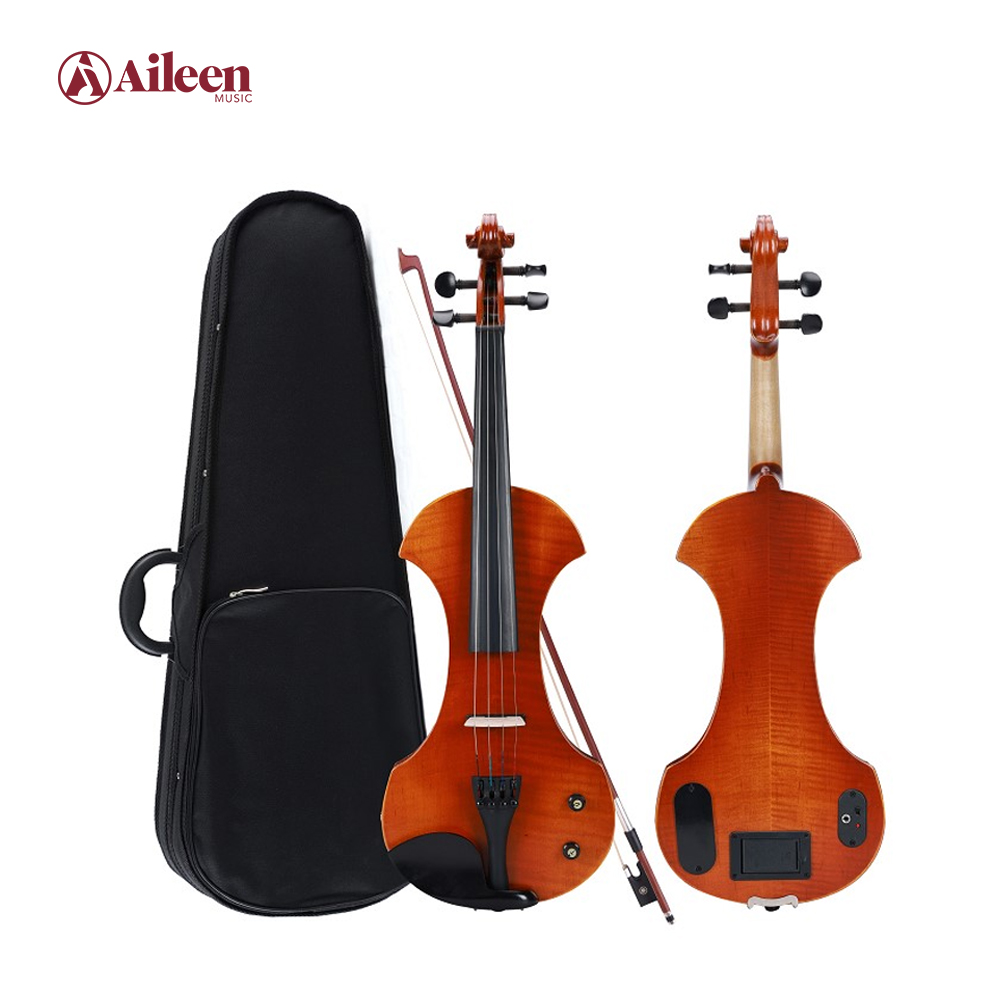
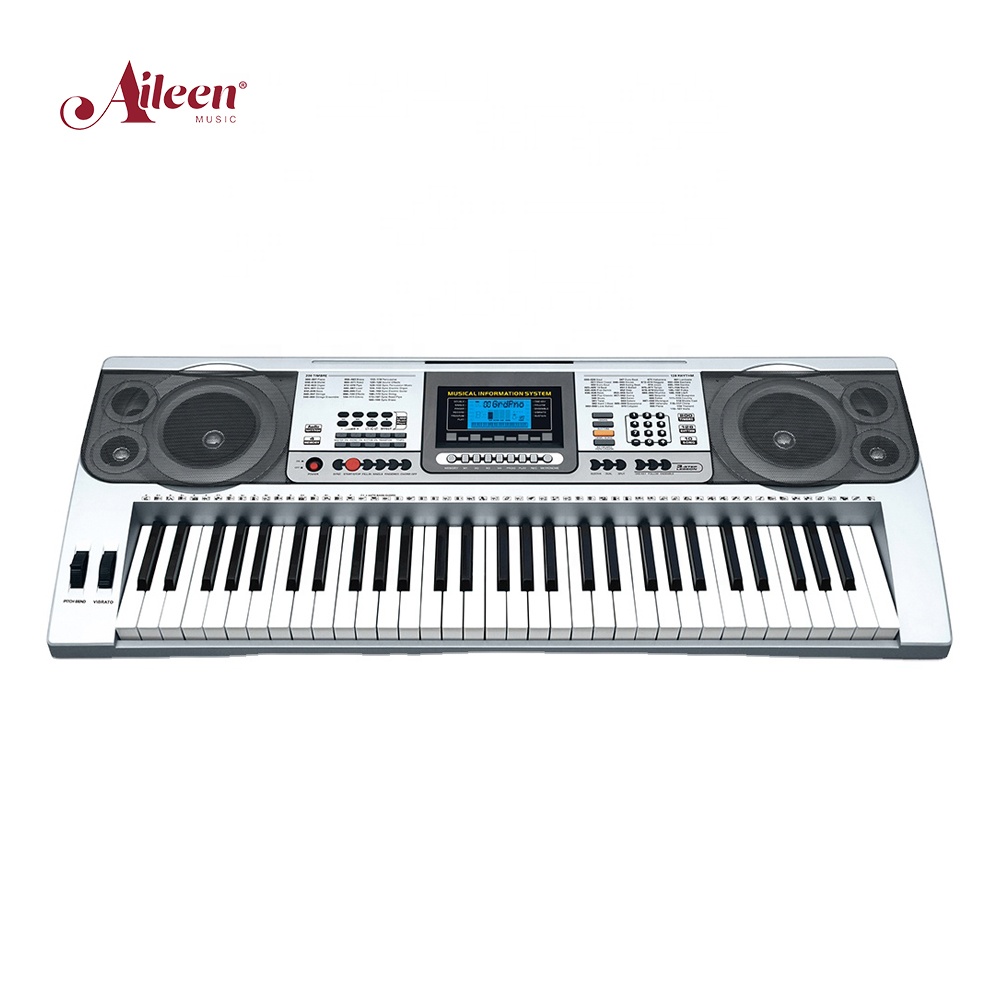
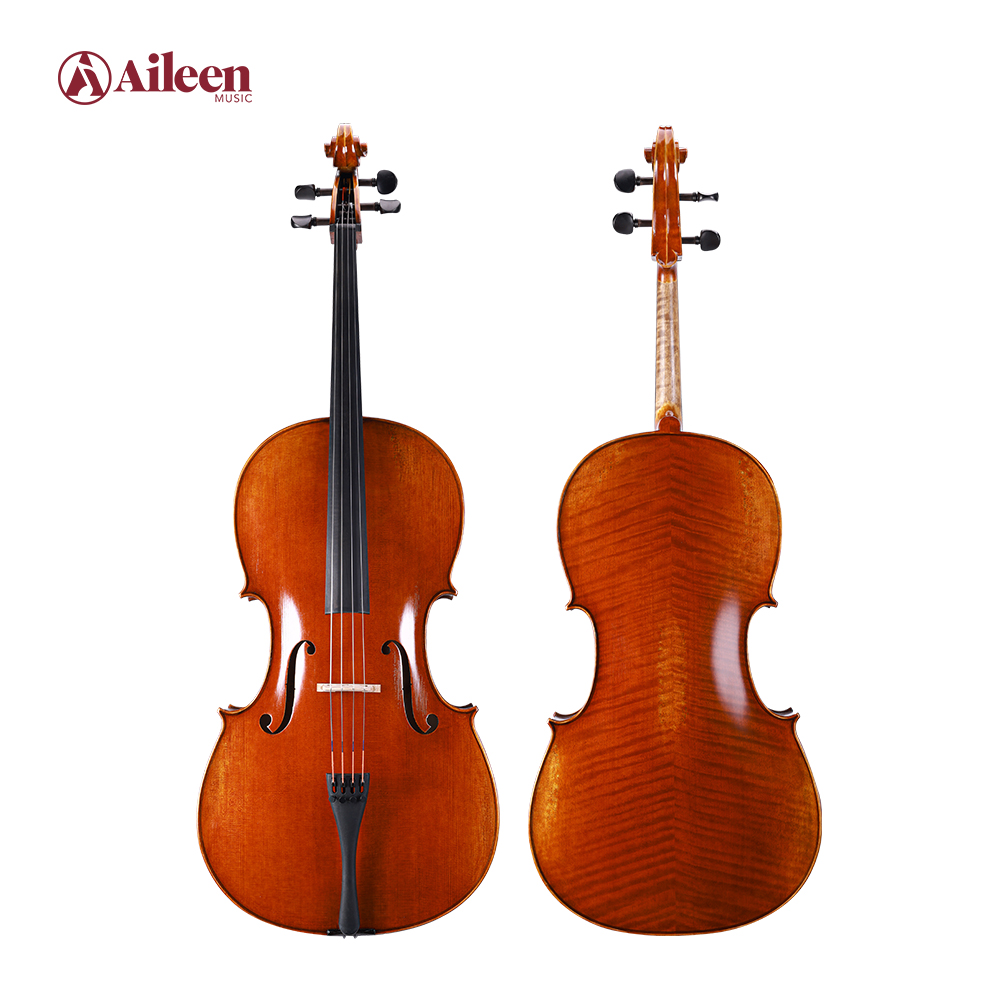
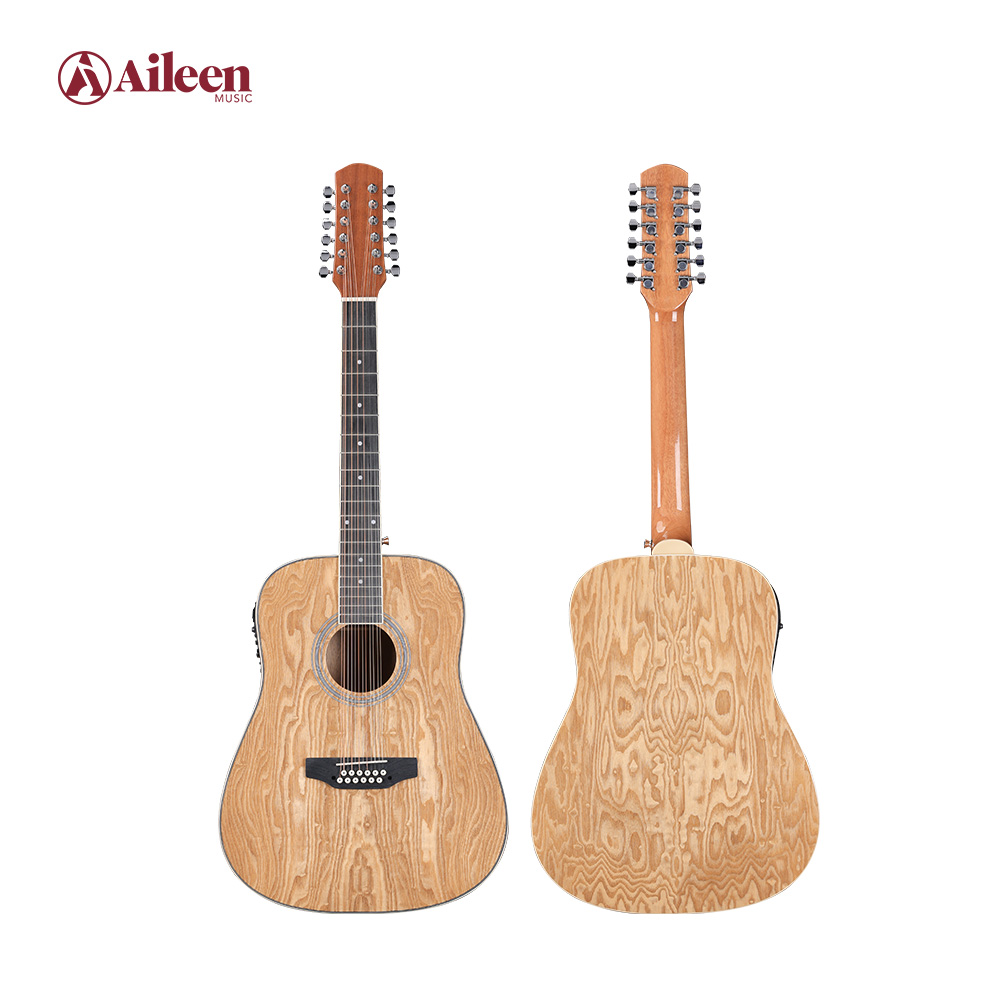
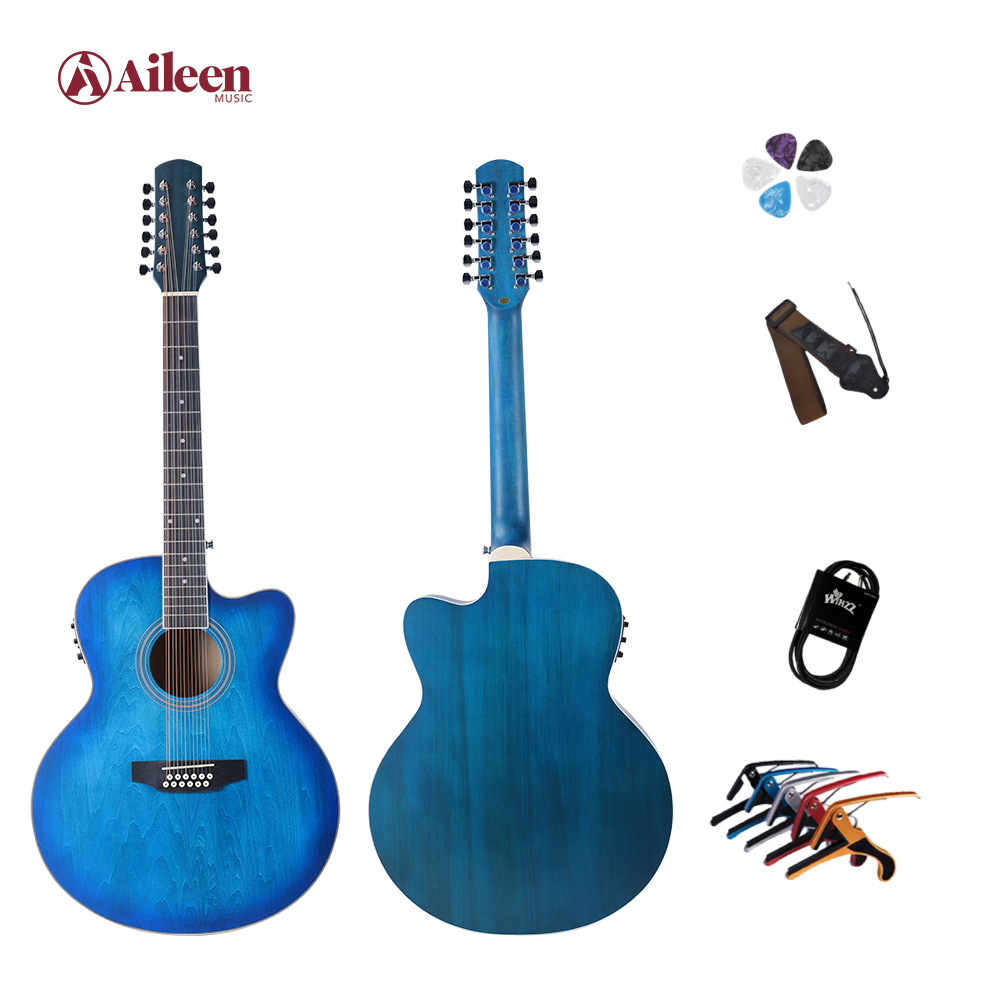
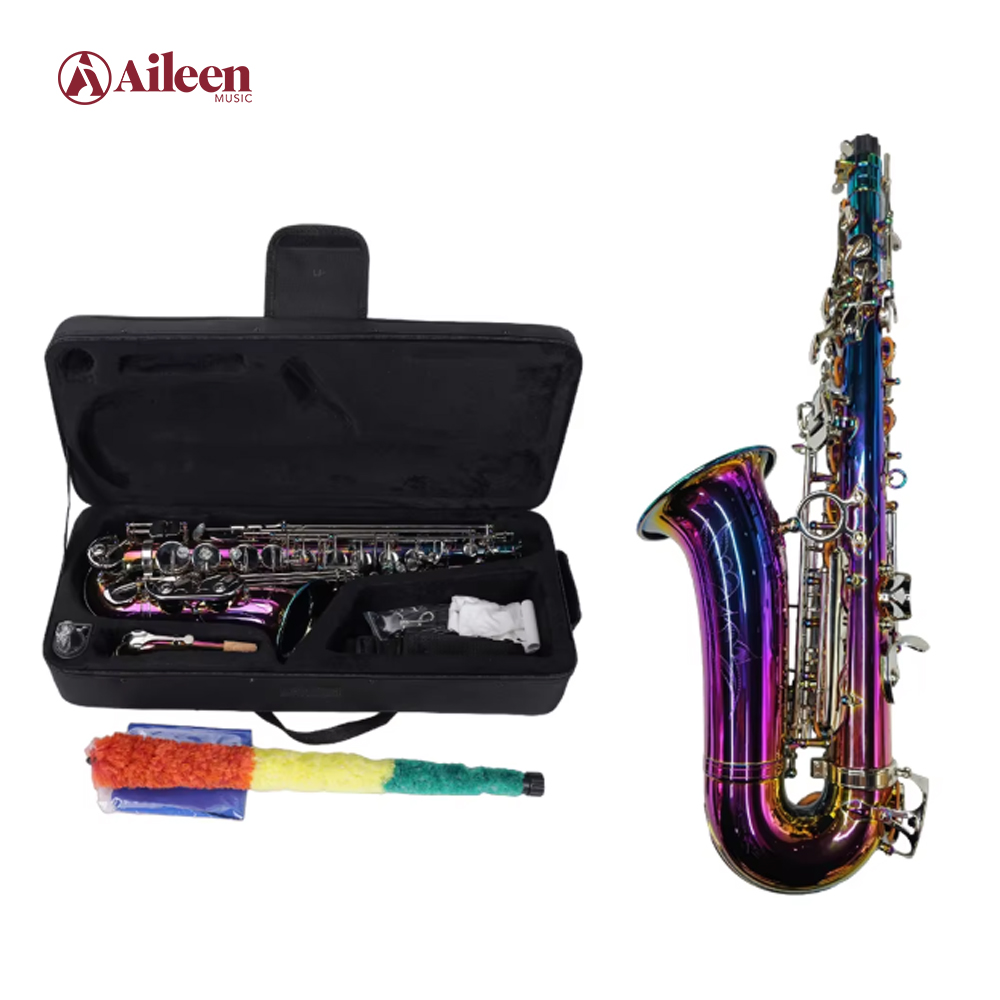
Wholesale Professional Eb Brass Gold Lacquer Alto Saxophone (ASP-G1003X)
View DetailsEngineering Classical Guitar Strings for Koror's Maritime Tropical Microclimate
Koror, the commercial epicenter of the Republic of Palau, presents an intense testing ground for classical stringed instruments and fretted accessories. With an average relative humidity hovering between 80% and 88% alongside hyper-saline trade winds characteristic of the Caroline Islands, standard nylon strings and conventional silver-plated wound alloys undergo accelerated mechanical fatigue, rapid tonal decay, and galvanic corrosion. For music vendors, dive resort lounge performers, and cultural institutions across Koror and Babeldaob, premature string failure not only damages performance acoustics but escalates operational costs for music programs operating thousands of miles away from primary manufacturing centers.
As a verified Chinese export manufacturer established in 1993, Chive Music Co., Ltd. resolves the specific environmental dilemmas faced by Koror's musical ecosystem through custom OEM nylon formulating and multi-filament composite core winding. Traditional nylon treble strings (E1, B2, G3) derived from unchecked bulk extrusions readily absorb ambient airborne humidity, inducing molecular softening and inconsistent vibrational elasticity within hours of installation. Our custom export strings utilize molecularly purified high-density polyvinylidene fluoride (fluorocarbon) and modified rectified crystal nylon, significantly reducing water absorption to near-zero percentages and ensuring absolute intonational precision despite tropical rain squalls.
For the bass register (D4, A5, E6), standard strings employ silver-plated copper wire wound over traditional nylon floss. When exposed to Koror's persistent atmospheric salt-mist, the microscopic electroplated silver layer quickly pits, causing localized copper oxidation (green verdigris formation) and dull, muffled thuds instead of resonant low-frequency sustain. We implement specialized micro-polymer coating chemistry and marine-grade anti-corrosive alloy winding technologies—such as phosphor bronze and proprietary silver-tin-nickel barriers. This guarantees that whether deployed in open-air resort cabanas in Malakal, cultural workshops in Meyuns, or student classrooms, the strings preserve crisp harmonic articulation and tactile comfort month after month.
Emerging Market Trends: Musical Sourcing Dynamics Across Palau & Micronesia
The musical instruments and accessories distribution landscape in Koror has witnessed a profound transformation over recent seasons. Three prominent macro-trends dictate how retailers, school boards, and cultural tourism operators manage their inventory procurement:
1. Escalation of Eco-Resort Acoustic Entertainment: With Palau leading global marine conservation and high-value sustainable eco-tourism, five-star hospitality providers across Koror and surrounding lagoons are shifting from artificial playback systems toward natural acoustic music. Classical and nylon-string Spanish-style guitars are preferred for intimate outdoor dining and waterfront settings because of their soothing natural projection. Resort directors demand instruments and string formulations capable of withstanding constant exposure to salty lagoon moisture without tarnishing or requiring daily restringing cycles.
2. Consolidation of Multi-Category Shipments: High ocean freight tariffs and intermittent feeder vessel arrivals into the Port of Koror render single-category procurement economically unviable for local businesses. Store managers can no longer afford to import guitars from one supplier, orchestral strings from another, and keyboards from a third party. Importers actively seek comprehensive manufacturers who can consolidate professional acoustic guitars, OEM string sets, brasswind, student violins, and electronic instruments into one single LCL/FCL container, directly decreasing customs brokerage overhead and port clearance expenditures.
3. Rise of School Band and Youth Arts Initiatives: Civic investments into music education programs throughout Palauan elementary and high schools have accelerated demand for durable, student-grade classical nylon fretted instruments. Educational coordinators prioritize stable tuning mechanics and high-tension strings that forgive imperfect finger placement while maintaining stability across fluctuating indoor humidity levels without conditioned climate control.
Why Global Distributors & Pacific Buyers Choose Chive Music
Over 30 Years Proven Pedigree
Operating continuously since 1993, Chive Music Co., Ltd. has progressed from a boutique strings workshop to a premier export enterprise, ranked No. 195 in the prestigious Music Trades Global 225 ranking (2017) and honored as an AAA Grade Credit Enterprise.
Direct NAMM & CCPIT Credibility
A permanent member of the NAMM Show (USA) since 2003 and CCPIT member since 2005. Our global footprint gives our OEM clients supreme assurance regarding intellectual property, contract execution, and international shipping conformity.
Proprietary R&D & Patented Designs
Holding 8 utility patents and 5 registered proprietary trademarks (including Winzz, Lexington, and Chive), our factory continually develops advanced materials like onboard effects circuits and climate-resistant composite core instruments.
Certified ISO 9001 Quality System
Subject to verified Bureau Veritas, SGS, and TÜV plant audits since 2012. Our 79-member Nanjing manufacturing team oversees a strict 13-stage manufacturing process from wood drying and winding to computerized tension calibration.
Consolidated Multi-Category Shipments
Avoid fragmented freight costs. Koror businesses can consolidate classical strings, handcrafted violins, brasswinds, electric guitars, drumsets, and electronic keyboards into single ocean shipments with professional export crating.
Full Turnkey OEM / ODM Customization
From private labeling of anti-humidity foil packages and customized gauge selections to bespoke color silkscreening and tension adjustments, our engineering team handles custom tooling with exceptionally low entry MOQs starting at 1-10 pieces.
Koror Procurement & Sourcing FAQ: Classical Guitar Strings & Instruments
Q How do you prevent classical guitar strings from corroding during sea transit to Koror?
All Chive Music OEM classical guitar string sets intended for the Pacific region are sealed inside multi-layer aluminum-barrier airtight foil packaging flushed with dry inert gas. This keeps relative humidity inside the package below 10%, effectively neutralizing oxidation during extended sea voyages and storage in tropical Koror warehouses.
Q What string tensions and core materials do you recommend for island environments?
We recommend our High-Tension or Extra-Hard Tension configurations paired with high-molecular carbon trebles and corrosion-resistant phosphor bronze or micro-coated silver wound basses. High-tension strings maintain optimal action and crisp snap when island temperatures fluctuate between midday outdoor heat and air-conditioned evening spaces.
Q Can we combine classical guitar strings with guitars, violins, and keyboards in one order?
Yes, absolutely. One of our greatest competitive edges for Koror retailers is order consolidation. You can combine cartons of custom OEM guitar strings with cellos, violins, saxophones, acoustic guitars, and digital keyboards under one single bill of lading (BOL), dramatically reducing transit costs per unit.
Q What is the Minimum Order Quantity (MOQ) for custom private-label string packaging?
For custom printed envelopes and hermetic foil branding with your store or institutional logo, our OEM packaging run generally starts at 500 sets. However, unbranded or factory-labeled test sets can be integrated into existing equipment orders starting from as few as 20 to 50 sets to verify performance.
Q What shipping routes and lead times apply for cargo bound for the Port of Koror?
Shipments depart directly from major Chinese transshipment hubs (such as Shanghai or Ningbo) connecting via regular Pacific regional feeder lines into Koror. Production typically takes 25 to 35 business days depending on customization, with sea transit schedules provided transparently prior to vessel loading.
Q How does Chive Music guarantee tuning stability on nylon and composite strings?
Our raw filament materials undergo automated pre-stretching and uniform diametric laser calibration before being wound on computerized CNC winding machines. This minimizes string stretching time on the peghead, ensuring musicians in Palau achieve stable pitch within minutes of installation.
Q Are your tonewoods and materials certified compliant with international eco-standards?
Yes. Chive Music strictly complies with CITES regulations and international plant quarantine treaties. All woods and organic materials utilized across our fretted and bowed instruments undergo legal harvesting verification and phytosanitary treatment required for hassle-free customs clearance in Palau.