Export-Grade Products
Featured Instruments & Protective Luggage Program
Explore our core export models engineered for high durability, acoustic stability, and seamless multi-category consolidation. All models are available for turnkey OEM branding, custom textile laminations, and bulk B2B container shipments directly into the Randstad logistics corridor.
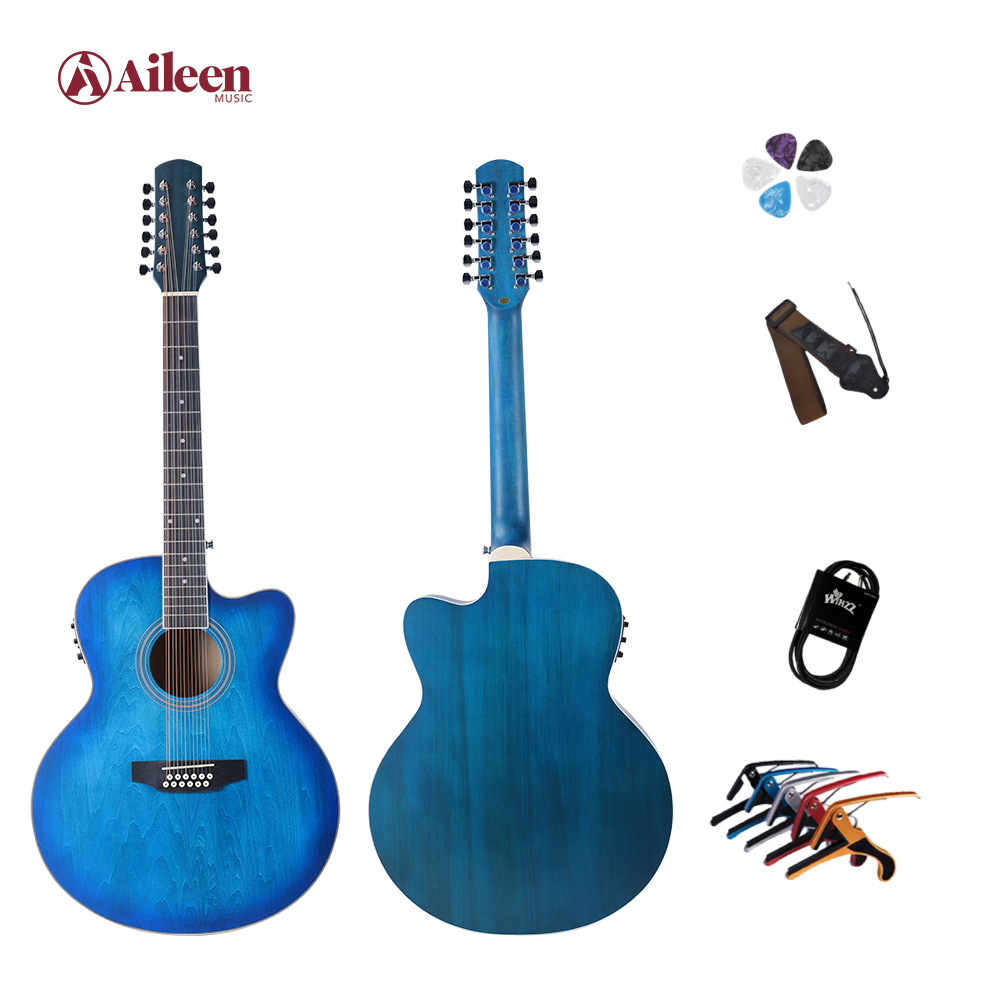
AF-H01LCE New Hand Rubbed Finish 12 Strings Acoustic Guitar
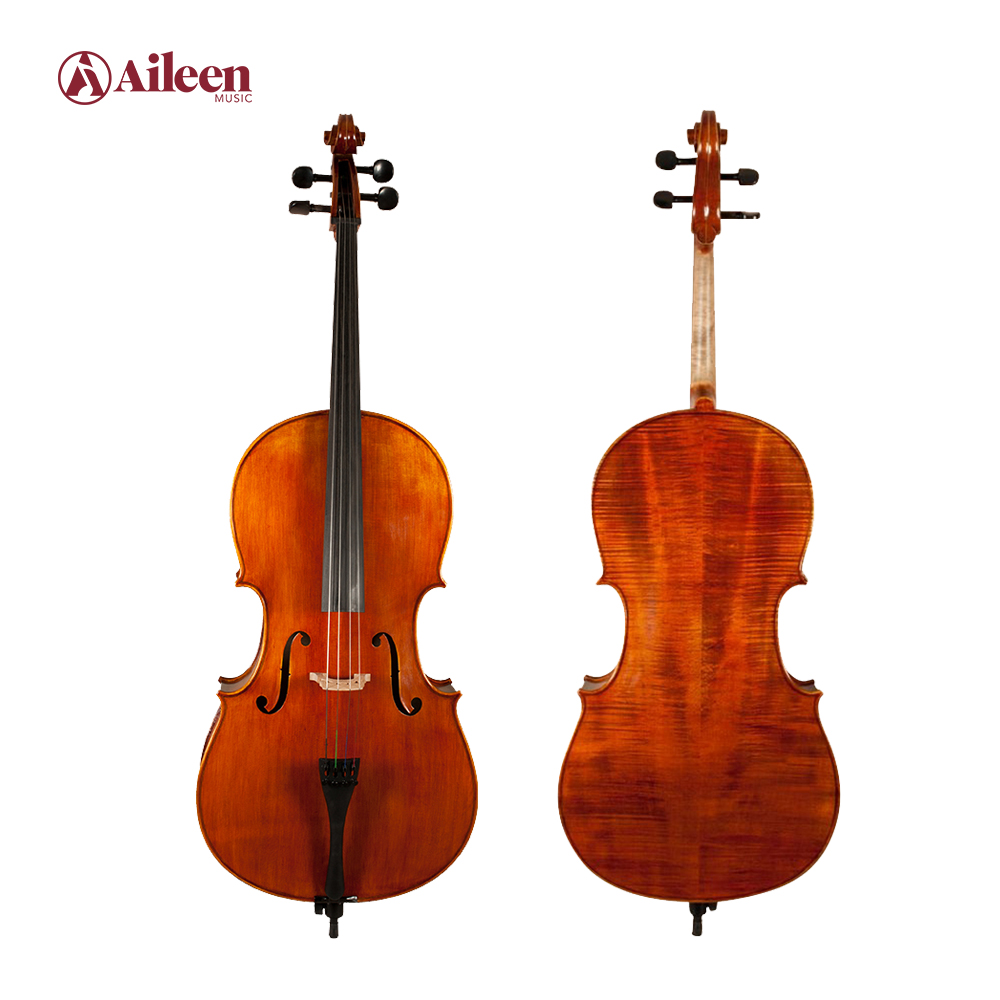
CH200VA Premium Fully Hand-craved Solid Spruce & Flamed Maple Advanced Cello
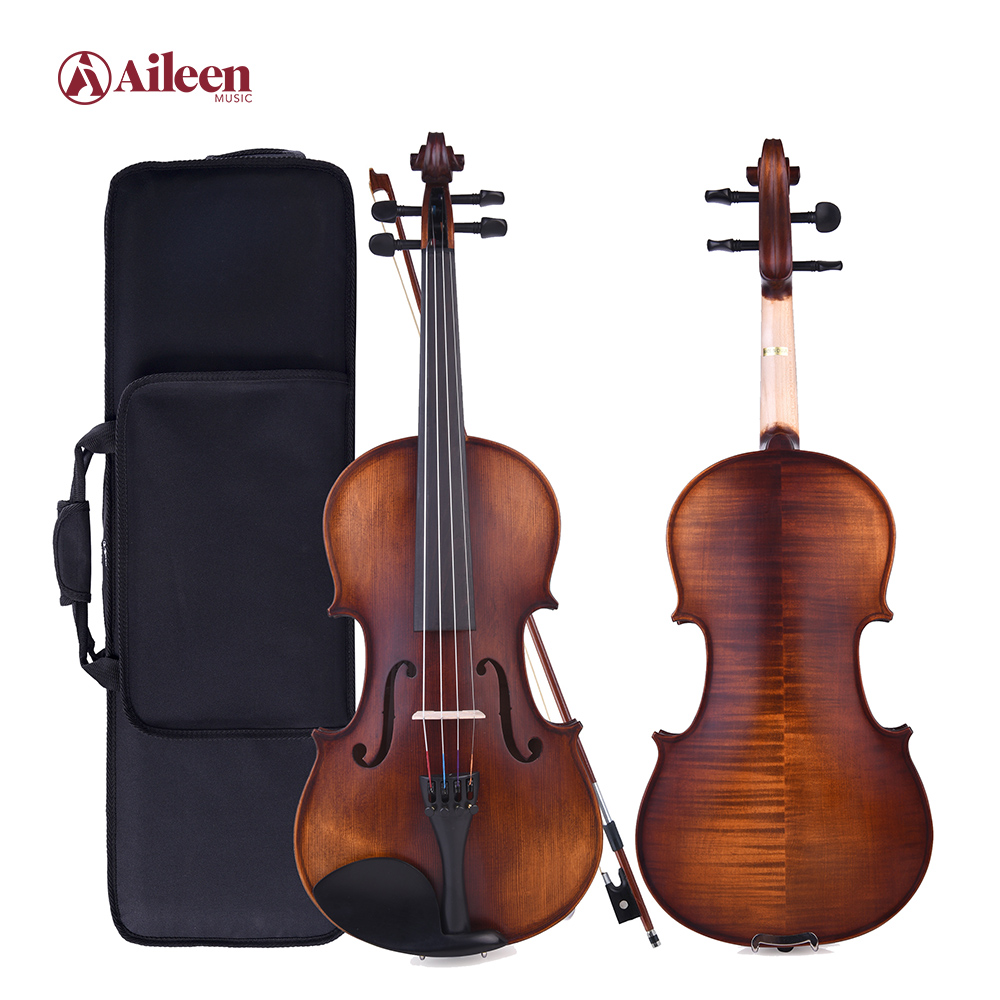
VM100 Hot Sale Selected Solid Spruce Top 4/4-1/16 Moderate Violin Set
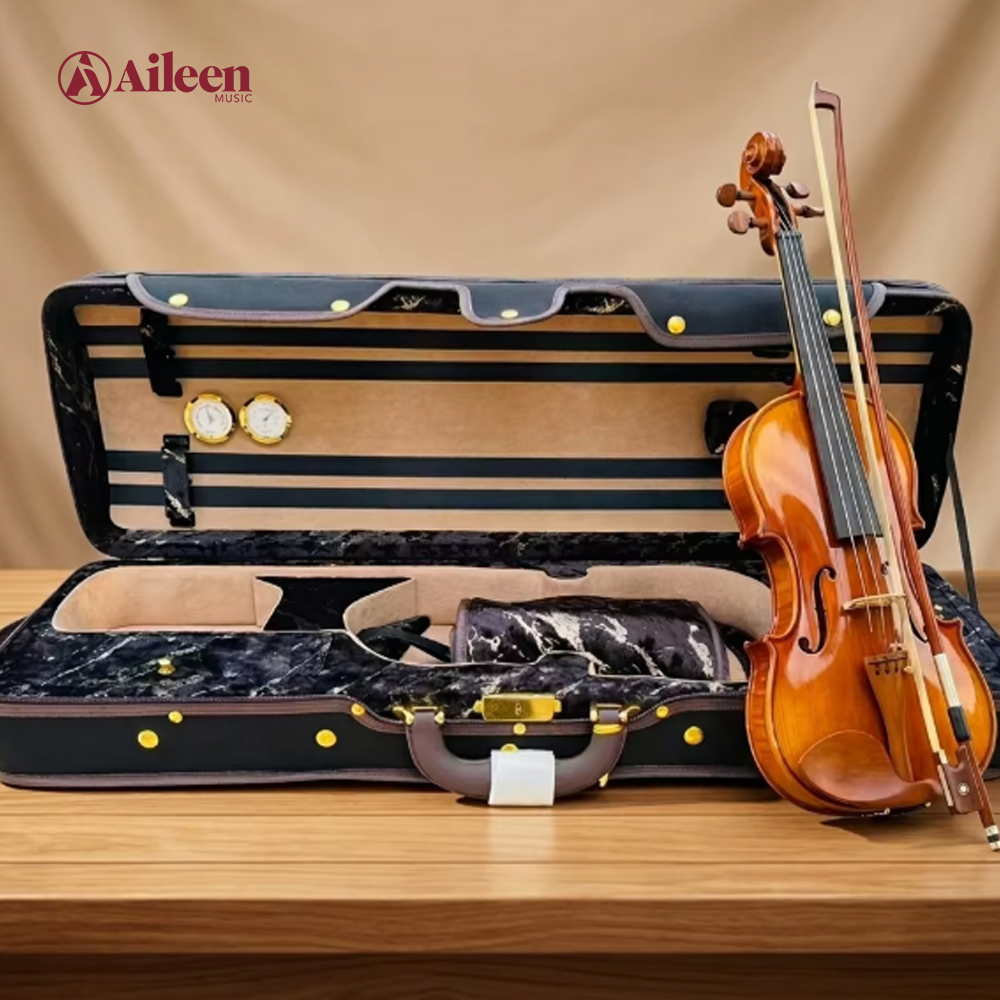
AileenMusic Oblong Shape 4/4 Deluxe Foamed Violin Light Case CSV071A3
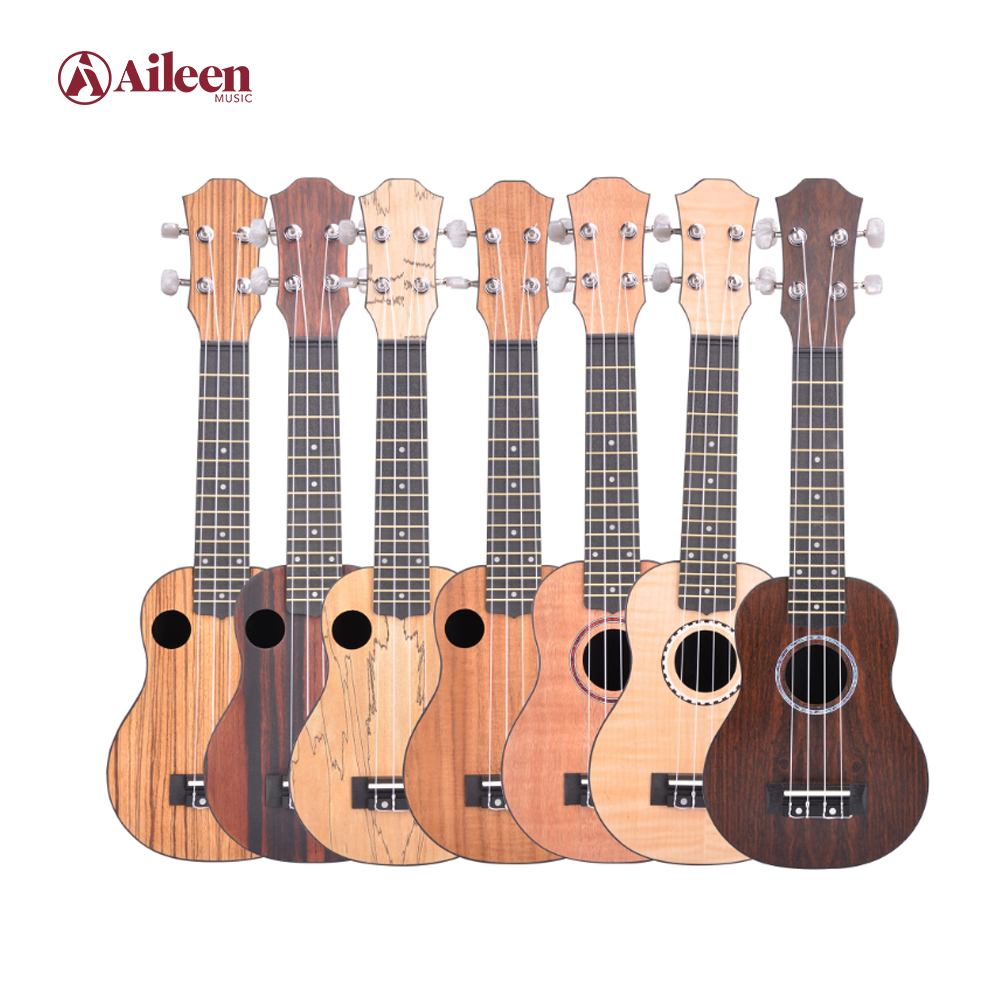
AU-P02 Wholesale 21'' Composite Material Top Options Ukulele
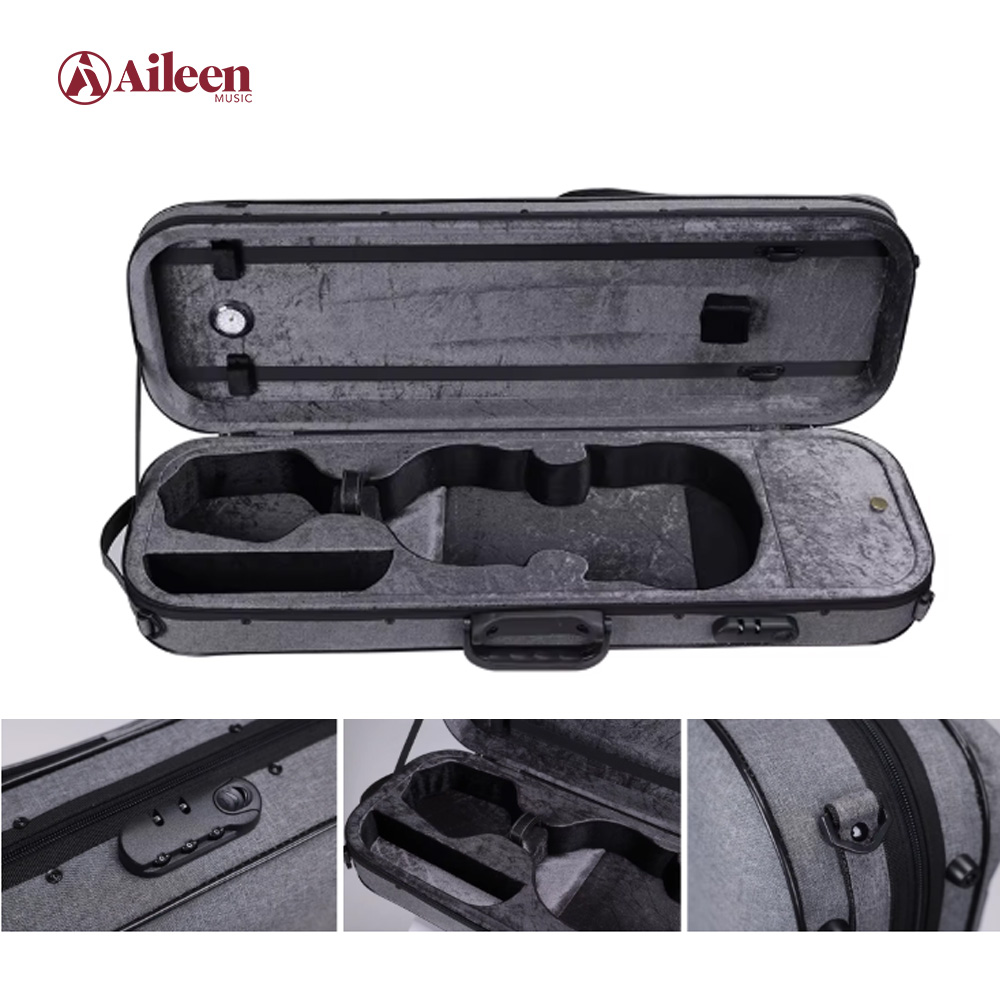
CSV327BH Oblong Shape Deluxe Foamed Light Violin Case with Hygrometer
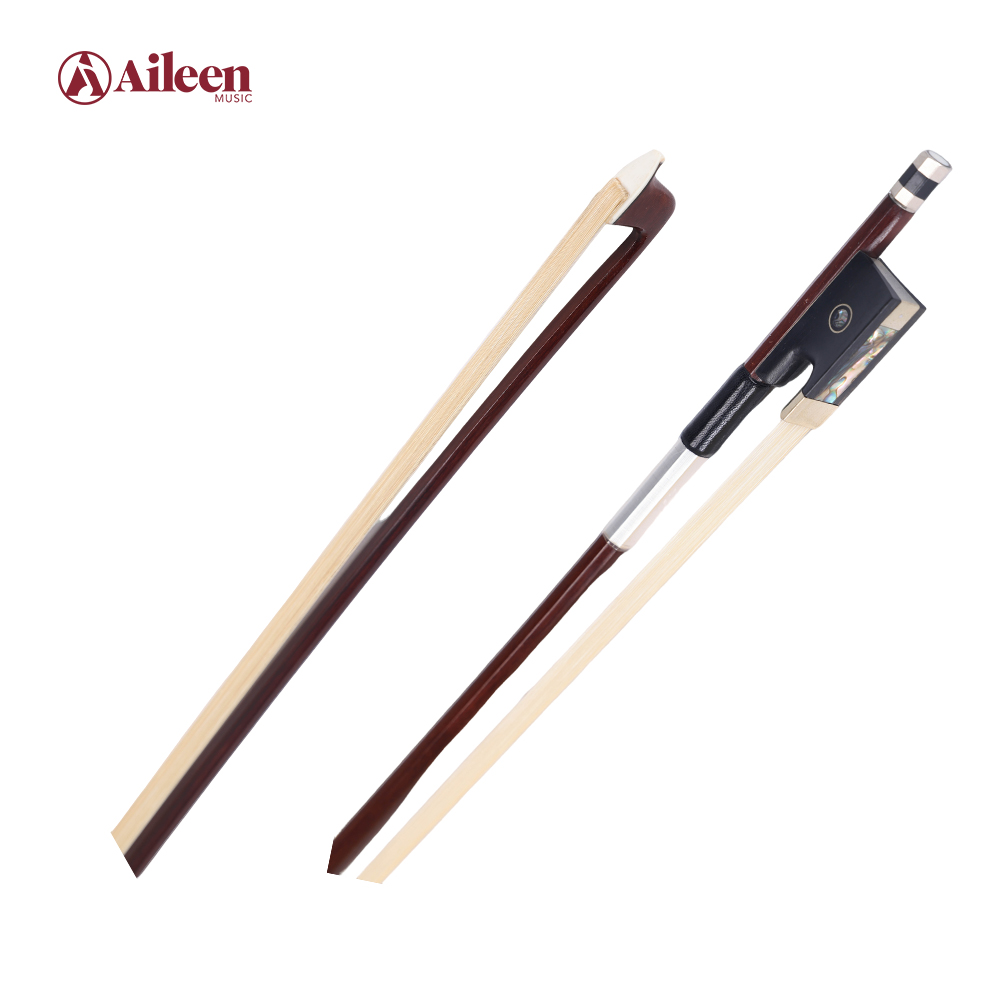
WV880 Durable Octagonal Brazilwood Stick Violin Wooden Bow
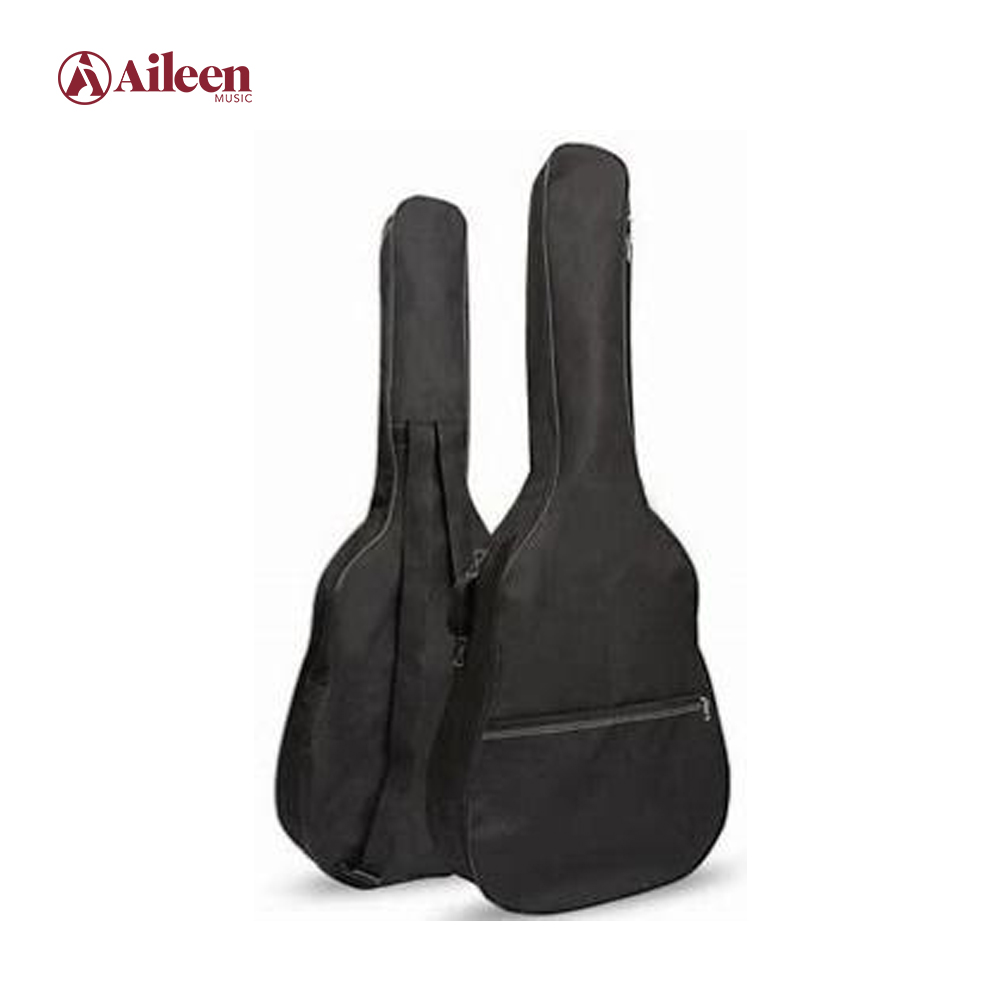
Strategic Sourcing Guide: Custom OEM Guitar Bags in Amsterdam & The Benelux Corridor
Amsterdam represents one of Western Europe's most vibrant cultural hubs, anchoring the Dutch music scene through iconic conservatories such as the Conservatorium van Amsterdam, premier concert venues like the Royal Concertgebouw and Paradiso, and an extensive network of independent instrument retailers across Noord-Holland. However, navigating the procurement of protective musical gear in the Amsterdam market presents distinct structural challenges that standard consumer gig bags cannot resolve.
For music store owners, equipment rental operators, and multi-brand musical instrument distributors operating within the Dutch metropolitan ring, instrument cases are not mere decorative accessories—they are high-frequency logistics assets. The Dutch maritime climate, urban bicycle transit ecosystem, and stringent European sustainability directives demand custom OEM manufacturing calibrated specifically to local operating stress.
Technical Procurement Takeaway: Amsterdam's logistics density and maritime precipitation create extreme demands on moisture resistance and structural shock absorption. OEM buyers sourcing guitar bags require reinforced 600D to 1680D nylon shell densities, thermal interior barrier laminations, and cycle-tested ergonomic backpack harnesses capable of withstanding daily cycling transit along the grachten.
Localized Application Scenarios in the Amsterdam Urban Ecosystem
Designing and manufacturing guitar bags for the Dutch market requires granular attention to the everyday habits of Amsterdam-based musicians and logistical operators. Our OEM production lines integrate engineering features that solve the authentic problems faced by end-users across three primary scenarios:
1. All-Weather Cargo Bike Transit (Bakfiets Mobility)
Amsterdam is globally famous as the bicycle capital of the world. Musicians overwhelmingly commute across the city via pedal bike or electric bakfiets. This means gig bags are consistently exposed to sudden North Sea drizzle, crosswinds along open canals, and physical friction against bike racks. Our bags feature hydrophobic PU coatings, waterproof reverse zippers, and double-stitched reinforced anchor plates on all harness connection points to prevent catastrophic strap separation during transit.
2. Maritime Humidity & Microclimate Insulation
Amsterdam's proximity to the IJmeer and the North Sea yields year-round relative humidity fluctuating between 70% and 90%, compounded by indoor central heating during the Dutch winter. Tonewoods inside acoustic and electric guitars are hypersensitive to these rapid moisture spikes. Our OEM specifications utilize multi-layer composite foam barriers (high-density EPE combined with EVA base pods) and breathable inner microfibers that buffer delicate tonewood against thermal shock and warp-inducing moisture permeation.
3. Heavy-Cycle Fleet Usage in Rental & Music Schools
Educational institutions like the Conservatorium van Amsterdam and regional muziekscholen run substantial instrument rental inventories that turn over continuously among students. Bags deployed in these rental fleets undergo thousands of zipper cycles, heavy corner abrasion on cobblestone sidewalks, and frequent ground drops. We integrate 3D molded rubber foot pads, high-tensile dual metal sliders, and 20mm-plus dense padding to safeguard school budgets from premature equipment write-offs.
Emerging Market Trends in the Dutch & European B2B Bag Sector
The procurement landscape across the European Union is undergoing structural shifts driven by regulatory compliance, eco-conscious consumer sentiment, and optimized inventory turnover. Suppliers servicing Amsterdam must align with several dominant trends:
Accelerated Transition to Recycled & Reach-Compliant Textiles: Dutch retailers are under mounting pressure from end-consumers and EU environmental authorities to eliminate toxic plasticizers and petroleum-heavy virgin fabrics. Demand for GRS-certified (Global Recycled Standard) rPET fabrics—woven from post-consumer recycled plastic bottles—is expanding rapidly across Amsterdam, Utrecht, and Rotterdam. Furthermore, absolute compliance with REACH regulation (EC No 1907/2006) concerning phthalates, azo dyes, and short-chain chlorinated paraffins (SCCPs) is a mandatory condition of entry for Dutch importers.
Hybrid Modular Gig Bag Architecture: Modern gigging guitarists rarely carry only an instrument. The proliferation of digital amp modelers, floor units, and tablet sheet-music setups has prompted strong demand for modular external compartments. OEM bags featuring detachable accessory pouches, balanced cable management sleeves, and dedicated laptop compartments are commanding substantial retail markups across Western European distribution channels.
SKU Consolidation & Multi-Instrument Logistics: Freight efficiency is paramount. European musical instrument importers are increasingly consolidating fretted instrument cases with orchestral gig bags (such as cello bags, violin light cases, and brass wind bags). Sourcing from a multi-category manufacturing partner that can fabricate guitar bags while also packing custom cello cases, violins, and brass instruments in the same 40-foot HQ container drastically lowers landed shipping expenses per unit.
Why Chive Music
Direct Factory Capabilities & OEM Manufacturing Superiority
Founded in 1993, Chive Music Co., Ltd. has spent over three decades establishing an end-to-end manufacturing footprint that eliminates intermediate trading markups, ensures unwavering batch consistency, and provides robust supply assurance for European brand owners.
Three Decades of Legacy
Exporting musical products and protective gear since 1993. Ranked No. 195 on the prestigious Music Trades Global 225 index and recognized as an AAA Grade Credit Enterprise.
Audited Quality Control
Operating an ISO 9001 certified quality management framework verified by BV, SGS, and TÜV on-site inspections. Every production batch undergoes multi-stage pull, drop, and seam-stress audits.
Full Customization (OEM/ODM)
From custom silicone/rubber badges, screen printing, and high-density embroidery to custom mold EVA exterior shells, custom-dyed fabrics, and private-label retail packaging.
Turnkey Container Consolidation
Combine high-durability 600D/1680D guitar bags with acoustic guitars, electric basses, orchestral violins, cellos, brasswinds, and percussion in a single synchronized export shipment.
Frequently Asked Questions by Amsterdam & Benelux B2B Buyers
Whether you manage a chain of music retail locations along the Rozengracht or direct wholesale supply for regional Dutch musical associations, here are verified answers to critical import and manufacturing questions:
Q1: What are the Minimum Order Quantities (MOQ) for custom OEM guitar bags?
For fully custom OEM guitar bags involving private-label embroidery, custom woven labels, and dedicated exterior fabric colors, our standard MOQ starts at 100 to 300 pieces per specification depending on the fabric complexity. For standardized baseline models utilizing stock 600D Oxford fabrics, we accommodate flexible low-volume trial orders starting from 50 pieces, allowing Dutch distributors to validate market reception prior to committing to full container loads.
Q2: Are all materials compliant with EU environmental and chemical safety regulations?
Yes. Every batch of fabrics, vinyl piping, foam cushions, and metallic hardware used in our manufacturing process complies fully with EU REACH regulations, SVHC candidate lists, and RoHS directives. We regularly furnish third-party chemical safety test reports (covering heavy metals, phthalates, and formaldehyde) to facilitate friction-free clearance through the Port of Rotterdam or Amsterdam Schiphol logistics terminals.
Q3: Can you fabricate custom dimensions for vintage, multi-scale, or 12-string guitars?
Absolutely. As a dedicated OEM/ODM manufacturer, we maintain in-house CAD patterning and precision laser-cutting workstations. We routinely build tailored gig bags for extended-scale 7/8-string electric guitars, dreadnought 12-string acoustics, 335-style semi-hollow bodies, and custom headless designs. Simply provide your body schematics or send physical reference instruments to our technical workshop.
Q4: How does shipping logistics work from your factory into the Dutch market?
We provide full-service export arrangements, including FOB (Shanghai/Ningbo), CIF Rotterdam, and door-to-door DDP transit directly into your warehousing facility in Amsterdam or the broader Randstad region. Furthermore, because our production lines encompass violins, cellos, brasswinds, and percussion, you can consolidate guitar bags with other instrument categories in a single container, significantly reducing sea freight and clearance overhead per SKU.
Expand Your Protective Gear Portfolio with a Certified OEM Partner
Partner directly with a 30-year manufacturer trusted by international music brands in over 100 countries. Request comprehensive B2B pricing catalogs, material swatches, and technical customization blueprints today.