
Direct Factory Catalog
Precision Acoustic, Bowed & Band Instruments
Manufactured under ISO 9001 certified protocols, seasoned for Atlantic coastal environments, and ready for containerized consolidation to the Port of Lisbon.



Technical Lutherie White Paper
Precision Bridge Engineering & Tonewood Mechanics for Lisbon's Lutherie Market
In acoustic and fretted instrument architecture, the guitar bridge is not merely a string termination point; it serves as the critical primary mechanical transducer of the entire instrument. By converting the transverse kinetic vibrations of tensioned strings into concentrated torsional and rocking forces, the bridge couples acoustic energy directly into the soundboard via the bridge plate. For luthiers, OEM instrument builders, and distributor supply networks across the Lisbon Metropolitan Area (Área Metropolitana de Lisboa), sourcing bridges engineered with rigorous dimensional tolerances, optimized grain orientation, and calculated moisture equilibrium is paramount.
Lisbon’s unique geography—situated along the Tagus Estuary facing the open Atlantic Ocean—imposes rigorous physical constraints on wooden musical components. Rapid shifts between humid coastal Atlantic breezes and warm Mediterranean air currents induce dimensional hygroscopic stress. Unseasoned or improperly dried rosewood, ebony, or compensated bone components will inevitably experience warpage, glue line failure, or intonation drift. Our manufacturing facility integrates controlled kiln-drying programs, computerized CNC profiling (±0.02 mm tolerances), and moisture stabilization protocols to ensure that every bridge unit arriving at the Port of Lisbon maintains acoustic excellence and mechanical stability for decades.
30+
Years Manufacturing (Est. 1993)
#195
Music Trades Global 225
8
Patents & 5 Trademarks
ISO 9001
BV, SGS & TÜV Audited
Acoustic Transduction Mechanics: Breaking Down Waveguide Physics
When an acoustic guitar, classical concert guitar, or traditional Guitarra Portuguesa is strummed or plucked, the strings oscillate in complex elliptical planes. This kinetic oscillation contains fundamental frequencies alongside dense harmonic spectra. The bridge structure must perform three continuous mechanical functions simultaneously:
- Mechanical Impedance Matching: String tension creates immense downward and forward rotational vector force (torque). The bridge footprint must distribute this vector across the soundboard's radial bracing without dampening natural vibration or causing belly bulging.
- Intonation Compensation & String Break Angle: To achieve temperamental intonation accuracy across the 24.75" to 25.5" scale lengths commonly demanded by concert performers, the bridge saddle slot must be precisely machined at a compensating angle (typically 1.5° to 3° offset) with an optimal string break angle of 38° to 45°.
- Longitudinal Harmonic Transfer: High-density quarter-sawn hardwoods (such as African Blackwood, Indian Rosewood, or thermo-treated Maple) minimize inner frictional damping, translating higher harmonics into rich tonal overtone projection.
| Bridge Category / Application | Selected Tonewood / Alloy | Density & Modulus of Elasticity (MOE) | Acoustic Character & Lisbon Climate Fit | Target Instrument Type |
|---|---|---|---|---|
| Concert Classical Tie-Block | Select Indian Rosewood (Dalbergia latifolia) with Bone Veneer | 0.82 g/cm³ / 12,500 MPa | Warm fundamental, rapid transient response; high dimensional stability in coastal air. | Nylon String / Spanish / Classical Conservatories |
| Portuguese Fado Bridge (Lisboa Spec) | Dense Ebony / Blackwood with Movable Bone Saddle | 1.15 g/cm³ / 16,800 MPa | Ultra-fast high-register bite, designed for high-tension double-course steel strings. | Guitarra Portuguesa (Estilo de Lisboa) |
| Acoustic Belly Bridge (Pin Type) | Quarter-Sawn African Mahogany / Thermo-Baked Maple | 0.74 g/cm³ / 11,200 MPa | Rich dynamic headroom, rounded mids; optimized pinning hole taper prevents soundboard shearing. | Steel String Dreadnought / Grand Auditorium |
| Archtop & Floating Saddle Unit | Graded Ebony Foot with CNC Brass Adjustment Wheels | 1.08 g/cm³ / 15,400 MPa | Direct acoustic focus, clear bass articulation; immune to top contour seasonal swelling. | Archtop Jazz Guitars / Gypsy Jazz Ensembles |
| Modern Hardtail / Tremolo Unit | Cold-Rolled Steel Baseplate with Solid Brass Saddles | 7.85 g/cm³ (Alloy) | Maximum sustain, high corrosion-resistant electroplating against Atlantic salt mist. | Solid-Body Electric & Extended Range Basses |
Regional Market Focus
Localized Applications Across Lisbon's Musical Ecosystem
How precision bridge assemblies and musical hardware integrate into Portugal's vibrant cultural, academic, and commercial sectors.
Fado Houses of Alfama & Mouraria
The iconic Guitarra de Lisboa requires a distinctive, high-contact bridge capable of withstanding the substantial tension of twelve steel strings tuned in traditional Fado tuning. Our specialized bone-capped bridge blanks and precision ebony saddles deliver the crystalline resonance and punch required in intimate Fado taverns across Alfama, Bairro Alto, and Mouraria.
Conservatório Nacional & Orchestral Academies
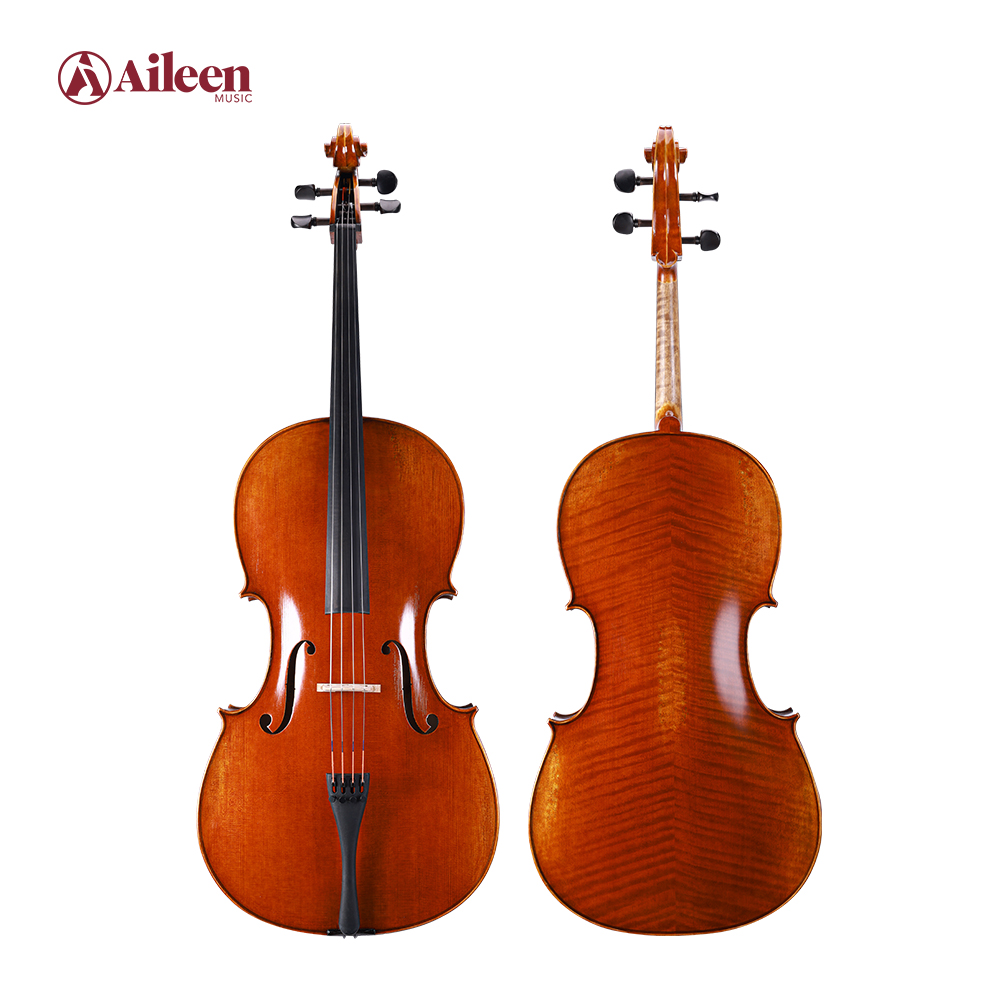
Lisbon’s premier classical academies—including the Escola Superior de Música de Lisboa (ESML) and the Conservatório Nacional—demand uncompromising tonal precision for student and performance instruments. Our bridge units and stringed instruments (such as the LC02 and LC05 cello series) are calibrated to strict European acoustic projection benchmarks.
Boutique Luthier Repair Shops & Retail Chains
Repair shops in Chiado, Alcântara, and Parque das Nações frequently encounter older guitars damaged by high coastal humidity. Our pre-slotted, radius-matched acoustic bridges and brass saddles provide lutherie workshops with consistent, drop-in replacement hardware that minimizes hand-fitting time while maximizing shop turnaround.
Industry Insights 2025–2030
Emerging Procurement Trends in Portugal's Musical Goods Sector
Over the past five years, the Portuguese musical instrument market has experienced substantial transformation driven by digital education, cultural tourism, and an influx of international luthiers relocating to greater Lisbon and the Setúbal peninsula. As an established manufacturer and global exporter, we track four distinct purchasing shifts:
1. The Transition to CITES-Compliant & Thermally Modified Tonewoods
Stricter European Union environmental import standards have pushed Portuguese instrument distributors and manufacturers away from restricted rosewood variants toward sustainable alternatives. Our factory leads this shift by implementing vacuum thermal modification (torrefaction) for maple, walnut, and engineered technical woods. Torrefied bridges exhibit zero cellular moisture memory, delivering the sound characteristics of 50-year-aged vintage wood while guaranteeing 100% CITES compliance for smooth customs clearance through Portuguese border control (Autoridade Tributária e Aduaneira).
2. OEM Standardization for Retail Private Labels
Retail chains across Lisbon and Porto are increasingly developing proprietary instrument brands to protect retail margins against multinational e-commerce platforms. Rather than sourcing generic off-the-shelf guitars, Portuguese buyers now mandate custom bridge branding, laser-etched tie-blocks, custom radius profiles (12", 14", 16"), and matched bone pins. With 79 specialized factory technicians and dedicated sample lines, our OEM service enables brand owners to establish distinct visual and tonal identities.
3. Coastal Environmental Durability Requirements
Instruments displayed in retail showrooms along the Portuguese coastline often experience relative humidity swings from 40% up to 85%. Conventional bridges secured with standard animal glues or uncompensated contact footprints frequently suffer edge lift. Importers serving Lisbon now require bridges with engineered underside micro-grooves that optimize modern aliphatic resin adhesion, preventing warranty returns and ensuring stable string heights year-round.
4. Freight Consolidation: Multi-Category Sourcing
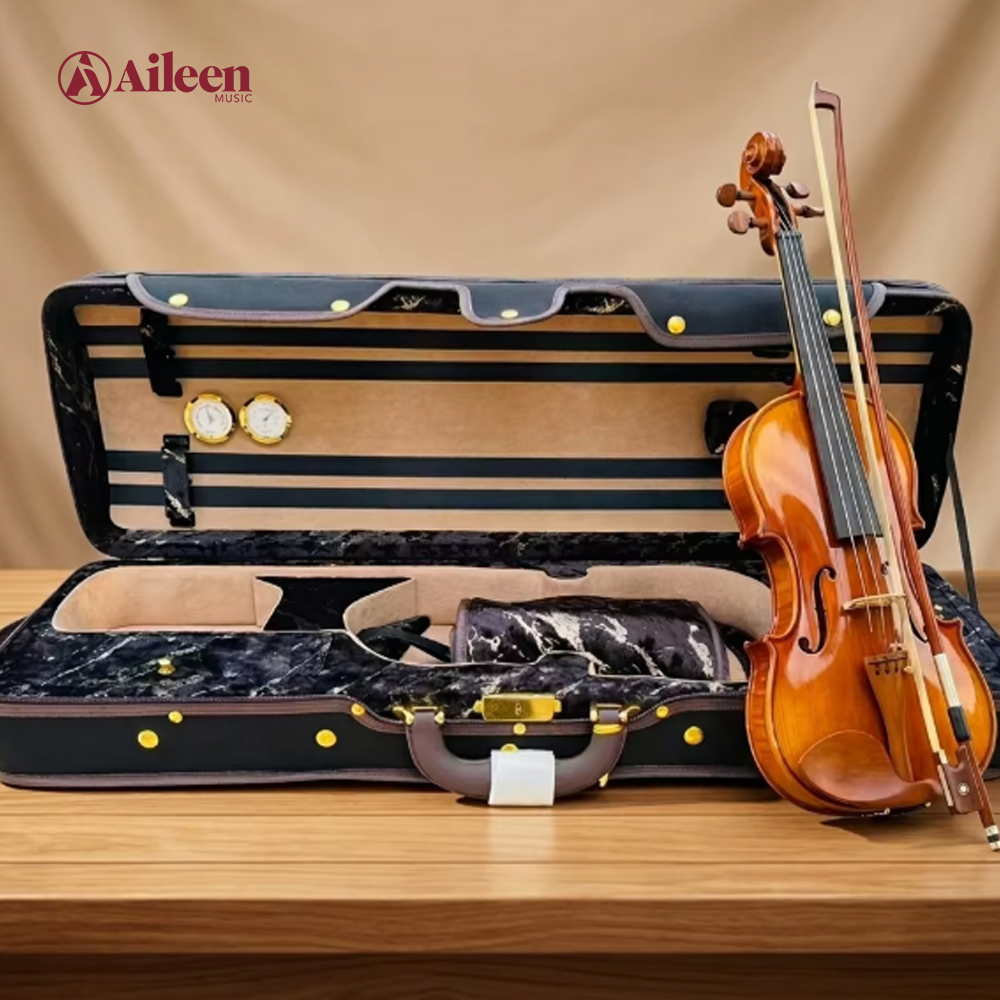
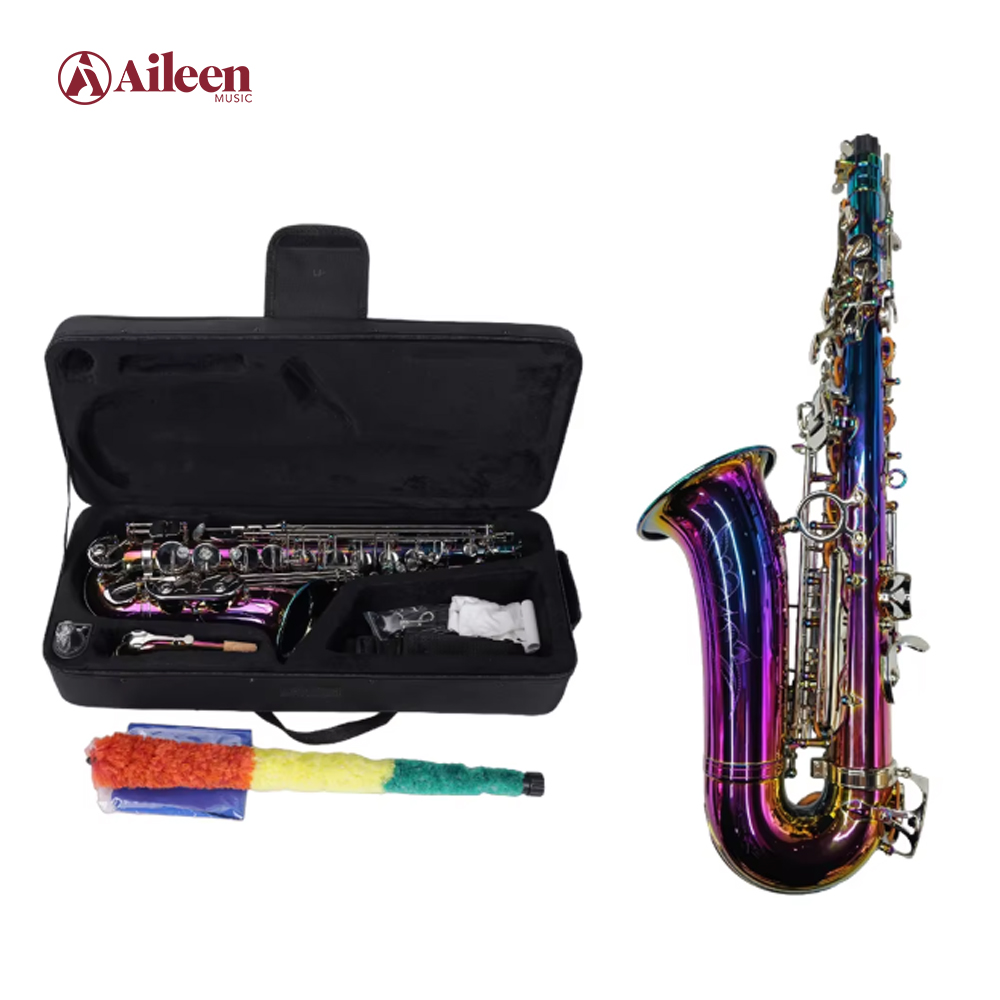
Logistical volatility has made single-category component shipping uneconomical for mid-sized distributors. Portuguese buyers increasingly combine fretted bridges, classical guitar kits, bowed strings (violins, cellos), wind instruments, and accessories into a single sea freight container originating from our export hub, drastically slashing freight cost per unit.
Verified Manufacturing Credibility
Why Major European Distributors Partner With Our Factory
Combining 30+ years of instrument-building heritage with state-of-the-art export compliance and quality verification.
Ranked No. 195 Worldwide
Recognized in The Music Trades Global 225 music products suppliers, confirming our production volume, financial reliability, and international market share.
Permanent NAMM Member Since 2003
Over two decades of active presence in the premier global music trade network, continually aligning our engineering standards with international player expectations.
Rigorous Multi-Tier Inspection
Certified ISO 9001 quality management with on-site factory verification conducted by Bureau Veritas (BV), SGS, TÜV, and Intertek.
In-House Tonewood Seasoning
Raw timber is aged and seasoned in dedicated humidity-monitored facilities across a 13-stage controlled manufacturing pipeline before CNC profiling.
Established Global Brands
Home of the recognized Winzz fretted line, Lexington band instruments, and Chive orchestral strings, distributed in over 100 countries.
Flexible Consolidated Shipments
Low sample MOQs, customized packaging, laser-engraved branding, and multi-category container stuffing designed for European maritime transport.
B2B Sourcing Guide
Frequently Asked Questions: Lisbon Importers & Luthiers
Detailed technical, logistical, and commercial answers for instrument distributors in Portugal.
Q1: Can we order customized bridge dimensions for traditional Portuguese guitars?
Yes. Our engineering division operates high-precision multi-axis CNC routers capable of machining custom string spacing, curved bridge feet for arched tops, and specialized bone saddle slots tailored exactly to traditional Guitarra de Lisboa or Guitarra de Coimbra scale requirements based on your CAD drawings or physical reference samples.
Q2: How do your bridges withstand the Atlantic coastal humidity of Lisbon?
All timber used in our bridge production undergoes controlled kiln stabilization until internal moisture equilibrium reaches 8%–10%. This prevents soundboard shear, swelling, and shrinkage when the instrument is stationed in coastal environments like Cascais, Estoril, or downtown Lisbon.
Q3: What is the typical MOQ for custom OEM private-label hardware?
For custom-profiled wooden bridges with laser logo engraving or specialized string hole configurations, our MOQ begins as low as 50–100 pieces per specification. Standard catalog replacements can be ordered starting at 20 pieces when bundled with instrument shipments.
Q4: How are CITES regulations handled for exports to Portugal?
We comply fully with European Union wildlife trade regulations. Whenever CITES-regulated materials are specified, we provide complete chain-of-custody documentation, export permits, and phyto-sanitary certificates to ensure seamless clearance at the Lisbon customs authority (Alfandega).
Q5: Can we consolidate bridges, accessories, and finished instruments in one container?
Absolutely. As a multi-category manufacturer producing guitars, cellos, violins, brass, and percussion, we routinely pack mixed consolidated orders into single 20ft or 40ft containers, significantly lowering import duty overhead and freight charges for Portuguese buyers.
Q6: What transit times can buyers in Lisbon expect?
Ocean freight from our main export port to the Port of Lisbon (Porto de Lisboa) typically ranges between 28 and 35 sailing days. For urgent sample evaluations or custom lutherie prototypes, we provide expedited air courier dispatch within 4 to 7 business days.
Accelerate Your Lutherie Supply Chain in Lisbon
Connect directly with our engineering and export team. Request custom bridge specifications, complete OEM catalogs, or obtain container consolidation quotes tailored to your business.
Send an Inquiry