Curated String & Acoustic Instruments Ready for New Zealand
Standardized moisture management, tonewood grading, and lutherie expertise tailored for wholesale buyers, schools, and professional music purveyors.
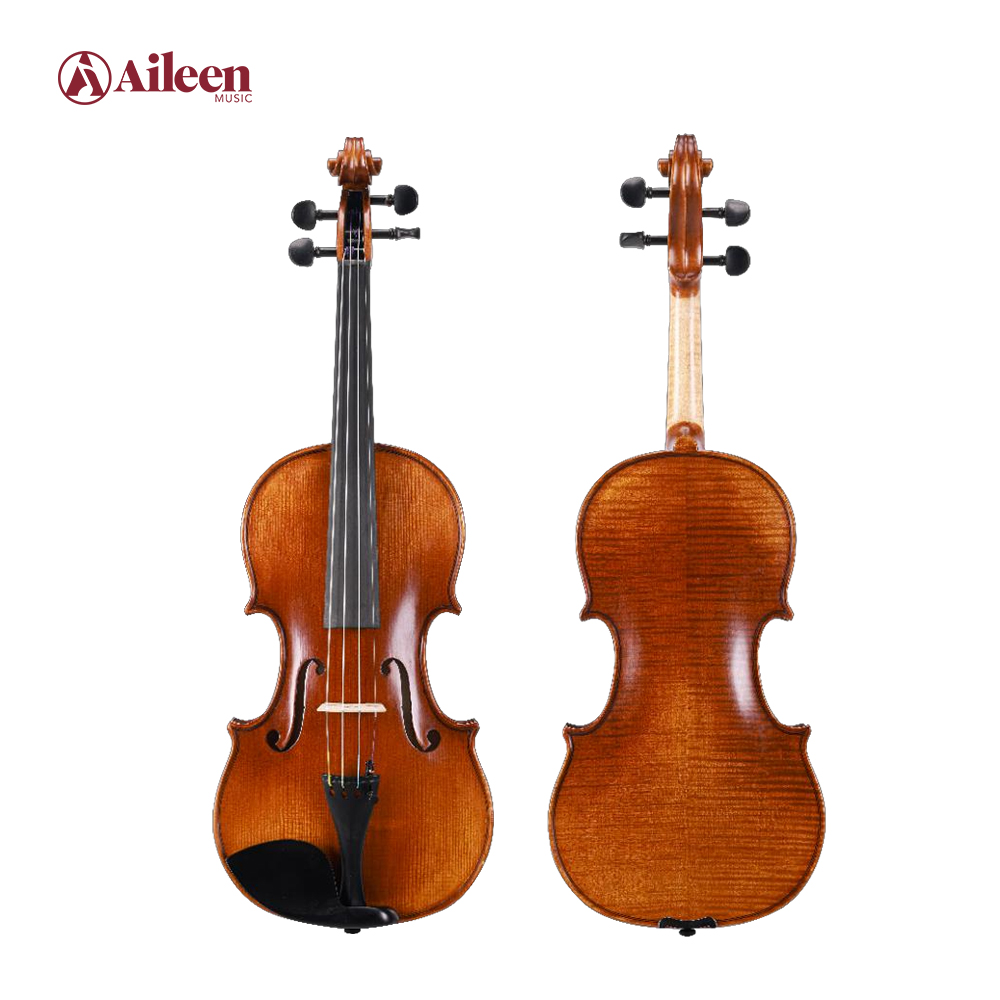
VH620 Mastery Series Spirit and Oil Mixed Varnish 4/4-1/4 Violin with Despiau Bridge
Solid tone spruce top paired with hand-applied spirit and oil hybrid varnish. Rigged with genuine French Despiau bridge for crystalline acoustic timbre.
Product Details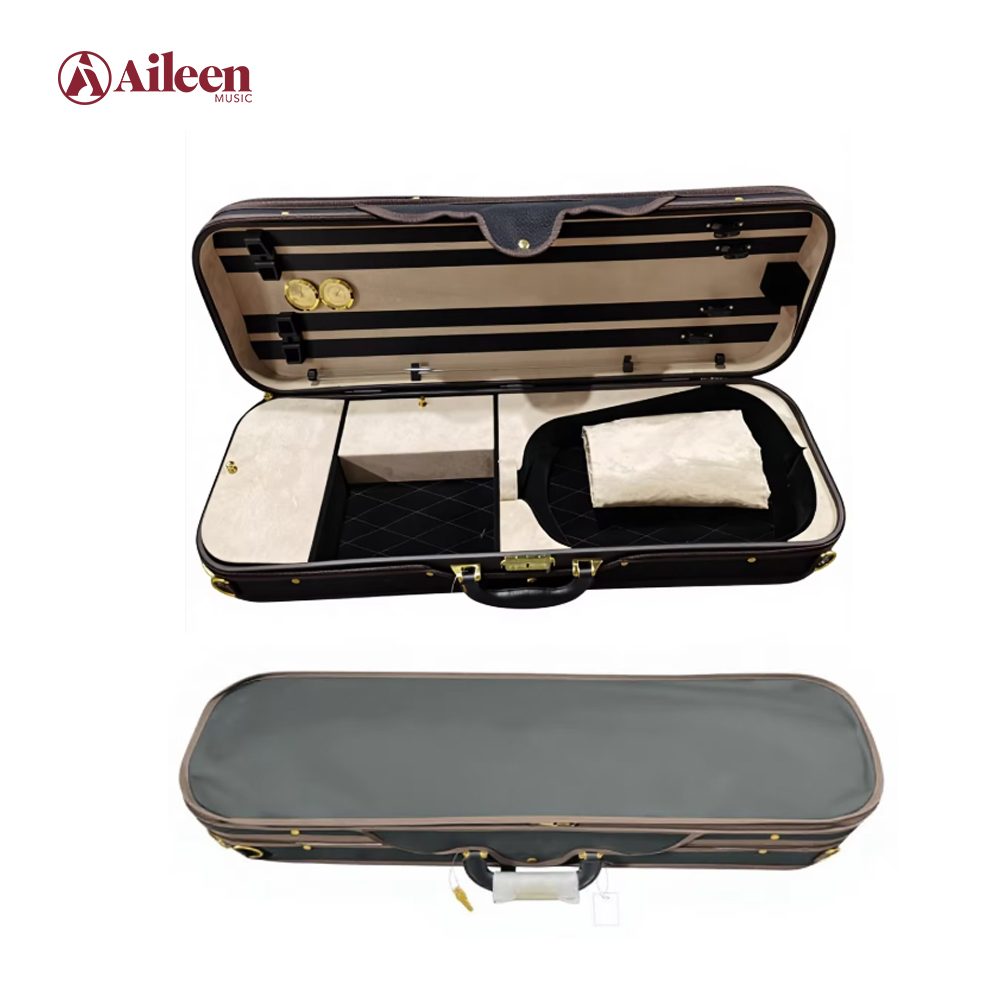
Aileen Stock Oblong Shape Deluxe Wooden Violin Case(CSV1067)
Heavy-duty multilayered hardwood plywood shell offering high thermal insulation, built-in precision hygrometer, and water-repellent shell protection.
Product Details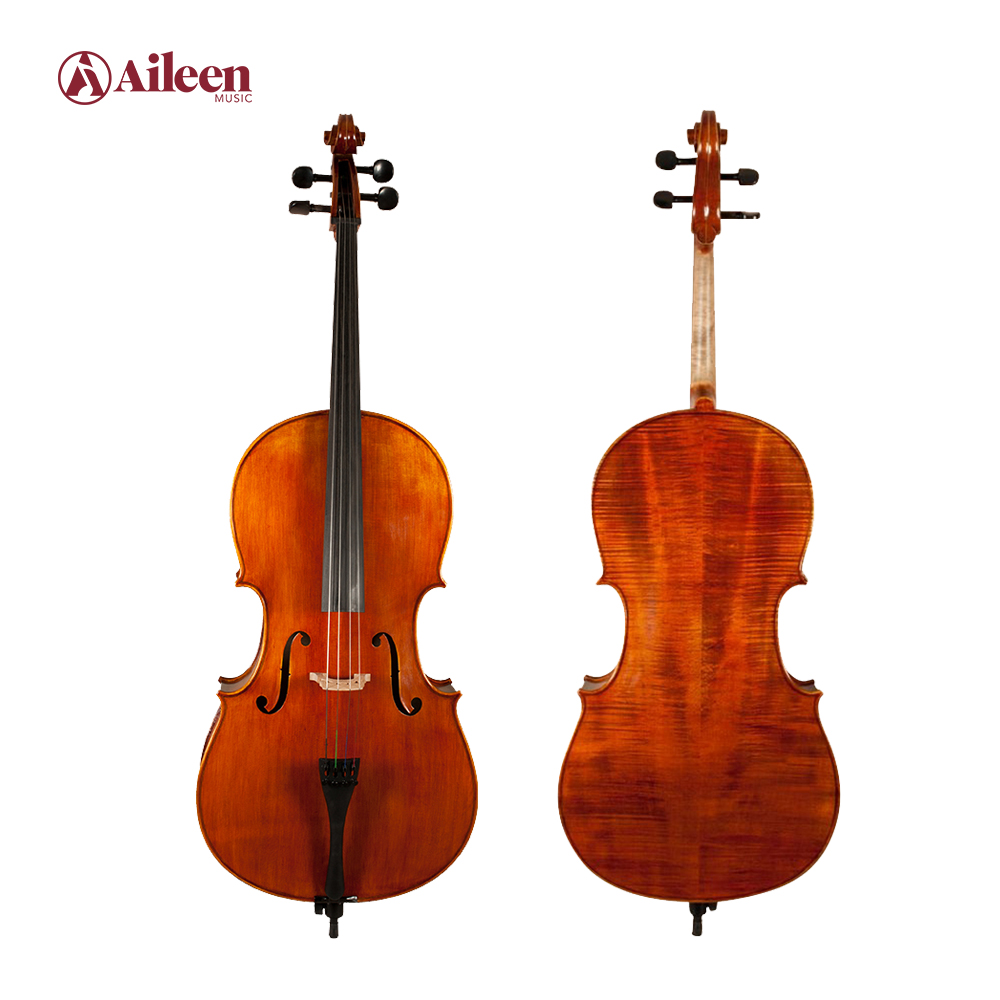
CH200VA Premium Fully Hand-craved Solid Spruce & Flamed Maple with Oil Varnish Advanced Cello
Naturally air-seasoned solid spruce and intensely flamed maple back plate. Resonant graduation sculpted for chamber and conservatoire performance.
Product Details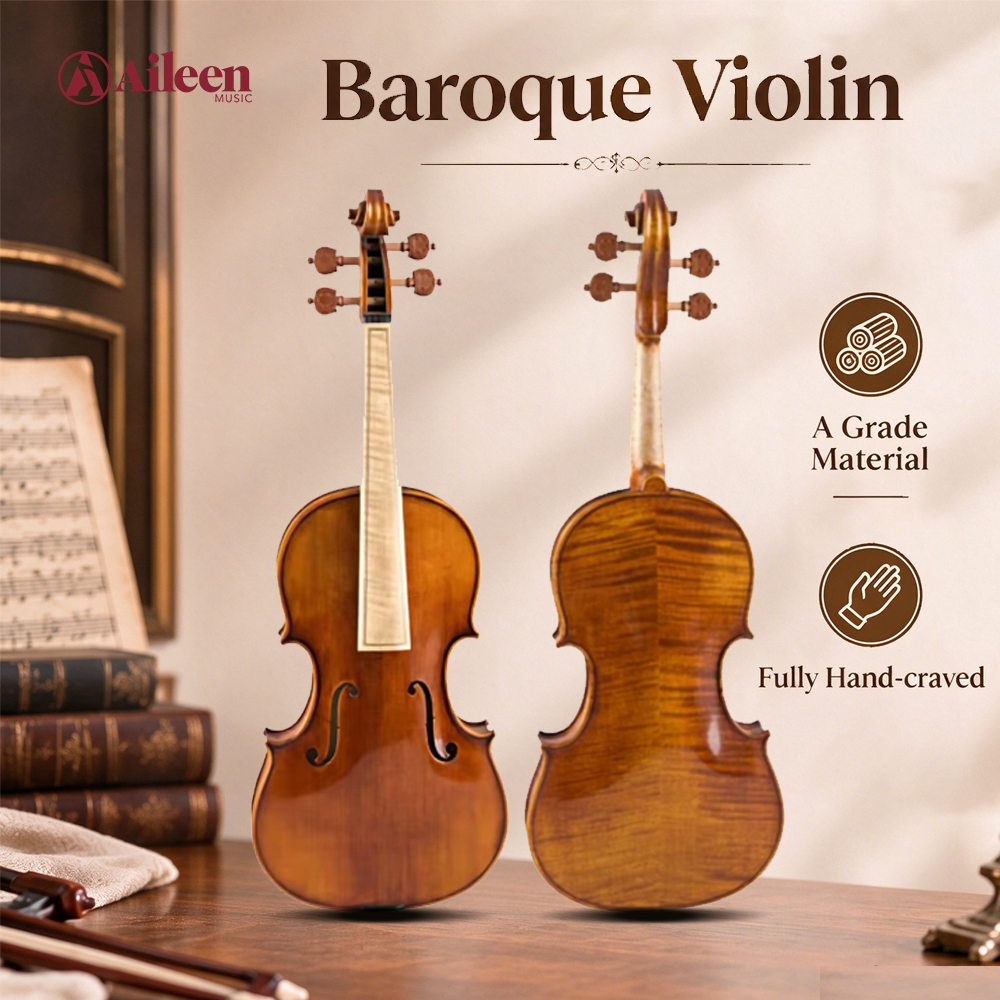
Exceptional Price Baroque Violin, 4/4 Universal Violin (VH550Z-A)
Authentic historical neck angle, fingerboard profile, and period tailpiece. Designed specifically for early music ensembles and historically informed performance.
Product Details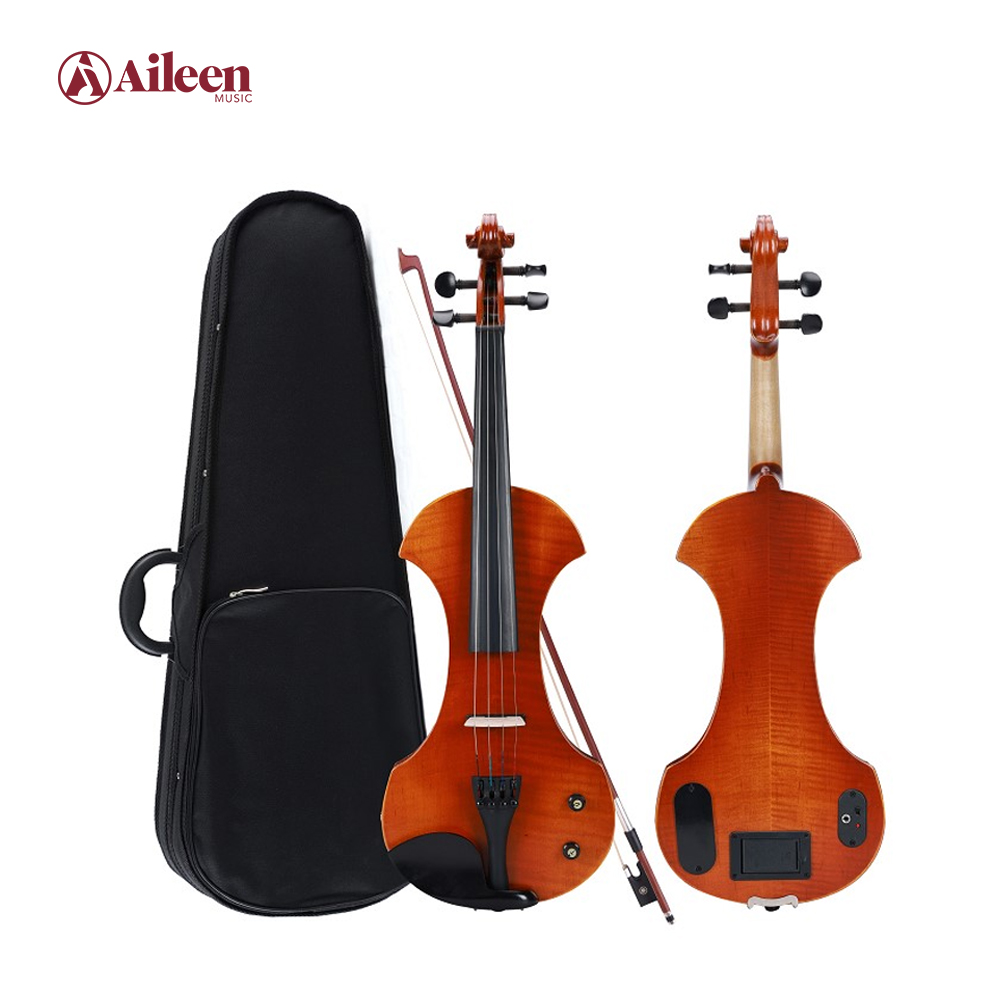
AV-D502 N or SB Color 4/4 Professional Electric Violin with Student Rosin & Bridge & Earphone
Patented active piezo transducer design featuring silent practice headphone out, integrated preamplification, and ergonomic frame balancing for stage artists.
Product Details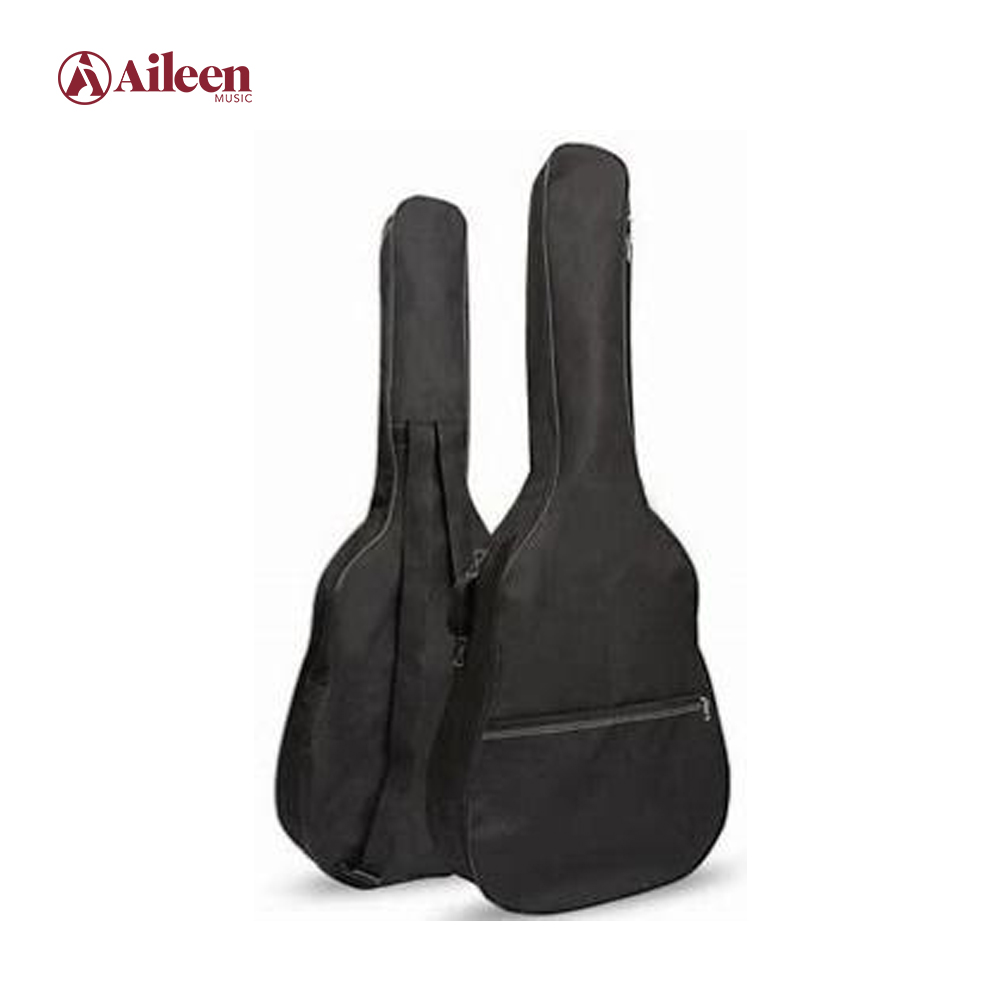
BGG602 36''/39''/40''/41'' 600D Oxford Cover Classical or Acoustic Soft Guitar Bag
Reinforced high-density 600D ripstop fabric with weather-sealed seams, neck stabilization strap, and anti-static moisture barrier lining.
Product Details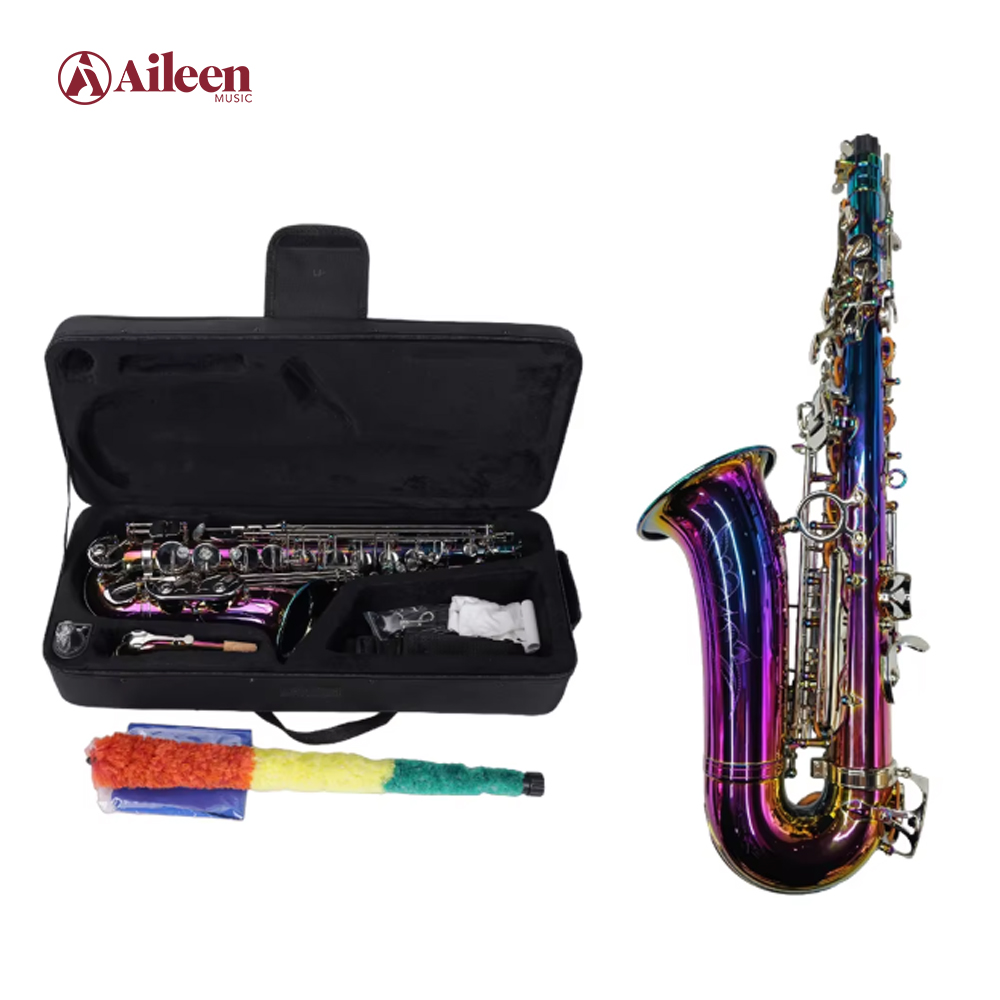
Wholesale Price Professional Eb Brass Gold Lacquer Colorful Finish Alto Saxophone (ASP-G1003X)
Acoustically annealed brass alloy, high F# auxiliary key, and precision blued-steel springs calibrated for smooth, frictionless key action and air sealing.
Product Details
CL-R11 10 Pcs/box 1 1/2 - 3 1/2 High-grade Reed Clarinet Reed
Organically farmed Arundo donax cane cut via precision digital diamond milling to deliver instantaneous response and warm tonal balance across registers.
Product DetailsEngineering Solid Wood Ukuleles for Maritime Climates: Wellington Procurement Whitepaper
Sourcing acoustic instruments for Wellington, New Zealand presents a unique set of microclimatic and mechanical challenges. Known globally as the "Windy City," Wellington straddles Cook Strait, subjecting local music retail stock, conservatoires, and performing arts centers to rapid barometric shifts, oceanic salt-laden air, and abrupt indoor-to-outdoor relative humidity (RH) swings oscillating between 55% and 85%. For high-volume music distributors and institutional buyers, importing standard solid-wood ukuleles without localized structural adaptation routinely leads to catastrophic soundboard checking, fret sprouting, top dishing, and adhesive creep.
As an OEM/ODM manufacturing enterprise founded in 1993, Chive Music approaches solid-wood ukulele manufacturing not simply as woodwork, but as applied hydro-mechanical physics. Solid mahogany (Swietenia macrophylla), solid spruce (Picea abies), and genuine solid koa or acacia instruments must be chemically and physically prepared to retain equilibrium moisture content (EMC) under intense oceanic variations. Our state-of-the-art kiln curing processes stabilize green tonewood through a protracted 24-month drying regimen followed by precision computerized thermo-vacuum conditioning, anchoring internal wood moisture strictly between 8% and 10% before CNC roughing commences.
Resonant Acoustic Graduation
Soundboards are carved to proprietary micro-tapered thicknesses (1.6mm to 2.1mm) maximizing vibrational amplitude while resisting Wellington's atmospheric compression cycles.
Hyper-Stable Carbon Bracing
Modified forward-shifted fan bracing augmented with lightweight carbon-composite neck reinforcement rods eliminates neck twisting and bowing under marine headwinds.
Marine Salt-Resistant Seals
Finishes are cured with breathable spirit-oil formulations or micro-thin UV polymers that repel coastal saline particles without damping free resonance across the rim.
Acoustic Resonance Profiles: Soprano, Concert, Tenor & Baritone
Commercial buyers across Te Whanganui-a-Tara (Wellington) serve a diverse end-user demographic spanning early childhood Pacific music initiatives to professional studio multi-instrumentalists. Sourcing solid wood instruments requires strategic tonewood curation:
- Solid Mahogany Soprano Models (21-Inch): Emphasize fundamental mid-range frequencies (500 Hz – 2 kHz). The concentrated density of select solid mahogany balances the punchy attack necessary for group ukulele ensembles in primary schools, cutting through classroom ambient noise cleanly.
- Solid Spruce-Top Concert Ukuleles (23-Inch): Combine the immediate projection and crystalline overtone decay of sitka or engelmann spruce with mahogany backs. Widely preferred by Wellington singer-songwriters playing breezy outdoor acoustic sets around Oriental Bay and waterfront amphitheatres.
- Solid Acacia / Flame Maple Tenor Instruments (26-Inch): Tuned with linear low-G configurations, these provide extended dynamic headroom and sustain for performance artists in Wellington's Cuba Street gig scene and chamber crossover projects.
- Solid Rosewood & Cedar Baritone Hybrid Variants (30-Inch): Voiced like classical guitars, delivering deep low-end resonance resilient against rapid temperature drops caused by the Southerly Buster winds common across the harbor.
Localized Adoption Trends: The Wellington Music Sector in 2025 & Beyond
Wellington's cultural economy thrives on a progressive synthesis of indigenous Māori performance traditions, vibrant Pasifika heritage, university-level jazz conservatoires (such as the New Zealand School of Music - Te Kōkī), and an active nationwide primary school choral network. In recent years, the market has undergone a definitive qualitative migration: institutional and retail consumers are systematically abandoning laminated, disposable entry-level ukuleles in favor of sustainable, ethically sourced solid-wood instruments built to heirloom standards.
1. Educational Curriculums and Pasifika Heritage Programs
Across regional educational boards in Porirua, Lower Hutt, and Central Wellington, the ukulele serves as a pivotal bridge instrument for Pacific cultural celebration and contemporary musical theory. Where budget laminate models frequently suffer bridge liftoff and fret buzzing after a single humid winter, our solid-wood ukuleles feature concealed slotted bridge anchoring and double-checked rosewood or engineered ebony fretboards with hemispherical fret ends that withstand excessive hands-on student handling.
2. The Indie Folk, Busker, and Fringe Festival Ecosystem
The internationally recognized Wellington Fringe Festival and the historic CubaDupa street festival generate immense seasonal demand for plug-in acoustic instruments. By installing our patented low-noise under-saddle piezo pickups and active onboard equalizers into solid-wood tenor and concert ukuleles, distributors provide musicians with stage-ready gear capable of driving venue amplification systems without acoustic feedback or thin piezo quack.
3. Eco-Conscious Retail & CITES Tier-One Compliance
Wellington consumers demonstrate the highest per-capita demand in Australasia for transparent forestry practices and carbon accountability. Our production facilities maintain rigorous chain-of-custody verification under ISO 9001 and international forestry frameworks, utilizing legally harvested plantation woods, non-toxic waterborne stains, and recycled, biodegradable export packaging materials that align seamlessly with New Zealand's stringent biosecurity and environmental values.
Why Global Distributors Partner With Chive Music
Over thirty years of continuous export excellence, serving tier-one brands, national chains, and orchestral organizations worldwide.
Patented Structural R&D
Holding 8 national technical patents and 5 registered proprietary trademarks including stage electric instruments and specialized bracing systems.
Global 225 Recognition
Ranked No. 195 in the prestigious Music Trades Global 225 (2017) and honored as an official AAA Grade Credit Enterprise by CMIA.
Permanent NAMM Member
Active international exhibitor and NAMM permanent member since 2003, and official CCPIT member since 2005.
Mixed Container Consolidation
Consolidate solid-wood ukuleles with violins, cellos, brasswinds, saxophones, and cases in a single shipment to optimize ocean freight to Wellington Harbour.
Frequently Asked Questions by Wellington Importers
Direct technical and logistical clarity for procurement officers, chain-store merchandisers, and educational buyers.
How do your solid wood instruments handle Wellington's high humidity swings?
All tonewoods undergo a controlled dual-phase drying protocol: 18-24 months of natural air-curing followed by specialized dehumidification baking. We maintain wood equilibrium moisture strictly at 8-10%. Soundboards and neck joints are assembled in climate-controlled cleanrooms set precisely to 45%-50% RH, ensuring the wood remains stable when exposed to maritime environments like Wellington Harbour.
What are your Minimum Order Quantities (MOQs) for custom OEM branding?
Standard OEM production with your custom headstock logo, internal laser-etched soundhole labels, and bespoke packaging starts at modest quantities—often as low as 20 to 50 pieces for solid-wood instruments. For standard inventory models without custom branding, orders can be initiated from 2 to 10 units to support product sampling and local market evaluation.
Can Wellington buyers consolidate ukuleles with orchestral strings and brass instruments?
Yes. As a comprehensive multi-category musical instrument manufacturer with an extensive 79-person in-house production facility in Nanjing, we allow distributors to mix solid-wood ukuleles, student violins, cellos, alto saxophones, and hard cases into a unified FCL (Full Container Load) or LCL shipment, substantially lowering per-unit freight and import clearance overhead.
Are the tonewoods compliant with New Zealand MPI Biosecurity regulations?
Absolutely. Every export shipment destined for Wellington or Auckland ports is accompanied by comprehensive phytosanitary certification, fumigation documentation (where applicable), and verified non-CITES declarations. We ensure bark-free, kiln-treated timber compliance that sails cleanly through New Zealand Ministry for Primary Industries (MPI) bio-inspections without delays.
What third-party quality inspections and certifications back your factory?
Our facilities are governed by an audited ISO 9001 quality management framework. We regularly undergo rigorous on-site factory verification by Intertek, SGS, BV, and TÜV Rheinland. Importers are encouraged to appoint independent third-party inspectors to conduct pre-shipment acoustic testing, setup verification, and packaging drop-tests prior to bill of lading issuance.
What is the standard production and shipping lead time to CentrePort Wellington?
Sample fabrication and verification typically take 10 to 15 days. Mass batch OEM manufacturing cycles run between 35 and 45 days depending on the varnish specification (spirit-oil hybrid varnishes require additional drying curing time). Direct ocean shipping from Ningbo/Shanghai to CentrePort Wellington typically averages 18 to 24 transit days.
Establish Your Direct Factory Connection for Wellington Today
Access competitive B2B wholesale price sheets, complete technical specifications, timber origin documentation, and sample ordering arrangements directly from our export engineering team.
Get Catalog