Certified Acoustic Instruments & Essential Stringed Stock Ready for NZ Ports
Pre-inspected, humidity-stabilized instruments engineered for seamless distribution across Auckland, Wellington, and Christchurch. Fully compliant with Ministry for Primary Industries (MPI) biosecurity protocols.
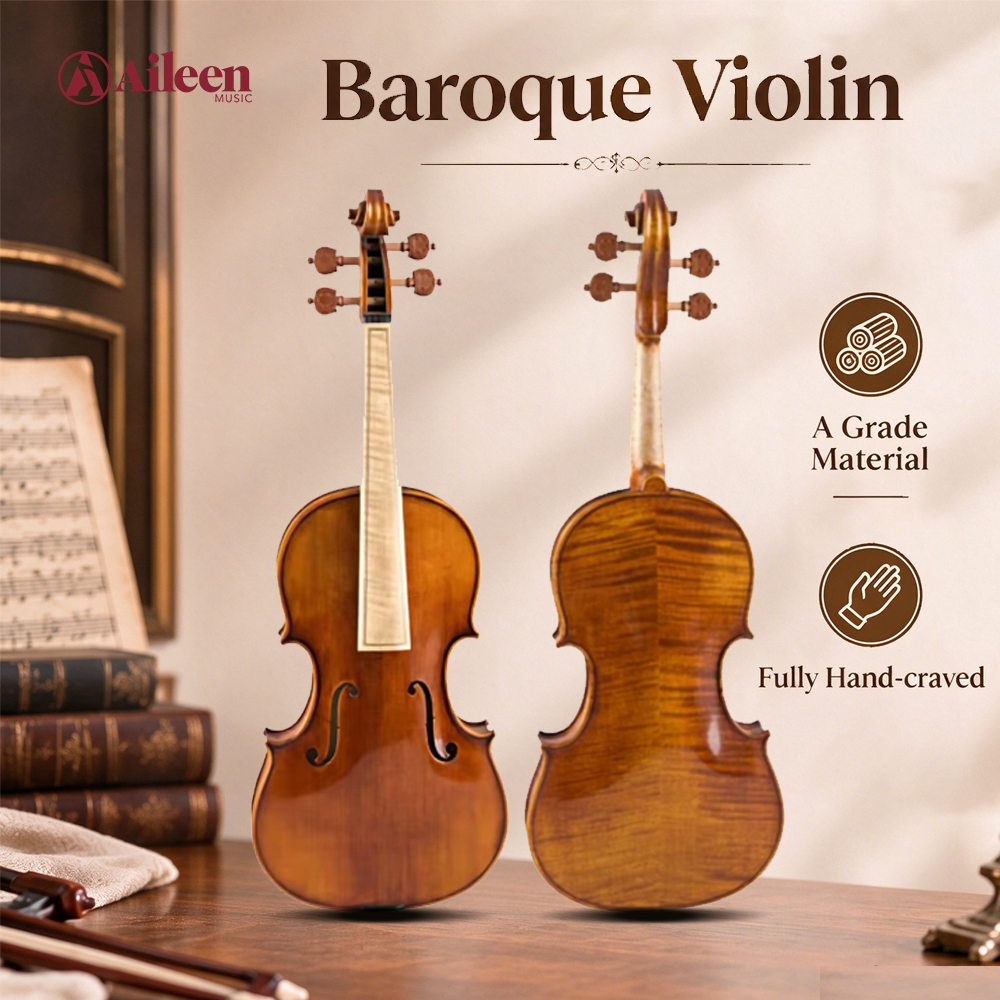
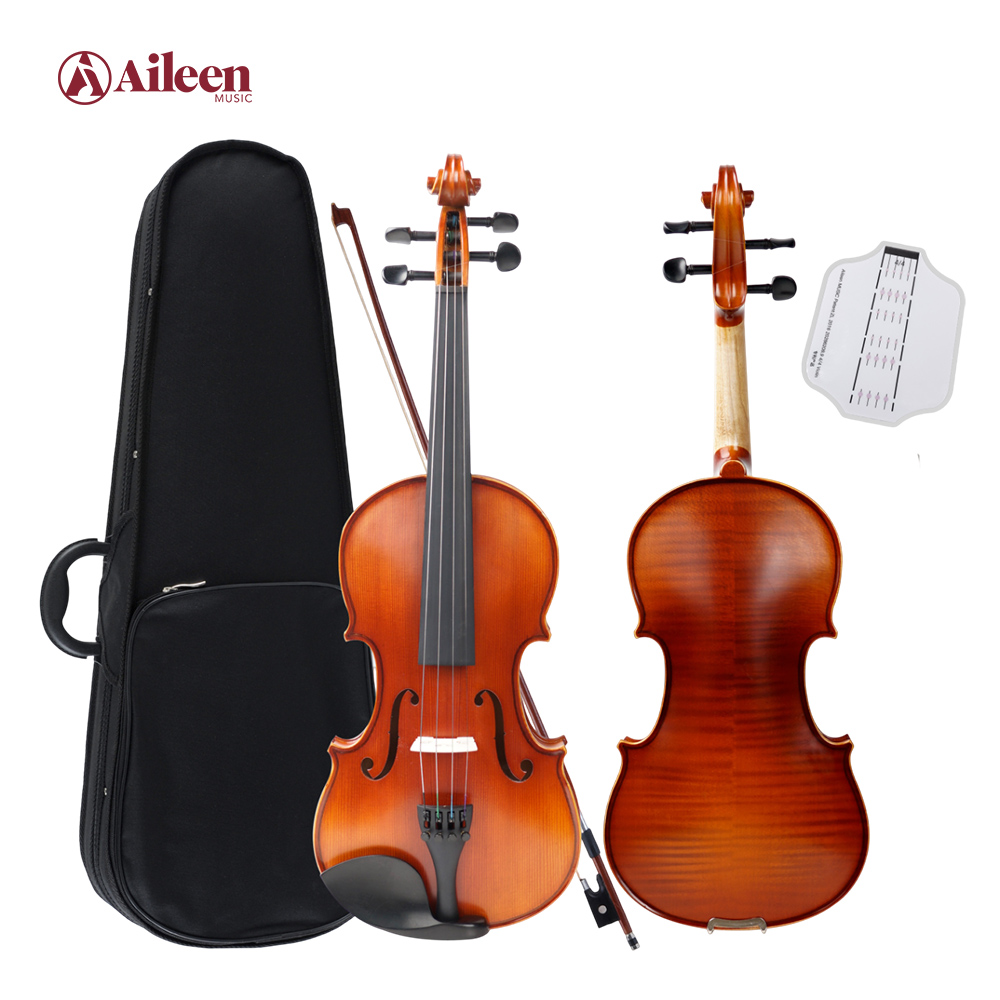
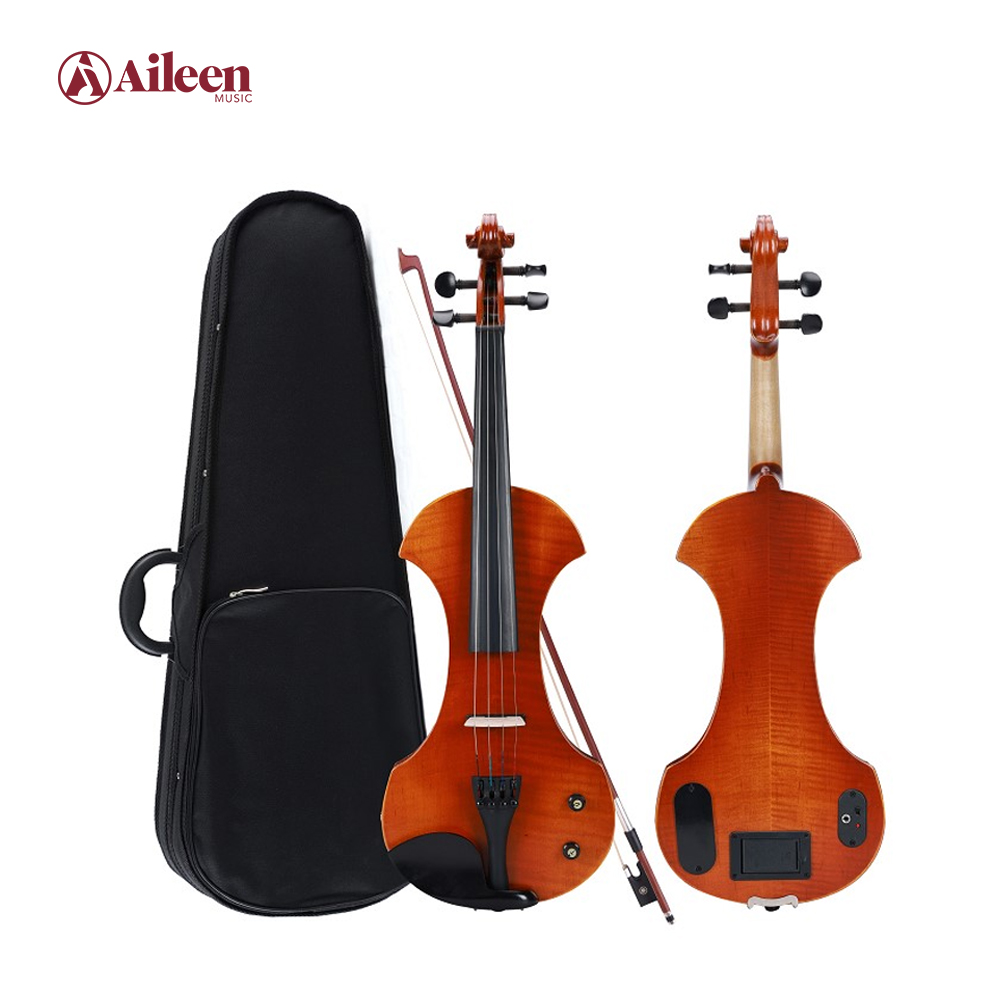
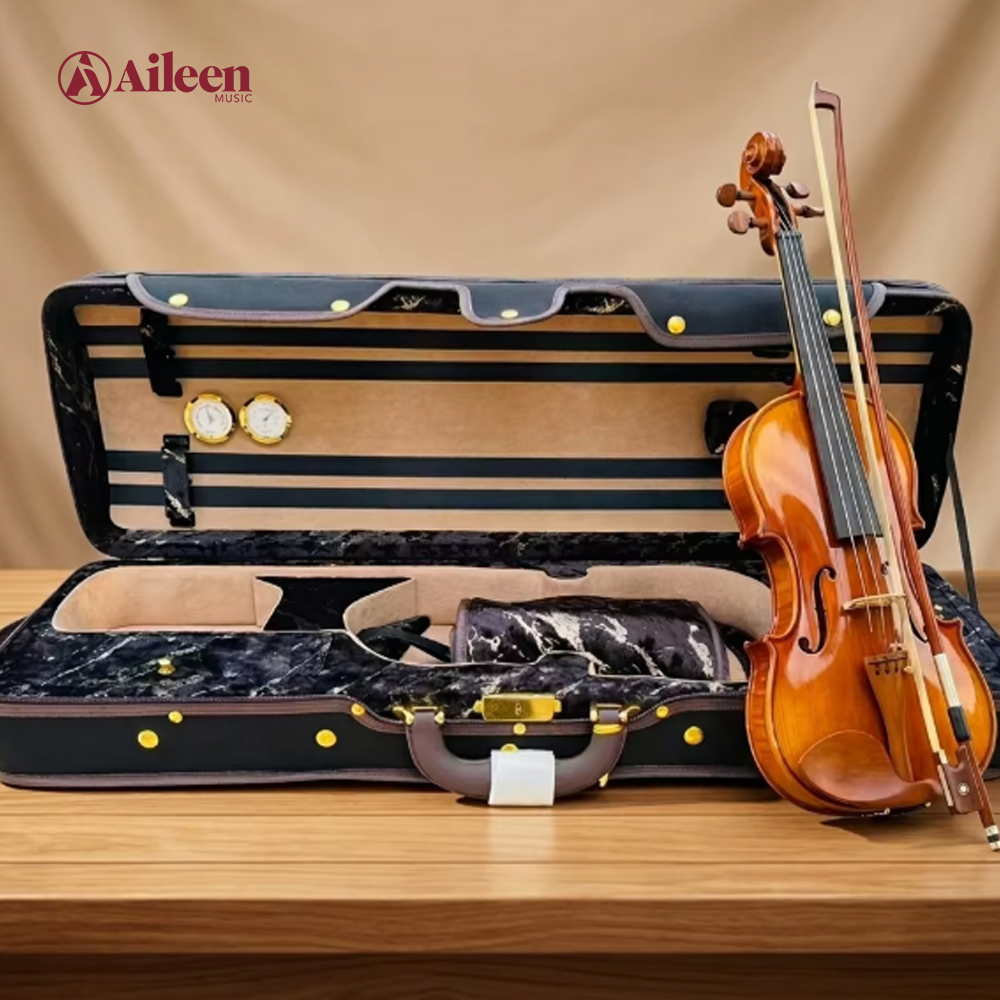



Three Decades of Manufacturing Integrity: The Chive Music Advantage
Supplying global distributors and institutional tenders across Oceania, North America, and Europe since 1993 with uncompromised quality assurance.
Institutional Integrity & Export Infrastructure
Chive Music Co., Ltd. (operating prestigious lines including Winzz, Lexington, and Chive Strings) is a permanent member of NAMM (since 2003) and CCPIT (since 2005). Ranked as the 3rd largest Chinese string instrument exporter in 2016 and honored as a Famous Export Brand, our facility bridges high-precision CNC manufacturing with traditional artisanal voicing. Operating out of our specialized 79-craftsman facility in Nanjing, Jiangsu, we provide Auckland distributors with full container load (FCL) multi-category consolidation, combining wooden ukuleles, violins, brass, and percussion in single shipments to radically compress freight landed costs.
Auckland Musical Instrument Landscape: Climate Vulnerability & Sourcing Realities
Navigating the Tāmaki Makaurau microclimates, high relative humidity swings, and the surging demand for community-oriented acoustic fretted instruments.
The Maritime Humidity Conundrum (RH 65% – 88%)
Auckland sits on a narrow isthmus between the Tasman Sea and the Pacific Ocean. Unlike inland continental markets, Auckland music retailers face extreme fluctuations in relative humidity (RH). During summer and maritime rain bands, ambient indoor RH in suburban retail outlets—from Takapuna and Albany to Newmarket, Ponsonby, and Henderson—routinely surpasses 80%. When untempered tonewood ukuleles imported from low-cost, tropical, or unconditioned factories enter this environment, they absorb excessive moisture. This triggers top-bulging, neck relief distortion, rising string actions, fret buzz, and bridge lift.
Conversely, during winter months when heat pumps and commercial HVAC systems run constantly across residential spaces and primary school classrooms, indoor RH collapses below 40%. Thinly finished or insufficiently seasoned tonewood quickly develops soundboard checking, fret sprout (fret ends poking out from shrunk fingerboards), and structural seam separation. To survive in Auckland, wooden ukuleles require rigorous industrial thermo-treatment, specialized internal kerfing, and moisture stabilization within an exact 8%–10% equilibrium moisture content (EMC) before lacquering.
Cultural Relevance: Pasifika Heritage & School Ensembles
Auckland is recognized globally as the Polynesian capital of the world, housing vibrant Samoan, Tongan, Cook Islands, Niuean, and Fijian communities alongside indigenous Māori cultural traditions. In Auckland’s educational ecosystem—spanning Ministry of Education initiatives, Kura Kaupapa Māori immersion schools, and early childhood centers—the ukulele is not merely a toy; it is an foundational cultural instrument. From the massive annual ASB Polyfest through Matariki commemorations to local Strum, Strike and Blow educational festivals, fretted instruments are subjected to heavy daily playing, energetic percussive strumming styles, and rapid temperature changes during outdoor performance stages.
Local buyers—including commercial retail chains, specialized luthiers on Karangahape Road, and wholesale distributors in East Tamaki—require ukuleles built with reinforced fan bracing, solid bone nuts and saddles, and durable multi-laminate or solid mahogany soundboards that yield rich acoustic projection while enduring vigorous, continuous school and community ensemble use.
Top 10 Wooden Ukulele Factories & OEM Partners Serving the Auckland Market
A technical comparative analysis of production capacities, kiln-drying precision, tonewood integrity, and export logistics to the Ports of Auckland (POAL).
| Manufacturer / Factory Hub | Primary Tonewood Specialties | Kiln-Drying & Climate Spec | OEM/ODM Scope | MPI / Phytosanitary Readiness | Auckland Logistics Advantage |
|---|---|---|---|---|---|
| 1. Chive Music Co., Ltd. (Jiangsu) | Acoustic Koa, Solid Mahogany, Spruce, Flamed Maple | Dual-cycle automated kiln dry (8%-10% EMC targeting NZ RH) | Full OEM/ODM, Private label headstocks, custom bracing, laser inlays | 100% bark-free certified, chemical treatment declarations, zero-soil audit | Consolidated multi-category container shipping (Strings, Guitars, Ukuleles) |
| 2. Guangdong Shengong Musical Instruments | Laminate & Solid Mahogany, Sapele, Walnut | Vacuum pressure drying chamber (10%-12% EMC) | High-volume student models, beginner gig-bag bundles | Standard ISPM-15 heat-treated palletization | Direct shipping from Yantian / Nansha to Port of Auckland |
| 3. Guizhou Zheng’an Guitar Industrial Zone | High-altitude Engelmann Spruce, Mahogany, Zebrawood | Controlled humidity cleanrooms with automated spray lines | Mass production OEM for international budget brands | Certified fumigation and export quarantine clearance | Intermodal rail-sea routes via Shenzhen ports |
| 4. Huizhou Enya Musical Instrument Factory | Carbon fiber composites, HPL, Solid Mahogany | Artificial weather stress testing chambers (40%-85% RH) | Modern patented acoustics, integrated smart pickup preamps | Synthetic/composite certification exempt from timber fumigation | Direct supply via Oceania branch networks |
| 5. Shandong Weifang Stringed Luthier Guild | Solid Cedar, Spruce, Maple, Rosewood alternatives | Long-cycle natural air seasoning (3-5 years) + kiln finishing | Boutique conservatory grades, archtop acoustic variants | CITES rosewood compliance documentation provided | Consolidated Qingdao shipping lanes |
| 6. Zhejiang Deqing Master Musical Workshop | Solid European Spruce, Hawaiian Koa imports, Acacia | Precision moisture monitoring during CNC milling | High-end custom shop tier, shell purfling, nitro finishes | Strict species origin validation for NZ biosecurity | Ningbo deep-water port direct maritime carriage |
| 7. Huizhou Jiyi Arts & Crafts Musical Co. | Basswood, Okoume, Agathis laminate | Continuous conveyor thermal curing | Ultra-low MOQ entry retail kits, gifting packages | Standard phytosanitary packaging validation | Fast batch containerization via Hong Kong consolidation |
| 8. Fujian Zhangzhou String Craft Factory | Bamboo composite, Sapele, Mango wood | Multi-stage dehumidification kilns | Eco-friendly bio-varnish series, school contract packs | Full timber traceability certificates | Xiamen direct oceanic routing |
| 9. Jiangsu Taixing Orchestral & Fretted Complex | Flame Maple tops, Carved Mahogany backs, Ebony fittings | Acoustic chamber seasoning matching European/Oceania climes | Hybrid classical-ukulele crossover instruments | Comprehensive SGS/TÜV batch inspection protocols | Shanghai port consolidation with rapid 14-day NZ transit |
| 10. Guangdong Huizhou Sunrise Musical Ltd. | All-solid Acacia, Ebony fingerboards, Bone appointments | Microprocessor-regulated drying tunnels (9% EMC) | Mid-to-high level retail brands, boutique shop OEM | Strict compliance with Australian & NZ biosecurity acts | Direct Shenzhen sea routes with palletized air pillows |
Strategic Auckland Application Scenarios & Commercial Channels
How tailor-made wooden ukuleles serve the varied musical sub-sectors of New Zealand's economic powerhouse.
Primary & Intermediate Schools
Supplying Auckland public schools, private academies in Epsom and Remuera, and regional educational trusts. Instruments must feature high-gear ratio die-cast tuners (1:18) to avoid slipping during student handling, smooth rounded fret edges to protect young fingers, and impact-resistant multi-ply mahogany bodies capable of surviving shared classroom environments.
Community Ensembles & Polyfest
Acoustic instruments designed for intense vocal accompaniment and stage projection. Outfitted with tenor and concert scale necks, solid spruce tops for punchy articulation, and under-saddle piezo pickups with integrated discrete chromatic tuners for instant plugging into PA systems at church halls, marae gatherings, and outdoor festivals.
Boutique Retail & Tourism Markets
Customized private-label instruments targeting high-traffic lifestyle stores in Auckland CBD, Devonport, and Waiheke Island. Featuring laser-engraved Pacific and Māori koru patterns, high-grade figured acacia/koa veneer finishes, and eco-friendly organic cotton carrying bags, delivering premium margins to boutique retailers.
Music Academy Rental Fleets
For community music hubs across Manukau, North Shore, and West Auckland. Rental fleets require low maintenance overhead: engineered walnut or richlite fingerboards that resist warping under sweat and skin oils, double-action truss rods on tenor models, and heavy-duty 600D padded gig bags to withstand transit in public school buses.
Stage Performers & Indie Songwriters
All-solid mahogany or solid cedar-topped baritone and tenor models engineered with balanced string separation, cutaway access to upper frets, compensated bone saddles, and premium gold-plated Grover-style tuning mechanics, catering to Auckland's vibrant indie gigging scene around Saint Kevins Arcade and the Kingsland corridor.
Lutherie Technological Evolution: Engineering Ukuleles for Extreme Longevity
Emerging acoustic manufacturing standards that smart Auckland importers demand in 2025 and beyond.
Torrefied Tonewood Soundboards
By baking tonewood blanks (Solid Spruce and Mahogany) in oxygen-deprived kilns at 180°C–200°C, hemicellulose and volatiles are cooked out. The wood mimics the molecular cellular structure of 50-year-old vintage instruments. This practically eliminates the timber’s capacity to absorb ambient moisture from Auckland’s sea mist, virtually eliminating top warpage and weather checking.
Carbon-Fiber Reinforced Necks
Ukulele necks typically lack heavy truss rods due to balance considerations. Modern manufacturing embeds dual longitudinal high-modulus carbon-fiber rods alongside the central mahogany neck core. This prevents torsional neck twisting caused by sudden thermal jumps between unconditioned Auckland garages and heated living rooms.
Ultra-Thin UV Cured Finishes
Replacing heavy polyurethane lacquer with robotic ultra-thin UV-cured polymer coats (under 0.08mm). This allows the soundboard to vibrate with maximum acoustic resonance and sustain, while delivering an impermeable moisture barrier that resists finger-wear, salt air oxidation, and volatile organic compound (VOC) emissions for institutional classroom safety.
Auckland Importer & Distributor FAQ: Regulatory, Biosecurity & Supply Chain
Essential trade intelligence for New Zealand musical instrument purchasing managers, brand owners, and store networks.
Partner Directly with an Established Stringed Instrument Manufacturer
Upgrade your catalog margins, ensure climate-hardened structural resilience, and bypass intermediate trading markups with factory-direct pricing tailored for Auckland distributors and retail chains.
Inquire Now