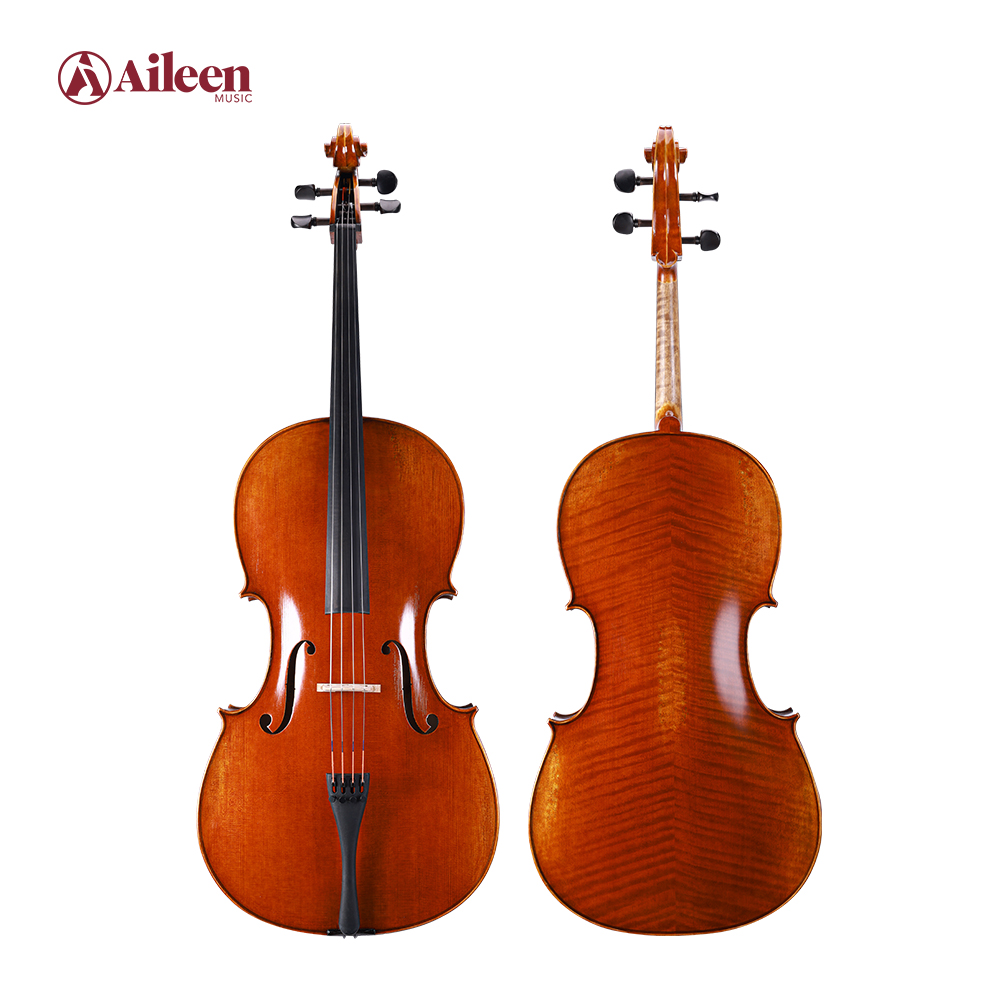
Selected spruce top, German spirit varnish formulation, hand-carved maple ribs, stable intonation for European institutional tenders.
Get a Quote
Engineered to comply with stringent European mechanical tolerances and acoustic resonance expectations. Direct OEM integration for German wholesalers, retail chains, and educational conservatories.

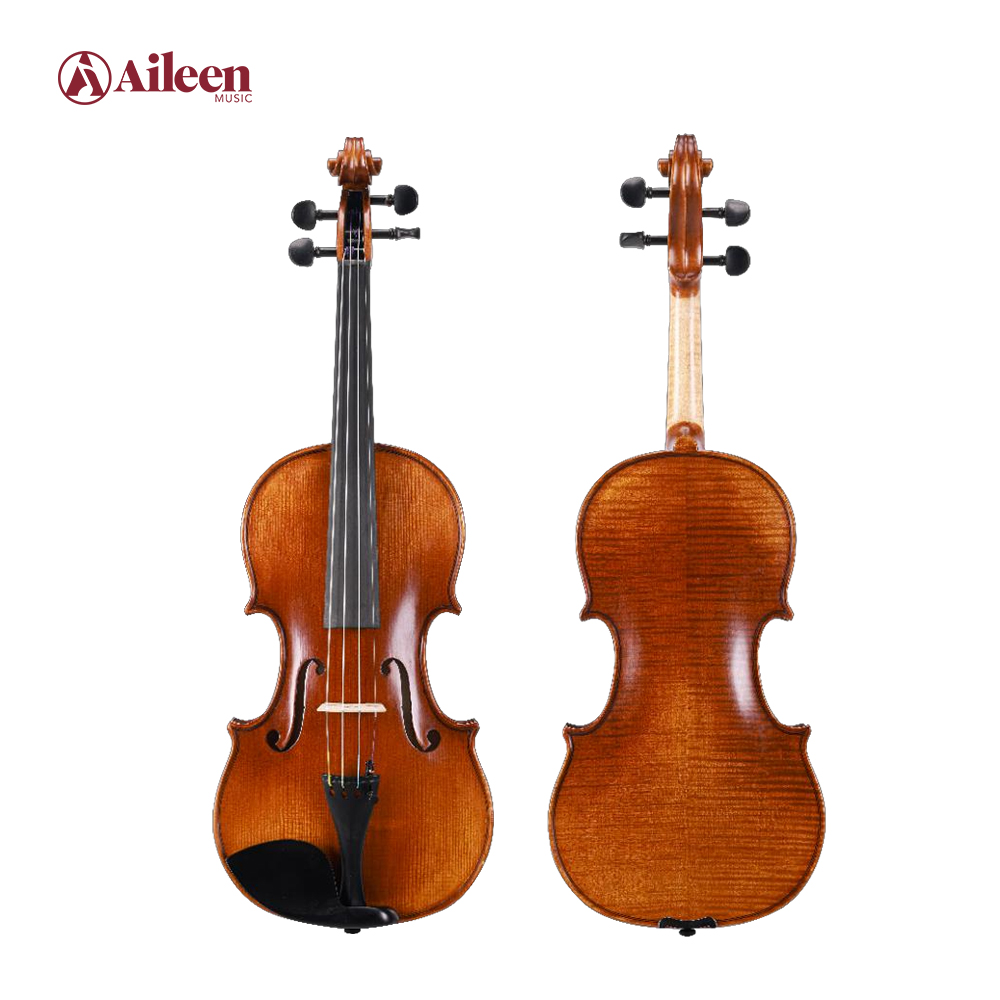


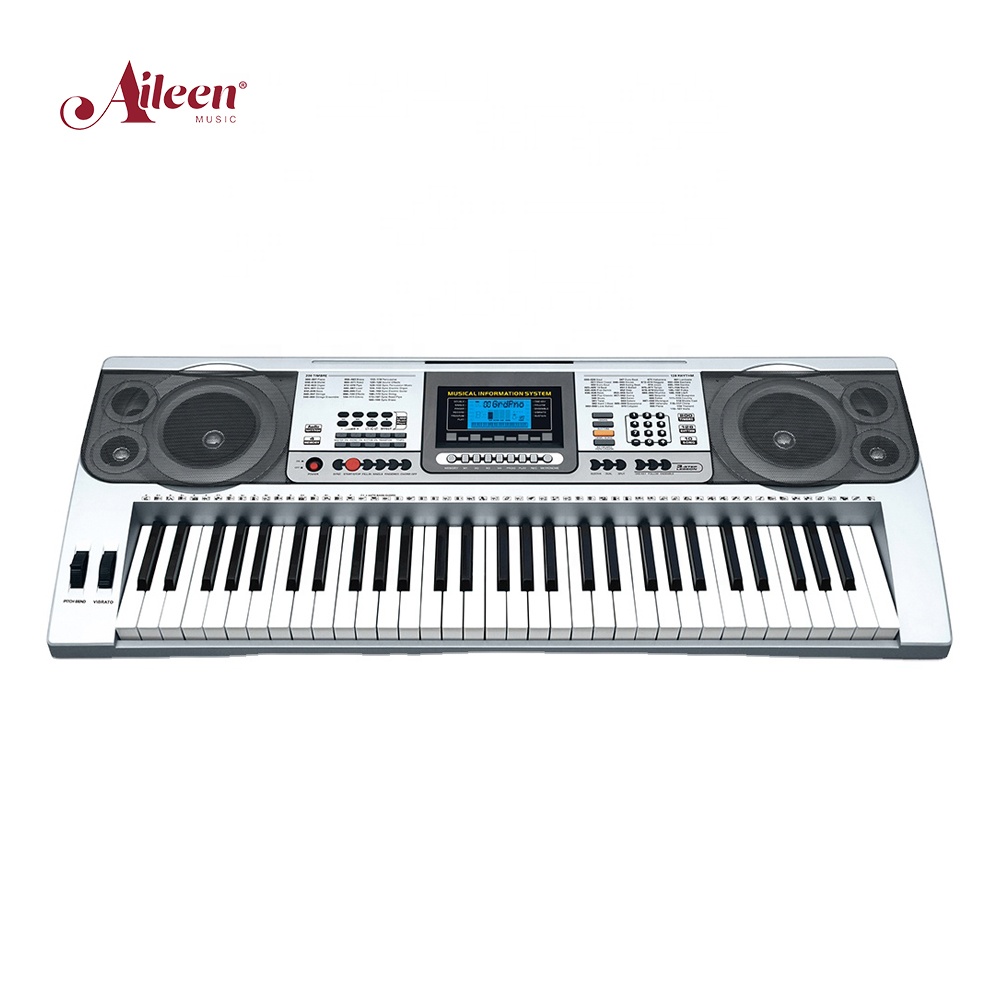

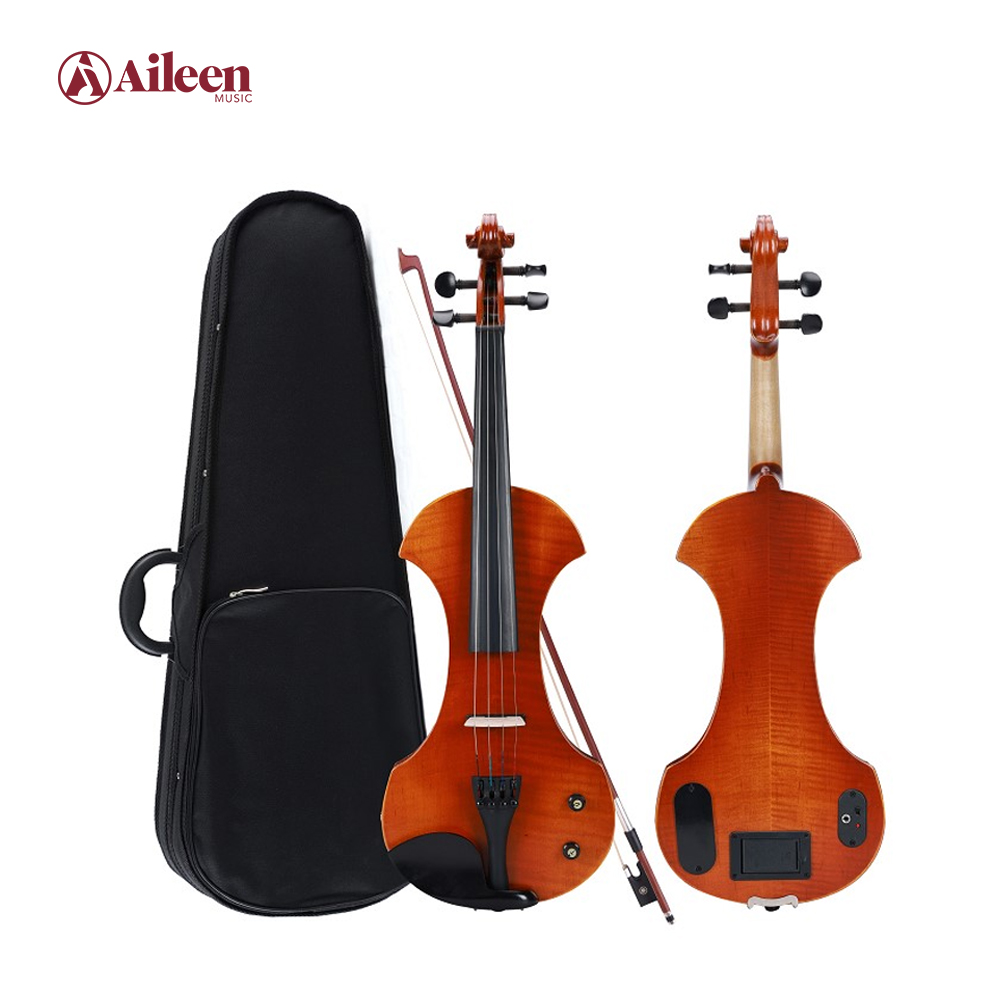
Sourcing 34-inch to 36-inch mini guitars (fractional guitars, travel acoustic guitars, and short-scale electrics) for Germany requires understanding specific technical thresholds, environmental directives, and changing buyer habits.
The Verband deutscher Musikschulen (VdM) enforces standardized ergonomic scaling. Mini guitars entering the German public education network cannot merely be shrunk-down standard dreadnoughts; they must adhere to precisely engineered nut widths (43mm–45mm), optimized neck profiles (C-shape with low relief), and intonation curves suited for young students.
From Berlin apartment living to camper van tours through the Black Forest, German hobbyists demand 3/4 and mini-travel scale formats that preserve acoustic volume. Instruments must feature high-rigidity bracing (such as parabolic scalloped spruce) to maximize acoustic projection from a compact 36-inch acoustic resonance chamber.
German customs authorities (Zollamt) strictly inspect wooden musical instruments under EU Timber Regulation (EUTR) / EUDR protocols and CITES Annex II declarations. Manufacturers must provide ironclad chain-of-custody documentation ensuring that tonewoods like Mahogany, Rosewood substitutes (Techwood/Blackwood), and Spruce are legal and certified.
| Mini Guitar Metric | German Market Specification (B2B Standard) | Chive Music Engineering Implementation | Regulatory / Functional Benefit |
|---|---|---|---|
| Moisture Content (MC) | 8% – 10% strictly maintained | Dual-cycle dehumidification kilns (55-day seasoning) | Prevents top cracking during central-heated German winters. |
| Scale Length | 578mm to 595mm (Short Scale) | CNC computer-slotted fretboards with 0.02mm tolerance | Guarantees exact intonation across standard E-A-D-G-B-E tuning. |
| Surface Varnish | Low-VOC, Formaldehyde-free, EN 71-3 compliant | Automated closed-loop polyurethane & thin-skin satin spray | Safe for student handling; compliant with German toy/health laws. |
| Fret Dressing | Zero sprout, rounded ball-end fret finishing | Hand-leveled, crowned, and cryogenic treated nickel frets | Eliminates sharp fret edges caused by rapid humidity drops. |
| Hardware & Tuning | 18:1 ratio sealed precision machine heads | Custom-cast zinc alloy gears with anti-slippage lubricant | Micro-tuning stability necessary for shorter string speaking lengths. |
Our instruments are designed around the operational demands of German procurement managers, distributors, and logistics directors.
German early musical education programs prioritize physical accessibility. Fractional mini guitars (34" to 38") allow elementary students (ages 6–11) to cultivate finger placement without muscle strain. Chive Music outfits school-grade packages with high-density padded gig bags, clip-on chromatic tuners, and extra light-gauge phosphor bronze strings.
German consumers possess strict quality expectations regarding mail-order returns under distance-selling regulations. By utilizing dual-carton impact-resistant boxing, moulded styrofoam cradles, and pre-adjusted neck truss rods, our mini guitars reach the end consumer without transport distortion, maintaining return rates below 1.2% across major German fulfillment centers.
Regional German music shop conglomerates and instrument chains require high-margin private label lines to stand out against major discount retailers. We provide laser-etched headstocks, German-language user guides, tailored inner-label branding, and bespoke packaging graphics from modest batch MOQs.
Established in 1993 in Nanjing, Jiangsu, Chive Music combines 30+ years of export infrastructure with audited manufacturing integrity.
Our 79-person specialized facility operates under certified ISO 9001 quality management guidelines. We regularly pass stringent on-site supplier verification and facility audits conducted by TÜV Rheinland, SGS, and Bureau Veritas (BV), giving German corporate buyers verified operational transparency.
Unlike single-category workshops, Chive Music solves high shipping container rates by allowing German importers to consolidate mini acoustic guitars, electric guitars, student cellos, violins, brass trumpets, and digital keyboards in a single 40ft HQ container from our consolidated Nanjing hub.
Recognized at rank #195 in the Music Trades Global 225 (2017), honored as an official Famous Export Brand, holding AAA Grade Credit Enterprise certification from the China Musical Instrument Association, and retaining permanent NAMM Show membership since 2003.
Speak directly with our technical engineering and international export team. We will review your CAD drawings, material requirements, and provide direct CIF Hamburg or Bremen freight quotations.
Direct answers addressing customs procedures, climate-proof construction, testing standards, and logistics to German ports.